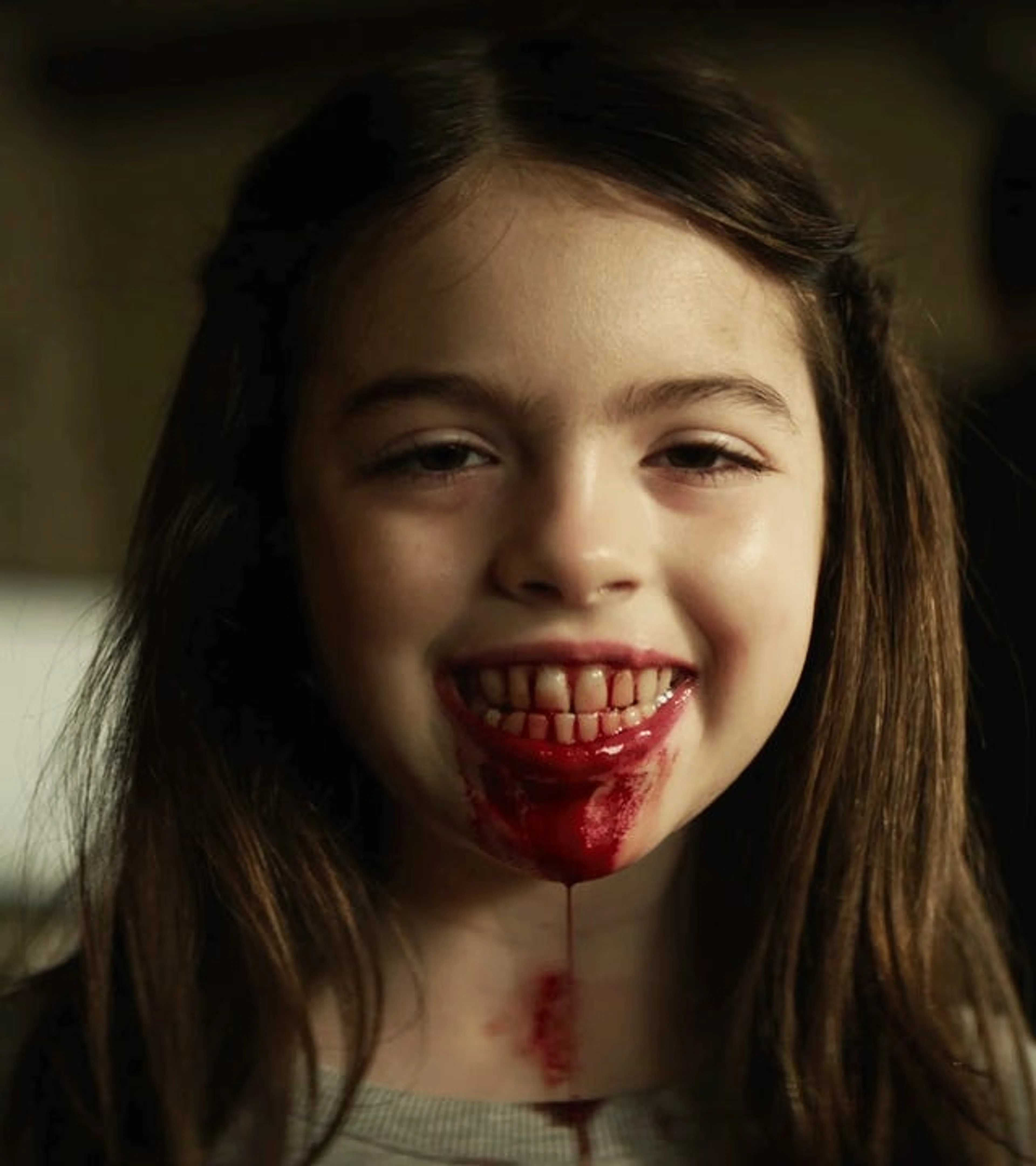
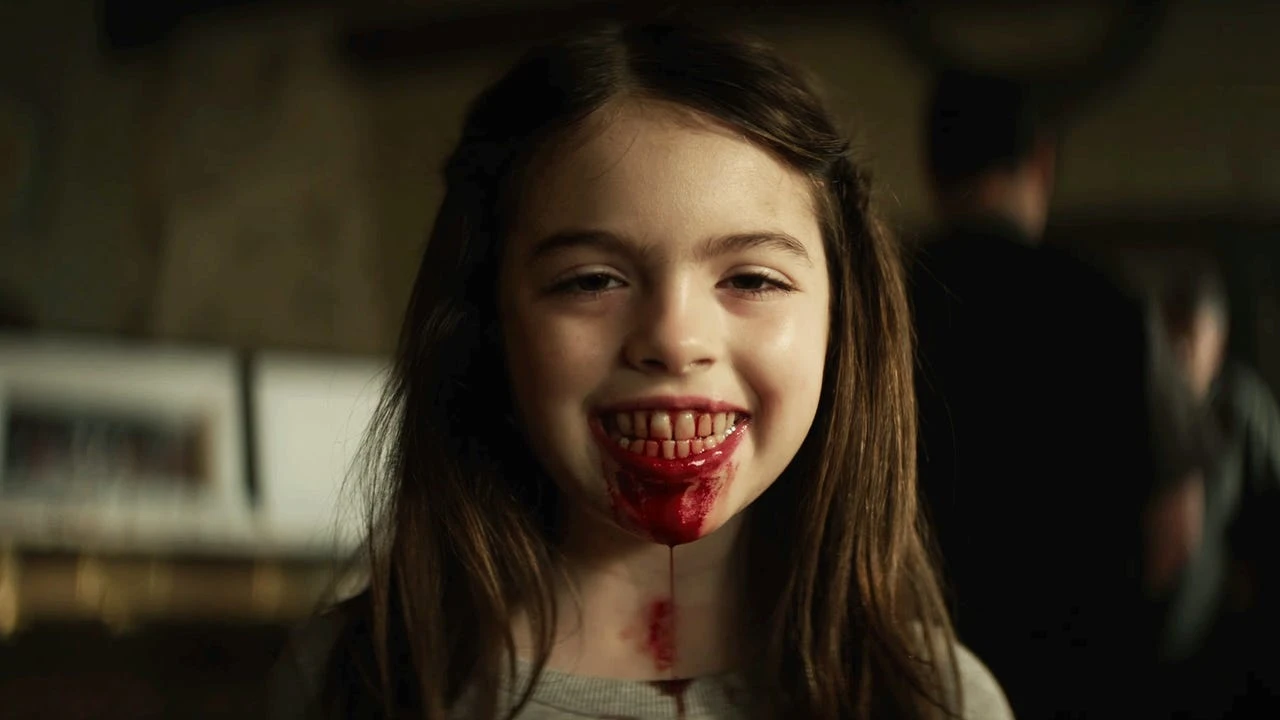
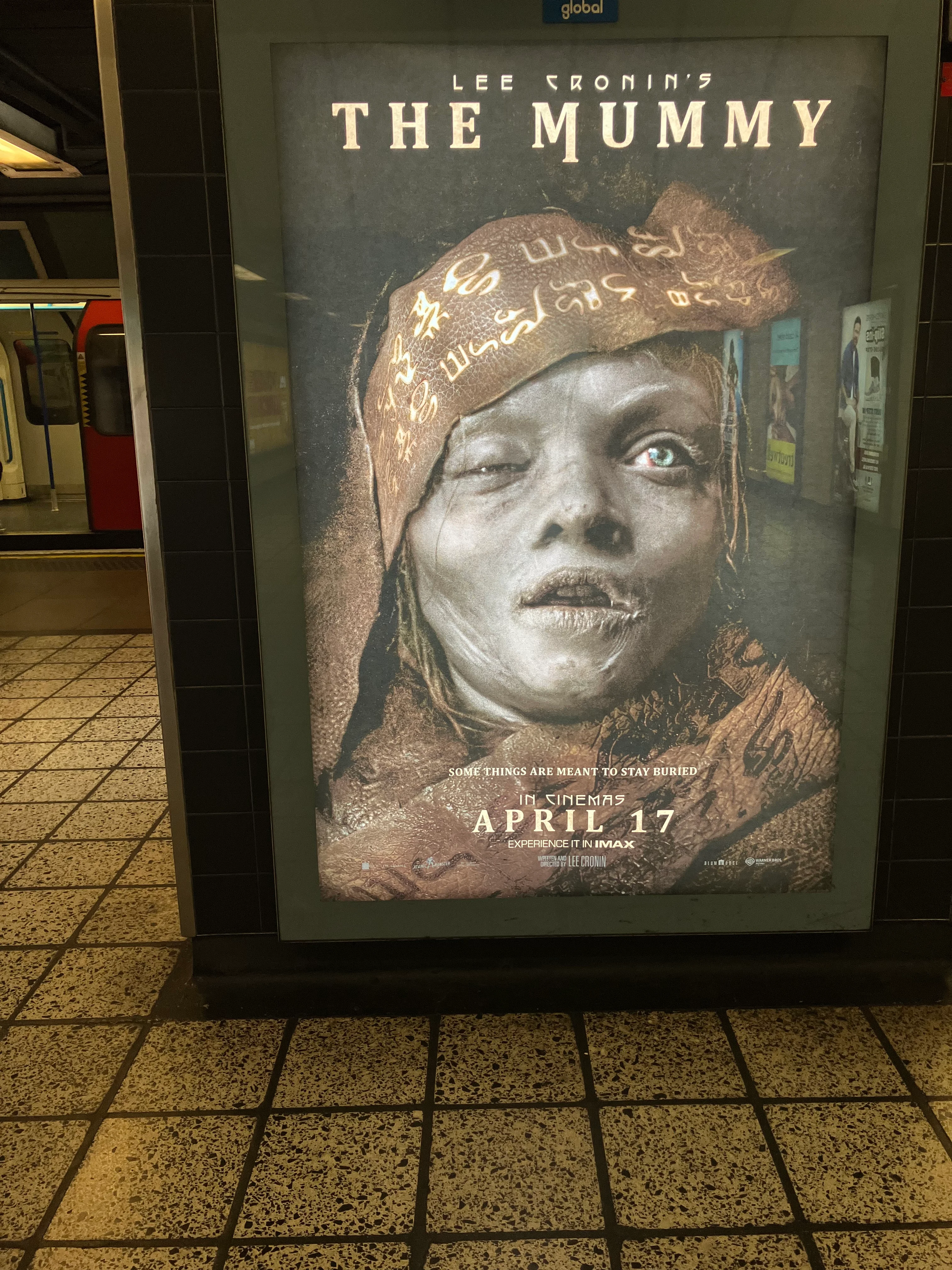
A disturbing poster for Lee Cronin's The Mummy can no longer appear on outdoor advertising in the United Kingdom. Regulators decided that the image looked like a dead child and could frighten young children who saw it on billboards or public transport.
The Advertising Standards Authority published its ruling on August 5 after receiving 30 complaints about the movie's campaign. The decision applies to the outdoor poster designs named in the complaints. The film itself was not banned, and the regulator did not ban every advertisement connected to it.
The poster showed a close view of a young female figure with grey skin, one eye swollen shut, and material wrapped around her head and neck. Warner Bros. said the character was a living mummy, not a dead child. The ASA accepted that the studio did not intend to show a corpse, but said the realistic image could reasonably give that impression.
Four separate issues were considered in the ruling. Only the complaint about outdoor placement and likely distress to young children was upheld. Complaints about serious offense and the restricted video ads were rejected, which is why describing the entire campaign as banned would be inaccurate.
The Location Changed the Decision
Horror advertising is expected to be frightening. The problem here was where the poster appeared. Outdoor ads are not age-restricted, so children can see them while walking past a billboard, waiting for a train, or traveling with family. One of the posters was visible from a nursery, according to the complaints reviewed by the ASA.
The regulator described the face as ashen and mummified, with fabric that could look like a burial shroud. It decided that the image was likely to distress young children and was not suitable for places where they were likely to see it. Warner Bros. was told that the poster designs must not appear again in the form that was investigated.
The number of complaints was not the only factor. Advertising rules do not require thousands of people to object before an image can be restricted. Regulators look at the content, its placement, and who could see it. A single public poster can reach many children even when most adults walk past without reporting it.
IGN reported that the ruling followed months of debate around the campaign. The poster had already attracted attention online because it used the child's damaged face as the central image instead of hiding the horror behind a logo or a distant silhouette.
The ruling did not find that the outdoor image caused serious or widespread offense to the general public. The ASA said viewers would understand that it was advertising a horror movie, even if some people found it shocking or unpleasant. The upheld complaint focused on the effect the image could have on younger children.
The Video Ads Were Treated Differently
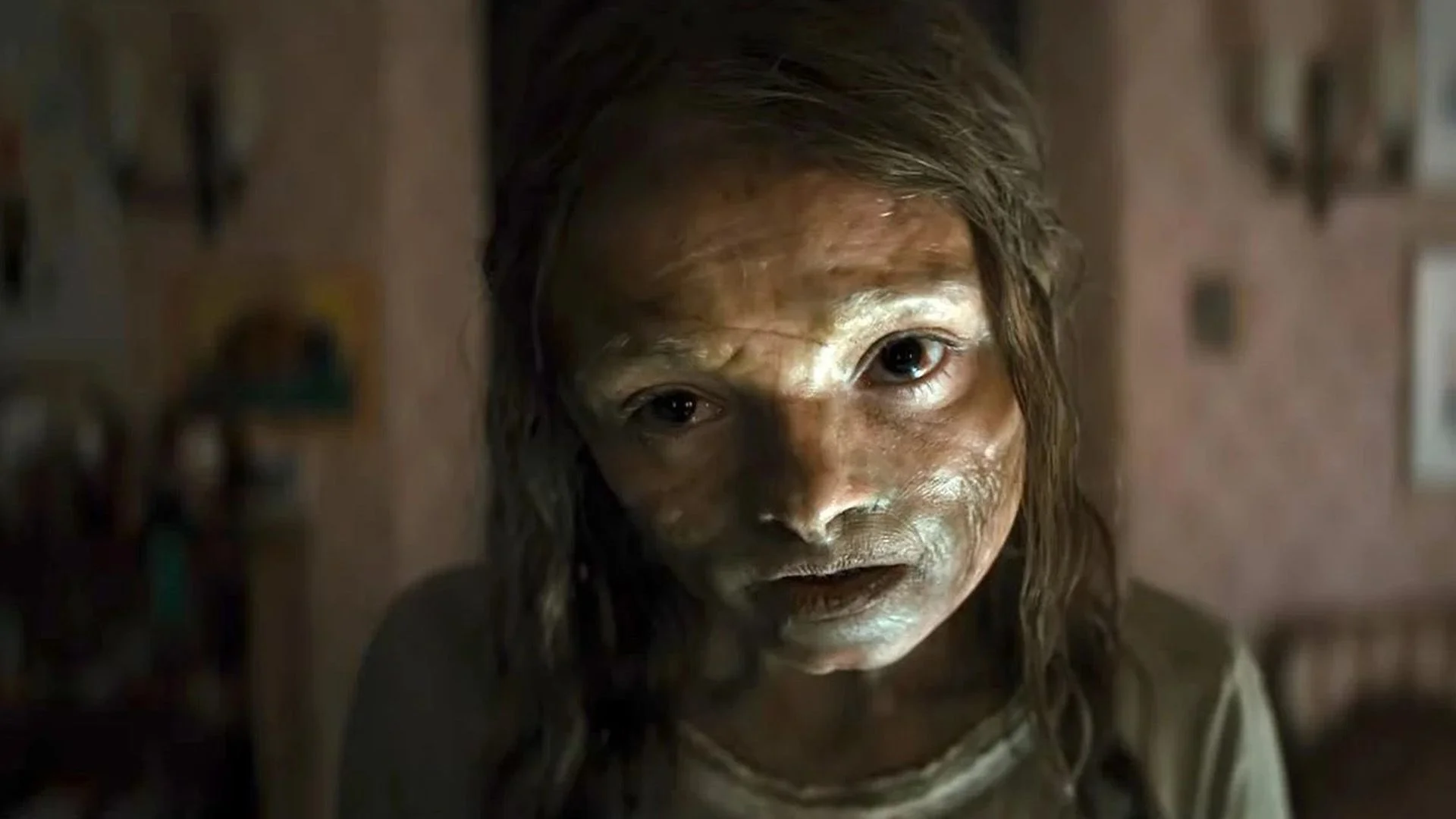
The ASA also reviewed television and Prime Video ads for the movie. Complaints about those versions were not upheld because the ads had scheduling and targeting restrictions. They were kept away from programming and accounts aimed at younger children, which gave the studio more control over who could see the material.
Those video ads included frightening material too, but viewers were less likely to encounter them without warning. Television schedules and streaming profiles can reduce exposure by age. A billboard has no similar control. It remains visible all day to everyone who passes it.
The ruling also shows why a poster can face a different decision from a movie trailer using similar imagery. A trailer usually starts after someone presses play or appears within a service that knows something about the viewer. Outdoor advertising reaches people before they have made any choice.
This difference is useful for understanding the ruling. Regulators did not decide that the movie's marketing was too frightening everywhere. They decided that the most realistic image should not be placed in public locations where an adult cannot choose to keep a child away from it.
Warner Bros. can continue promoting the film, but future outdoor material will need to avoid images likely to cause the same distress. A less graphic character image, a wider scene, or artwork that feels less realistic would probably face fewer problems while still telling adults that the movie is horror.
The poster clearly got attention, and many horror fans may consider that a successful campaign. Public advertising has a different standard from a trailer someone chooses to watch online. When the image is placed beside a road or on a train platform, the audience includes people who never asked to see it, including children.