Knife: The Attempted Murder of Salman Rushdie is now playing in select U.S. theaters. Directed by Alex Gibney, the 107-minute documentary returns to the 2022 attack on Rushdie but spends much of its time on what happened after he left the stage.
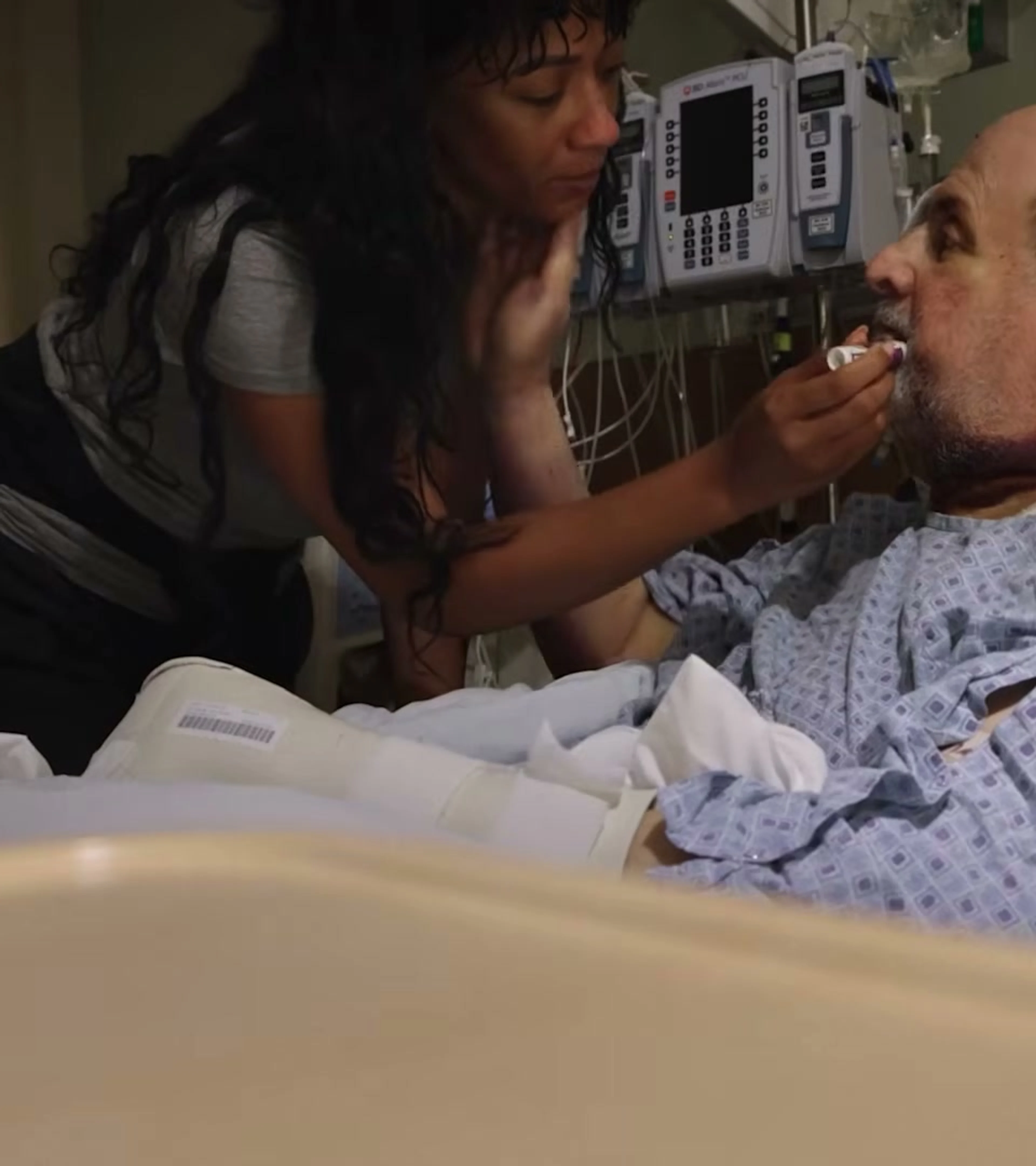
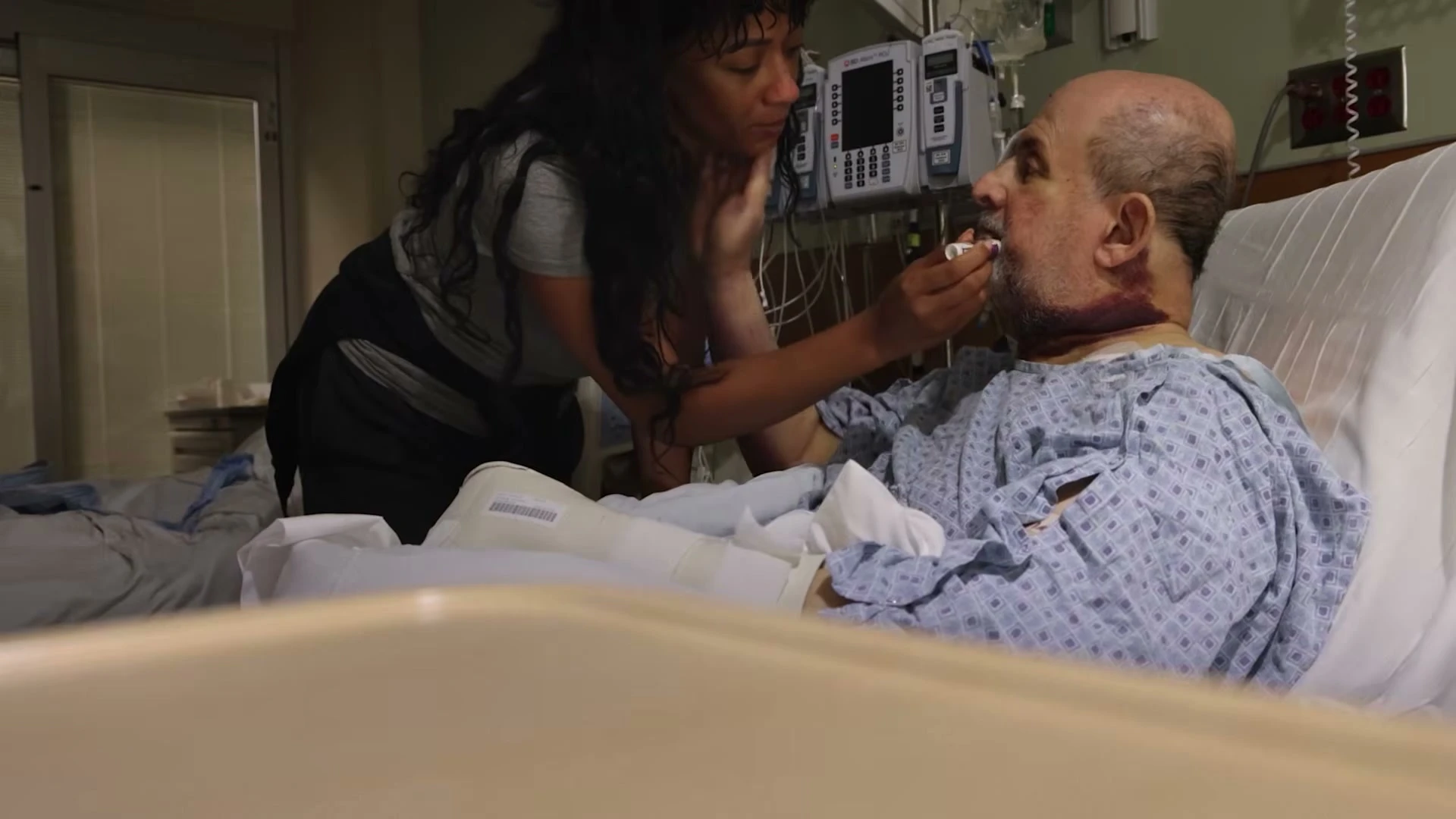
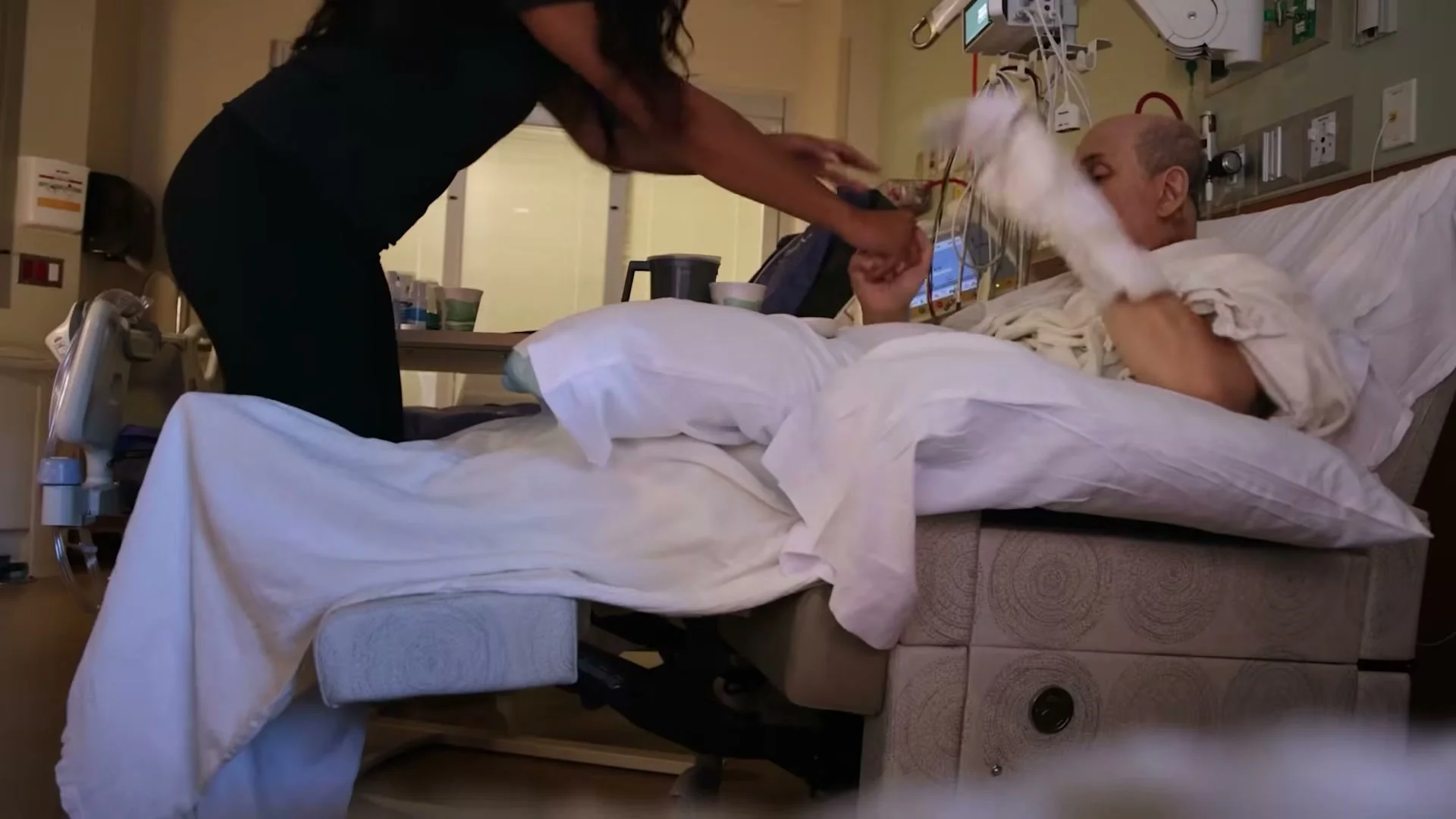
The film uses Rushdie’s memoir Knife: Meditations After an Attempted Murder as a guide. It also includes private footage recorded by his wife, writer and artist Rachel Eliza Griffiths, during the days and weeks that followed. That material makes the recovery feel personal instead of turning the story into a simple timeline of a public crime.
His wife’s footage becomes the heart of the film
Griffiths filmed hospital rooms, difficult days and small signs of progress. Rushdie lost sight in one eye and was left with reduced use of one hand. The documentary does not hide those consequences, but it also shows the care, patience and humor that helped him continue.
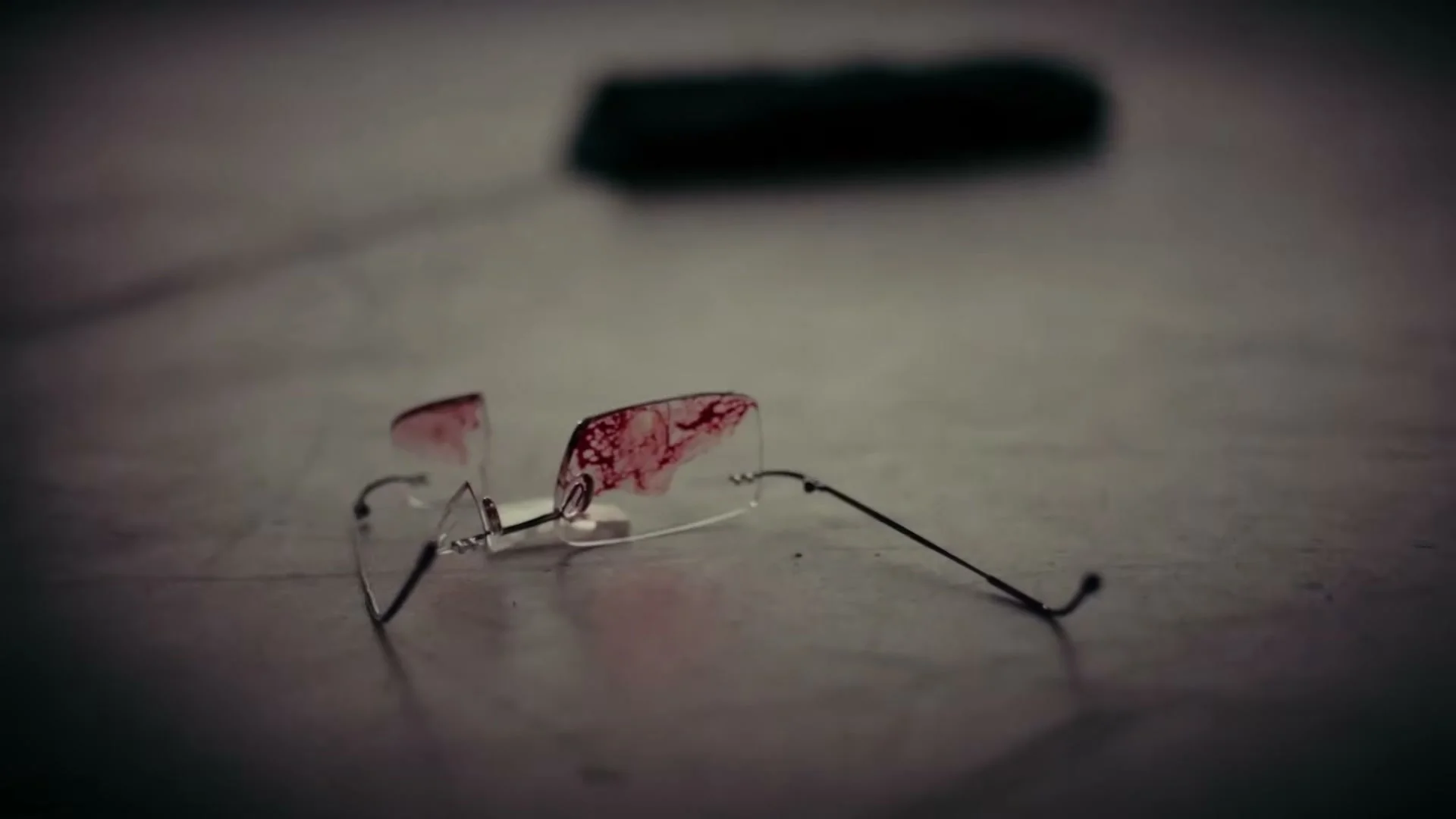
The most powerful part of Knife is not the violence. It is the decision to keep living, writing and appearing in public after someone tried to silence him. Gibney lets the private recovery footage carry that idea without making every moment feel like a speech.
Knife connects the attack to Rushdie’s life as a writer
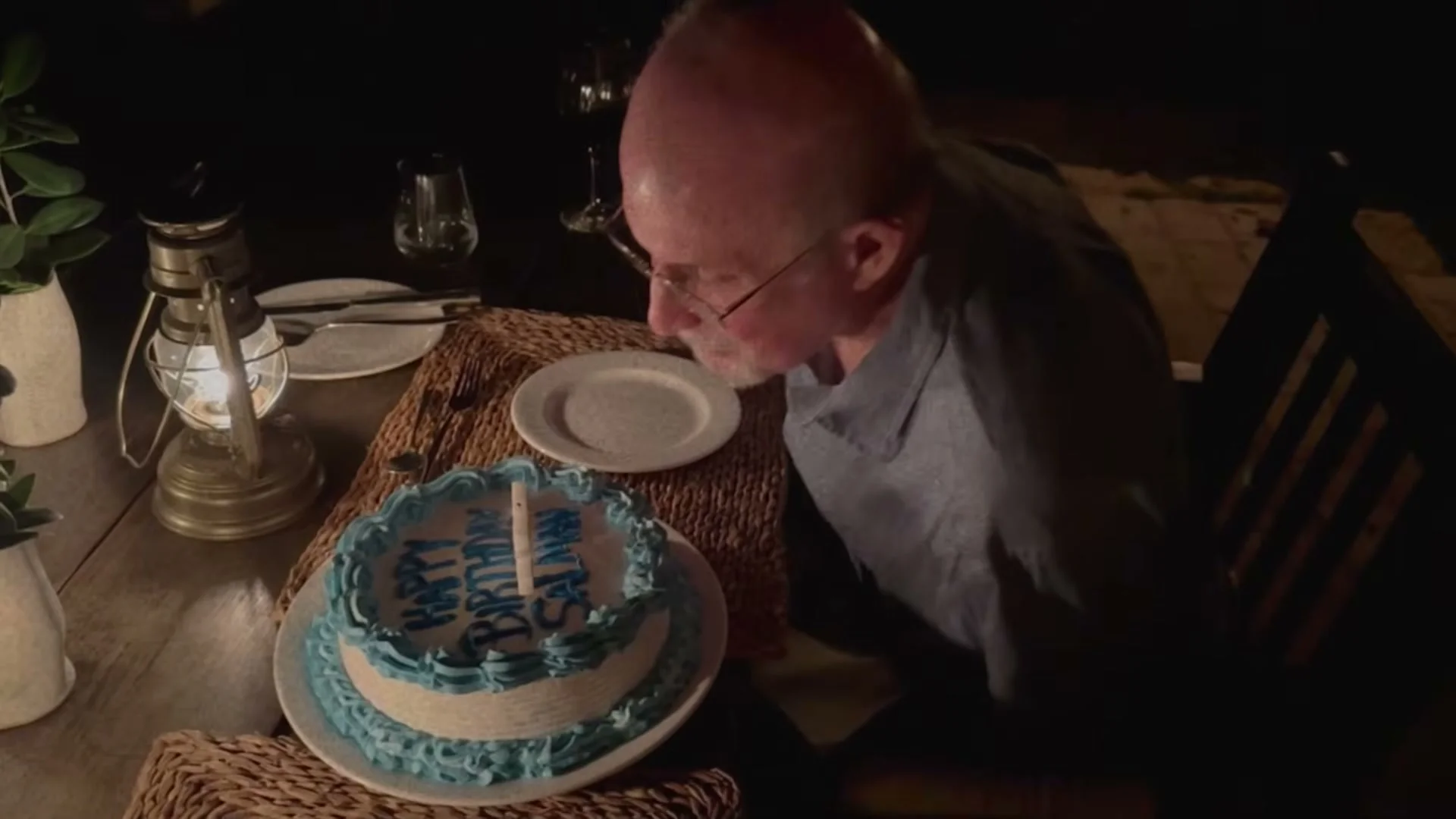
The documentary reaches back through Rushdie’s career and the long history surrounding The Satanic Verses. More than three decades after Iran issued a fatwa calling for his death, Rushdie traveled to Chautauqua to speak about the United States as a refuge for writers and artists in exile. He was attacked at an event built around the idea of safety and free expression.
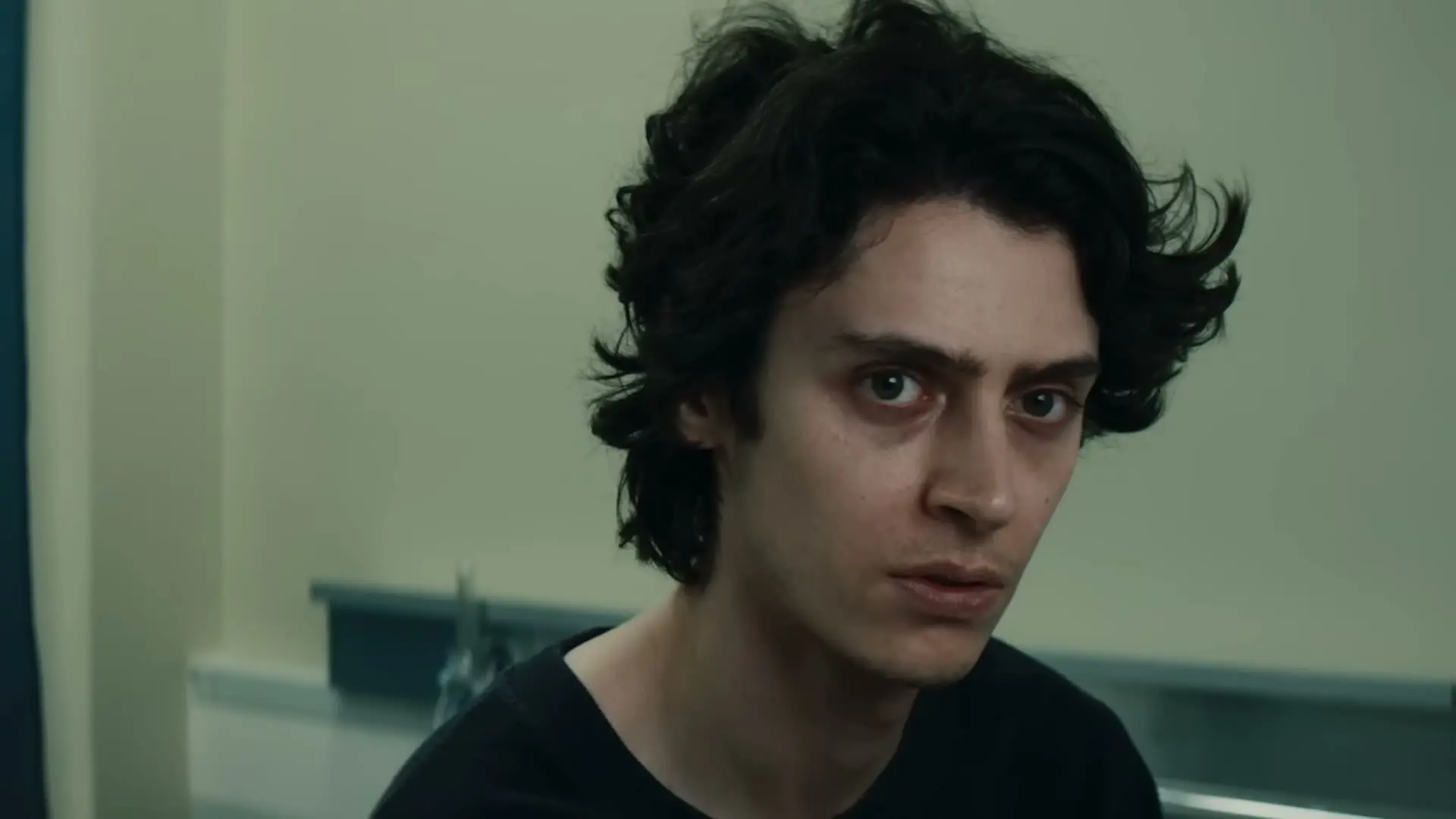
Gibney mixes reporting, excerpts from Rushdie’s work and fictionalized conversations that explore the attacker’s thinking. The film is less interested in giving the attacker the final word than in showing how Rushdie used art to take control of his own story again.
Recovery does not mean pretending the damage disappeared
The physical effects remain visible throughout the trailer and official synopsis. Rushdie learns how to work around what changed, while Griffiths and the people close to him help rebuild the ordinary parts of daily life.
That makes the movie’s title work in two ways. A knife was used against Rushdie, but he also treats language as a tool he can use in response. His memoir, interviews and continued public life become part of the answer.
Abramorama began the film’s U.S. theatrical rollout on September 17, with the IFC Center opening it in New York on September 18. Knife arrives as a difficult documentary, but its final subject is resilience: how a writer survives an attack and refuses to let it become the last chapter.