Spoiler warning: This article explains the ending of The Last House, including the creatures, the Delgado family's survival, and the final radio voice.
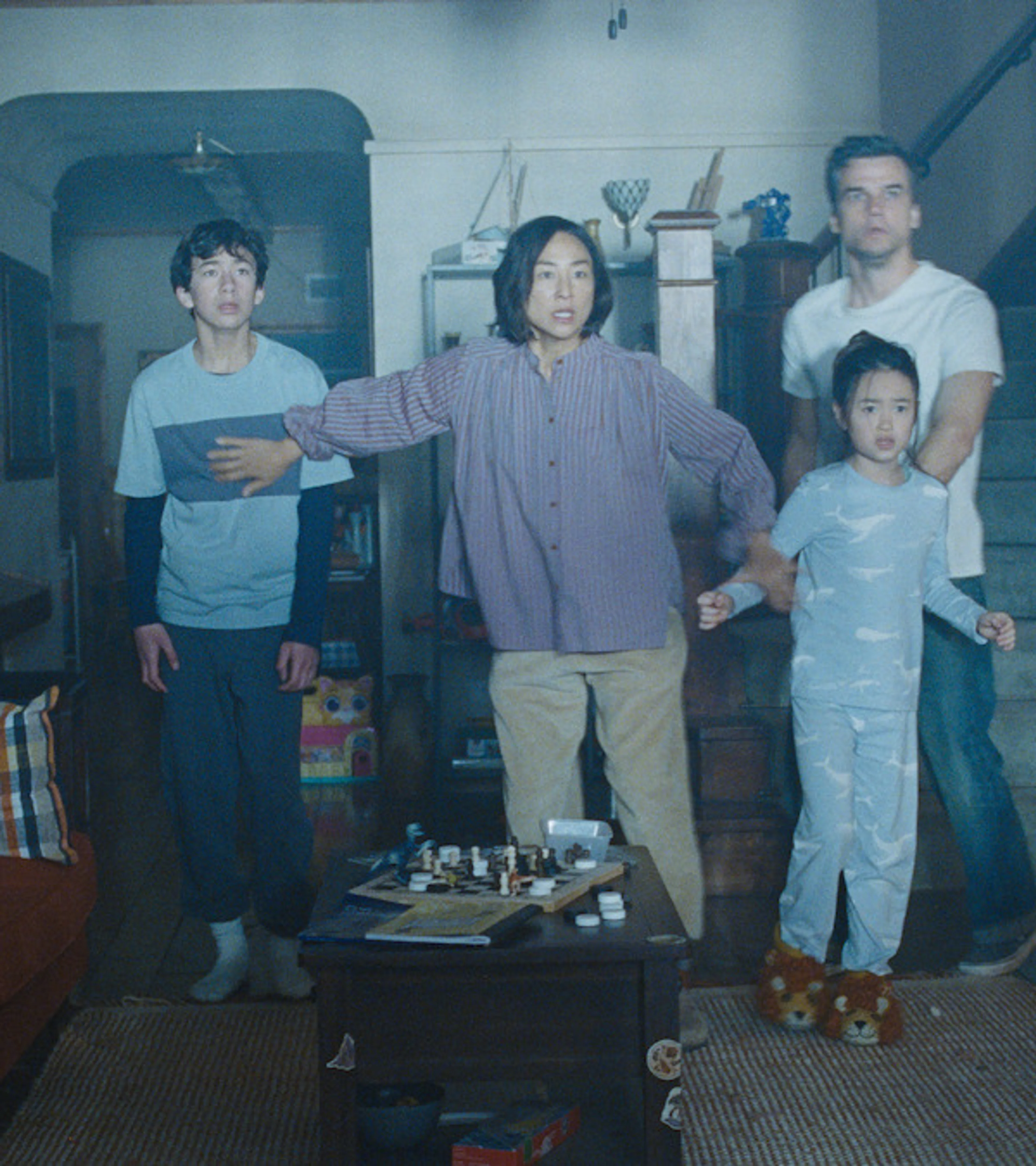
In The Last House, the Delgado family survives. The doors open after Jason stops treating the creature as a target, listens to Ruth, and lowers his weapons. Ruth understands that the creature is trying to communicate, not simply attack. The family is released because it chooses trust and cooperation instead of another attempt to control or destroy what is outside.
The final radio exchange confirms contact with another voice, but it does not identify the speaker. Ruth asks whether other survivors are listening, and a static voice answers, “Hello?” Director Louis Leterrier has deliberately kept the voice's identity secret. The ending leaves the larger world open without confirming a sequel.
What are the creatures in The Last House?
The creatures are ancient ocean dwellers, not visitors from another planet. Leterrier's explanation is that they existed on Earth before humanity. After people overconsumed, polluted the environment, raised global temperatures, and damaged the oceans, the creatures emerged from the depths.
That information changes the family's situation. The movie first presents the sealed house as a human family under attack. The director describes the wider conflict as a reversal of that idea: people have been living in a world that also belongs to the creatures, and the creatures are forcing humans to learn how to share it. They are not a conventional monster army waiting to be defeated. The film does not give them a scientific name, a complete history, or a detailed account of every place they have reached.
How does the family survive for more than five years?
The family remains inside the house for five years. A loosened chimney cap eventually falls away and creates a small opening in the barrier. It is not large enough for a person to escape, but it lets Jason build traps and catch animals. The family also develops ways to collect water and send it through pipes to crops growing inside the house.
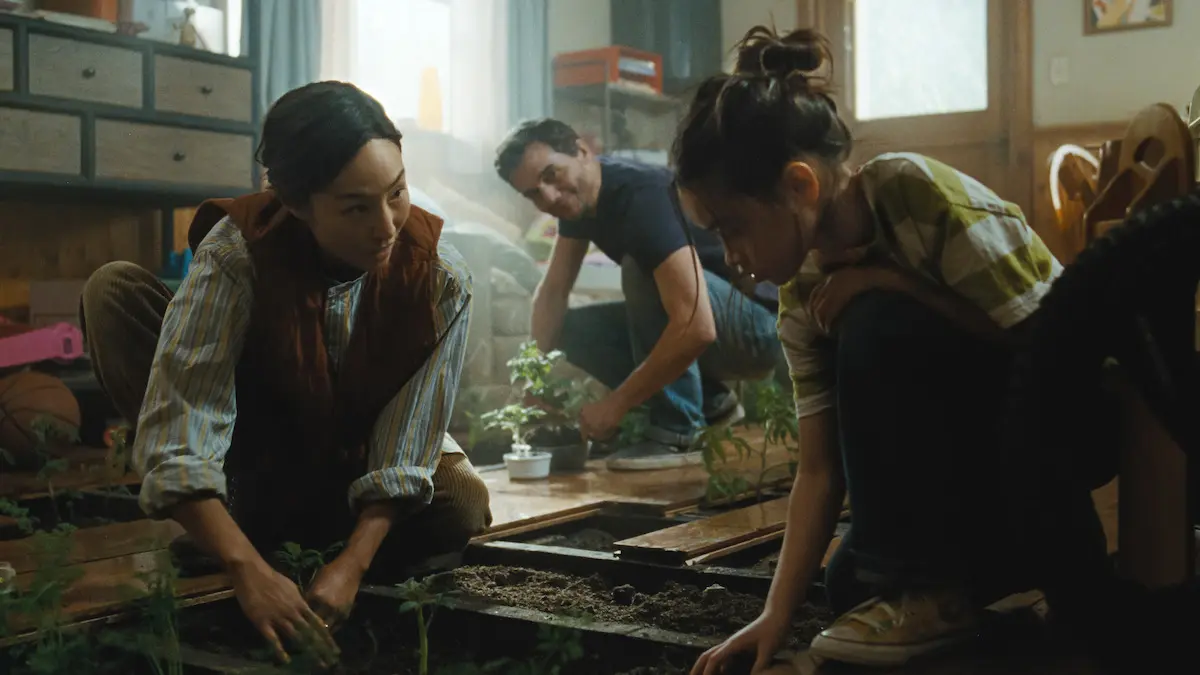
The Delgados survive by treating the house as a supply of materials. They reuse bicycle parts, vacuums, clothing, furniture, and kitchen tools. Jason builds and repairs; Ann grows food and finds new uses for what remains. Their routine covers basic needs such as water, food, shelter, fire, and sleep. The five-year jump is therefore supported by work and cooperation rather than a hidden store of supplies.
Does Ruth have supernatural powers?
The movie does not confirm that Ruth has powers. Leterrier describes her understanding as intuition and a child's openness to possibilities. She notices patterns and possible communication while the adults focus on protecting the family from an immediate threat.
Ruth is not given secret information about the creatures. She reaches a different conclusion from the same evidence. Where Jason sees another reason to fight, Ruth sees a chance that the creature is trying to be understood. That difference matters because Jason has made control his way of protecting the family. He changes only when he accepts that Ruth may be reading the situation more accurately than he is.
Why do the creatures open the doors?
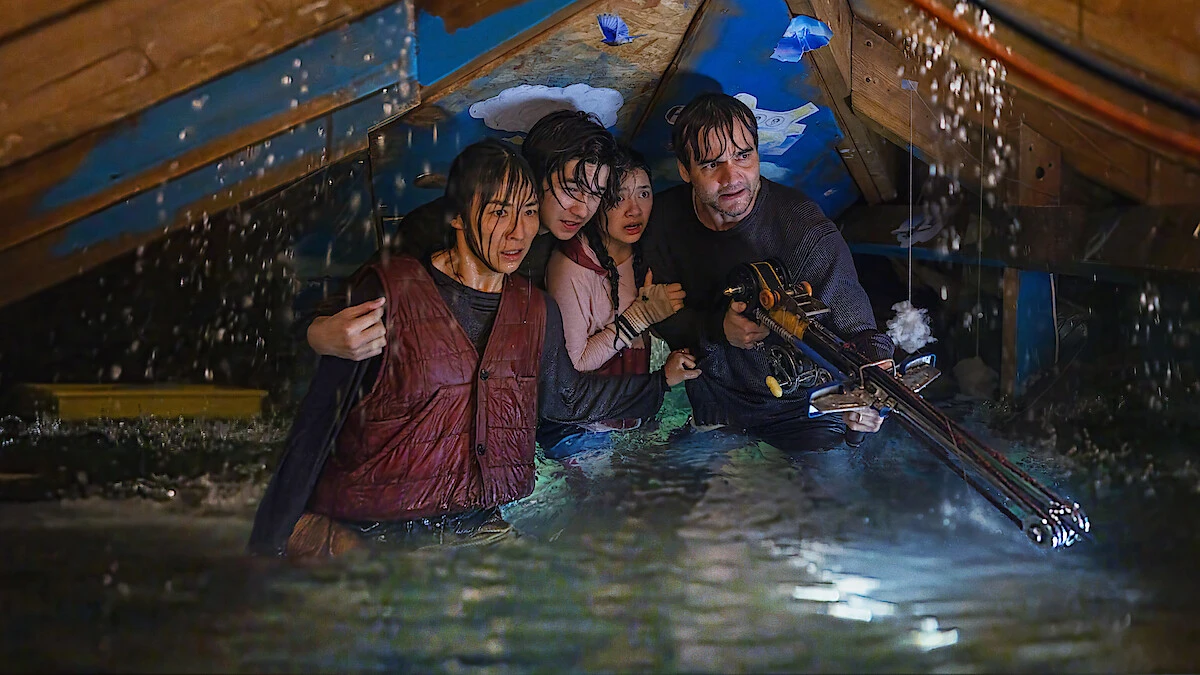
The release is the result of Jason's choice. He has spent the film trying to fix, control, or destroy every danger outside the house. In the flooded finale, Ruth recognizes communication and Jason trusts her instead of continuing to fight. Jason puts down his weapons, and the family stops responding to the creatures as if violence is the only possible language.
The creatures then spare the Delgados and open the way out. This does not mean the family has defeated them or solved the environmental damage that brought them to the surface. It means the family has shown that humans can change their behavior. The ending connects Jason's personal change with the creatures' demand for coexistence.
Are there other survivors?
The film does not give a number or a map of surviving communities. Leterrier believes people elsewhere could have survived, especially in high places, tall buildings, or groups able to work together. That is a creator's hope rather than a confirmed count inside the story.
The radio scene supports the possibility without proving where the signal came from. The Delgados know that another person answered, but they do not know who that person is or how far away the transmission traveled. The movie leaves the scale of the disaster unresolved.
Who says “Hello” at the end?
Ruth uses the radio to ask whether anyone else is out there. A staticky voice answers, “Hello?” Leterrier says the performer is very iconic, but he has refused to reveal the identity and has said viewers may never know for certain.
The voice is unidentified. It is not evidence that a named celebrity is playing a character, and it is not a hidden confirmation of The Last House 2. It gives the family a first point of contact with the wider world after five years of isolation.
Netflix has not turned the unanswered radio call into a sequel announcement. The current sequel status tracks what has actually been confirmed.
What the ending leaves unknown
The movie answers the immediate questions: the family lives, the creatures are ancient ocean dwellers, Ruth's insight is not confirmed as supernatural, and the doors open after the family chooses communication over violence. It leaves other questions open:
- how many people survived outside the Delgado home;
- how human communities will live beside the creatures;
- how far the creatures' reach extends; and
- who is speaking through the radio.
Those gaps are part of the ending's design. The story resolves the family's immediate confinement while leaving the world beyond the house larger than the characters can see. Nothing in the final scene identifies a sequel order, a release date, or a confirmed returning cast.
How the flooded finale was made
The practical details reinforce the ending without changing its meaning. The creature began as a silicone suit that could move through the flooded house with a puppeteer inside it; visual effects enhanced the final image. The underwater scenes were filmed in submerged sets rather than relying only on blue screens, and the cast completed dive training before performing the sequence. These production facts explain how the creature and the flooded rooms could share the same physical space. They do not add a separate mythology beyond what the film and Leterrier establish.
For the spoiler-free premise, cast, and the rest of Pixel Twelve's coverage, return to The Last House.