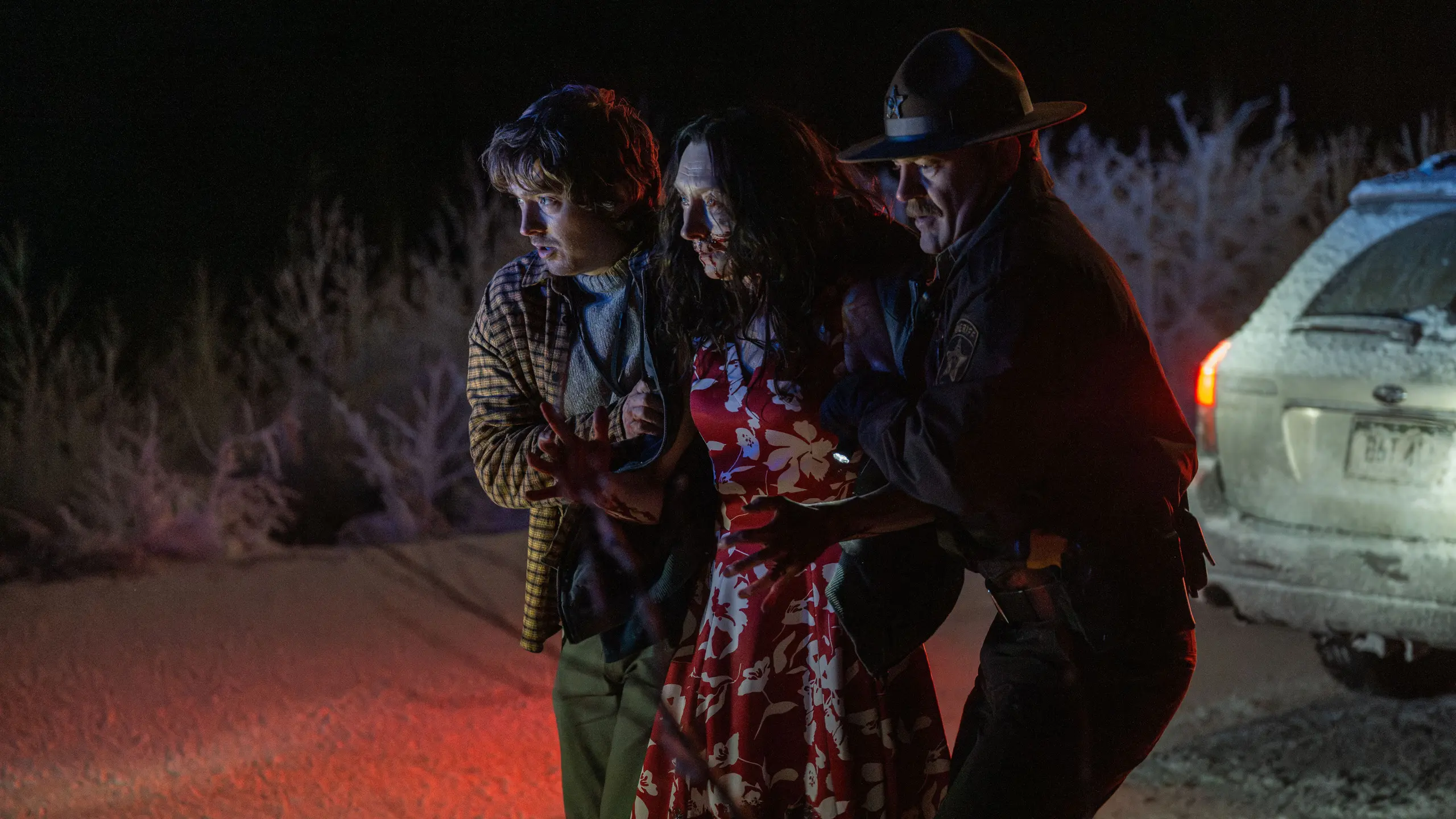
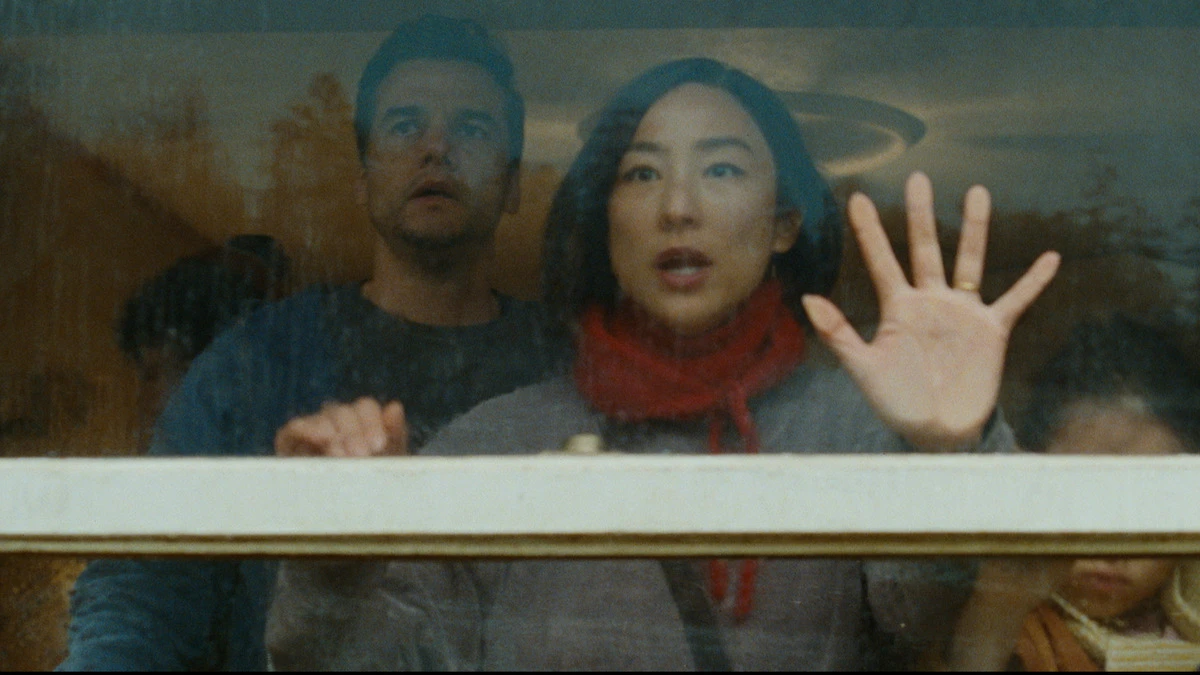
The short answer is no. Netflix's The Last House is not a COVID-19 movie, and its mysterious threat is not a stand-in for a government stay-at-home order. But the story does deliberately tap into a feeling many viewers remember from 2020: an ordinary home suddenly becoming the edge of your entire world.
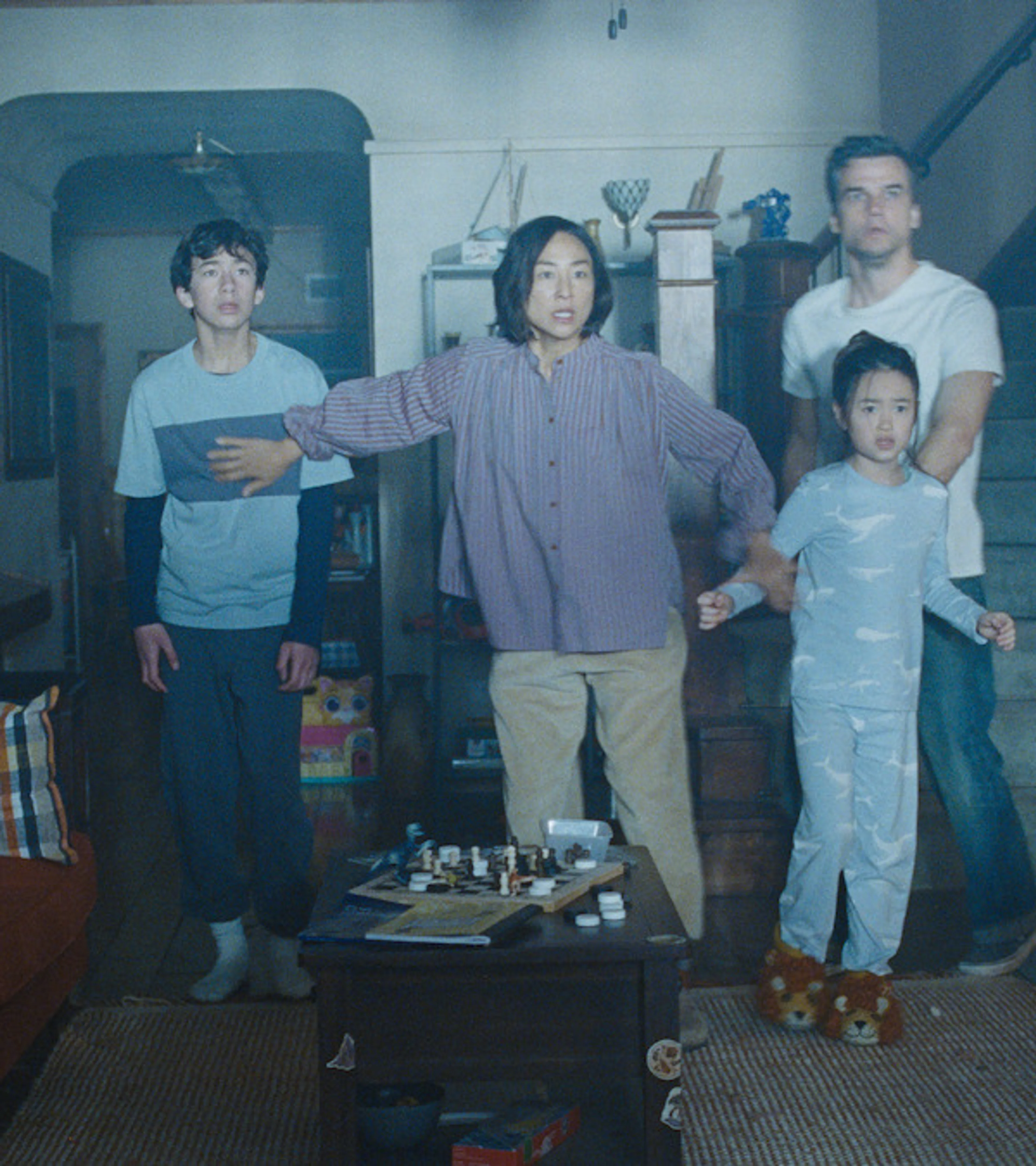
The movie follows Ann and Jason, played by Greta Lee and Wagner Moura, after their family wakes up to find every door and window sealed. They cannot leave, help does not arrive, and the supplies inside the house begin to matter in ways they never did before. The science-fiction mystery is fictional. The anxiety underneath it is much easier to recognize.
What Louis Leterrier Actually Said About Lockdown
Director Louis Leterrier addressed the connection in an interview with SFX. When he first read Matthew Robinson’s script, the experience felt familiar because, in his words, “we’ve all been trapped in our houses.”
That comment explains the comparison without turning the film into a literal pandemic allegory. Leterrier connected with the pressure of the setup first. The family writing kept him there: four people who love one another, have nowhere private to go, and must keep making decisions together while the outside world becomes unreachable.
Why The Last House Feels Like 2020
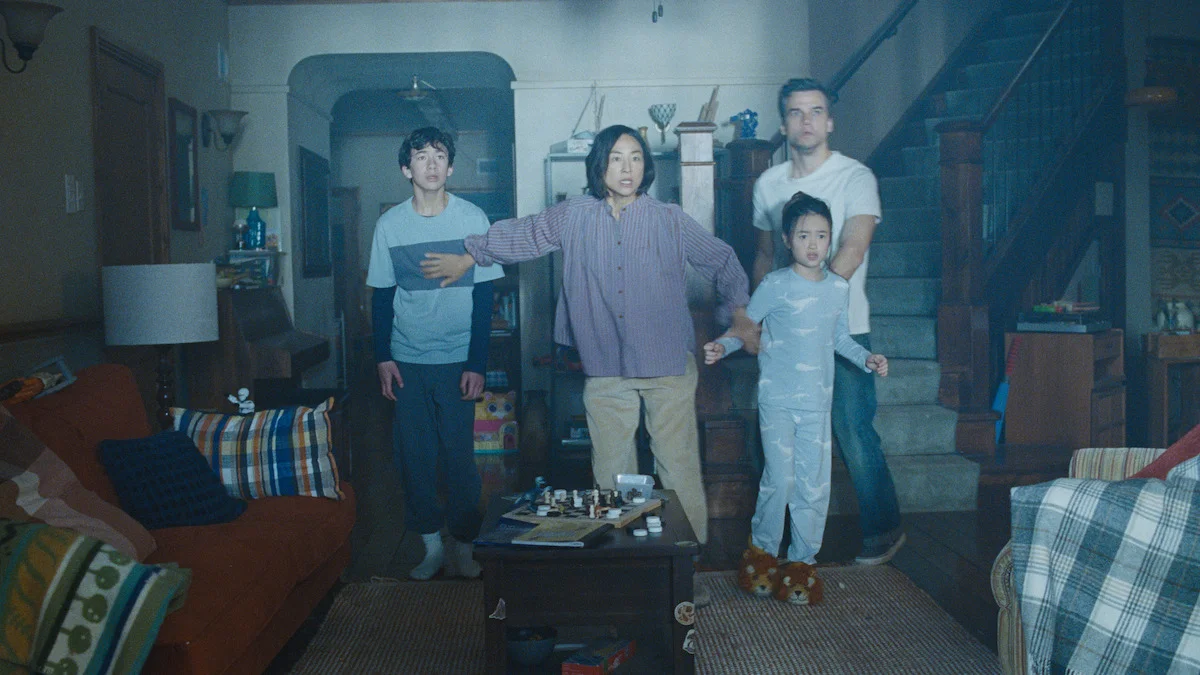
The strongest parallel is not the cause of the crisis. It is the sudden loss of normal life. Work, school, shopping, and casual contact disappear. Rooms that once felt comfortable start to feel smaller. Food becomes something to count. Time becomes difficult to measure, and every disagreement has to happen in the same shared space.
The film stretches that pressure over years, allowing the children to grow older while the house wears down around them. That is far beyond anything most families experienced during lockdown, but it takes one familiar fear and pushes it into nightmare territory: what if there were no reopening date and no official explanation coming?
It also understands an uncomfortable part of isolation. Home can be a refuge and a trap at the same time. Ann and Jason are safer together than they would be alone, yet the same walls protecting the family also remove their freedom. The movie does not need to mention masks, case numbers, or public rules for that conflict to land.
The parents and children also experience the confinement differently. Ann and Jason carry the responsibility of keeping everyone alive, while Ruth and Graham are growing up inside rules they did not choose. That tension feels more personal than a simple monster threat. The family cannot pause the children’s lives until the crisis ends, because nobody knows when — or whether — an ending will come.
Where the Lockdown Comparison Stops
The Last House is still a science-fiction survival thriller. Netflix describes the family as being held by a mysterious force, not a virus. Their problem is physical: the exits will not open, the windows cannot be broken, and something outside is keeping the neighborhood sealed.
Calling it a COVID movie would therefore go too far. Lockdown gives viewers an emotional reference point, not the movie’s full explanation. The story is interested in family survival, dwindling resources, fear of the unknown, and what long confinement can do to people. Those ideas existed before 2020, even if the shared experience now makes them feel more immediate.
A separate discussion has formed around how the movie looks. Our breakdown of why The Last House is being called AI-generated examines that reaction and the production evidence behind the film. The visual backlash and the lockdown reading are two different conversations, even though both begin with viewers responding to something that feels strangely familiar.
The House Was Built to Age With the Family
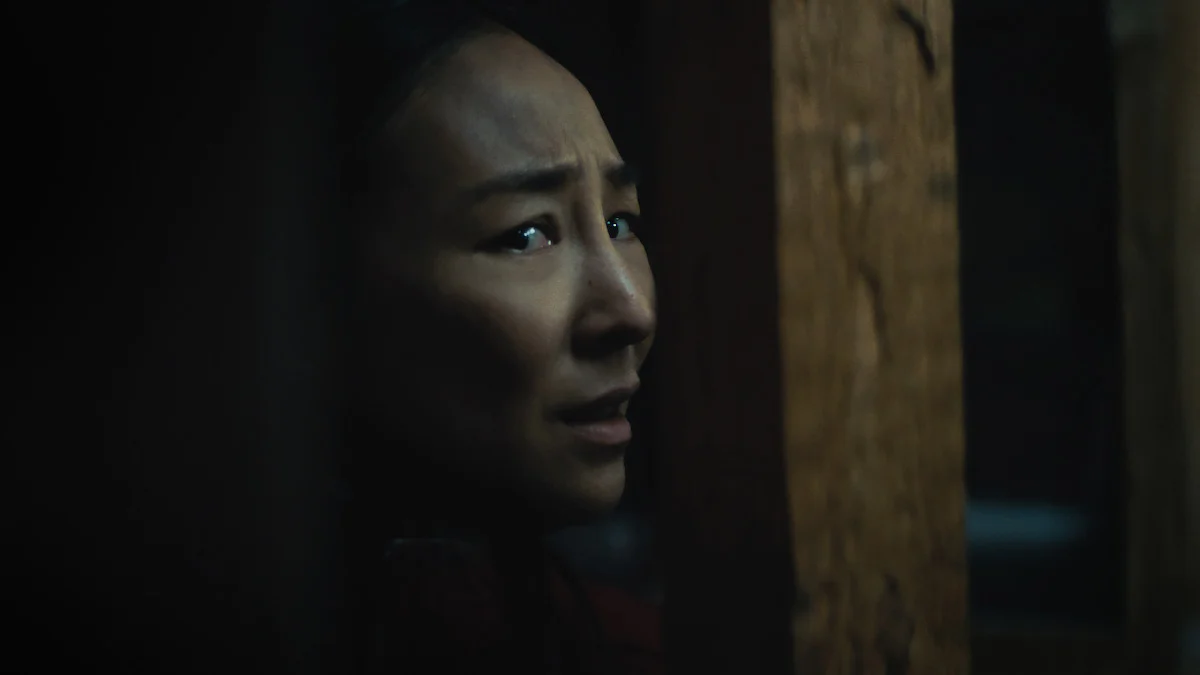
Netflix's official production feature says the crew designed the home as more than a static set. Appliances, furniture, toys, and other objects had to show years of use as the family’s confinement continued. Leterrier also wanted the house to feel ordinary before it became frightening.
That choice makes the 2020 comparison more effective. A haunted mansion already tells us to expect danger. A family kitchen, a child’s bedroom, or a living-room window should feel safe. Watching those normal spaces become barriers is what gives the premise its sting.
The official trailer feature also emphasizes that change in perspective: the home starts as shelter, then becomes the one place the family cannot escape. The production used practical elements and shot part of the movie on 35mm film to give the early domestic scenes a lived-in texture before the situation grows larger.
So, Is It Really About Lockdown?
Not literally. The plot has its own science-fiction answer, and the family’s ordeal lasts much longer than the real-world shutdowns that inspired the comparison. Still, Leterrier’s comments make the emotional link clear. He recognized the fear of being confined with no control over what happens next, then used that feeling as a way into Robinson’s story.
The Last House is now streaming on Netflix. Cast, runtime, and release details are collected on our The Last House movie page.