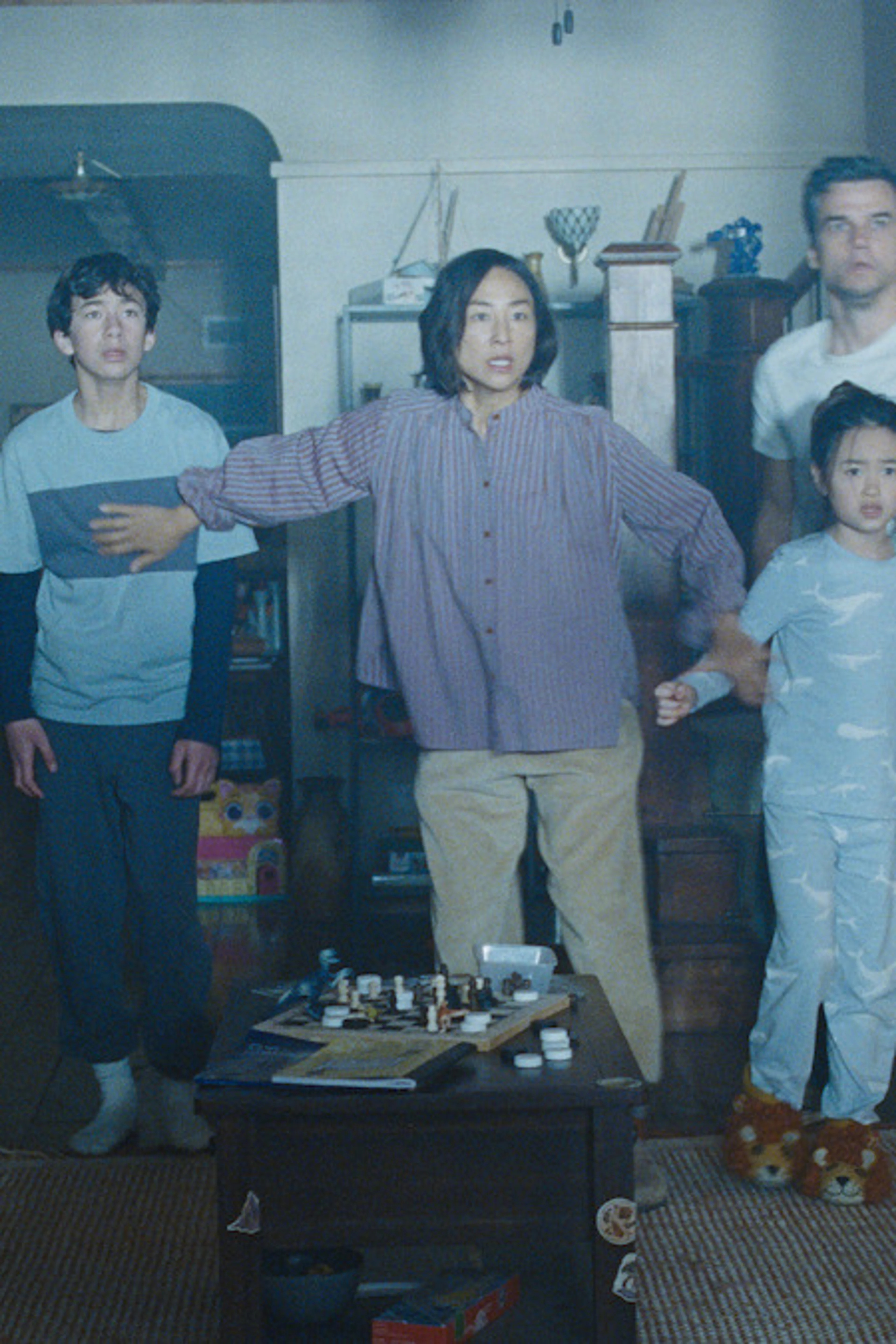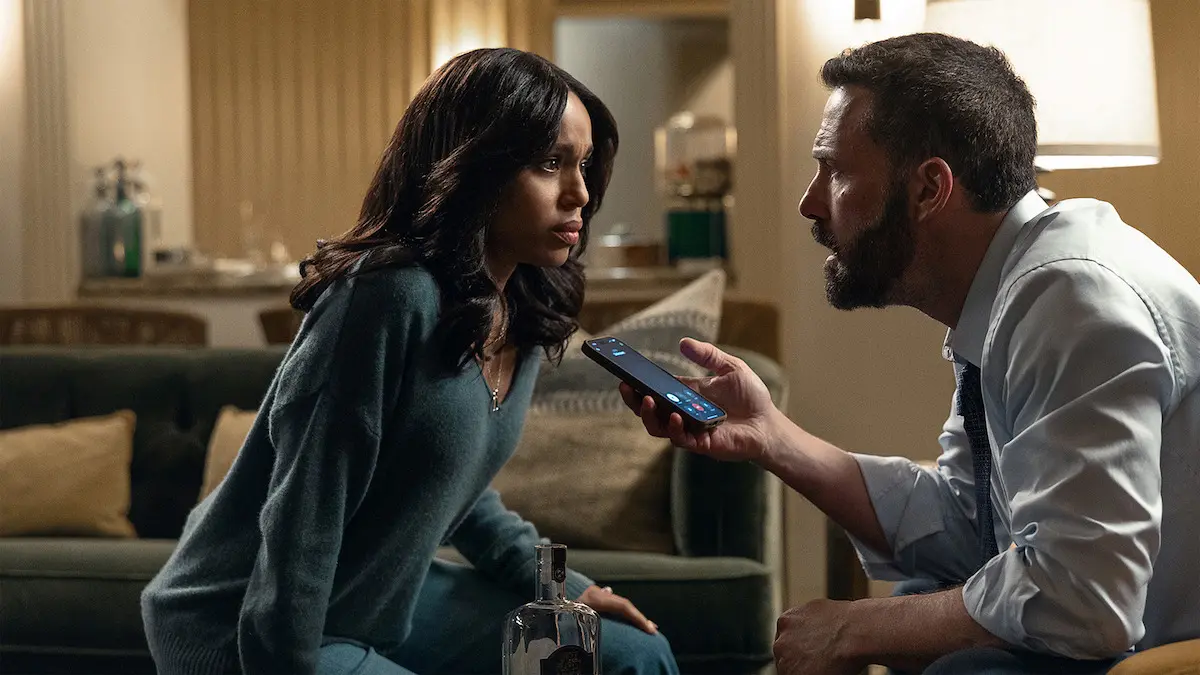
Last updated August 27, 2026. No verified evidence shows that generative AI wrote or generated Netflix's The Last House. Official credits name Matthew Robinson as screenwriter and Louis Leterrier as director.
One Threads post asking if the script was written by ChatGPT drew about 1,400 likes and nearly 200 replies. Other viewers tagged Netflix with the same question. The complaints kept returning to the dialogue, the acting, and images that looked strangely artificial.
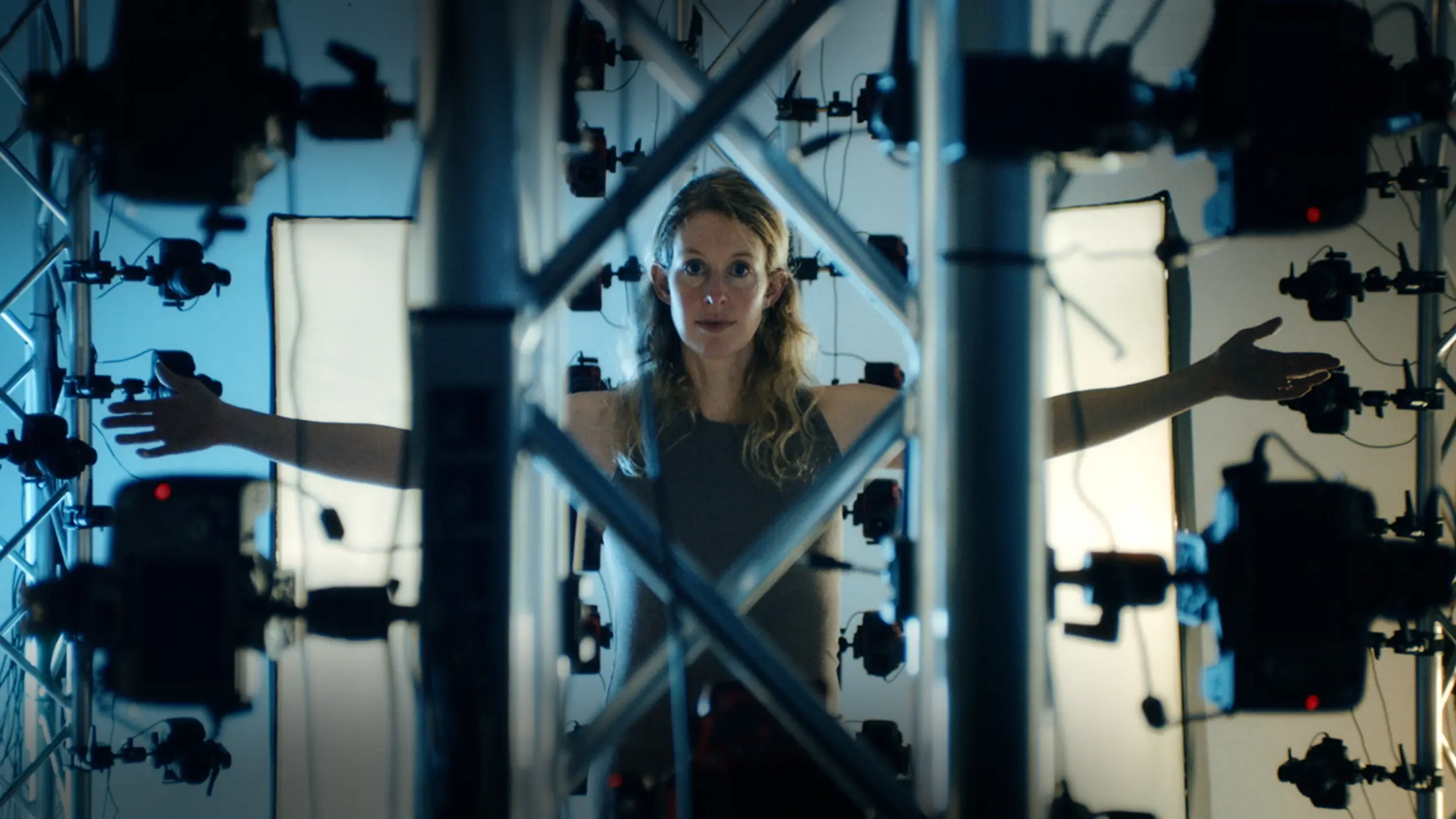
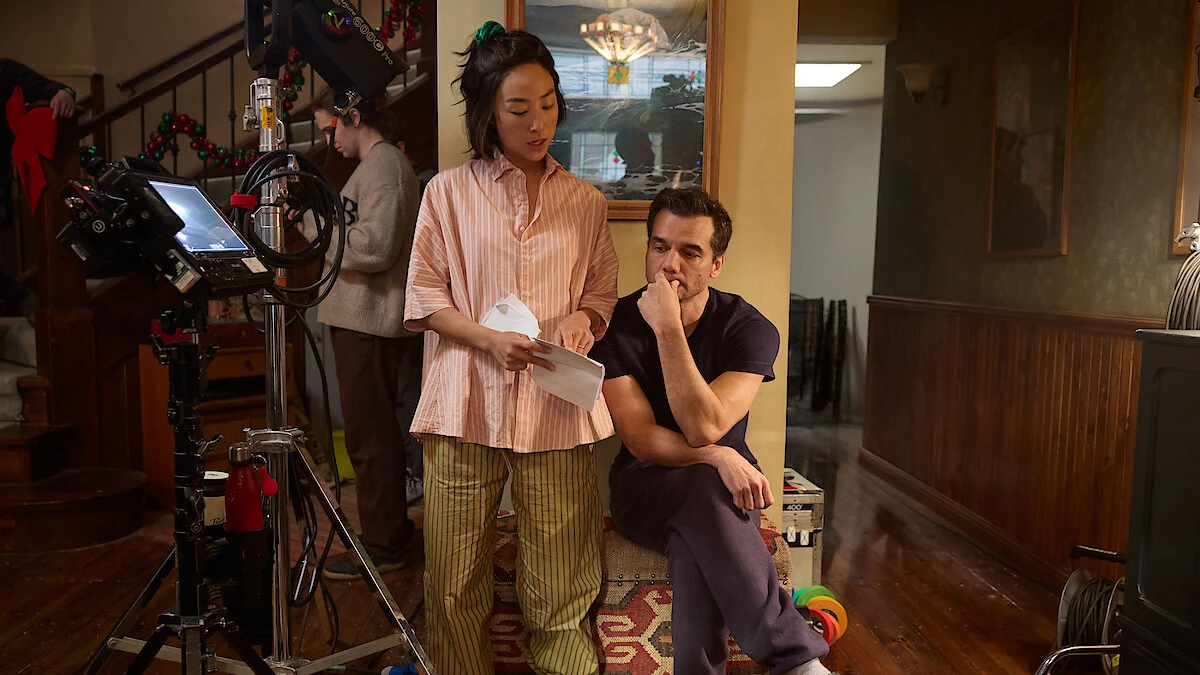
Netflix's production coverage documents a house set designed to age with the family, 35 mm photography for the first half, and practical effects whenever possible. Those facts do not prove that AI was absent from every post-production tool, but they do contradict the claim that the movie was simply generated.
The AI comparison describes how the finished movie feels to some viewers; it is not evidence of how the production was made.
What the production evidence confirms
- Credited creators: Matthew Robinson is credited as screenwriter, Louis Leterrier as director, and Netflix lists the cast and production team.
- Physical set: production designer Kevin Jenkins built a house that could visibly age and deteriorate with the family.
- 35 mm photography: Netflix says the first half was shot on film to give the home a more tactile, relatable texture.
- Practical effects: the crew chose an analog approach and relied on practical effects whenever possible.
The defensible answer is therefore not “AI was impossible.” It is that no verified evidence currently shows generative AI wrote or generated the movie, while the available production record documents substantial human and physical work.
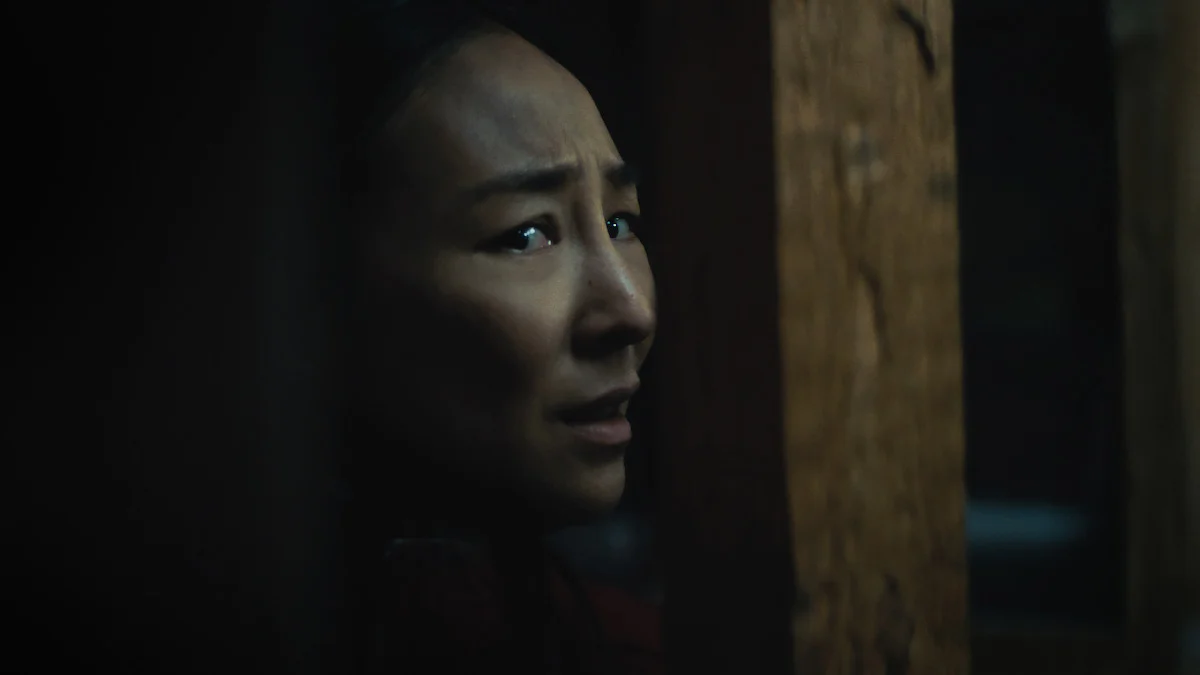
Still, the comparison caught on. For many viewers, "AI-generated" was not a literal claim about the production. It was the quickest way to say that the movie felt flat, overly processed, and oddly impersonal.
Why Viewers Say It Looks AI-Generated
The complaints cover nearly every part of the movie. Some scenes are dark and muddy, while others look heavily processed. The effects do not always blend naturally with the actors and practical sets. Faces can look unusually smooth, and the lighting sometimes makes the room and the people inside it look like separate images.
The dialogue has the same problem. Characters often explain what is happening, how they feel, or what the audience should understand. Instead of sounding like a frightened family under pressure, they sometimes sound as if they are reading information written for the viewer.
A dark image or a clumsy line does not prove that AI was used. But when the same problems keep appearing, the whole movie starts to feel less natural. That is what people are reacting to.
The Dialogue Is Taking Most of the Blame
The setup should be perfect for a tense thriller. A family wakes up and finds every exit sealed. Their supplies are limited, nobody explains what is happening, and they have no easy way to call for help. The early scenes get real tension from that idea.
The frustration starts when characters repeat information or speak in lines that are too direct. On Threads, people keep using ChatGPT as shorthand for dialogue that sounds generic, overexplained, or emotionally flat.
Calling it ChatGPT writing is harsh. Still, the Delgado family rarely feels as specific as it should. Their fear, anger, and habits need to make them believable. When the script gives them obvious lines instead, even strong actors have less to work with.
The Movie Used Real Sets, Film, and Practical Effects
Leterrier told The Hollywood Reporter that the crew built a real house with movable walls and a ceiling that could be lifted. They also built a neighborhood on a soundstage. The garden, rain, and animals were real, according to the director. He called it the most difficult movie of his career.
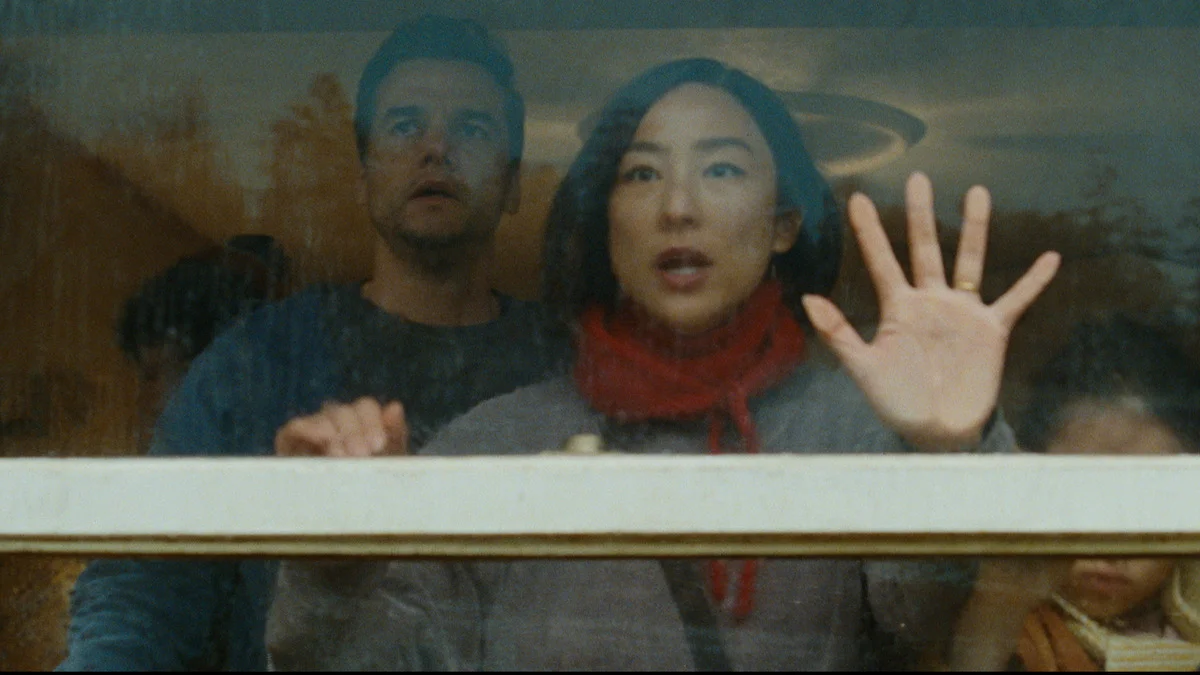
Those sets may have been real, but that does not guarantee a natural-looking final image. Lighting, color, visual effects, and the change in cameras can all make a practical set look artificial by the time the movie reaches Netflix.
The first half was shot on 35mm film with spherical lenses. Later, the production switched to digital cameras with wider anamorphic lenses. Leterrier wanted the movie to start as a smaller family story and look bigger as the situation changed.
Whatever viewers think of the finished movie, the production was not a quick digital shortcut. A large crew built, lit, filmed, and performed it.
The camera switch may explain some of the visual inconsistency. It was a deliberate choice, but the change is easy to notice.
35mm film has visible grain and a softer texture. Digital footage can look much cleaner and sharper, especially after effects and color work are added. That contrast helps the movie grow in scale, but it can also make the later scenes feel disconnected from the first half.
TV settings and streaming compression can make that contrast even stronger at home. They do not explain every complaint, but they may be part of the reason some real sets look less convincing on screen.
Why the AI Label Stuck
I would not call The Last House an AI movie without evidence. The credits name a writer, and the director has described the difficult physical work completed by a large crew. Those people deserve credit for what they made.
But I understand why the accusation spread. There is real talent in front of and behind the camera, yet too many scenes feel generic, overprocessed, or emotionally distant. Greta Lee and Wagner Moura are capable of much better work than the script often gives them.
When viewers say a movie "looks like AI," they are not always making a serious claim about how it was produced. The phrase has become an insult for dialogue that feels generic, images that look unnatural, and stories with too little personality.
The credited writer and documented sets, film cameras, and practical effects establish how substantial parts of the movie were made. They do not establish whether every production tool was free of generative AI. Criticism of the finished movie is a separate question.
The movie has also started another debate: is the sealed house a reference to the pandemic? We looked separately at the connection between The Last House and the 2020 lockdowns, including what the director has said about it.
For the confirmed cast, release details, and spoiler-free story setup, visit our The Last House movie page.
My criticism is that the dialogue and processed images often make the family feel less believable. That is a judgment about the finished movie, not evidence that it was generated with AI.