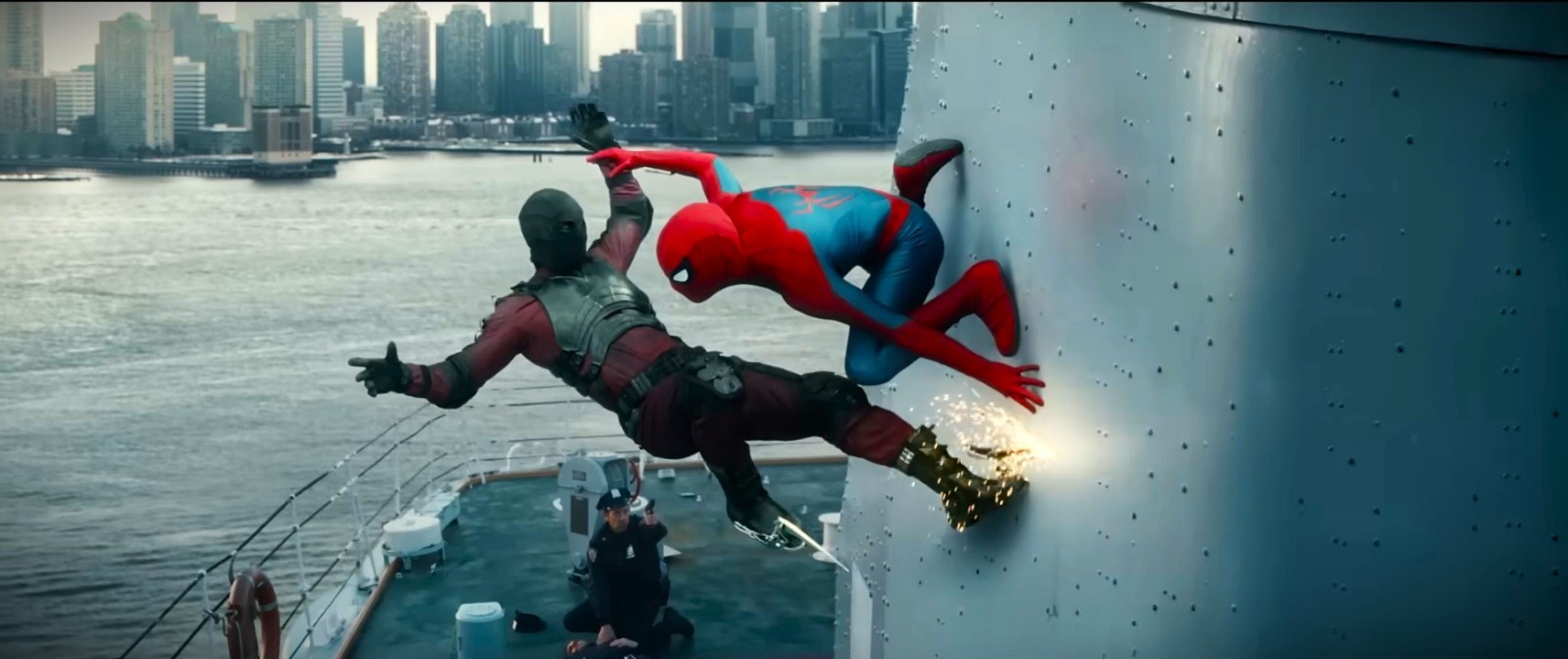
Spider-Man: Brand New Day has put Peter Parker in front of Hulk, and the image instantly changes the scale of the movie. Deadline covered the trailer’s first look at Mark Ruffalo back as Hulk, while SlashFilm noted the footage of Spider-Man facing off against him; the fun of that setup is also the danger, because a Spidey story can get swallowed whole when the threat starts punching at Avengers weight.
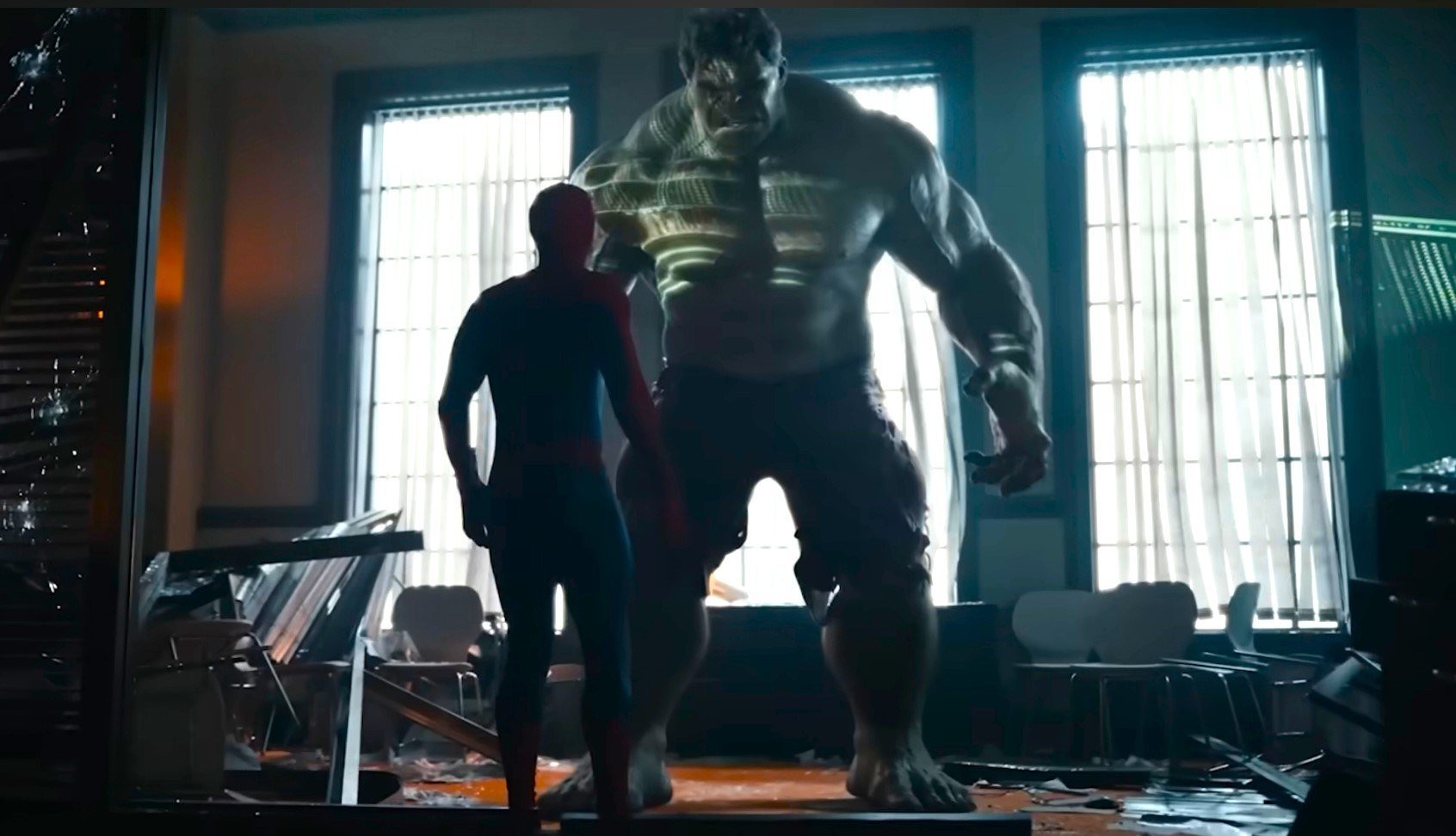
Peter’s best stories usually work because he looks breakable. He is quick, clever, stubborn, and frequently outmatched, but the audience still expects a Spider-Man movie to keep one foot near the pavement. A Hulk fight pushes the character toward a different temperature. It is not just a bigger opponent. It is a statement about how much pressure Brand New Day wants to put on Peter and how far the movie is willing to stretch the idea of a neighborhood hero.
The immediate appeal is obvious. Hulk gives the trailer a clean, blunt spectacle beat: small, agile Spider-Man against a green wall of force. On a pure moviegoing level, the contrast is hard to beat. Spider-Man’s comedy and panic play naturally against Hulk’s mass and volatility, and the physical mismatch can make Peter look more inventive instead of merely powerful. If the film uses the fight that way, Hulk is not there to make Spider-Man look smaller. He is there to remind viewers why Peter is interesting when the odds are ridiculous.
The risk sits right next to the appeal. A Spider-Man film can become less distinct when it borrows too much of the larger Marvel vocabulary. The character does not need the biggest battlefield to matter. He needs a problem with a human cost, a city that feels close enough to touch, and stakes that make his choices sting. A Hulk appearance can sharpen all of that if it throws Peter into chaos he cannot simply punch through. Used carelessly, it can also make Brand New Day feel like another stop on a wider superhero itinerary.
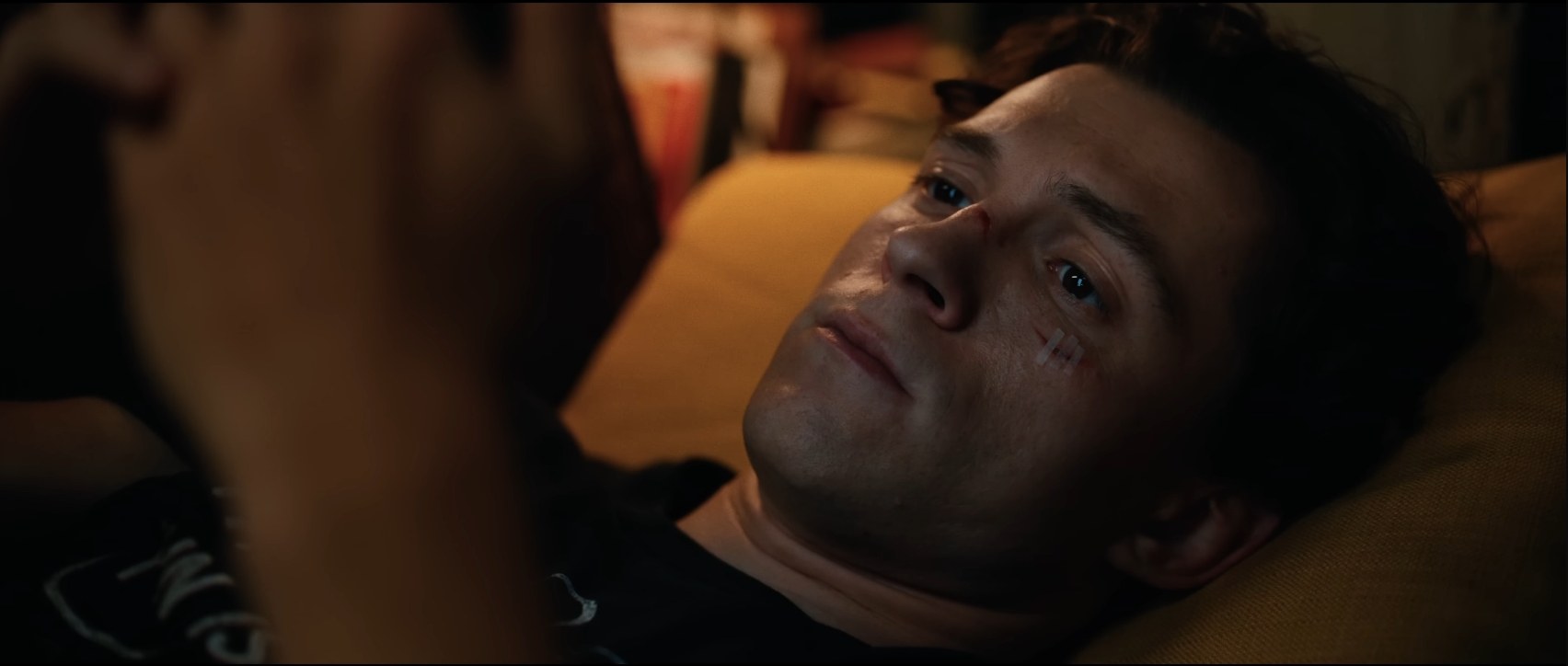
Brand New Day’s title already invites a read about reset, pressure, and starting over, but the trailer detail being discussed points to a more aggressive version of that idea. Peter is not being eased back into a familiar rhythm. He is being thrown at a problem outside his usual weight class. Pixel Twelve’s read is not that the movie has revealed its full shape, because the available coverage does not support that. The sharper interpretation is that the marketing wants audiences to see a Spider-Man who may not have the luxury of fighting on familiar terms.
Hulk also changes the conversation around Mark Ruffalo’s place in the movie. Deadline’s coverage centers on the trailer offering a first look at Ruffalo as Hulk in Brand New Day, and that matters because his presence brings a lot of Marvel history into the frame without the trailer needing to explain much. The character arrives with scale built in. Viewers understand, instantly, that this is not a regular alleyway problem. The movie then has to earn why Spider-Man belongs in that fight, not simply enjoy the shock of putting the two characters on screen together.
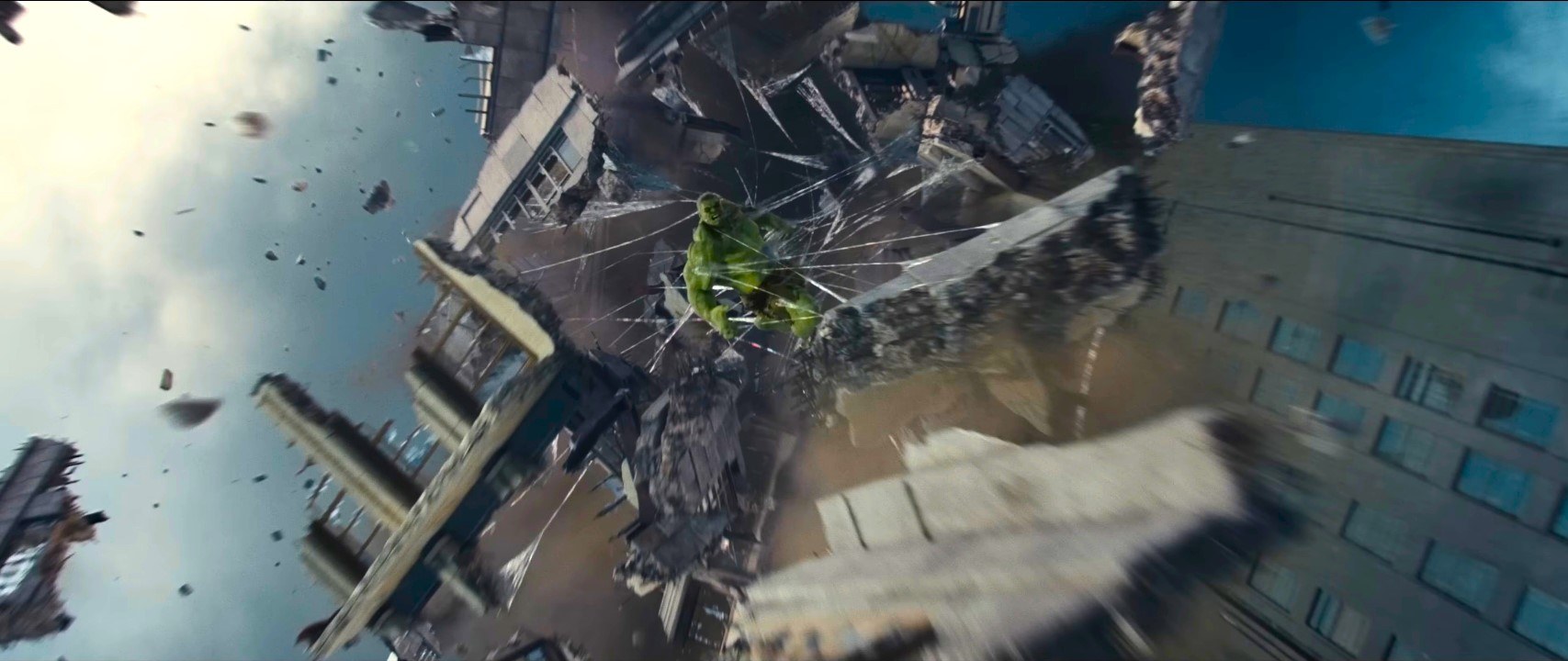
There is a productive fan argument here, even without pretending the trailer answers every question. Some viewers will want Brand New Day to stay lean, personal, and recognizably Spidey-sized. Others will see the Hulk clash as exactly the kind of stress test Peter needs after years of Marvel movies training audiences to expect crossovers and escalating spectacle. Both instincts make sense. Spider-Man is durable enough to survive a larger canvas, but the movie still has to protect the scrappy perspective that makes Peter feel like Peter.
The smartest version of this fight would not be a power contest. Peter cannot out-Hulk Hulk, and Brand New Day should know that. The more interesting angle is problem-solving under panic: webbing, movement, timing, damage control, and a hero trying to stop a disaster without becoming the biggest force in the room. A Spider-Man story gains tension when Peter wins by thinking faster than everyone else, not when he starts operating like the strongest person on the board.
For Marvel, the trailer beat also reads like simple audience math. Spider-Man remains one of the cleanest audience magnets the studio has, while Hulk brings recognition and brute-force curiosity. Putting them together gives Brand New Day an easy conversation starter. The question is whether the movie uses that conversation to deepen Peter’s corner of the MCU or to blur it. Crossovers can be seasoning or they can become the whole meal, and Spider-Man is a character who suffers when the recipe forgets the street-level flavor.
Brand New Day does not need Hulk to prove Spider-Man is important. The trailer’s fight works best as a warning sign for Peter, not a trophy for the movie: the next problem is bigger than he is, and he may have to survive it before he understands it. If the film keeps that imbalance in focus, Spider-Man fighting outside his weight class could be more than a flashy trailer image. It could be the point of the whole swing.