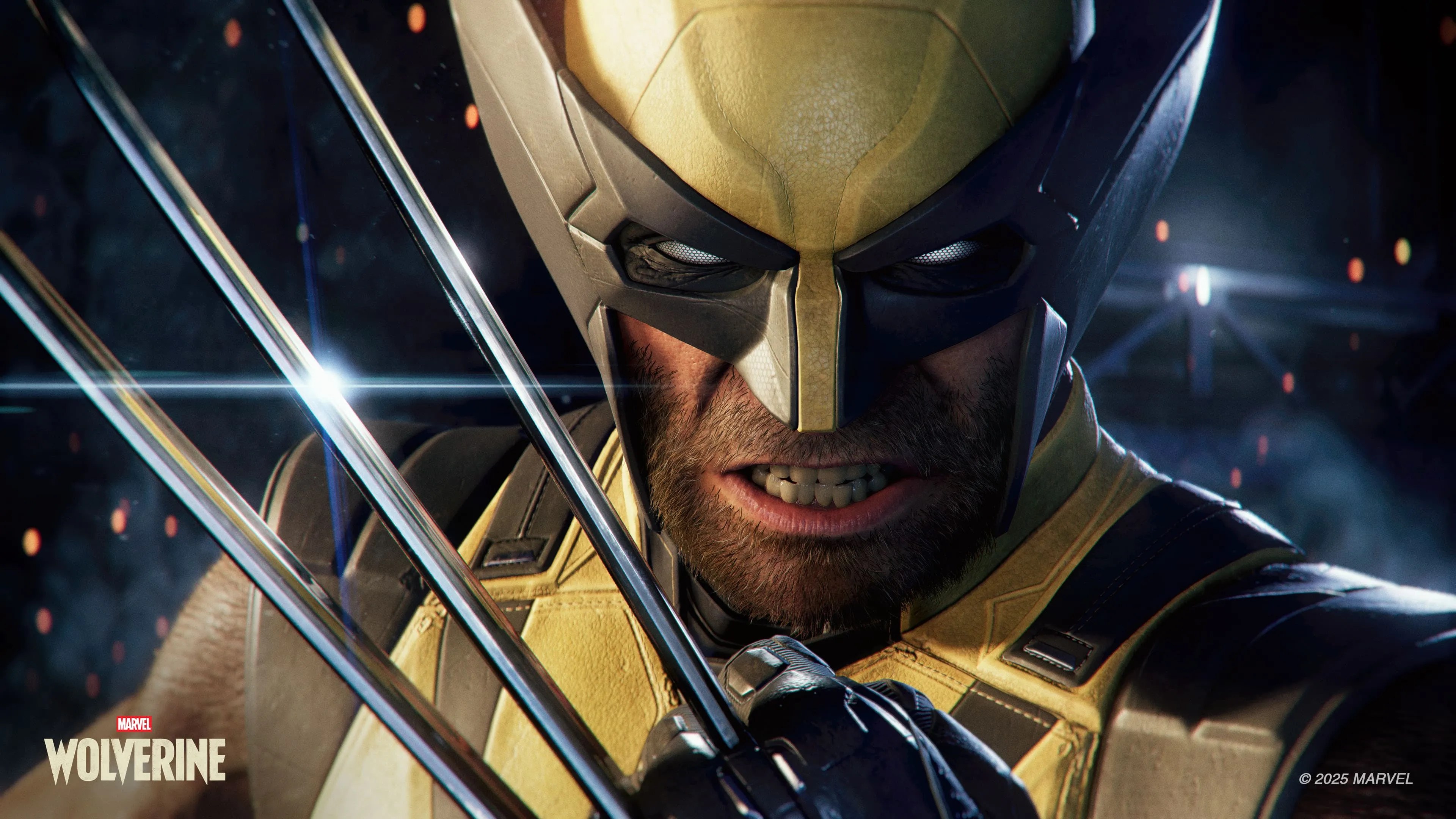
Why Marvel’s Wolverine Needs to Be More Than Spider-Man With Claws
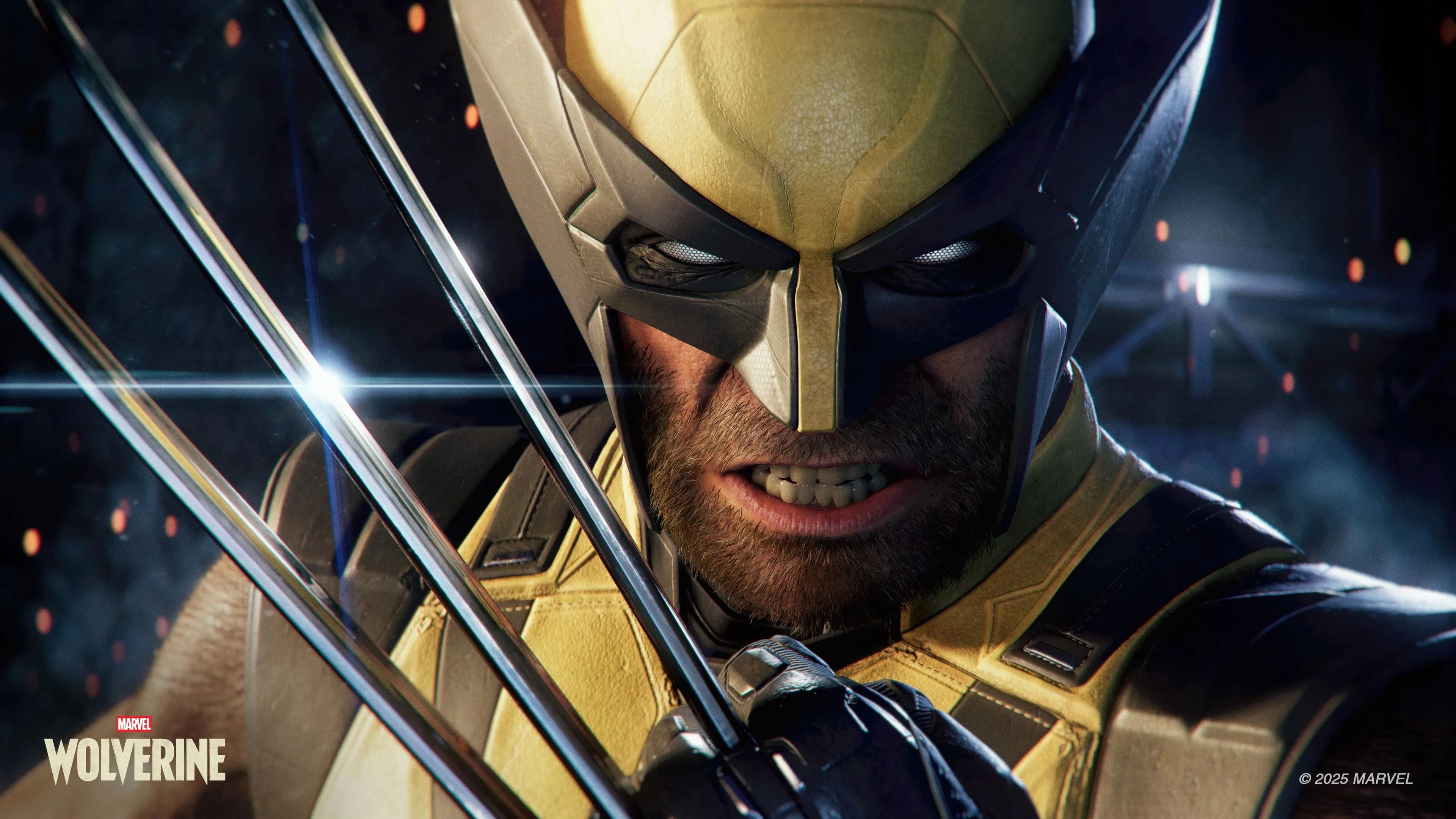
Marvel’s Wolverine has an official PlayStation page, and that already puts real pressure on Insomniac.
This cannot just be Spider-Man with claws, darker lighting, and more anger. Wolverine needs his own identity. The big question is simple: will this game actually feel different to play?
That matters because Insomniac is now closely tied to Marvel’s Spider-Man in the minds of many players. The studio proved it can build a superhero game around movement, speed, momentum, and style.
But Wolverine is a completely different kind of hero.
Spider-Man is about freedom, vertical movement, and making chaos look smooth. Wolverine is about force. He is about rage, durability, close-range violence, and the feeling that every fight is personal.
That is why fans are already watching this game carefully.
The easy version of Marvel’s Wolverine would be obvious: take a familiar superhero game structure, add claw attacks, make the tone darker, and call it mature. That might look good in a trailer, but it would miss the point of the character.
Wolverine is not just a more violent superhero skin.
The fantasy is not “what if Spider-Man hit harder?” The fantasy is: what if the main character is a brutal fighter who can take punishment, push forward, and make every encounter feel heavy?
To be clear, PlayStation’s official page does not answer the biggest design questions yet. It does not tell us exactly how combat works, how missions are structured, how traversal feels, or how dark the story will be.
The official fact is simple: Marvel’s Wolverine is an official PlayStation game tied to Marvel, with Insomniac carrying major expectations.
The discussion around it is the interesting part.
The first major test is combat.
The question is not just whether the game will be violent. The better question is whether Wolverine will feel heavy enough. Spider-Man works because he is fast, fluid, and constantly moving. Wolverine needs a different rhythm.
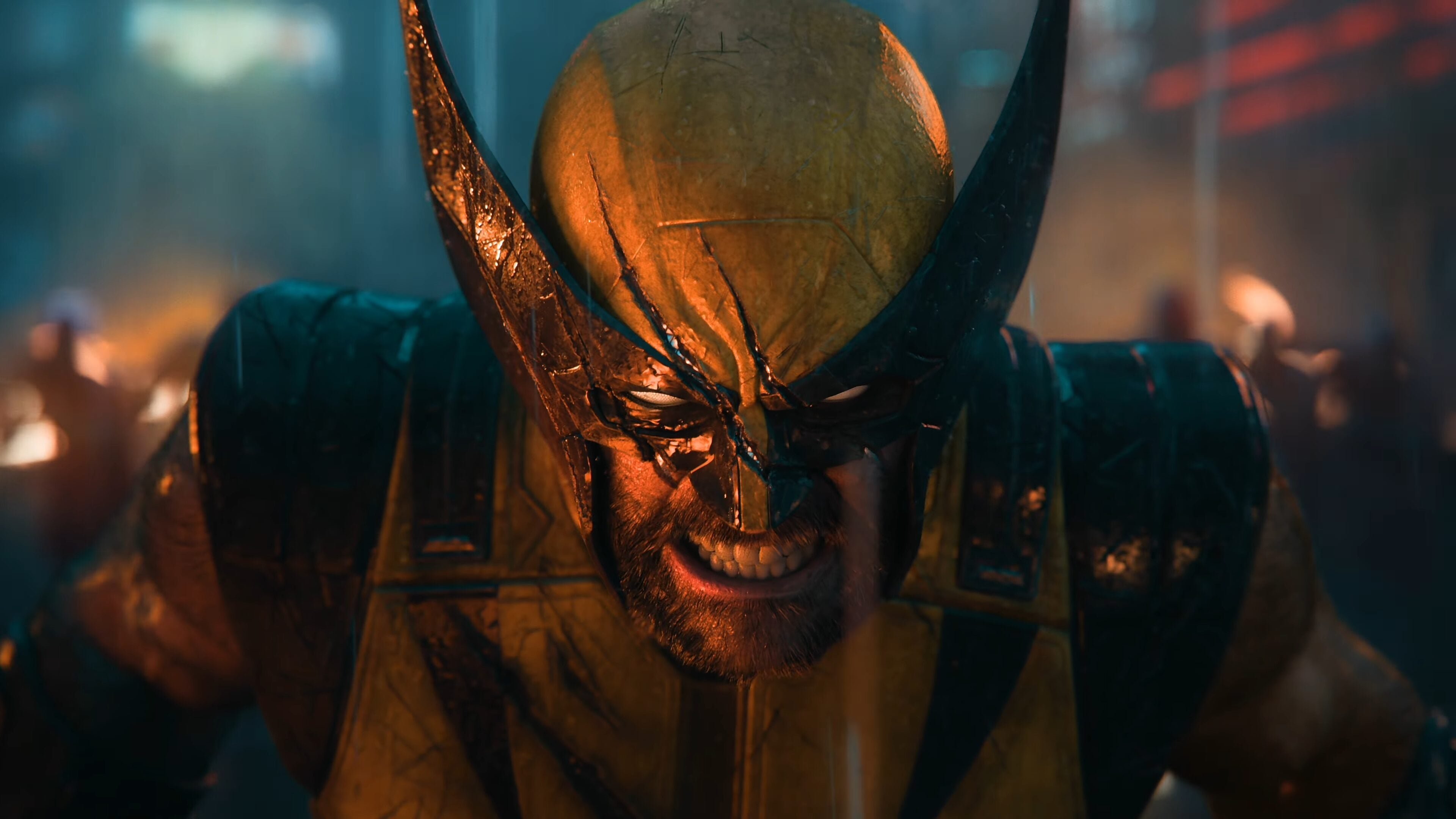
If Logan feels too floaty, too clean, or too much like a standard arena-clearing superhero, the game could lose what makes him special. He does not need to feel slow or awkward, but he should feel committed. Every attack, recovery, and takedown should sell the idea of a body built for impact.
Traversal is another challenge.
Insomniac’s Spider-Man games are famous for movement. Swinging through the city is part of the fantasy. Wolverine cannot compete with that in the same way, and he should not try to.
Logan does not need speed in the sky to feel exciting. His game should build tension through pressure, positioning, danger, and the brutal satisfaction of closing the distance. The fun should come from stepping into a fight, surviving it, and making every enemy regret being in the room with him.
That same specificity needs to carry into the tone.
“Darker” cannot just mean more blood, heavier shadows, or more serious dialogue. Logan works because he is messy: damaged, loyal, violent, tired, funny, cruel, and sometimes terrifying.
The game does not need to constantly remind players that it is mature. It needs to understand Wolverine specifically.
That is why the fan concern is not really anti-Insomniac. It is the opposite. Players expect more because Insomniac has already shown that it understands superhero fantasy at a systems level.
With Spider-Man, the movement, combat, and personality all worked together. The player did not just control Spider-Man. The whole game was built around making players feel like Spider-Man.
With Wolverine, fans will expect the same level of character-specific design.
That expectation is also a burden.
Polish alone will not be enough. If Marvel’s Wolverine feels like a familiar superhero formula with claws added on top, it misses the point. The game needs to prove that Logan has his own rhythm, his own tone, and his own kind of power.
This is also bigger than one game.
Marvel’s Wolverine sits next to Insomniac’s Spider-Man games in PlayStation’s Marvel lineup. If Wolverine feels truly distinct, it shows that Insomniac can handle very different Marvel heroes with different tones and gameplay styles.
But if it feels too similar, the darker direction could start to look like a paint job instead of a real creative shift.
For now, the smartest way to look at Marvel’s Wolverine is not as pure hype, but as a game with big questions around it.
The official PlayStation page confirms the project exists as a major PlayStation-Marvel title. But it does not answer what will define the game.
The next important thing to watch is not just another trailer. It is how Insomniac shows combat weight, movement, mission structure, and tone.
Marvel’s Wolverine does not need to outrun Spider-Man.
It needs to make players stop comparing the two once the claws come out.