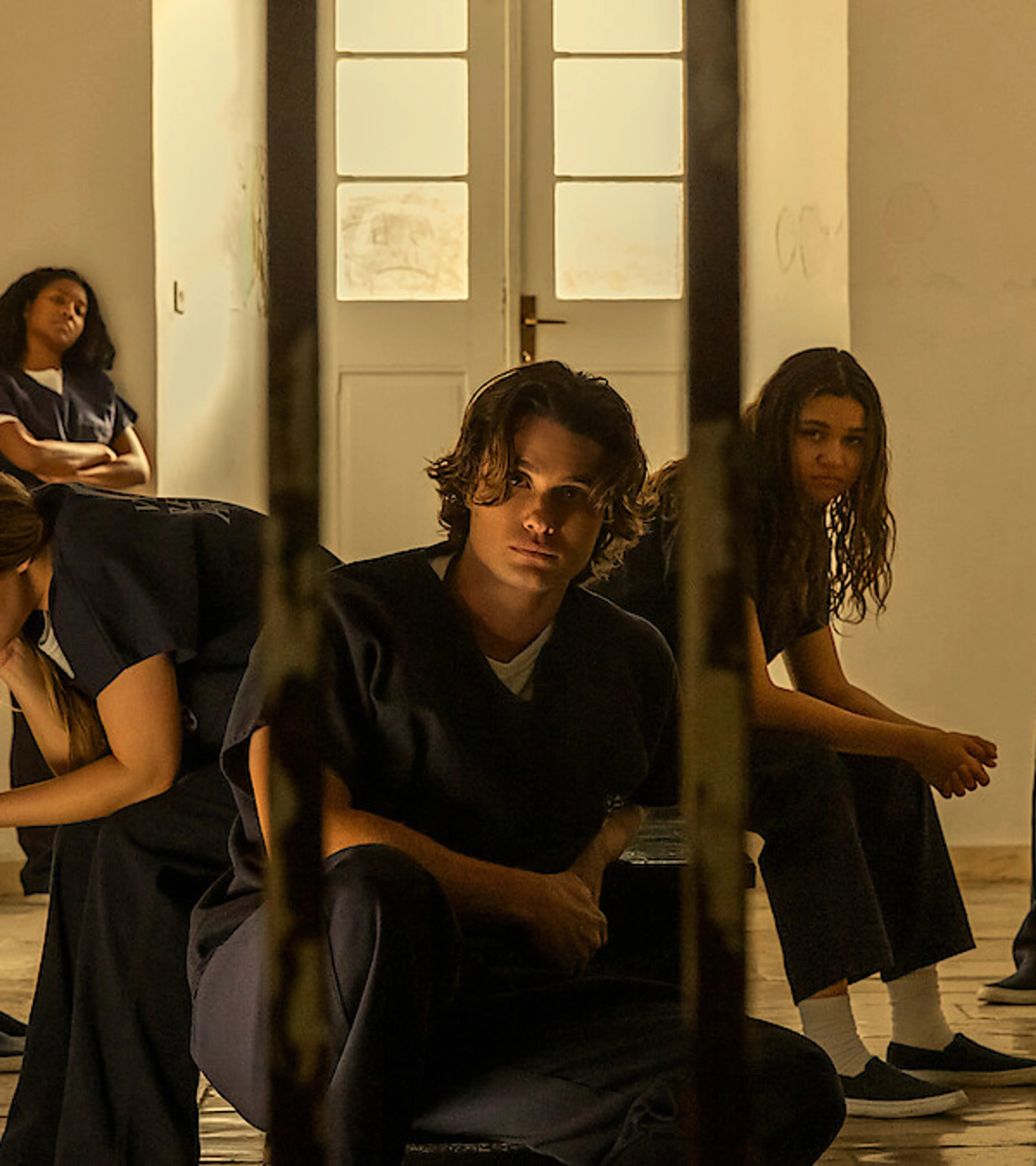
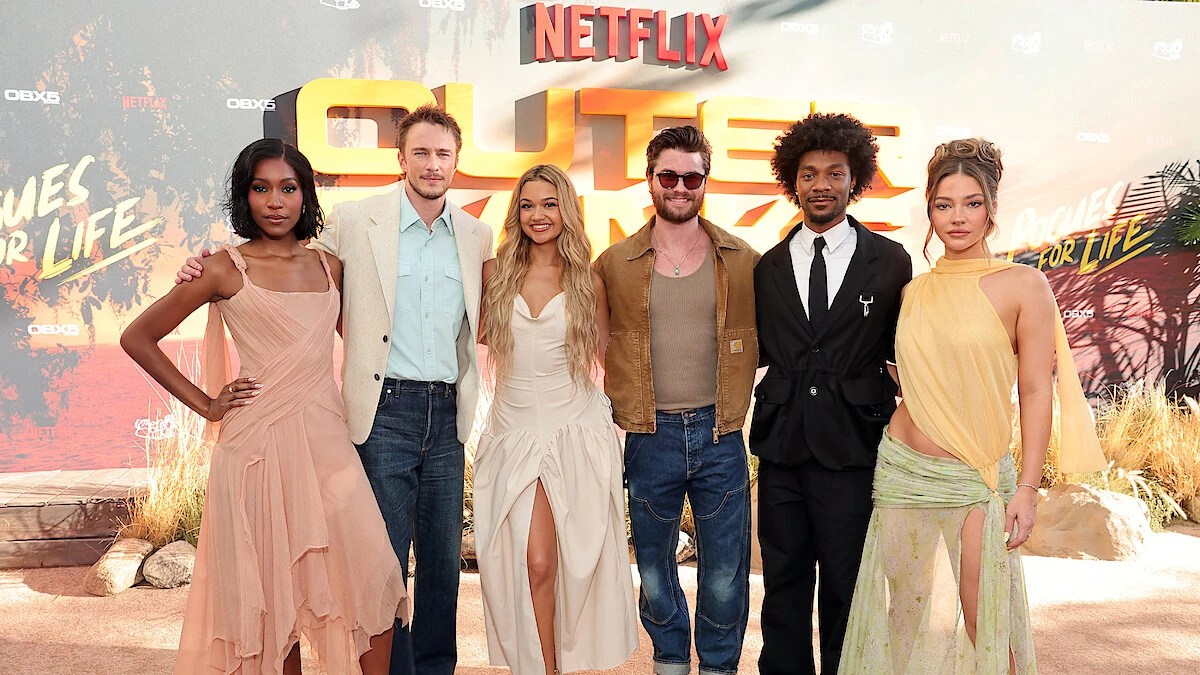
Five seasons of Outer Banks began with auditions that did not feel historic to the actors walking into them. At a Los Angeles farewell event, Chase Stokes, Madelyn Cline, Madison Bailey, Jonathan Daviss, Carlacia Grant, and Drew Starkey looked back at those first chances — and at the friendship that survived every treasure hunt.
Netflix’s event recap, published August 18, combines a cast conversation with fan memories and a final-season celebration. The most revealing answers are not about predicting what comes next. They are about how the performers found their characters, what they carried away from set, and why the word “Pogue” now belongs to the cast as much as the story.
The auditions were smaller than the future waiting outside them
The cast remember the early auditions as a mix of opportunity and uncertainty. No one could guarantee that the show would last, much less become a five-season part of their lives. They were focused on making individual choices convincing enough to earn another room, another reading, or the role itself.
Stokes and Cline had to make John B and Sarah’s connection feel immediate without flattening the class divide and family pressure around them. Bailey and Daviss helped establish the lived-in rhythm between Kiara, Pope, and the rest of the Pogues. Starkey’s Rafe needed volatility without becoming predictable. Grant joined later as Cleo and had to feel like someone with her own history, not simply an addition to an established group.
Looking back together reveals how those separate auditions became an ensemble. The chemistry fans recognize was not one performance discovered fully formed; it grew through years of shared scenes, physical production, and trust.
The props they kept tell smaller stories
When the conversation turns to objects from the set, the answers become specific and playful. Costumes and props can look disposable from outside a production, but actors handle them through repeated takes until they become tied to the physical memory of a character.
The cast’s admissions about items that followed them home feel less like a grand archive and more like a group of friends comparing souvenirs. That scale is exactly what makes the detail work. A kept object can represent a scene, a joke, or the daily routine of becoming the same character for another season.
Those objects also mark the end of a production differently from an official poster or trailer. The show belongs to viewers on screen, but the cast remember its weight through clothes, vehicles, props, weather, and places they had to inhabit together.
Advertisement

The private jokes became part of the public chemistry
The farewell conversation is full of people finishing one another’s memories. The cast tease, correct, and prompt each other in ways that mirror the ensemble energy viewers associate with the Pogues.
That does not mean actor and character are interchangeable. It means the performers built a working relationship strong enough to support the show’s central promise: this group will keep choosing one another even after the plan has gone wrong.
Netflix’s recap keeps the private jokes light, but their function is clear. They show a cast with a shared language formed outside the finished episodes. Audiences see the result in the timing of a scene; the event lets them glimpse the familiarity underneath it.
“Pogues for Life” works as a cast farewell
The event closes around the phrase “Pogues for Life.” In the series, being a Pogue is connected to class, place, loyalty, and the group’s refusal to abandon one another. At the farewell, the phrase becomes a compact description of what the actors are taking with them.
It is not a promise of another season or a disguised casting announcement. It is a statement about the bond created by the work already completed. The six actors can leave the sets and props behind without pretending the experience was temporary.
That makes the farewell feel less like a promotional ending and more like a cast taking inventory. The auditions opened one door. The kept props preserve fragments of the years that followed. The private jokes prove how much life existed between scenes.
For viewers, the final episodes complete the adventure. For the actors, the event makes a different ending visible: six performers looking at the people they met near the start and recognizing that they are still a group.