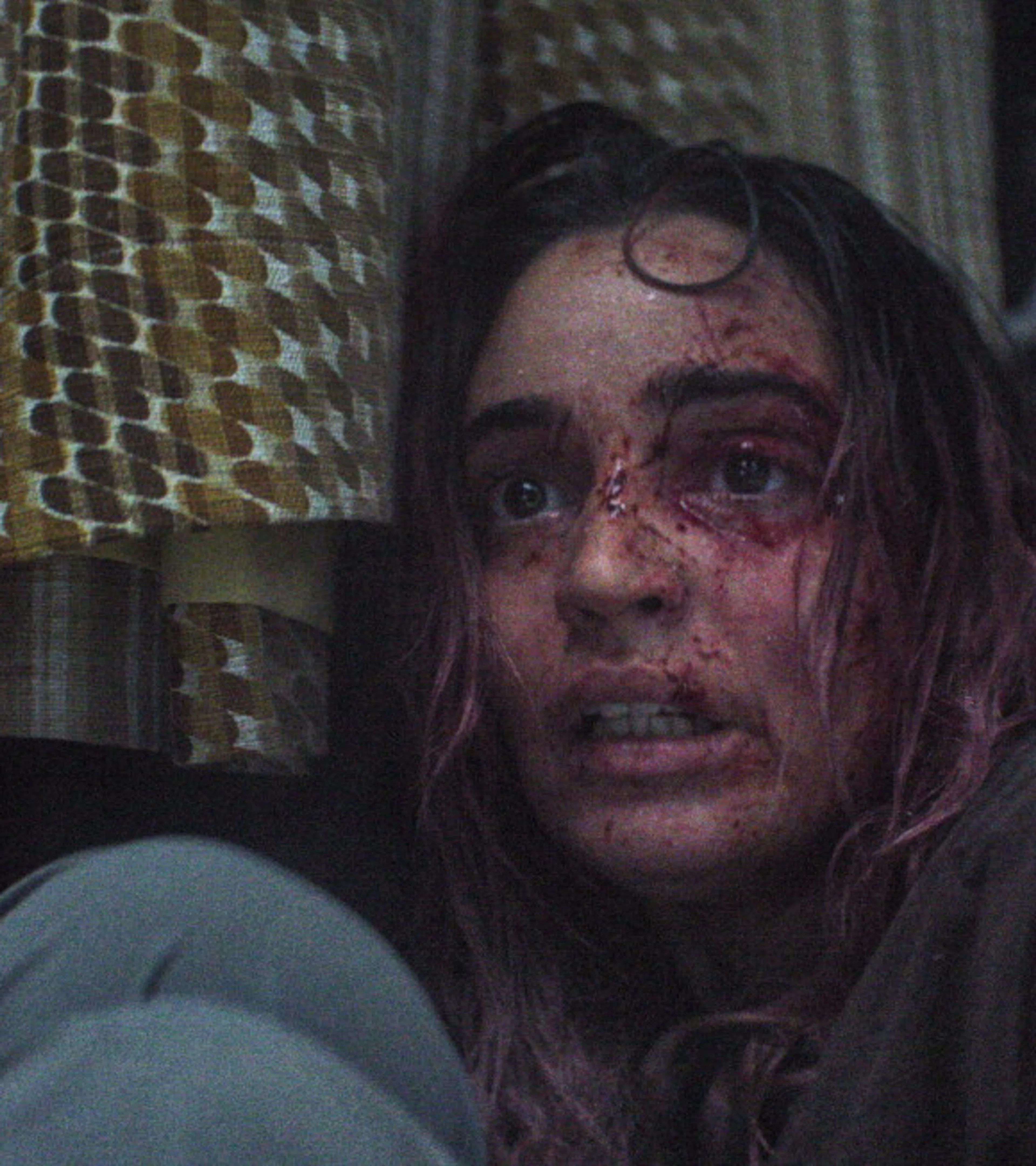
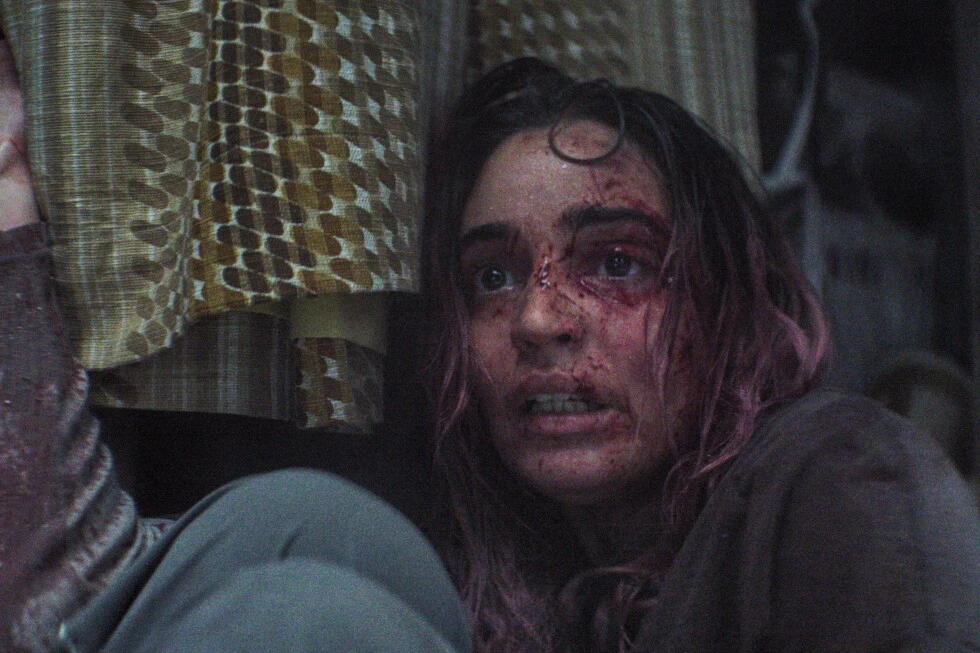
Evil Dead Burn is walking into theaters with the kind of split reaction horror fans actually argue about. Not a boring split where one side says it is good and the other says it is bad, but a more useful one: how brutal can Evil Dead get before it stops feeling like Evil Dead?
The question landed hard in the last 24 hours as reviews started circling the new film ahead of its July 10 U.S. and U.K. release. The setup is familiar enough for the franchise to feel like home: a family gathering, buried resentment, and Deadites turning a private nightmare into something loud and physical. The difference is the temperature. Director Sebastien Vanicek, coming off Infested, seems to be pushing the series toward a meaner, more punishing kind of horror.
For some critics, that push is exactly the point. The Daily Beast praised Burn as a return to the franchise's gory-and-funny roots, while The Guardian saw a movie that comes closer than the other post-Raimi entries to finding its own shape, with technical swings and enough dark humor to keep the brutality from becoming flat. Those reactions make the movie sound like a nasty crowd movie, the kind horror fans dare each other to see as soon as possible.
AP came away with the opposite warning, arguing that the film goes so far into brutality that it loses the humor, artistry, and spark that made earlier Evil Dead movies more than a pileup of punishment. It is a serious complaint because Evil Dead has never been only about gore. The original appeal was the feeling that the movie might jump out of its own skin at any second. When the chaos is funny, disgusting, and inventive at the same time, the franchise sings. When one piece takes over, fans notice.
Advertisement

The Debate Is Really About Which Evil Dead You Want
The series now has two audiences living under the same cabin roof. One side grew up on Sam Raimi's elastic-camera mayhem, Bruce Campbell's battered bravado, and the slapstick nightmare logic of Evil Dead 2 and Army of Darkness. Another side connects more with the harsher modern run, where the 2013 film and Evil Dead Rise treated possession like a family trauma machine. Burn appears to shove those versions into the same room and let them fight.
The split becomes more useful than a simple score. A fan who wants the franchise to feel dangerous again may hear too much and immediately buy a ticket. A fan who misses the lunatic joke rhythm may see the same complaint as a red flag. Horror is one of the few genres where a negative review can still work like a challenge. If the movie is being described as relentless, a chunk of the audience will want to test that for themselves.
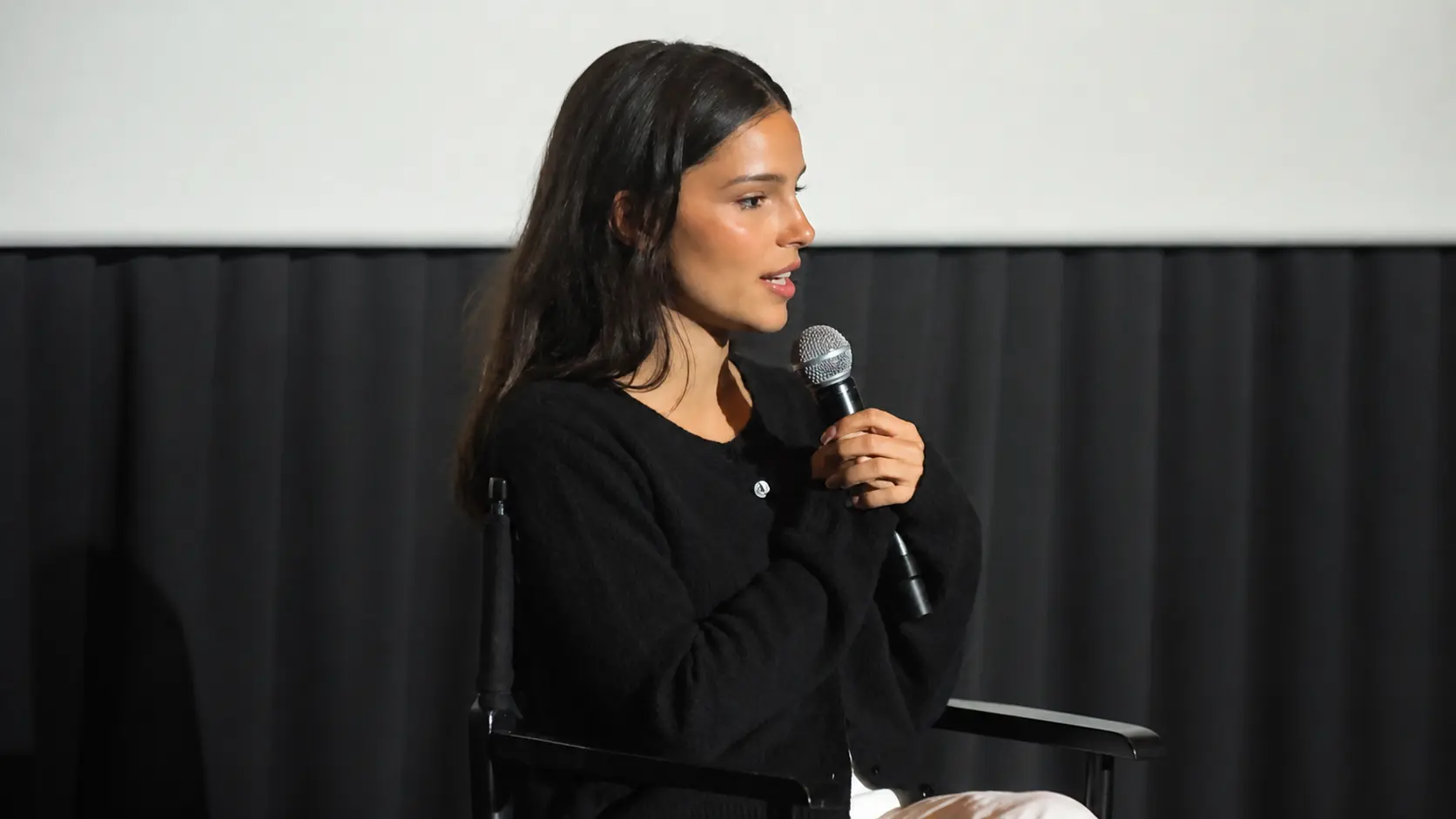
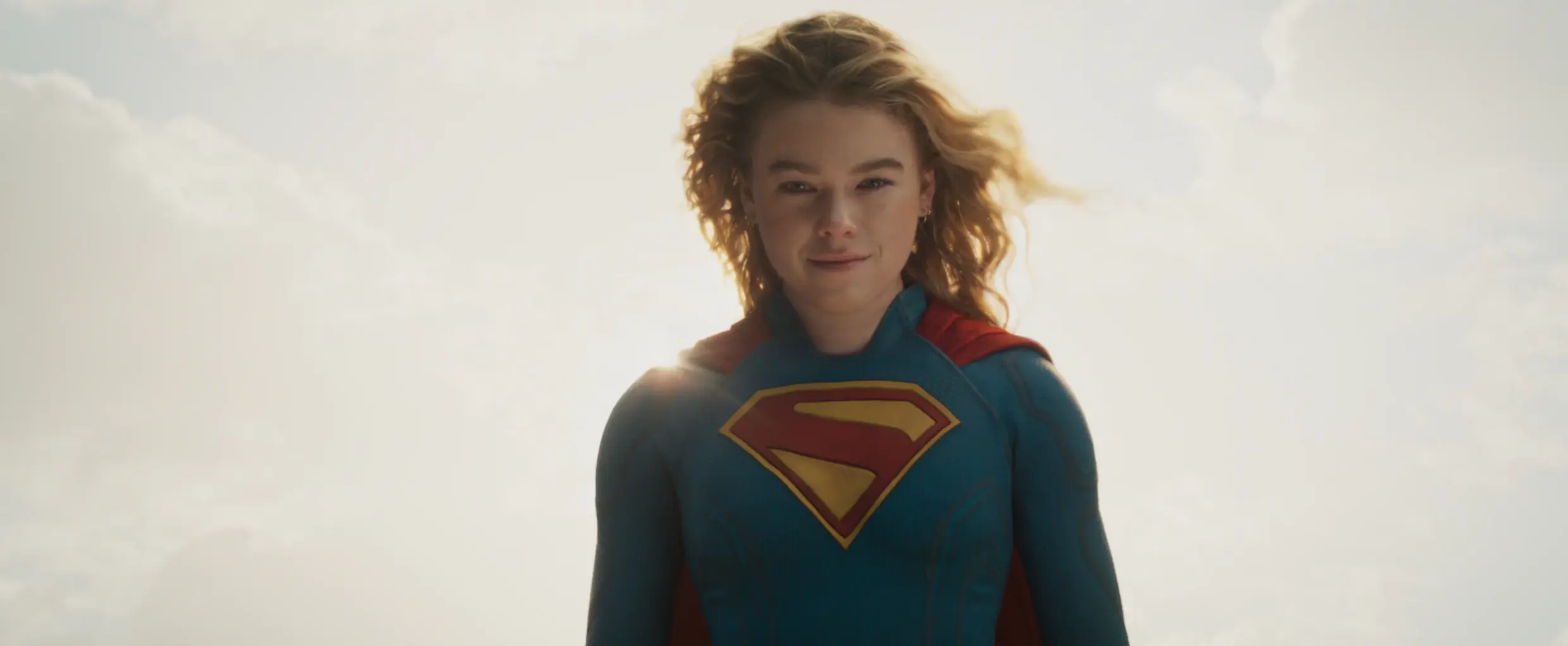
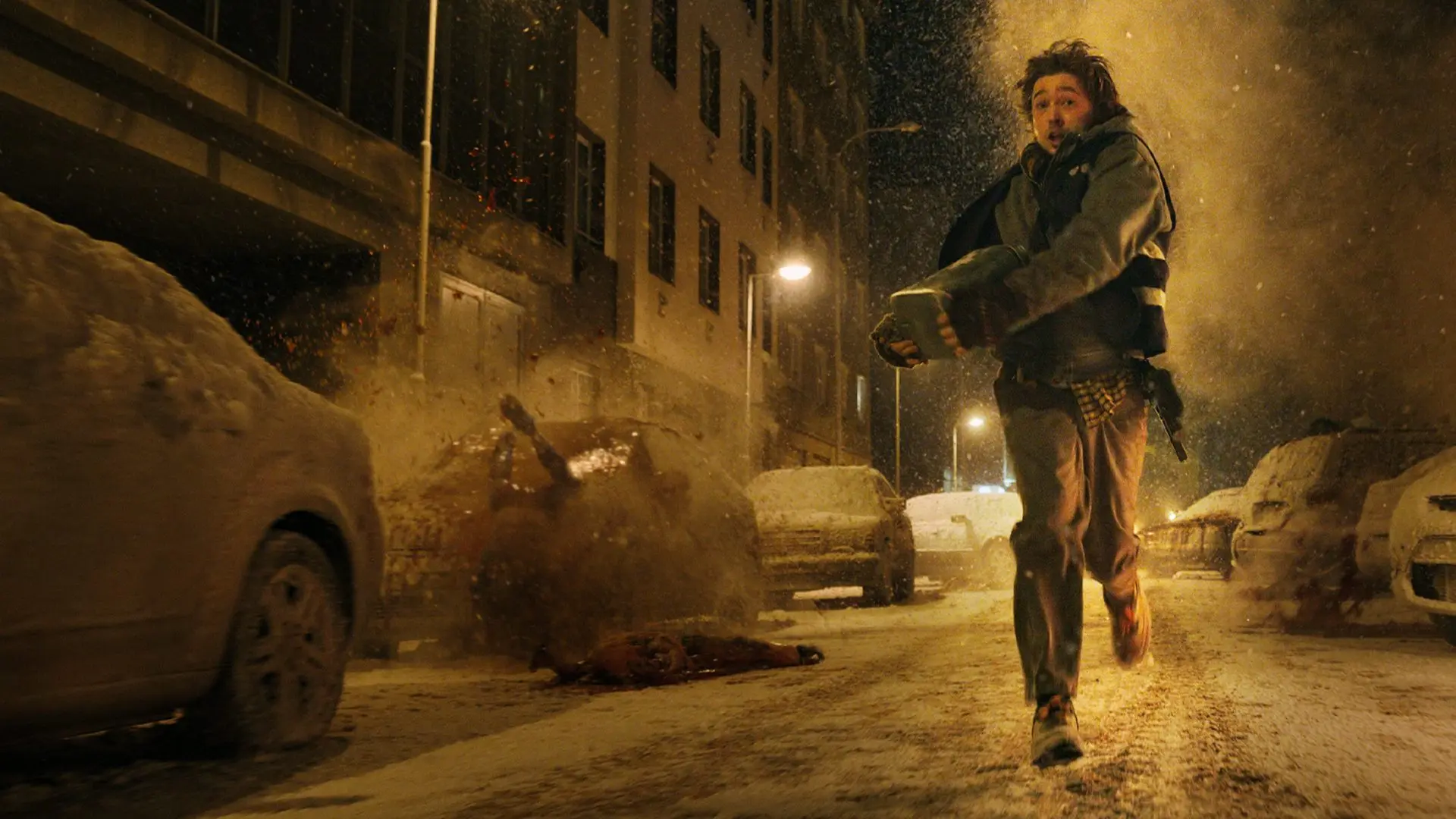
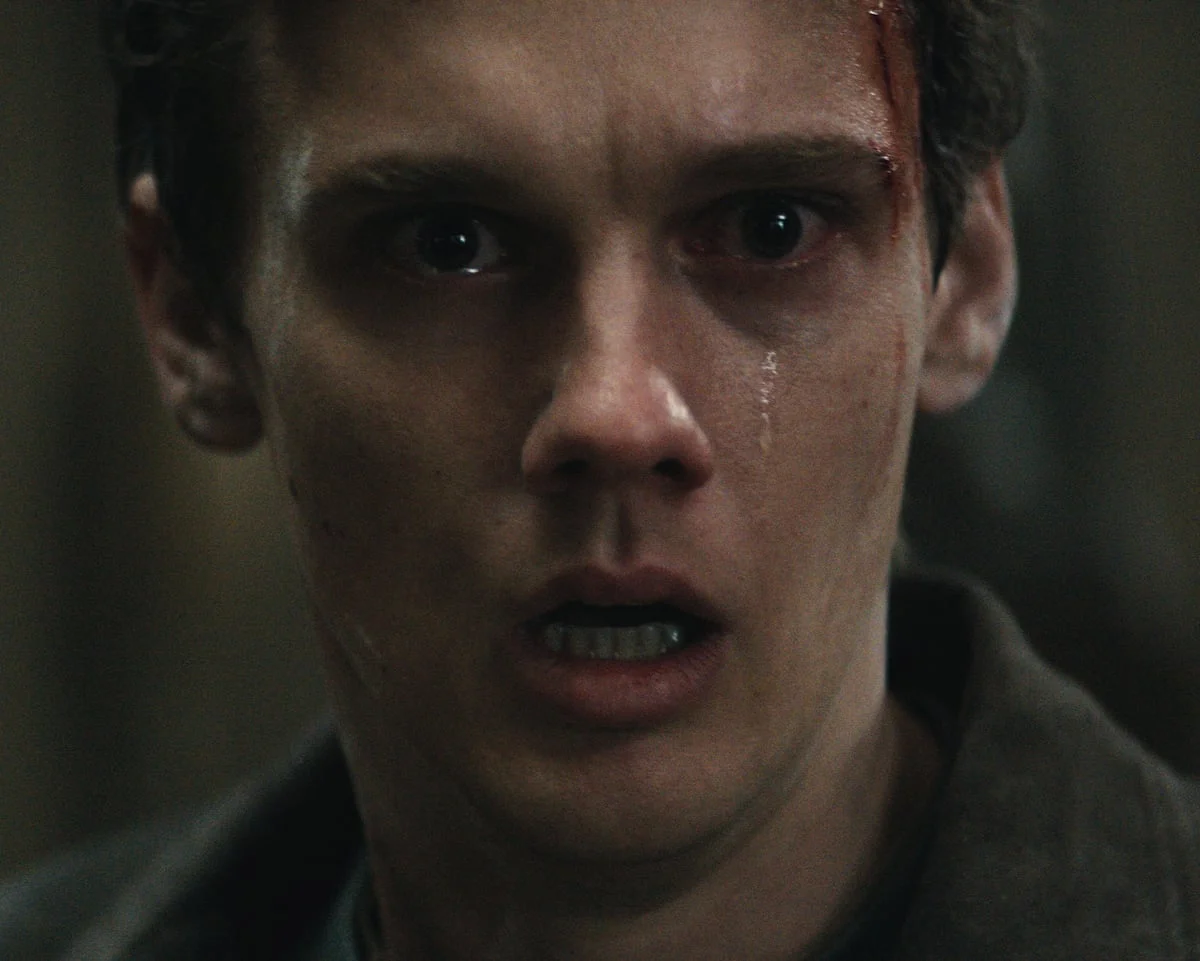
The cast gives the conversation another hook. Hunter Doohan arrives with an audience that knows him from Wednesday, and People noted that Jenna Ortega was excited for his jump into Evil Dead territory. The crossover attention is useful, but it is not the core story. The core story is whether Burn can make its family-drama angle feel personal before the Deadites take over the room.
Why This Could Travel With Horror Fans
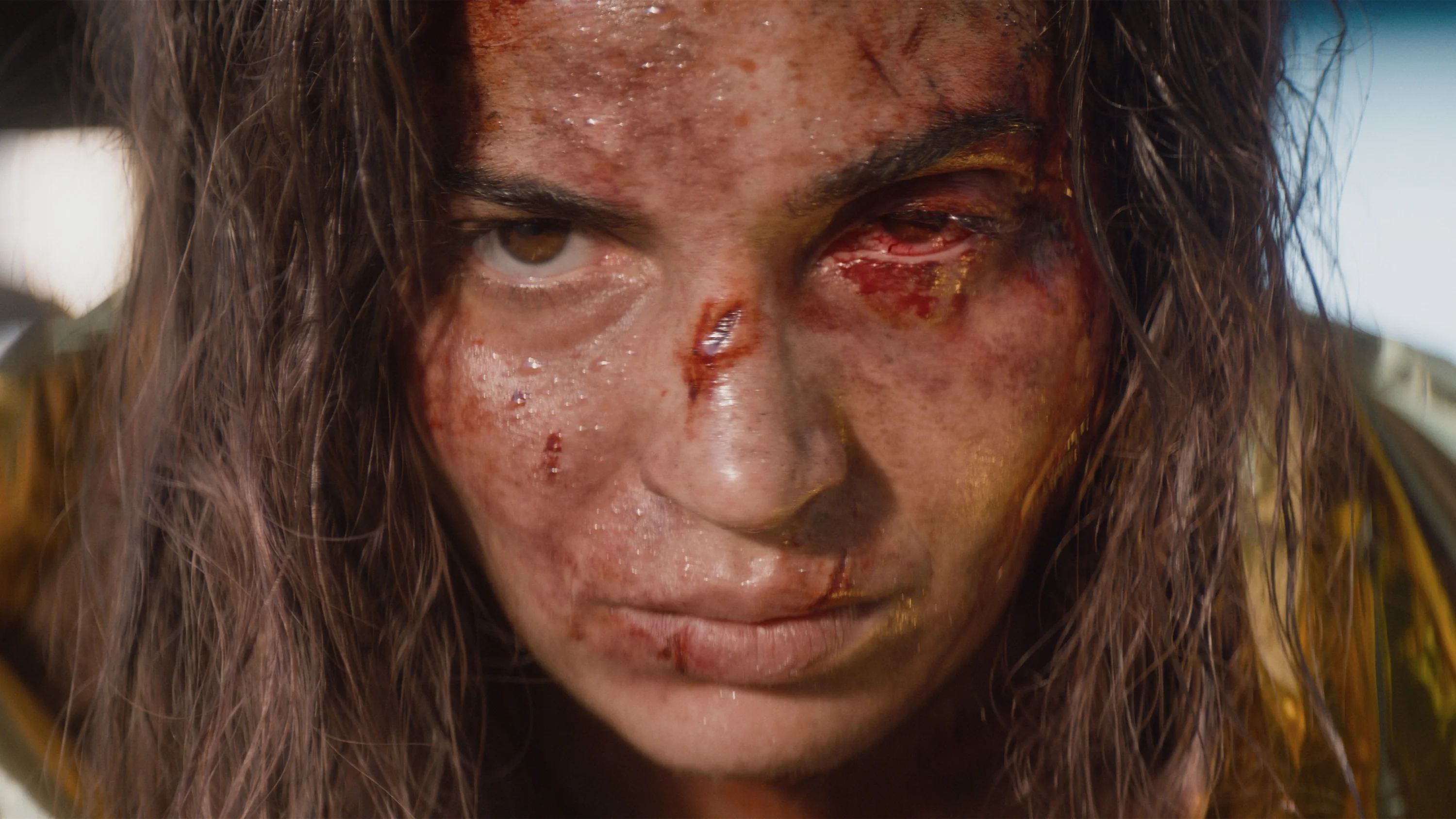
Franchise horror spreads when the pitch is simple enough to explain in one sentence and intense enough to make people react. Evil Dead Burn has both. A family reunion from hell is easy to sell, and a review split over whether the movie is thrillingly excessive or just excessive gives fans something to argue about before most of them have even seen it.
The timing helps too. Releasing on July 10 gives the movie a clean window for genre fans who want a theatrical shock between bigger franchise weekends. It does not need everyone to agree. It needs the horror crowd to feel like missing it means missing the conversation.
The useful thing for viewers is to know which promise they are buying. If Evil Dead to you means outrageous craft, cruel jokes, and set pieces that make a crowd yell, the positive reactions suggest Burn might scratch that itch. If the Raimi balance of fear and fun is non-negotiable, the harsher reviews are worth taking seriously. Either way, this is the right kind of pre-release noise for a horror sequel: specific, divisive, and built around the exact line fans care about.