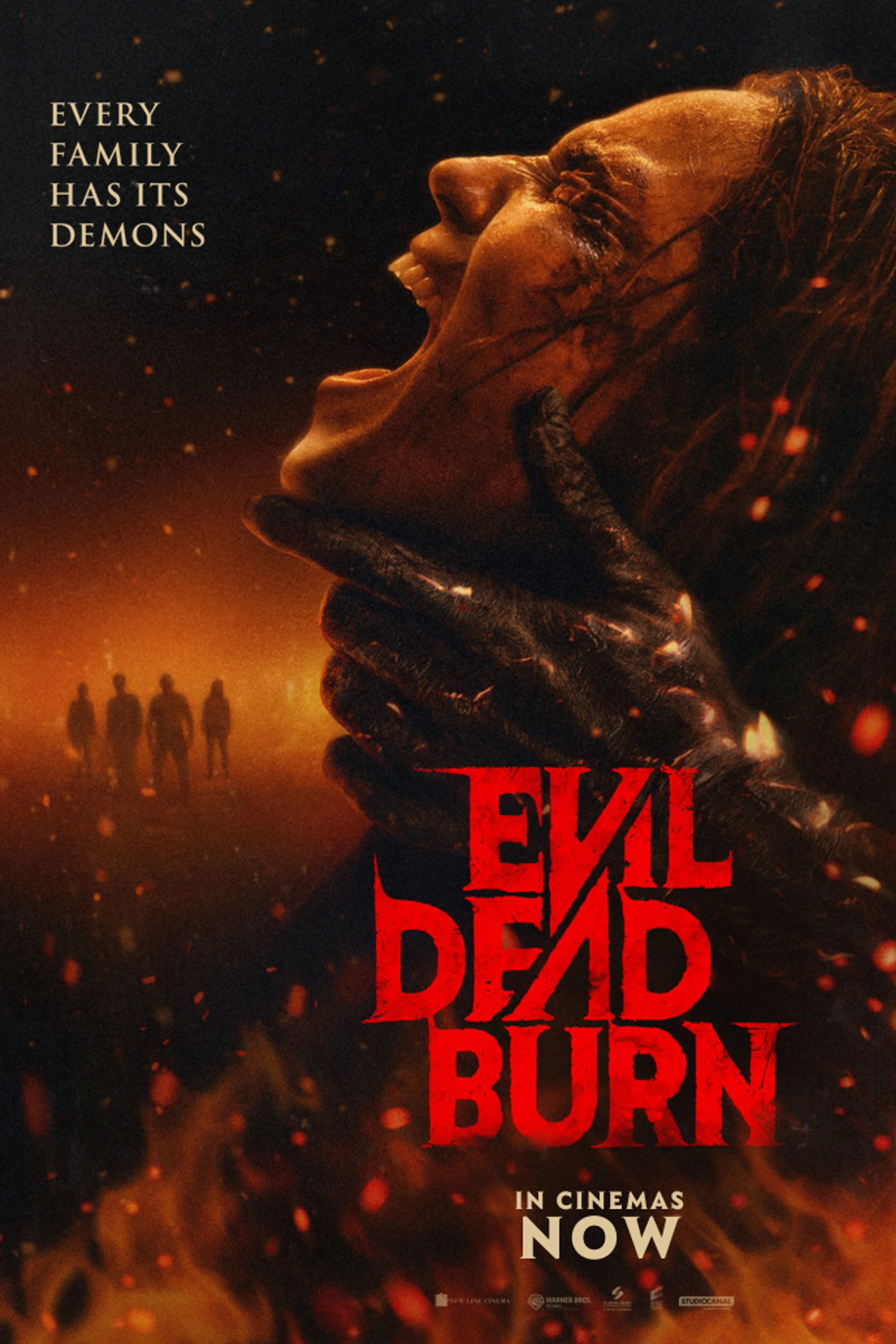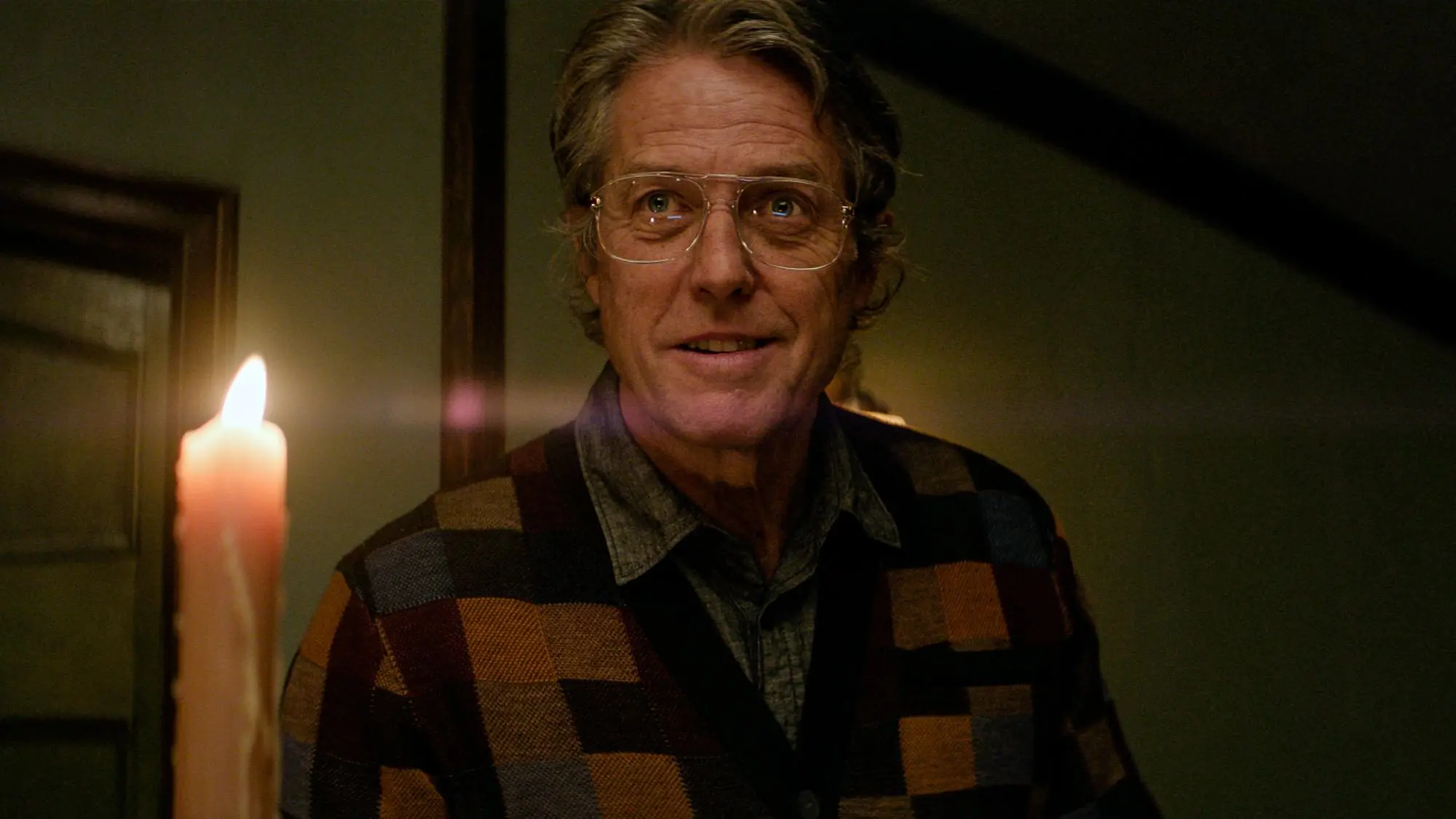
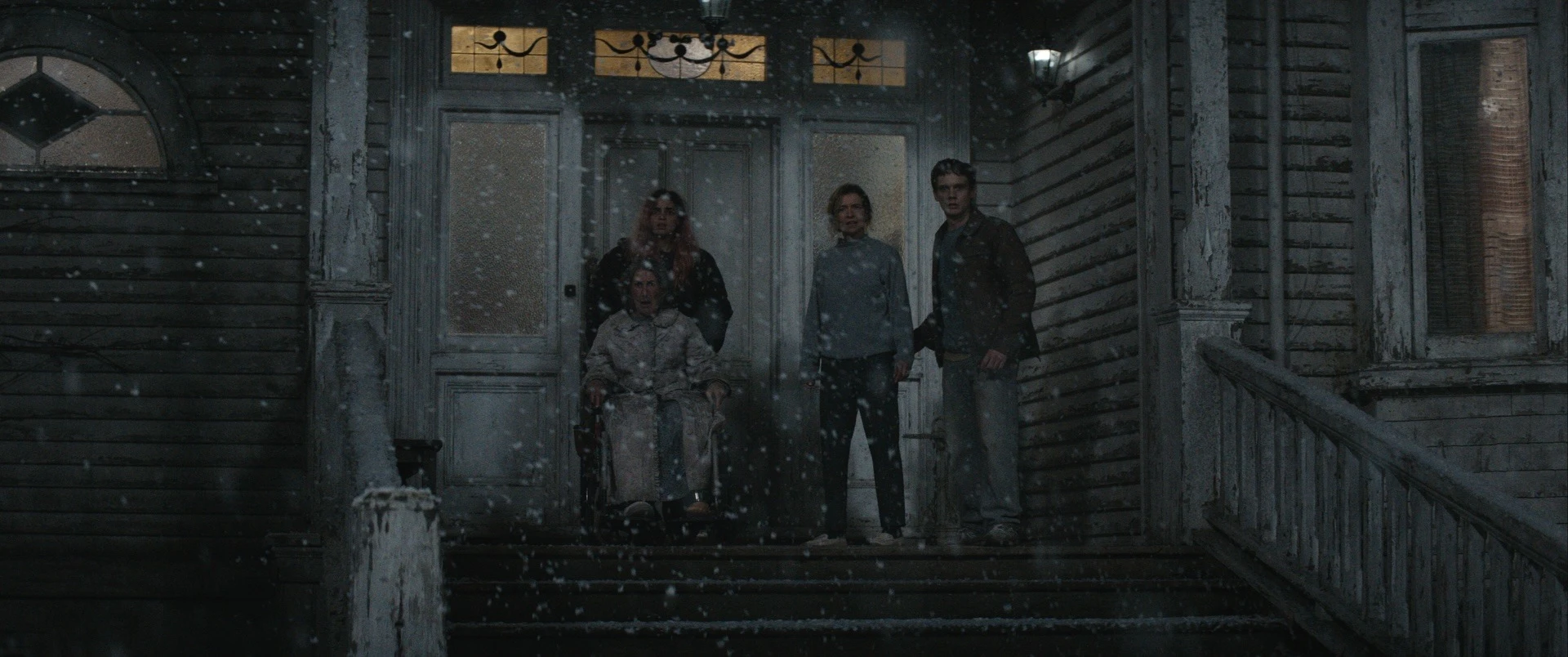
Alice's husband is dead, and his family still expects her to defend him. In Evil Dead Burn, the danger begins with that demand. Will was abusive while he was alive. After his death in a car crash, his widow joins his relatives at their isolated house, where grief soon becomes another reason to blame her. Then demons begin taking over their bodies.
Sébastien Vaniček's film has some horribly effective attacks, especially when people have nowhere to move. Souheila Yacoub makes Alice worth caring about even when the surrounding story gets rushed. We found enough to enjoy in her performance and the staging to recommend this to fans of very violent horror. But the constant injuries become tiring, and the family deserves more time before almost every conversation turns into an attack.
This is the sixth Evil Dead film. You can follow Alice's situation without a marathon of the earlier movies: Deadites are people possessed by demons, and they use familiar faces and cruel remarks to torment anyone still alive. There are connections for returning fans, but the central problem is easy to understand. Alice has to survive a house full of people who already treated her badly.
Alice has good reasons to fear this family
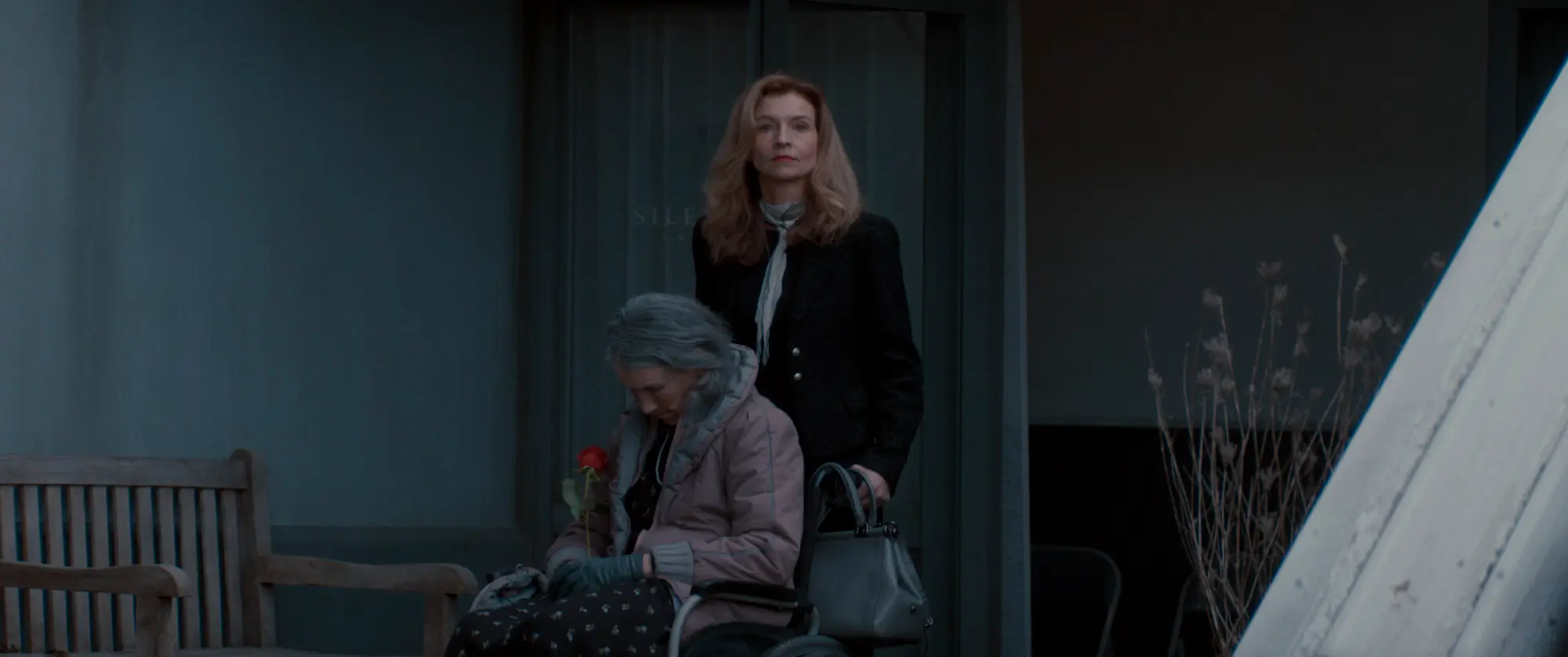
Will's father Edgar, played by Erroll Shand, is threatening before the possession begins. His anger makes the early family scenes uncomfortable because disagreeing with him already seems dangerous. His wife Susan, played by Tandi Wright, keeps defending her son. Susan's refusal to acknowledge Will's abuse is more upsetting than a simple argument about who loved him most. Alice is expected to mourn a man who hurt her while his mother refuses to admit what happened.
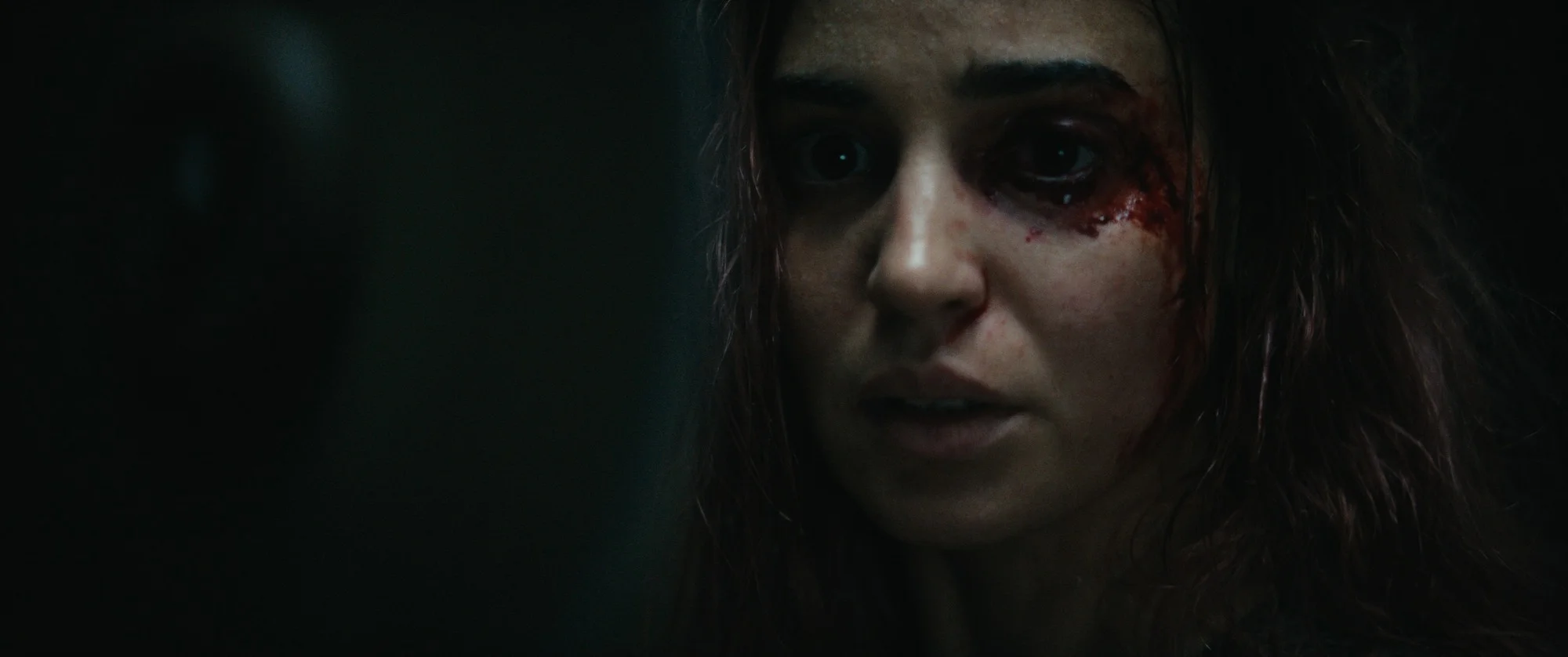
Yacoub lets Alice look frightened, hurt and furious without making those reactions feel separate. When she fights back, you understand why she has had enough. Her physical performance makes the struggle convincing: the running, falls and close-range fights look exhausting. That effort matters more than the film's explanations about ancient evil. Even when an attack is absurdly extreme, Alice's response gives you someone to worry about.
Will's brother Joseph is trying to write a book, and his girlfriend Thya is caught in the family's arguments. Hunter Doohan and Luciane Buchanan give them enough personality to suggest lives outside this house. But Joseph and Thya need more time before the violence starts. The early scenes move through the relationships quickly. Later flashbacks add information, yet interrupting an escape to explain the past does not make those relationships feel much deeper.
The cramped attacks are the best part
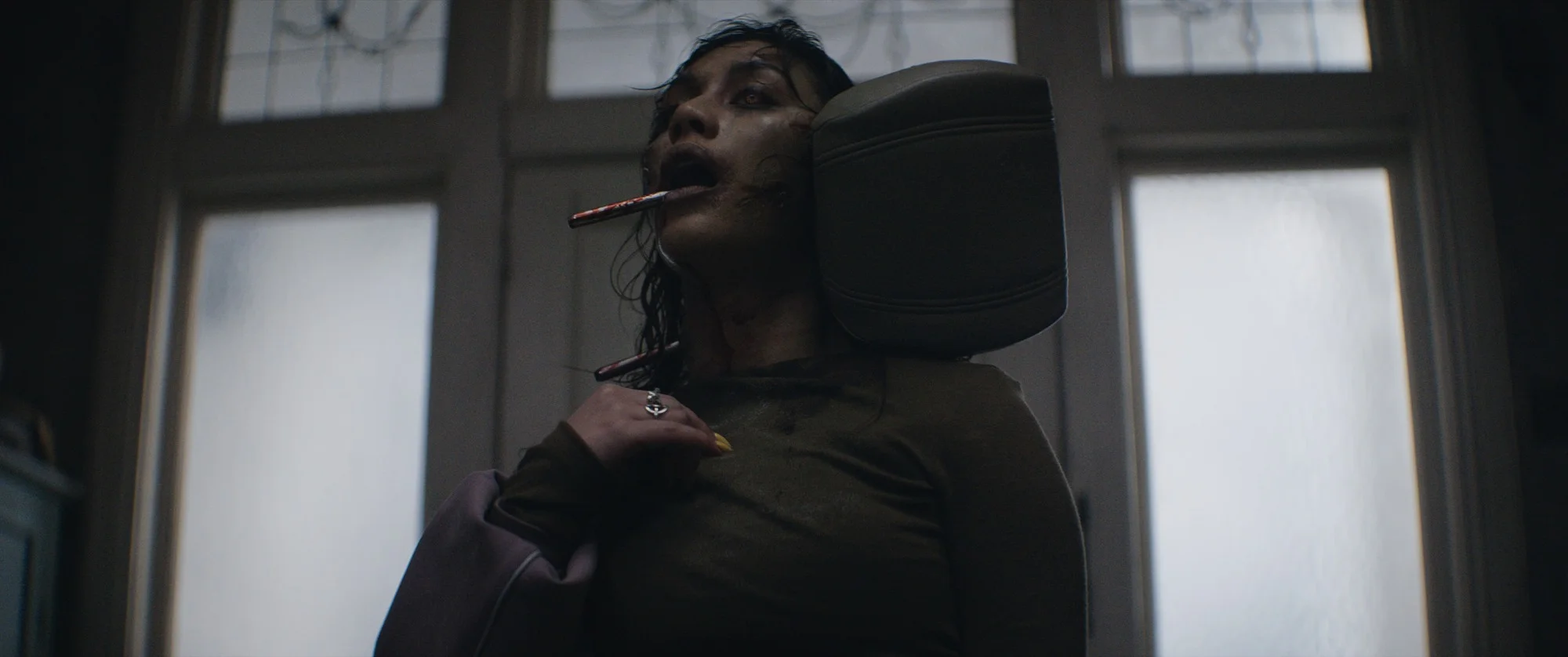
A car becomes one of the film's most frightening places because a person inside it cannot simply step away. The attack uses the seats and fittings as obstacles and weapons. The car sequence keeps changing what the characters can do, so the danger stays tense even after the first shock. It is more memorable than another sudden face appearing in the dark.
Thya's transformation also gives Buchanan a very different kind of performance. Her familiar face becomes a warning that someone the others knew is no longer in control. The makeup is unpleasant at close range, and the physical damage stays visible afterward. The practical effects give the injuries a disturbing weight that the later digital creatures do not consistently match.
Back inside the house, the family dinner allows the actors to build tension through accusations and reactions before the scene becomes violent. Edgar's anger and Susan's denial both have room to register. Vaniček and cinematographer Philip Lozano keep moving the camera around the people and furniture, rather than cutting away from every impact. You can follow the struggle around the table, which makes the violence more involving than a collection of disconnected close-ups.
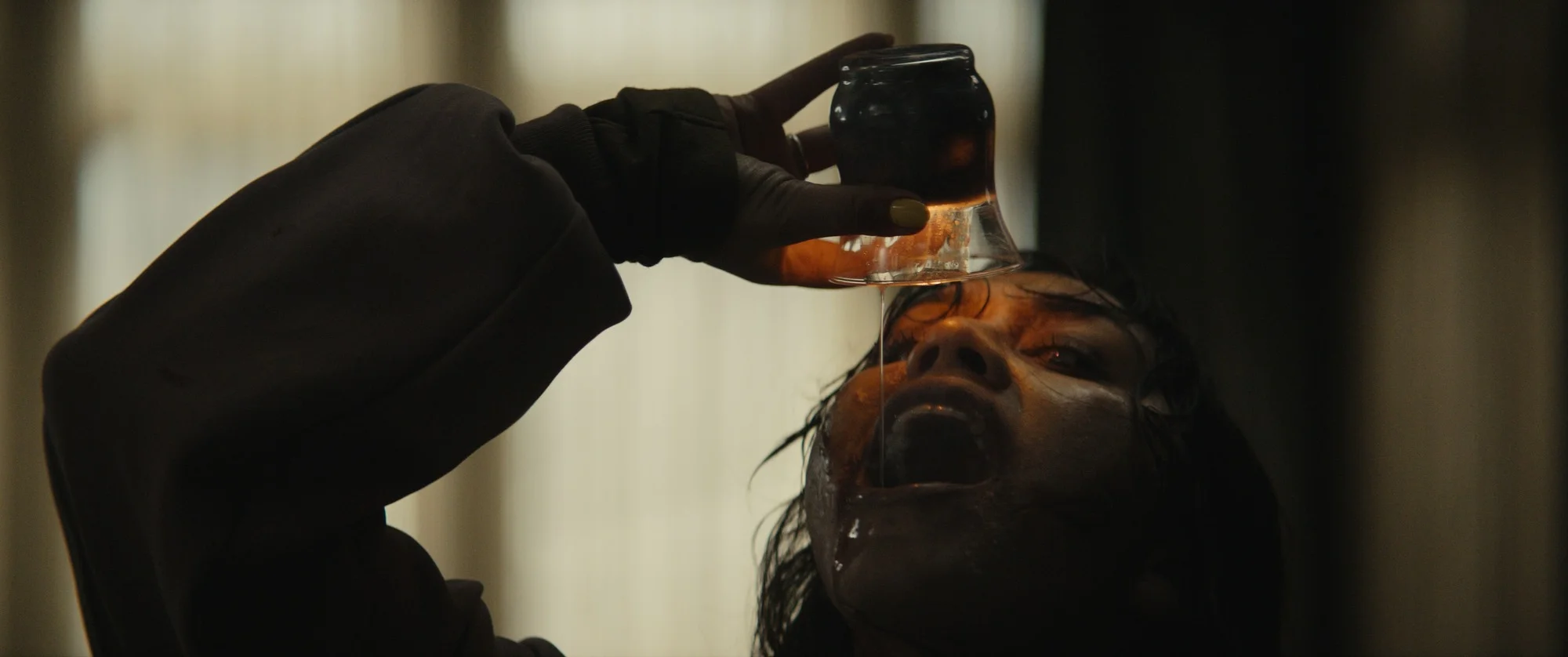
The same attention to objects makes a trip through the kitchen unpleasant. An open dishwasher is suddenly something to watch carefully. These are ordinary things you can recognize immediately, so the threat does not need a long explanation. The film is at its best when a character's next movement matters as much as the injury that might follow it.
More violence does not always mean more tension
Once Alice is repeatedly running from one attack to another, the scenes leave little time to recover. That intensity will be a selling point for some horror fans. For us, the repeated attacks eventually become tiring. There are fewer chances to wonder whether a conversation might settle down or whether someone might help. Another burst of violence becomes the expected answer.
The gray lighting and drained colors also make the house feel dull across long stretches. The confined rooms still work for the physical action, but the image changes less than the attacks do. Toward the end, the digital effects are less convincing than the earlier makeup. The larger threats look more artificial just when Alice's fight should feel most dangerous.
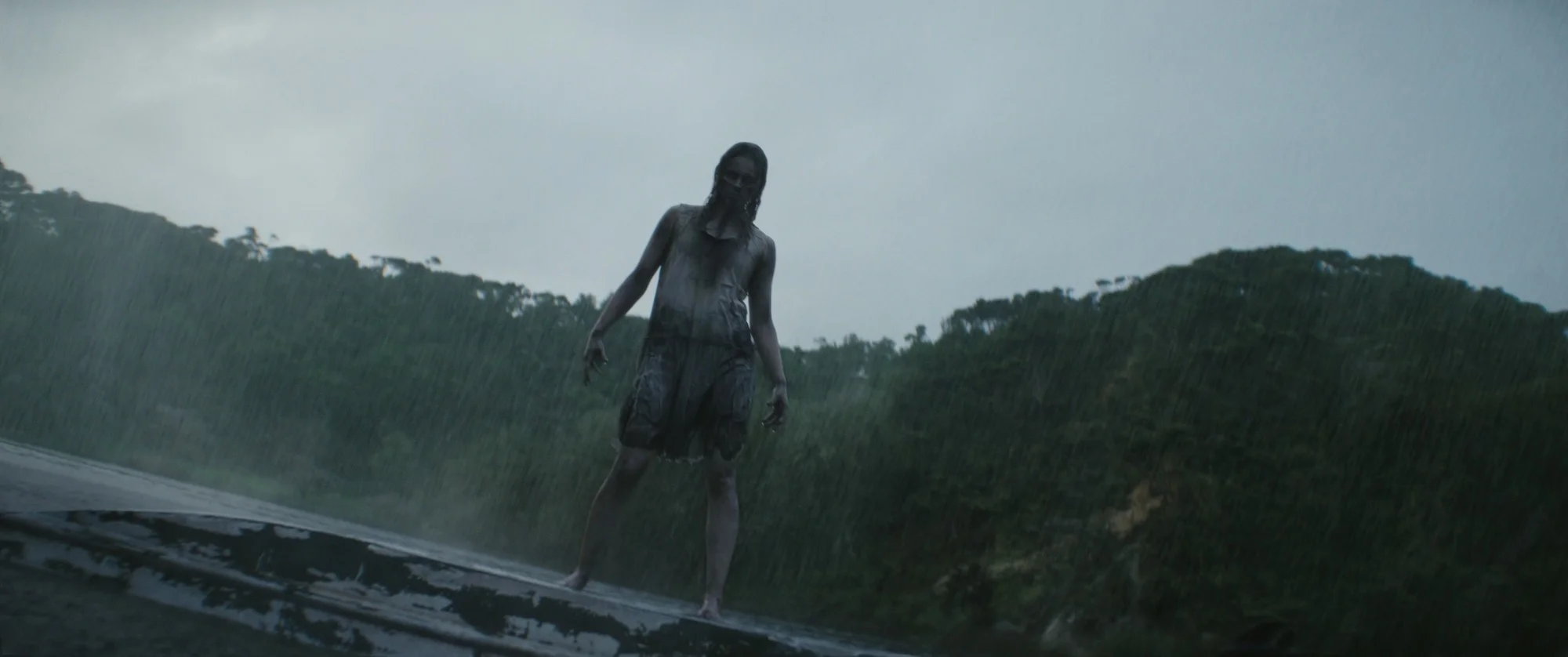
Anyone expecting the silliness of Evil Dead II or Army of Darkness should adjust those expectations. There are moments of cruel humor, but the abuse and prolonged suffering dominate. Domestic abuse and harm to an animal are part of the film, alongside extensive bloody injuries. The U.S. rating is R for strong bloody horror violence and gore, and language. This is a poor choice for someone who likes suspense but avoids explicit violence.
Our Pixel Twelve score is 6.5/10. Yacoub's performance, the car attack and the dinner scene make the film more rewarding than its thin family story initially suggests. We give those strengths enough weight to recommend it to gore fans, while the repetitive attacks and weaker final effects keep the score modest. If you need the characters around Alice to be equally interesting, or want more humor between the shocks, the good sequences will probably not be enough.
The film runs 1 hour 50 minutes. Digital rental and purchase are available, and HBO Max streaming begins October 2, 2026. That upcoming release gives subscribers a chance to watch without a separate rental.
More from Evil Dead Burn
2 screenshotsLoading results
Visit the Evil Dead Burn movie page for the trailer and film details, or read more Pixel Twelve reviews.