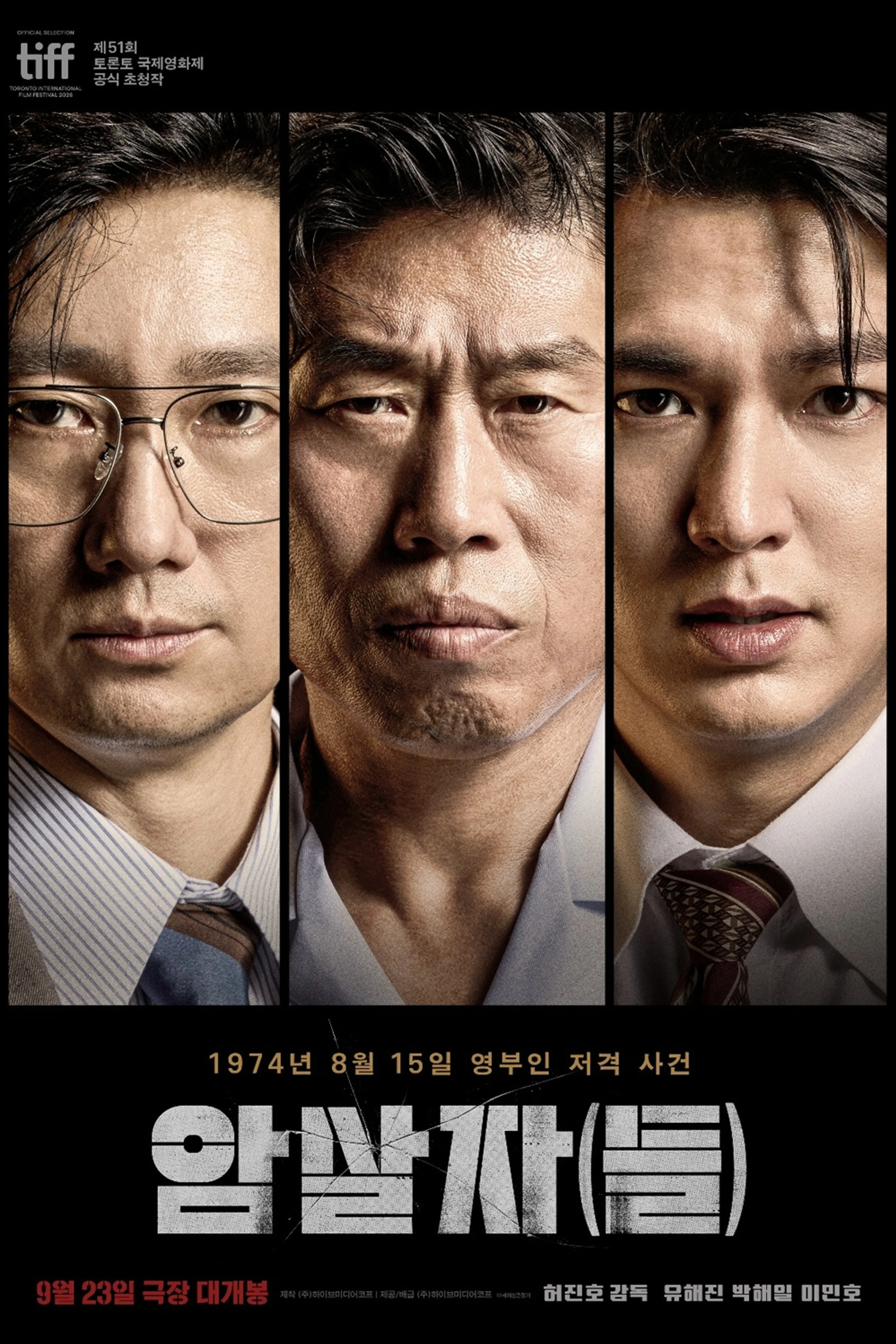
The Assassin(s) follows a detective and two newspaper reporters who notice problems in the official account of a shooting. They compare what witnesses saw, look for missing bullets and try to get their findings into print. Watching them work together is the best reason to see this film. Director Hur Jin-ho makes their questions interesting and the threats against them frightening. The trouble comes later, when the story adds more explanations instead of bringing the investigation to a close.
This is a South Korean political thriller, mainly in Korean, with some Japanese dialogue. Its starting point is a real event: the August 15, 1974 attempt to kill President Park Chung-hee, in which his wife, Yuk Young-soo, was killed. The film takes that event and builds a fictionalized investigation around it. Its theories about who was responsible are part of the drama, not established historical answers.
Who is investigating the shooting?
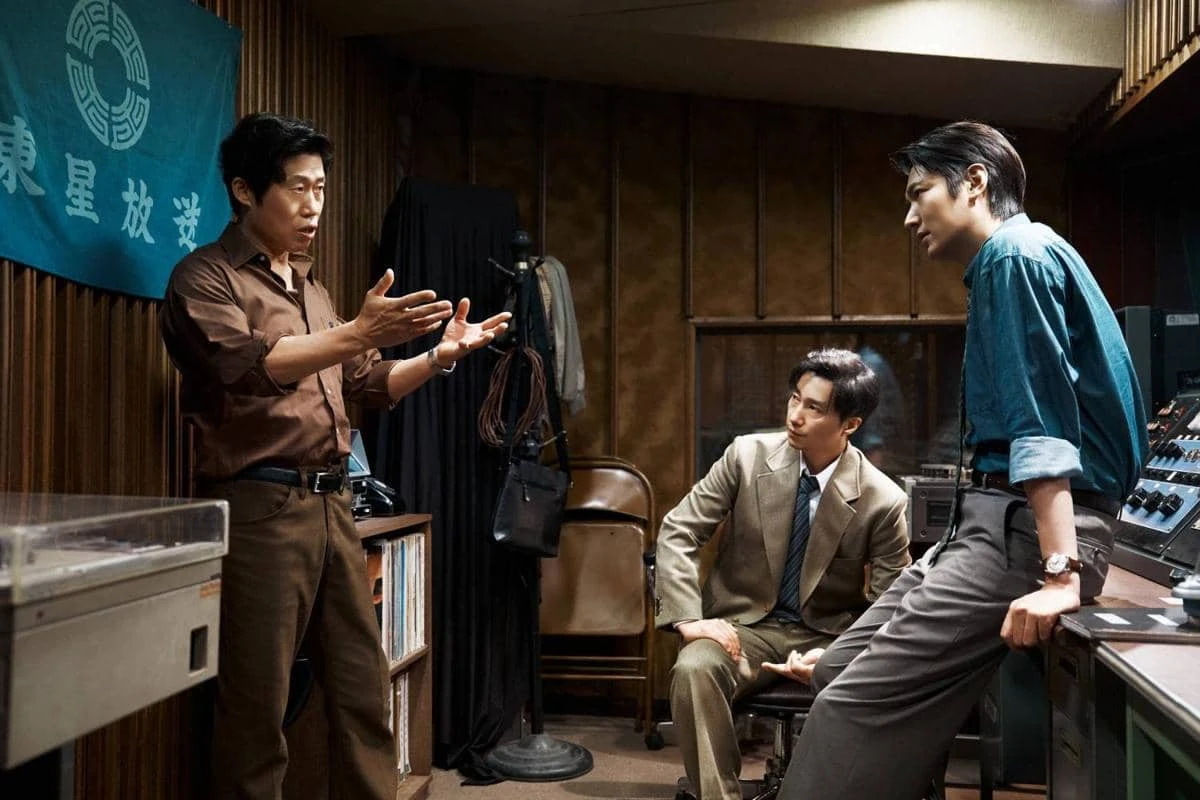
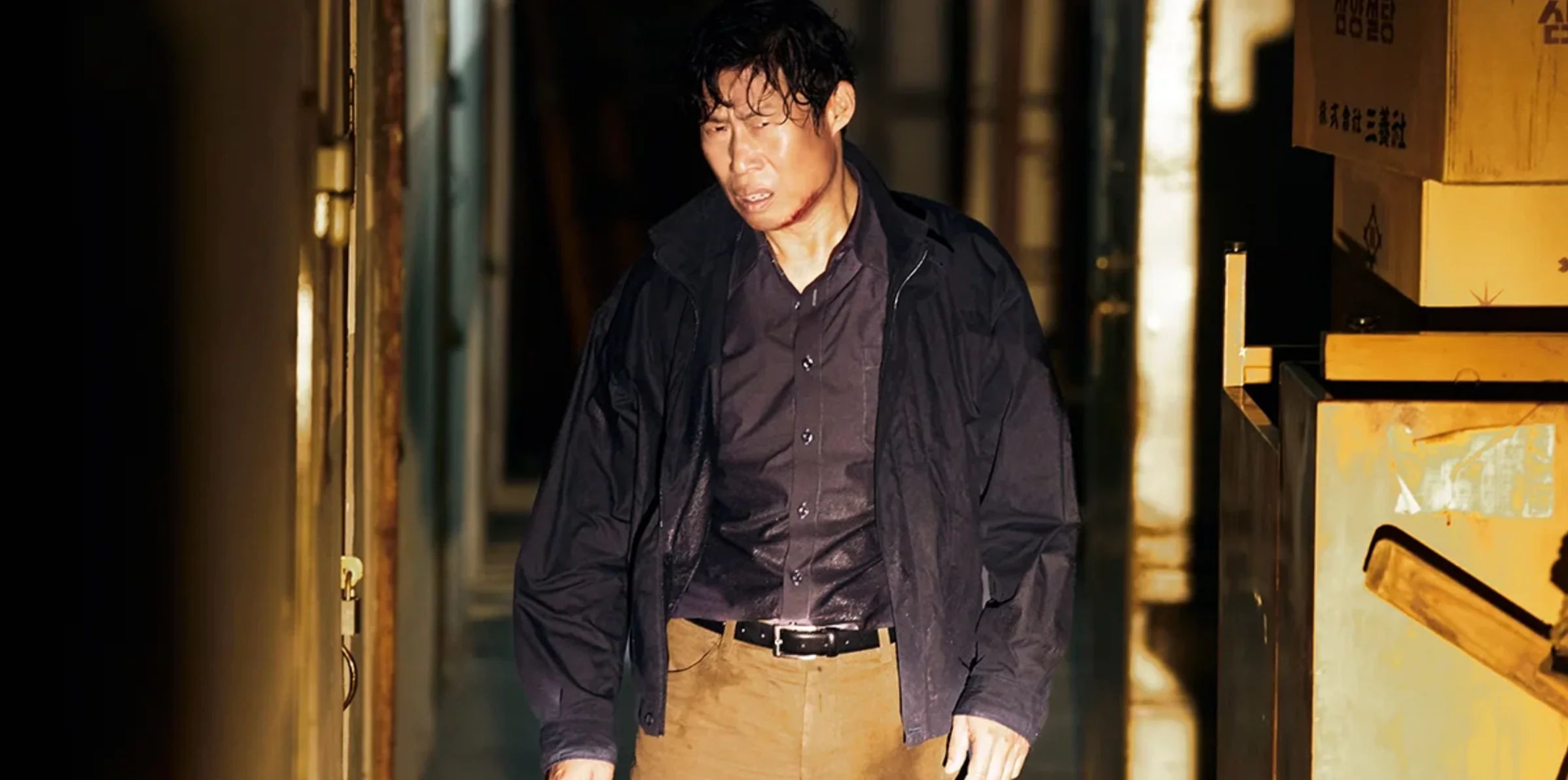
Yoo Hae-jin plays Cheol-gu, a police detective working security at the ceremony. He begins as someone who trusts the government. After the shooting, his own department faces scrutiny, and he has to decide whether to accept orders that clash with what he knows. Cheol-gu is the most interesting of the three investigators. Yoo makes his growing doubt believable: asking another question means questioning people he has spent his career serving.
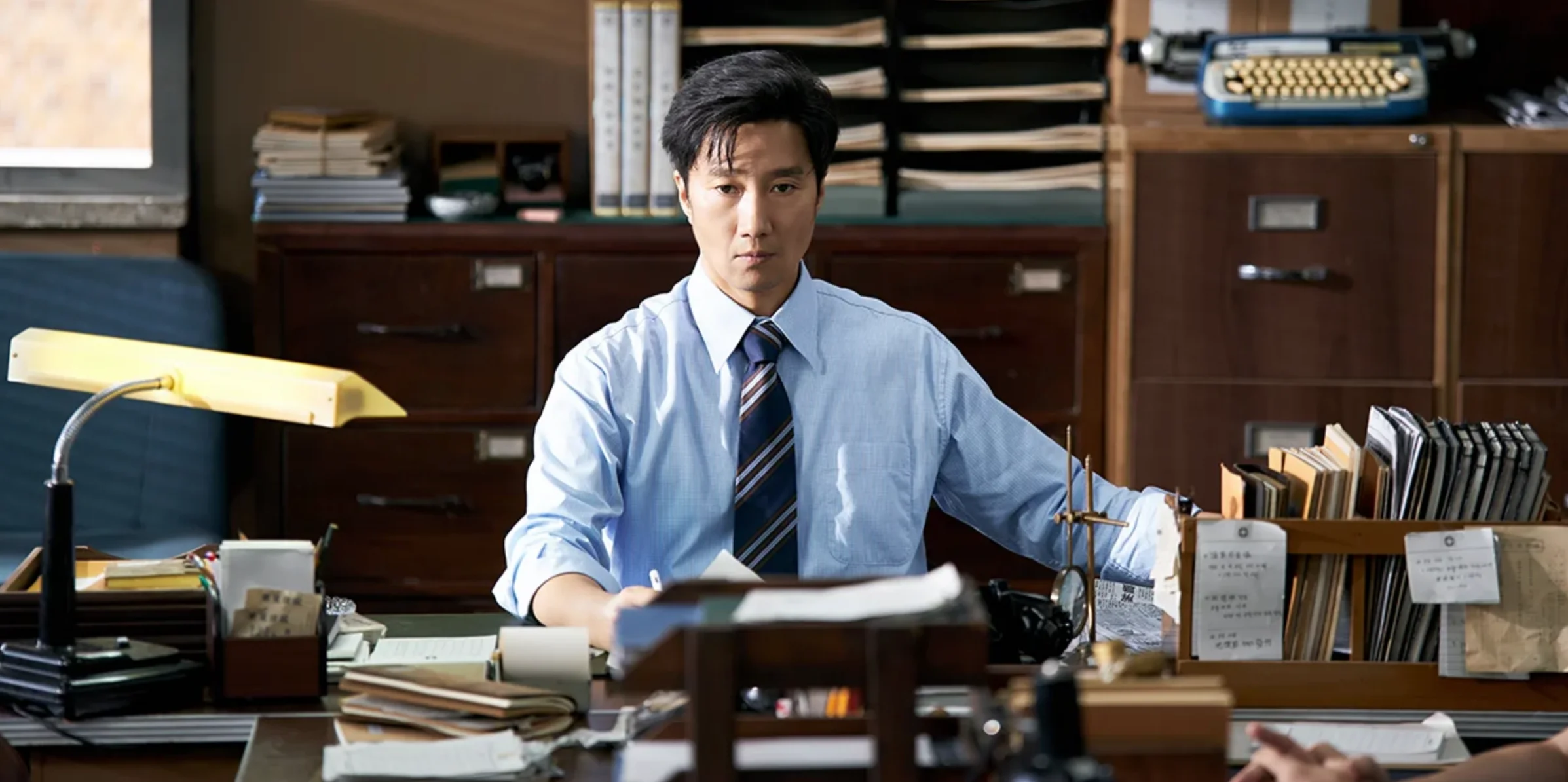
Park Hae-il plays Jae-hwan, a newspaper editor who already knows what happens when journalists upset those in power. His reporting is blocked, and he faces physical intimidation. He keeps trying to publish anyway. Jae-hwan is not discovering that censorship exists; he is deciding how much more he can risk. That makes his conversations with the less experienced reporter more interesting than a simple lesson about doing the right thing.
That reporter is Young-il, played by Lee Min-ho. He goes to cover a public celebration and instead witnesses a national crisis. His privileged background gives him access that other people do not have, but it cannot make the assignment safe. Lee is fun to watch as Young-il becomes more serious about the job. His eagerness also provides a useful contrast with Jae-hwan, who has already been punished for pursuing stories like this one.
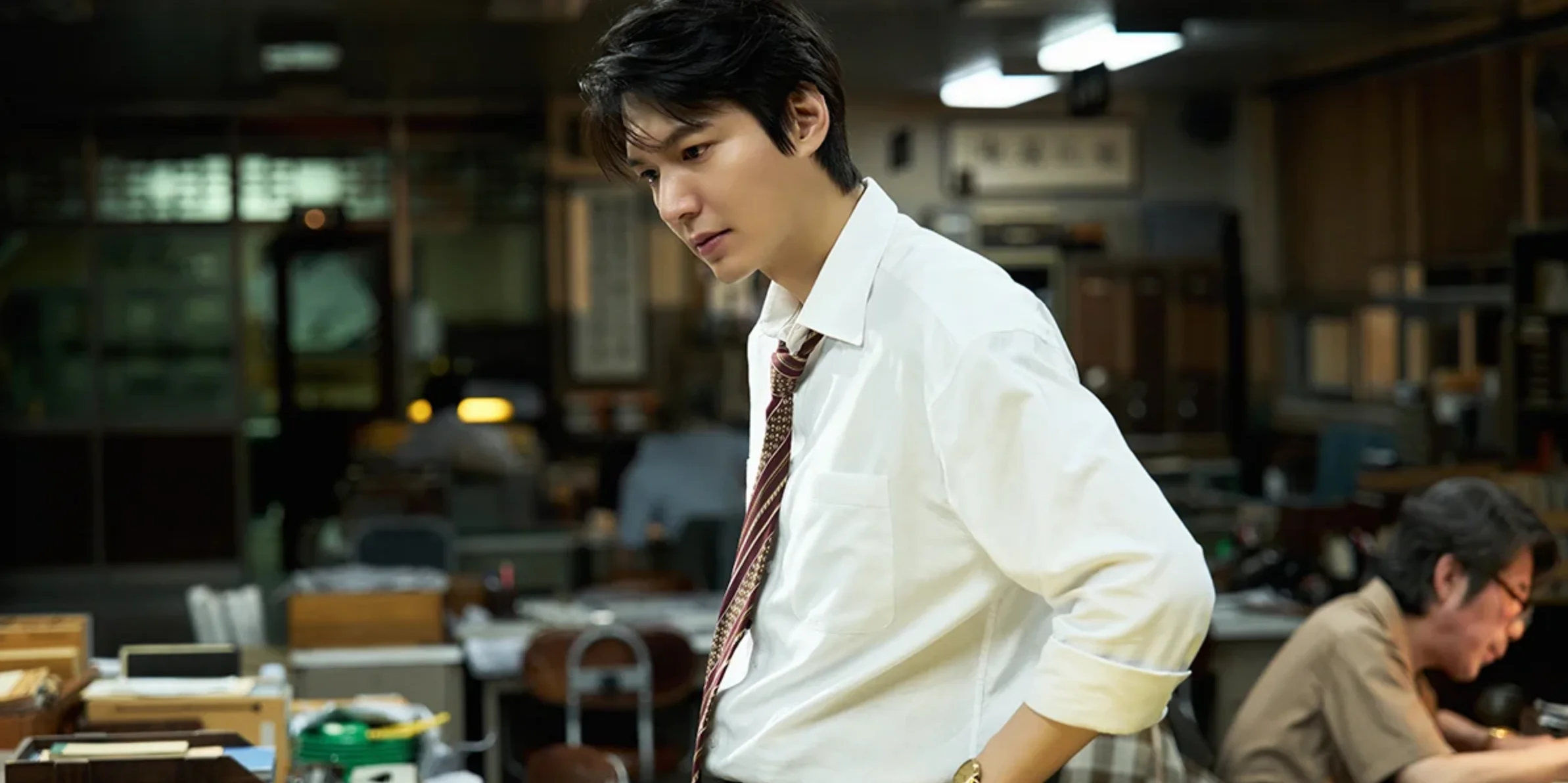
Finding the evidence is only half the problem
You do not need a detailed knowledge of Korean history to understand the main conflict. The government wants one account of the shooting published; these men keep finding reasons to question it. The film gives them specific things to investigate, including missing bullets and accounts that do not agree. That is more engaging than simply having a character announce that the authorities are lying.
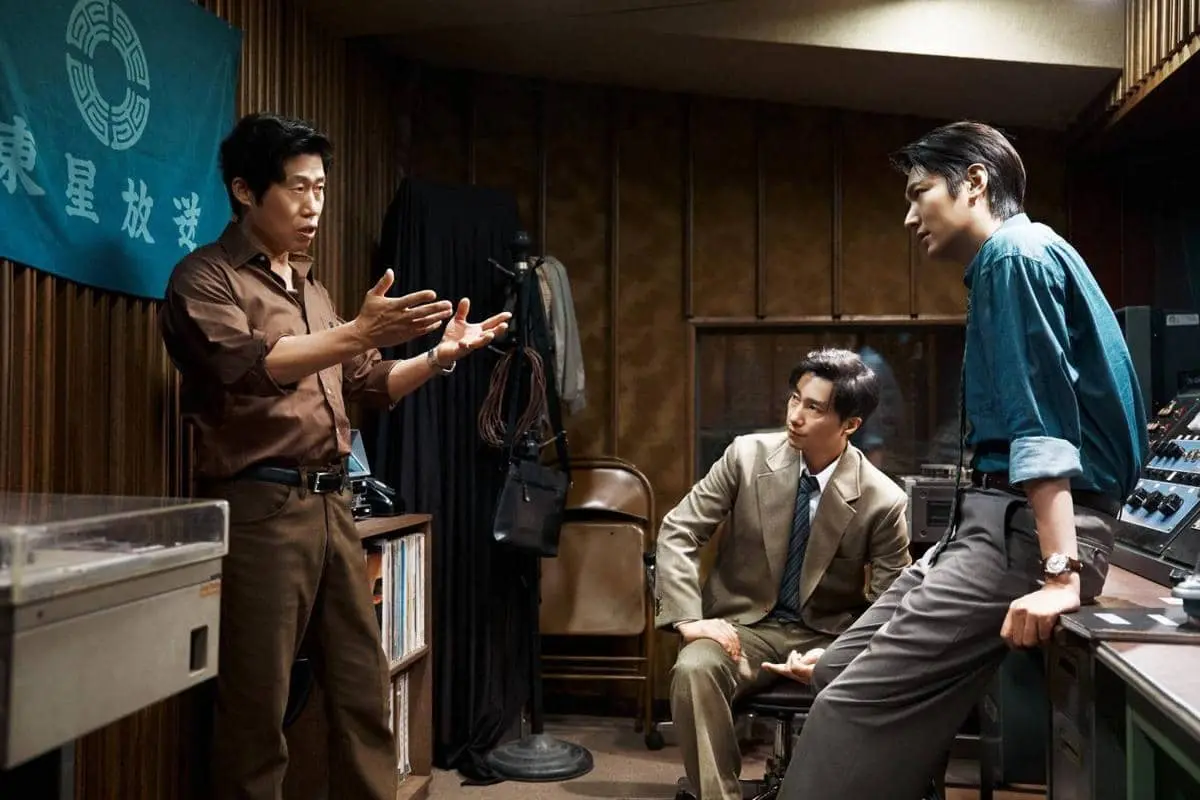
The three men also bring different experience to their conversations. Cheol-gu knows police work, Jae-hwan knows how stories get stopped, and Young-il is willing to follow leads beyond the newsroom. Their discussions are often more interesting than the physical confrontations. It is satisfying to follow a question from one person to another and understand why an answer creates a new problem.
The danger is not limited to losing a job. The journalists are watched, threatened and beaten. Even if they can establish what happened, their newspaper may not be allowed to print it. The film makes that second obstacle easy to understand. A reporter getting an answer does not mean a reader will ever hear it.
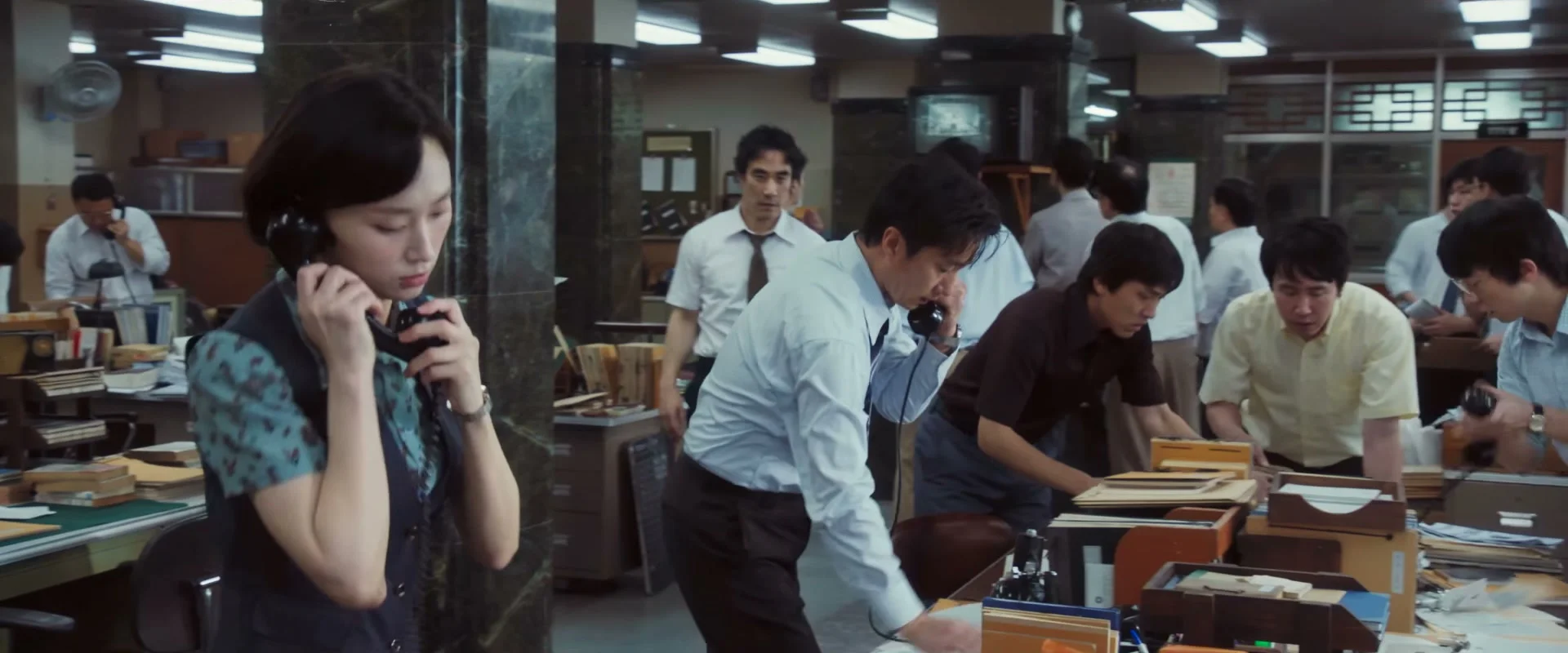
The last stretch takes too long
The later scenes are less convincing. As the investigation approaches its conclusion, the film keeps adding complications and explanations. More than once, it feels ready to finish, then carries on. At 131 minutes, it asks for more patience near the end than the earlier interviews and discoveries did.
There is also a difference between watching reporters carefully question evidence and watching them take part in a large confrontation over press freedom. The later confrontation is staged more like an action scene than the reporting that came before it. Park Hae-il gives it conviction, but the change makes the danger feel less believable. The film does not need to make these men look like action heroes for their work to matter.
Those problems do not undo the performances or the investigation. They do keep this from being an easy recommendation for everyone. If you enjoy stories about reporters comparing evidence and trying to publish, there is plenty to like. If you want a straightforward crime mystery that resolves every question, this is not that film.
Pixel Twelve verdict
Pixel Twelve score: 7.5/10. The Assassin(s) earns its recommendation through the three leads, especially Yoo Hae-jin, and the clear connection between their reporting and the danger they face. We stop short of a higher score because the ending takes too long and the later action is less believable than the investigative work. The actors give you a reason to care about each man; the final stretch does not always give them equally good material.
Where can you watch it?
The Assassin(s) opened in South Korean theaters on September 23, 2026. As of September 29, we have not confirmed a U.S. streaming service or an MPA age rating. Check your local cinema listing for showtimes and subtitle options.
More images from The Assassin(s)
3 screenshotsImages: Hive Media Corp. / TIFF.
See the movie page for the cast and trailer, or read more Pixel Twelve reviews.
Loading results