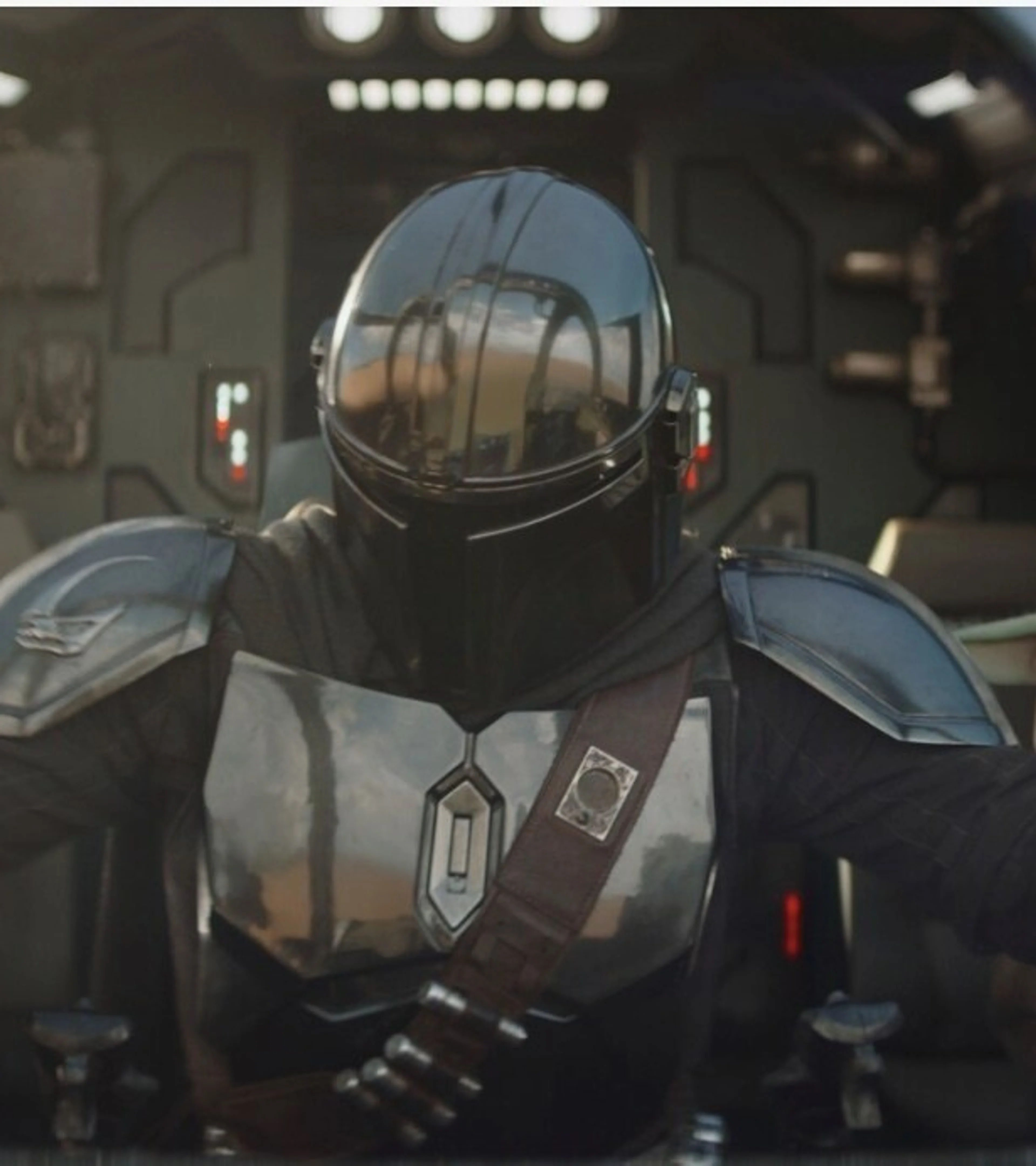
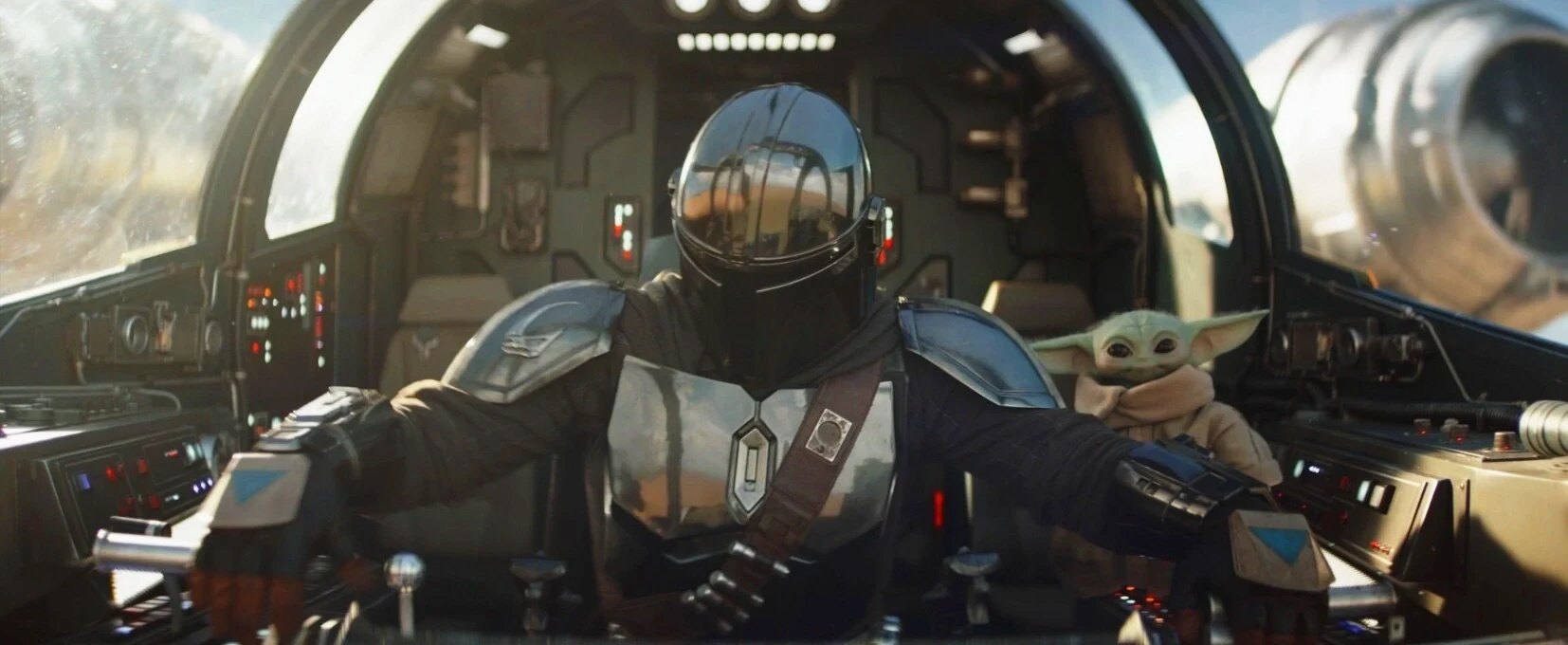
Disney has finally said what the box-office numbers had already suggested: The Mandalorian and Grogu did not perform as well as the company expected in theaters.
The admission appears in Disney's Q3 FY2026 shareholder letter. Disney said the movie received strong audience scores but fell below its box-office expectations. The company used the same wording for its live-action Moana. It did not call either movie a flop, and the distinction is important. This was a disappointing theatrical result by Disney's own standard, not proof that audiences suddenly stopped caring about Star Wars or Grogu.
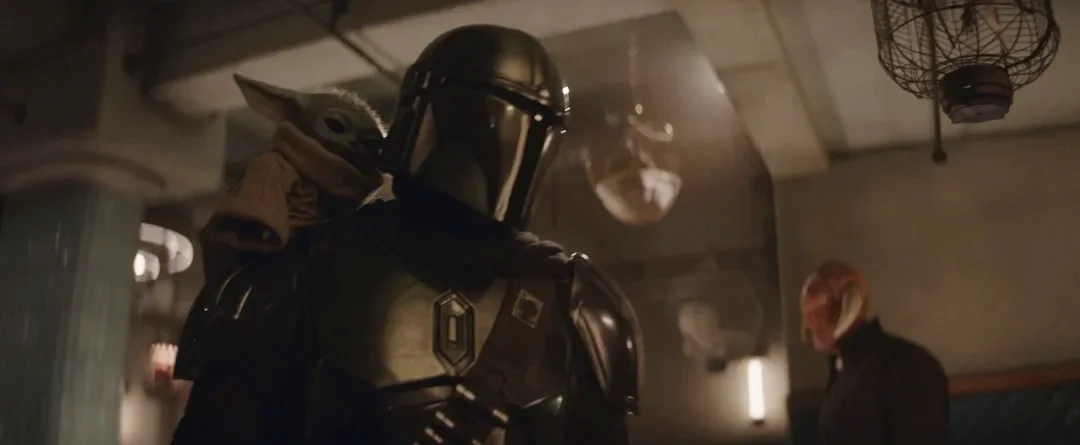
The Mandalorian and Grogu opened in May with Pedro Pascal returning as Din Djarin and Grogu joining him on the big screen. For fans who had followed their story on Disney+, the movie was the first chance to see the pair lead a theatrical Star Wars release. The move also tested whether a streaming hit could convince a large number of subscribers to pay for tickets.
The Opening Was Solid, but Not Big Enough
The Associated Press reported an estimated $82 million for the movie's first three days in North America and a projected $102 million across the four-day Memorial Day weekend. Its worldwide opening reached about $165 million. Those figures would look strong for many releases. For a new Star Wars movie from Disney, they landed near the lower end of the franchise's modern theatrical openings.
The reported production budget was also around $165 million before marketing. A movie does not have to earn back its budget during opening weekend, but studios usually want an expensive franchise release to keep drawing large crowds for several weeks. Disney's statement tells us the final result did not reach the number it had planned for.
The result carried extra pressure because this was the first new Star Wars movie in theaters since The Rise of Skywalker in 2019. Disney had spent years keeping the franchise active through streaming series while it reconsidered its film schedule. Returning with two characters people already loved looked like a safer choice than introducing a completely new cast.
Strong audience scores did not solve the attendance problem. They show that many of the people who bought tickets enjoyed what they saw, but they do not measure how many others decided to stay home. Disney needed both groups: committed Mandalorian fans and casual viewers who may recognize Grogu without following every Disney+ season.
Axios raised the issue that followed the film from the beginning: viewers already knew these characters as part of a streaming series. Many people may love Grogu, own the merchandise, and still feel comfortable waiting to watch another adventure at home. A subscription audience and a ticket-buying audience overlap, but they are not exactly the same group.
This does not mean the movie had no reason to exist in theaters. Star Wars was built for big screens, and Din Djarin's jump from television gave Lucasfilm a familiar way to bring the franchise back to cinemas. The problem was urgency. Casual viewers needed a reason to believe this chapter was a movie they had to see now, not an extra-long episode they could catch later.
The movie also had to work for people with different levels of knowledge. Regular viewers wanted the story to reward years of following Din and Grogu. New viewers needed enough information to understand the relationship without doing homework first. A theatrical release becomes harder to sell when some people worry they are already several seasons behind.
Grogu Is Still Doing His Job
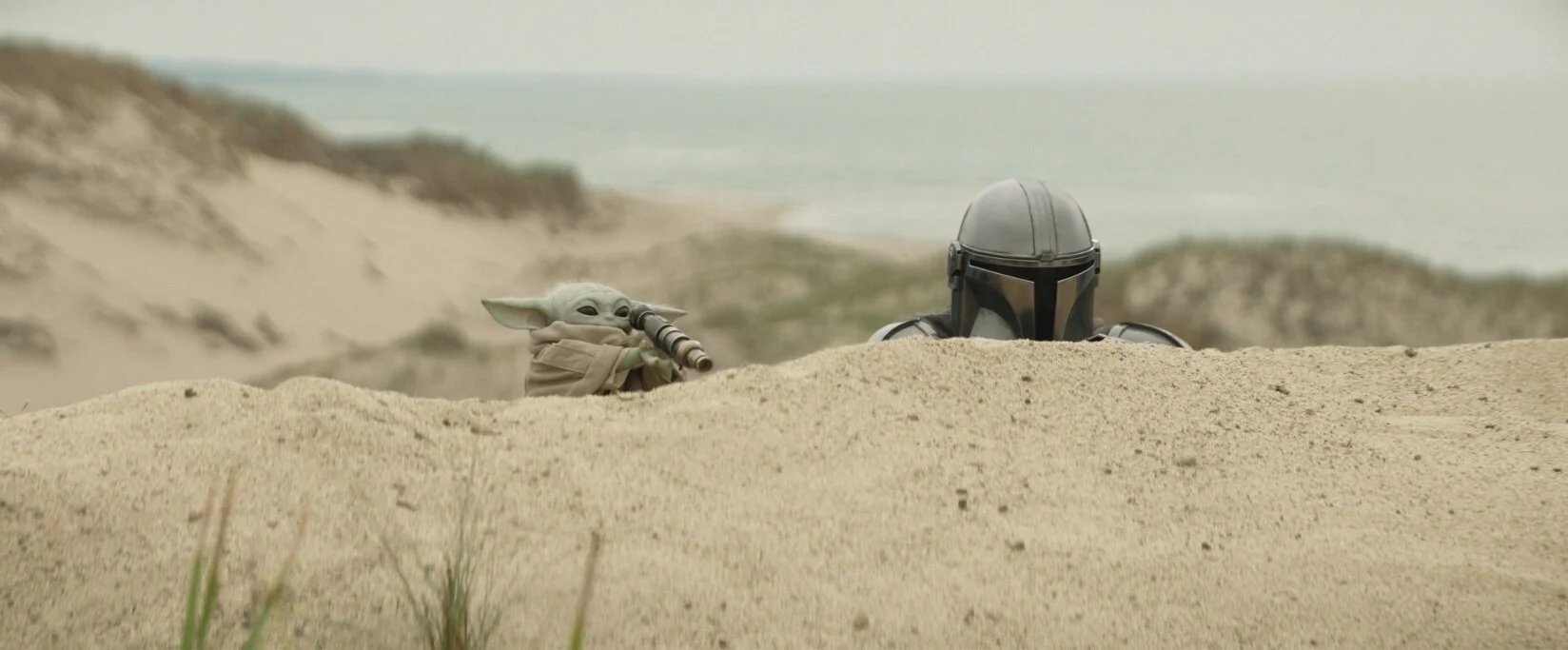
Disney's own report makes clear that the characters are still valuable. The company said the movie helped Star Wars merchandise sales, brought guests to an updated Millennium Falcon attraction, and increased engagement with Star Wars games. In other words, people still wanted Grogu. They simply did not buy as many movie tickets as Disney expected.
That split gives Lucasfilm a clearer problem to solve. Star Wars can remain a major brand while individual films struggle to feel essential. A popular character can sell toys, attract theme-park visitors, and keep a streaming service active without guaranteeing a huge theatrical run.
Disney now has to decide how it presents future Star Wars movies to viewers who are used to getting new stories at home. Familiar faces will help, but the movie itself needs a reason to feel larger than the series around it. The Mandalorian and Grogu showed that real affection for the characters is still there. Getting those fans into theaters is the harder part.