Chris Pratt once auditioned to play Captain America, years before he became the wisecracking Star-Lord in Guardians of the Galaxy. Sarah Halley Finn, Marvel Studios’ longtime casting director, recently remembered the reading and the reason it stayed with her. Pratt did not get Steve Rogers—Chris Evans did—but the audition kept him on Finn’s radar.
Finn discussed the old audition during an appearance on The Brandon Davis Show at San Diego Comic-Con. This is a look back at an early Marvel casting decision, not a report that Pratt was ever close to replacing Evans. The interesting part is what Finn noticed before Marvel knew which role would fit him.
Pratt brought something serious to the Captain America room
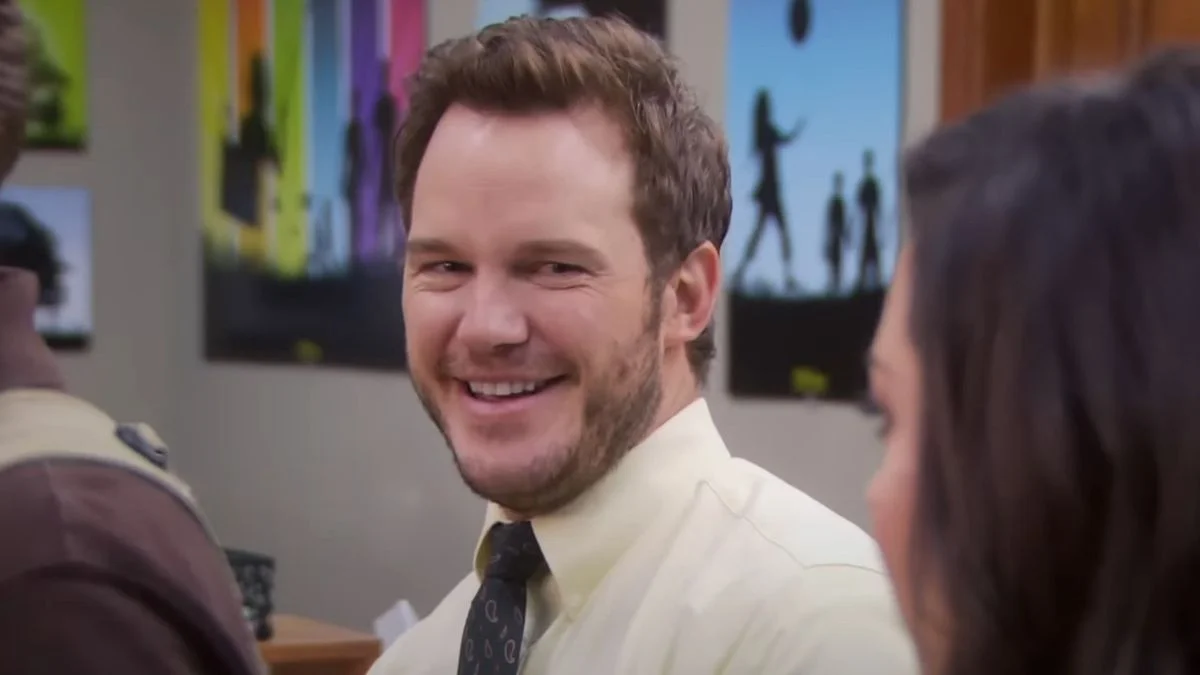
When Pratt read for Steve Rogers, most viewers knew him as Andy Dwyer on Parks and Recreation, the lovable mess at the center of NBC’s workplace comedy. Finn said he did not lean on that comic persona in the audition. Instead, he delivered a sincere speech meant to rally someone and show courage.
Finn remembered the performance as simple, heartfelt, and noble. She did not think the speech appeared in Captain America: The First Avenger, and she did not describe Pratt as a finalist. Her point was smaller and more useful: after that audition, she kept paying attention to him. A casting director had seen a quality that his sitcom work did not always show.
Chris Evans fit Steve Rogers’ specific kind of hero
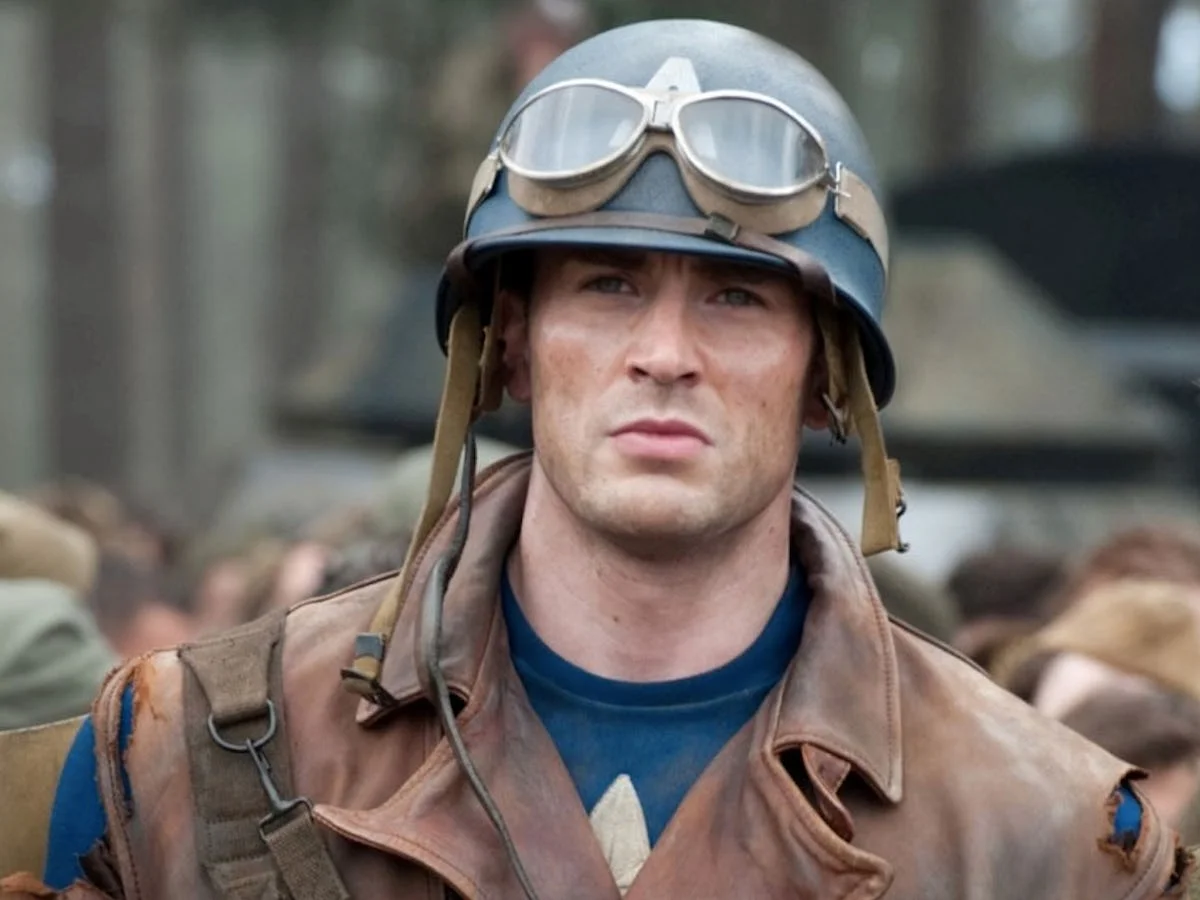
Captain America needed more than a performer who could look convincing in a uniform. Steve Rogers has to sound decent without becoming stiff, carry moral conviction without turning smug, and remain vulnerable after the super-soldier serum changes his body. Vanity Fair’s account of Marvel’s casting process describes the qualities Finn saw in Evans: humility, a moral compass, relatability, and strength that could still leave room for vulnerability.
Pratt’s serious reading showed that he could reach for a heroic register, but that did not make him the right Steve Rogers. Evans was chosen for Captain America: The First Avenger and stayed with the character through the original Avengers run. The two actors were not competing for the same kind of screen energy; Marvel was looking for a very specific version of both men.
Marvel kept Pratt in mind for Star-Lord
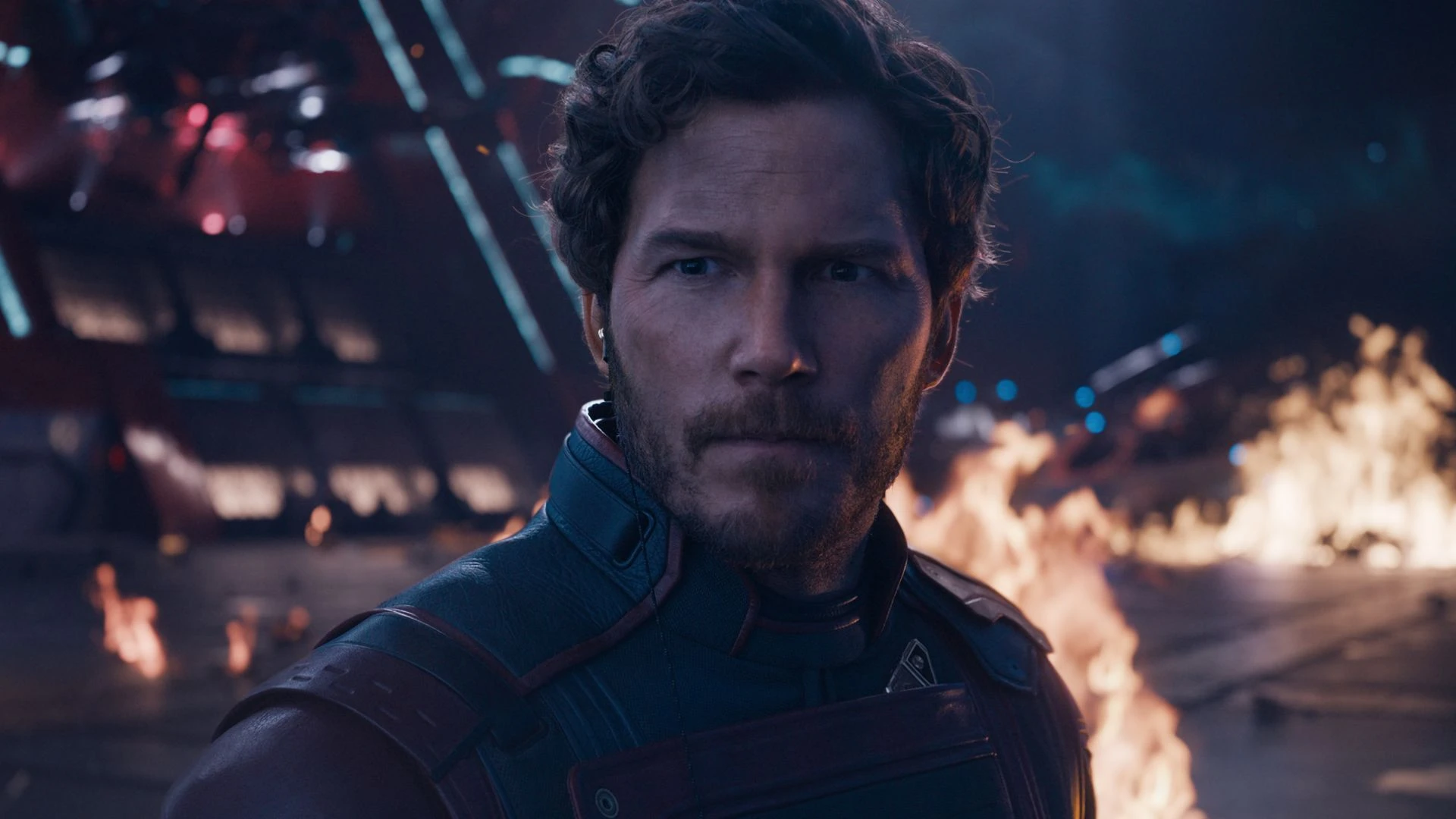
A few years later, Finn was casting Guardians of the Galaxy, James Gunn’s 2014 movie about a group of reluctant heroes in space. Peter Quill needed a different kind of lead from Steve Rogers. He is a thief, a flirt, and a serial bad decision-maker who hides grief behind jokes and an old mixtape.
Finn remembered the spark from Pratt’s Captain America reading and pushed Gunn to consider him. Gunn initially thought Pratt was completely wrong for the role, according to the accounts from Finn. That hesitation makes the story more revealing: Pratt was not an obvious choice on paper, and the casting only moved forward because Finn kept the earlier audition in mind.
The screen test changed James Gunn’s mind
Gunn eventually agreed to let Pratt screen-test for Star-Lord. Vanity Fair’s account describes Pratt walking into the room and finding the character almost immediately. Within seconds, Gunn turned to Finn and said Pratt was the guy. The test gave the director something a résumé could not: a live look at the actor’s timing, swagger, and ability to let the jokes drop when the scene needed real feeling.
That test also answered the practical question of whether the Andy Dwyer actor could lead a science-fiction adventure. Pratt still had to train for the physical demands of the part, but the emotional and comic balance was already visible. Marvel did not need to erase his old image; it needed to aim that image at a character who could use it.
Star-Lord gave Pratt room that Captain America did not
Steve Rogers is built around restraint. Peter Quill is built around deflection. Quill talks when he is scared, turns serious moments into bits, and then has to decide whether he is willing to act like a leader. Pratt’s comedy background made the rhythm natural, while the quieter scenes with his teammates showed that he could carry loss without abandoning the character’s sense of fun.
That mix became the center of Pratt’s Marvel career. Star-Lord could be selfish, funny, annoying, and unexpectedly kind in the same scene. The role did not ask Pratt to become a different actor so much as it allowed the serious quality Finn noticed to sit next to the comic timing audiences already knew.
This was not a case of Marvel nearly casting Pratt as Captain America
The clean version of the story is less dramatic than the alternate-casting headlines suggest. Finn remembered Pratt, but her earlier assessment was that Captain America was not quite the fit. Evans received the role, and nothing in the new recollection suggests Pratt was a secret runner-up or that Marvel had to choose between the two Chrises at the last minute.
What the audition did was give Finn a reason to bring Pratt up when Star-Lord needed a face. That small piece of continuity helped get him into the room with Gunn, where the screen test made the final argument. Marvel’s casting history is full of performers who read for one part and later find the role that suits them better; our coverage of Adam Driver’s reported Mister Sinister role looks at another recent example of that process.
Would Chris Pratt have worked as Captain America?
He probably could have played a credible version of the hero after the required training, but the audition story points to a better answer: Star-Lord used more of what made Pratt distinctive. Captain America needed Evans’ controlled sincerity. Guardians needed an actor who could make a bad joke, break a heart, and still convince the audience to follow him into a spaceship.
Pratt’s Captain America reading did not predict his whole career. It simply showed Finn enough to keep watching. Steve Rogers went to Chris Evans, Peter Quill went to Chris Pratt, and Marvel eventually found the role that brought both sides of Pratt’s performance into the same frame.