Apple TV costs more in the United States again. The monthly plan is now $14.99 instead of $12.99, the annual plan is $119 instead of $99, and Apple One Individual is $21.95 instead of $19.95.
A $2 increase can look harmless on its own. This is the fourth U.S. price increase since Apple TV launched at $4.99 in 2019, and Apple has not announced a new subscription tier or a new benefit tied to this latest charge. For subscribers, the useful question is whether the current catalog earns another renewal.
The new Apple TV prices
Here is what U.S. customers pay now:
- Monthly Apple TV: $14.99, up $2 from $12.99.
- Annual Apple TV: $119, up $20 from $99.
- Apple One Individual: $21.95 per month, up $2 from $19.95.
Apple One Family remains $27.95 per month and Apple One Premier remains $39.95. Those plans already went up in July, so they were not raised again with the standalone Apple TV change.
The hike adds up quickly
The monthly plan now costs $179.88 over twelve payments. The $119 annual plan saves $60.88 compared with paying monthly for a full year, but it only makes sense if you expect to keep watching for at least eight months. Paying the full amount up front also removes the easy option of canceling after one series ends.
The annual price is $20 higher than before, while the monthly price adds $24 across a full year. That difference is easy to miss when the change is presented as “just” two dollars, especially for a household paying for several streaming services at the same time.
What you actually get for $14.99
Apple describes the service as a home for hundreds of exclusive shows and movies, with new releases every week and no ads. The subscription also includes live Formula 1, MLS, and Friday Night Baseball coverage in supported markets. One plan can be shared with up to six people through Family Sharing, and the Apple TV app works on phones, smart TVs, streaming sticks, computers, and the web.
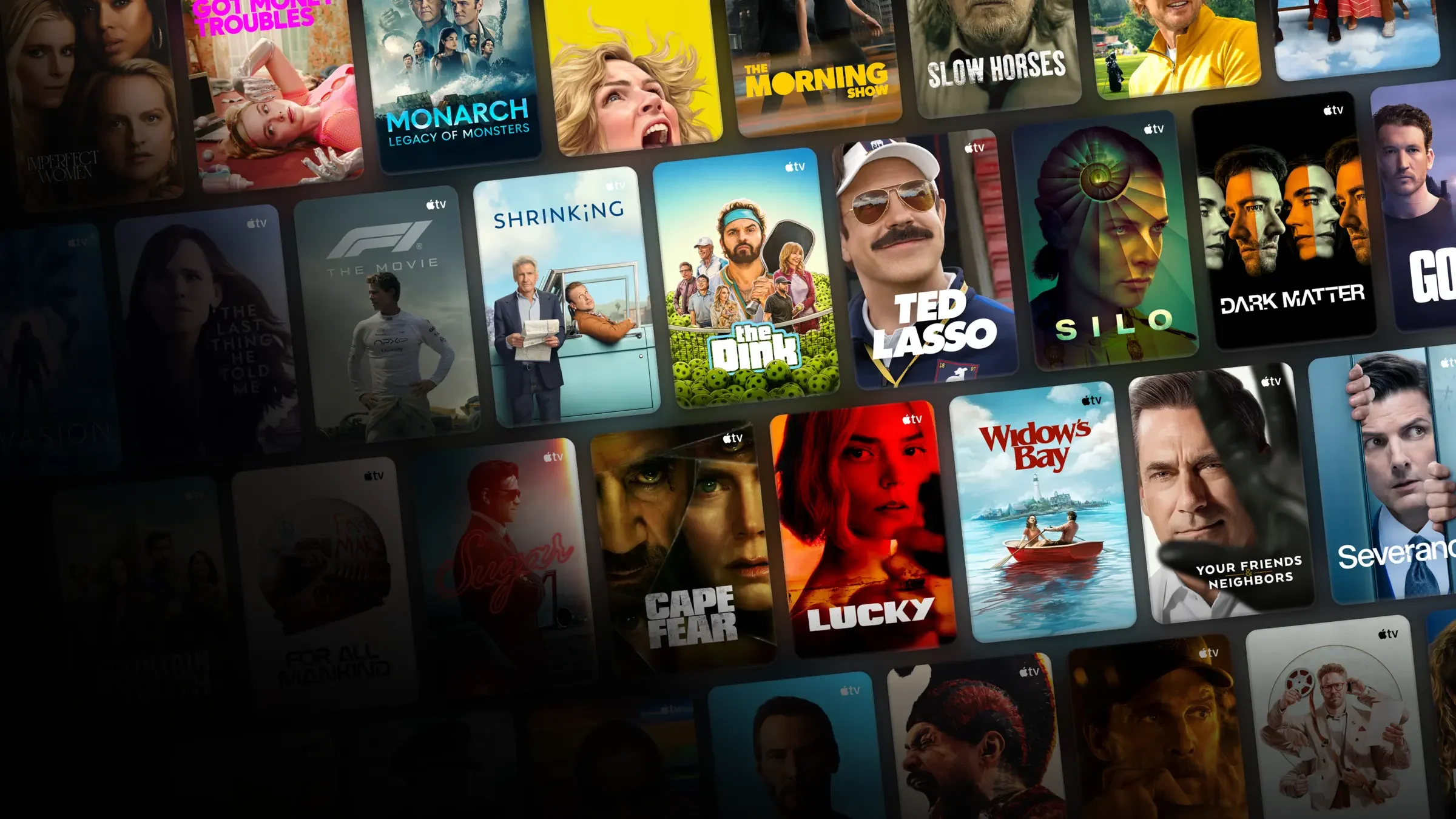
That is a solid list of features, but it does not answer the renewal question by itself. Our Dark Matter Season 2 episode guide and Neuromancer trailer coverage show the kind of Apple TV releases that can bring viewers back. The value depends on how often you actually use the subscription, not how many titles Apple can list on its landing page.
Who should think twice before renewing?
If you subscribe for one show, the new price makes rotating services a more sensible option. Watch the series you want, cancel before the next renewal, and return when another season arrives. That approach is less convenient than keeping every service active, but it avoids paying for empty months.
Apple One Individual needs a separate calculation. It can be cheaper than buying several Apple services separately, but it is not a discount on Apple TV alone. If you do not already use the other services in the bundle, the $21.95 price is simply a larger monthly bill.
When will existing subscribers pay more?
New subscribers see the higher price immediately. Existing subscribers should receive an email roughly one month before the new charge applies to their next renewal, giving them time to cancel or switch plans. Apple also raised the Apple TV price in Brazil, Chile, and Mexico, although the numbers differ by market.
Check the renewal date in your Apple account instead of waiting for the charge to surprise you. The notice is the practical part of this announcement: it gives you a short window to decide whether you still want the service at its new price.
Is Apple TV still worth renewing?
For people who watch several Apple Originals, share the account, or use the included sports coverage, $14.99 may still be reasonable. For everyone else, the latest increase makes the service harder to leave on autopay. The catalog did not suddenly get worse, but the subscription became less forgiving for anyone who only checks in for one show at a time.
Apple’s latest move is not a reason to declare the service a bad deal for everyone. It is a reason to stop treating the renewal as automatic. At $14.99 a month, subscribers should decide what they are watching before Apple decides the next charge for them.