
RELEASED
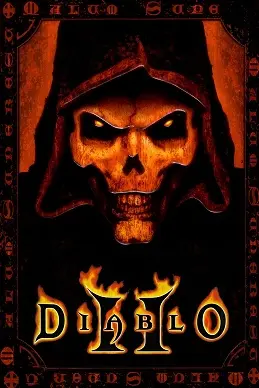
Diablo II
Diablo II sends a chosen hero across Sanctuary to pursue the Dark Wanderer while randomized loot and skill choices shape every fight.
Game Overview
Platforms


Diablo II begins after the first game's battle with Diablo, as the Dark Wanderer travels east and leaves corrupted lands behind him. From the Rogue Encampment onward, the player follows his trail through four acts, moving from the Western Kingdoms to the deserts of Aranoch, the jungles of Kurast, and the Pandemonium Fortress. The original game offers five classes: Amazon, Barbarian, Necromancer, Paladin, and Sorceress. Each class has its own skills, equipment priorities, and way of controlling a fight.
Read full overview
Combat is built around direct movement, attacks, spells, and a constant stream of weapons, armor, gems, and other randomized rewards. Skill trees make every level a decision, while hirelings, waypoints, quests, town vendors, and Battle.net add structure around the dungeon runs. Town Portal scrolls make short returns to town practical, but inventory space and gold still force regular choices about what to keep, sell, or identify.
Start by reading the first three skill trees before spending points, then commit to a main damage plan instead of spreading every point across unrelated attacks. Activate waypoints, speak to townsfolk, and carry healing and portal supplies. If a boss overwhelms you, change your positioning, resistances, or hireling support before simply repeating the same charge.
This entry is the 2000 base game, not the Lord of Destruction expansion, its added Act V and classes, or the 2021 Diablo II: Resurrected visual remaster.
Franchise
Community reviews
What readers think of Diablo II.
Loading community reviews…