Portal is one of gaming's cleanest examples of a perfect idea executed with ruthless focus. Give the player a portal gun, put them inside a test chamber, and ask them to think about space differently. The result is a puzzle franchise where the central mechanic is easy to explain and still capable of making the player feel extremely clever or very foolish within seconds.
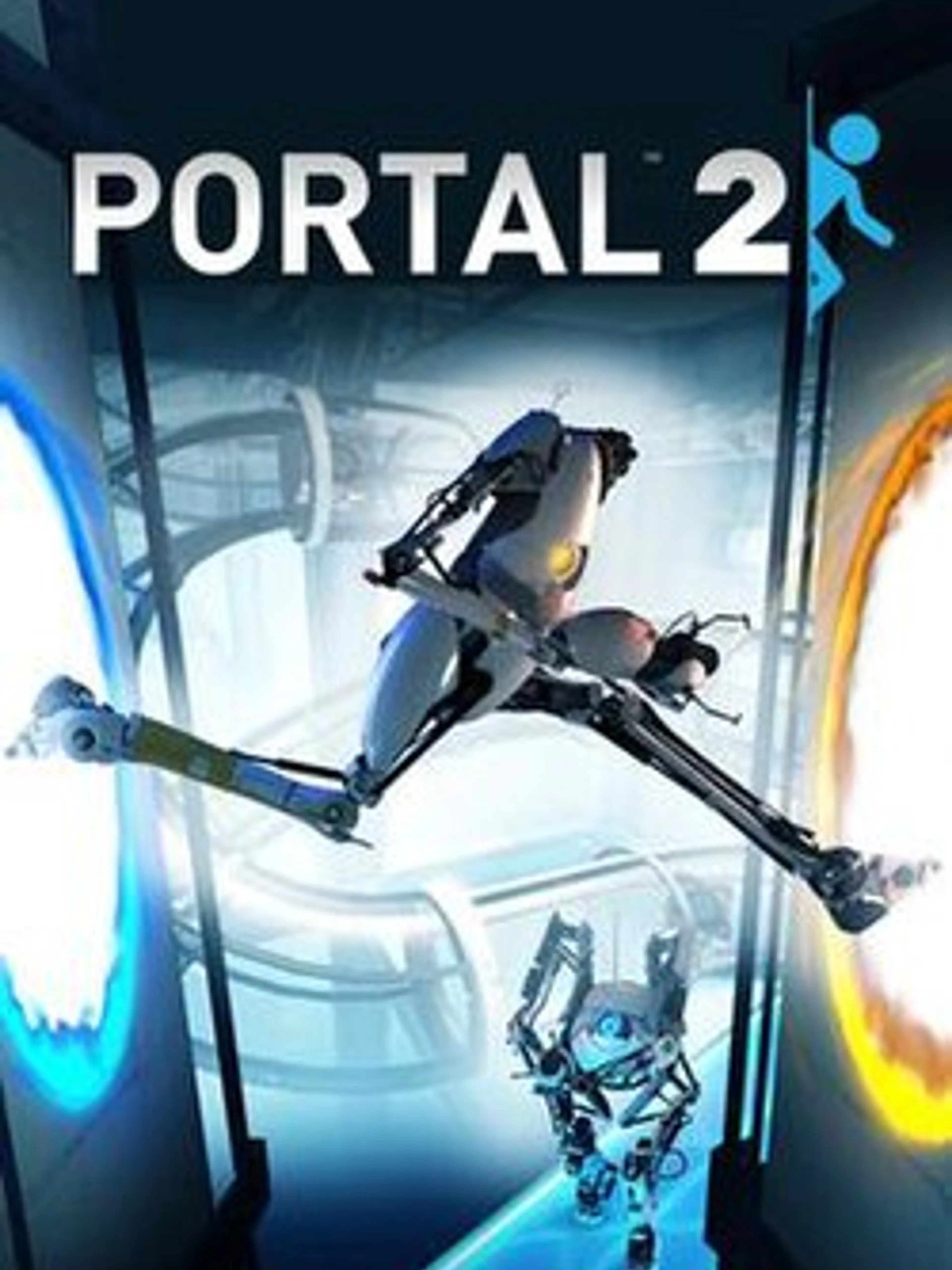
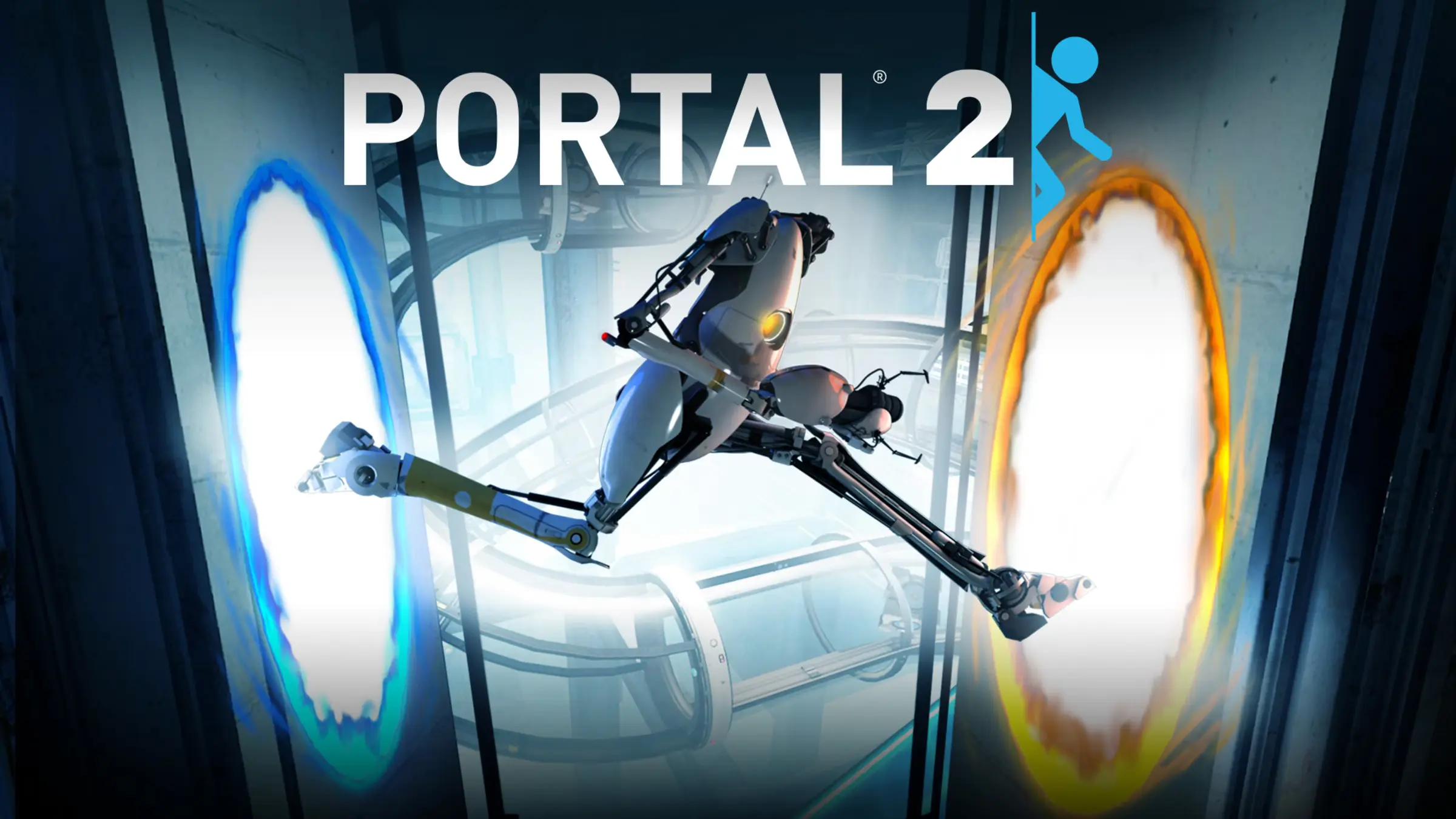
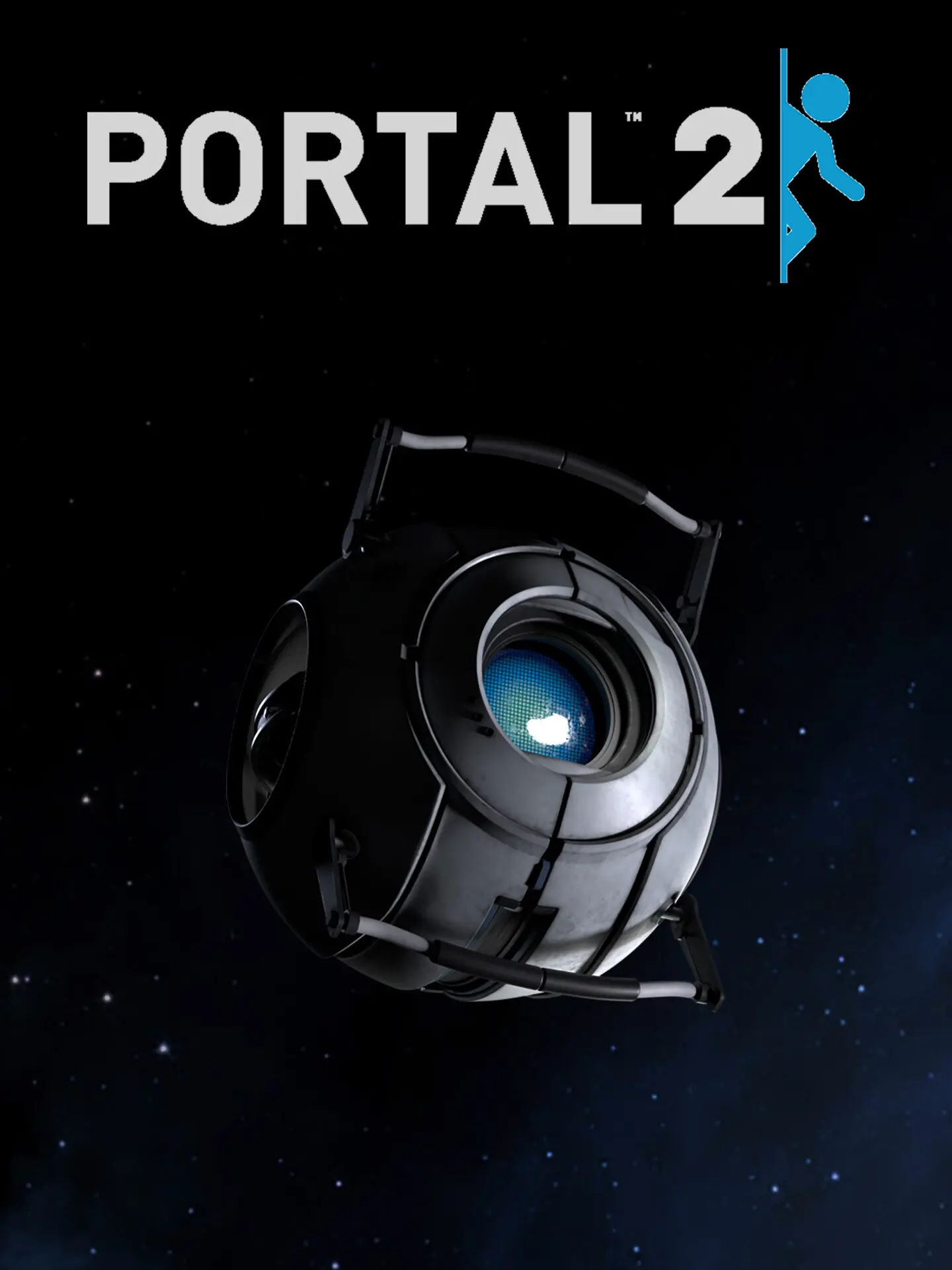
Valve built Portal around Aperture Science, a corporate testing facility whose sterile rooms hide rot, absurdity, and danger. Chell's escape attempts, GLaDOS's voice, and the cruel politeness of the testing structure give the series a tone that is funny without losing tension. Portal 2 widens the world with Wheatley, Cave Johnson, old Aperture history, and a co-op campaign that turns communication itself into part of the puzzle.
So many modern puzzle and co-op games are still compared to Portal because the series is more than a fond memory. It is a design benchmark. Its best jokes are tied to mechanics, and its best puzzles teach without feeling like a classroom.
Portal 2 gives players a fuller story and co-op mode, while the original Portal stays shorter and sharper. Together they show why a small mechanic, handled with confidence, can become one of Valve's most durable identities. The series still feels modern because every joke, room, and reveal respects the player's intelligence.