Portal 2 still sits on Steam as Valve’s official co-op puzzle touchstone, and that matters because the game has become more than a back-catalog listing. It is the comparison point that follows almost every two-player puzzler into the room before the new game gets a chance to speak for itself. According to Steam’s product page, Portal 2 remains an official Valve title, which gives this discussion a clean source anchor: we are not talking about rumor, nostalgia vapor, or a half-remembered forum myth. We are talking about a real, still-indexed game that continues to define the vocabulary around puzzle co-op.
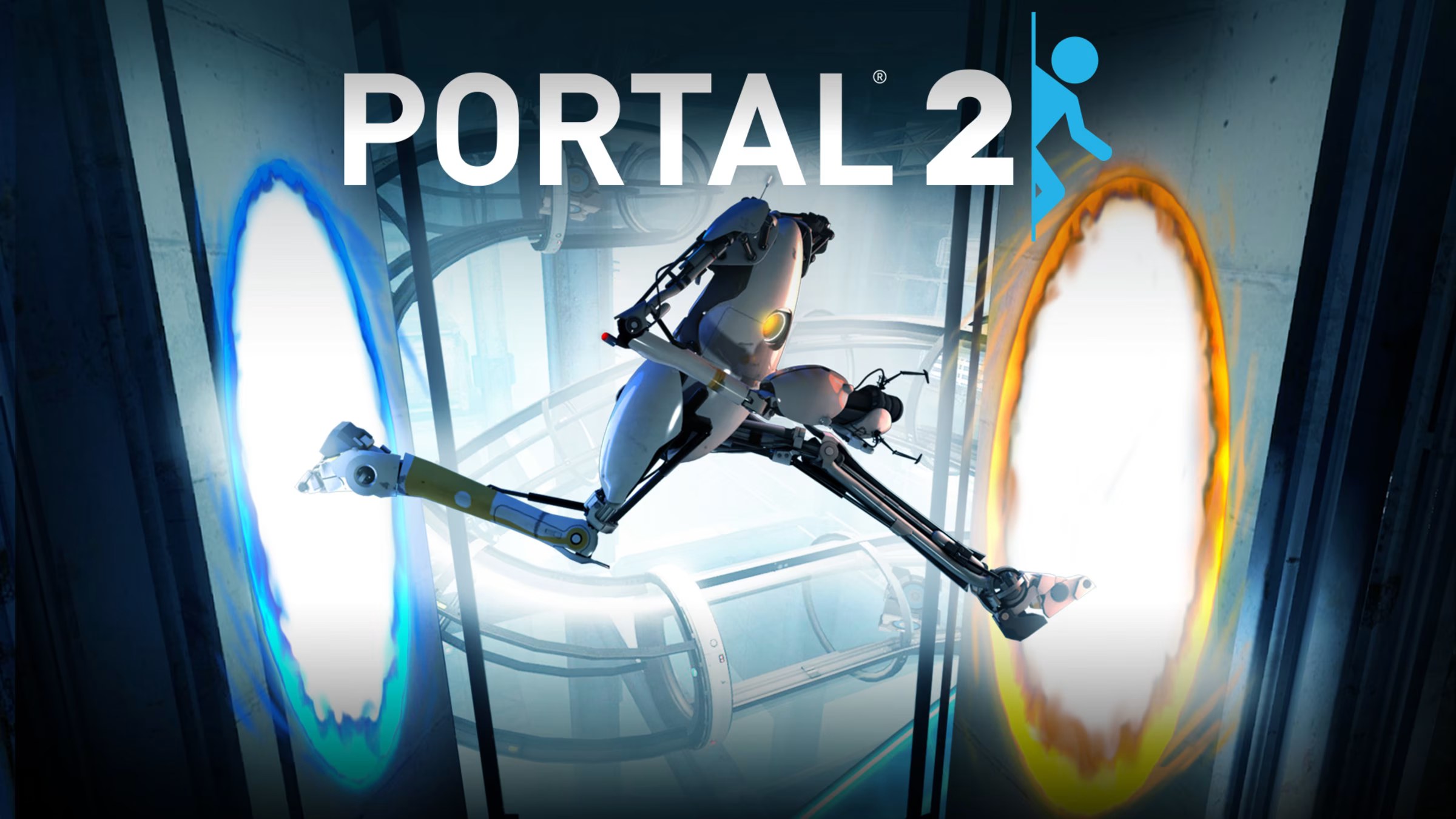
The useful read is not simply “Portal 2 was good,” because that kind of praise is too soft to explain why it keeps getting dragged into comparison threads. The stronger point is that Portal 2 made puzzle structure, co-op friction, and comedy feel like parts of the same machine. A lot of games can give two players switches, doors, hazards, and timing problems. Fewer can make the argument between those two players feel like the intended texture instead of a failure state. Portal 2’s shadow is long because its co-op identity is not just a feature label; it is the core test.
That distinction is where newer co-op puzzle games usually get judged, sometimes too harshly. A game can be cooperative because two avatars are present, or it can be cooperative because the solution only forms when two people communicate clearly under pressure. Portal 2 is constantly invoked because players remember the second version: the kind of co-op where silence is suspicious, overexplaining is dangerous, and the wrong assumption can waste more time than the wrong input. The argument here is that its design reputation comes from how legible the problems feel even when the solution is not obvious.
Puzzle games live or die on trust. If players think the game is hiding information unfairly, the room goes cold. If the game over-signposts the answer, the room goes limp. Portal 2’s enduring reputation comes from landing in that uncomfortable middle space where the answer feels impossible until it suddenly feels inevitable. That is the puzzle-design magic trick every successor wants but cannot simply borrow. Portals, buttons, timing, space, and communication are not enough on their own. The hard part is making the player believe the failure was theirs without making the design feel smug about it.
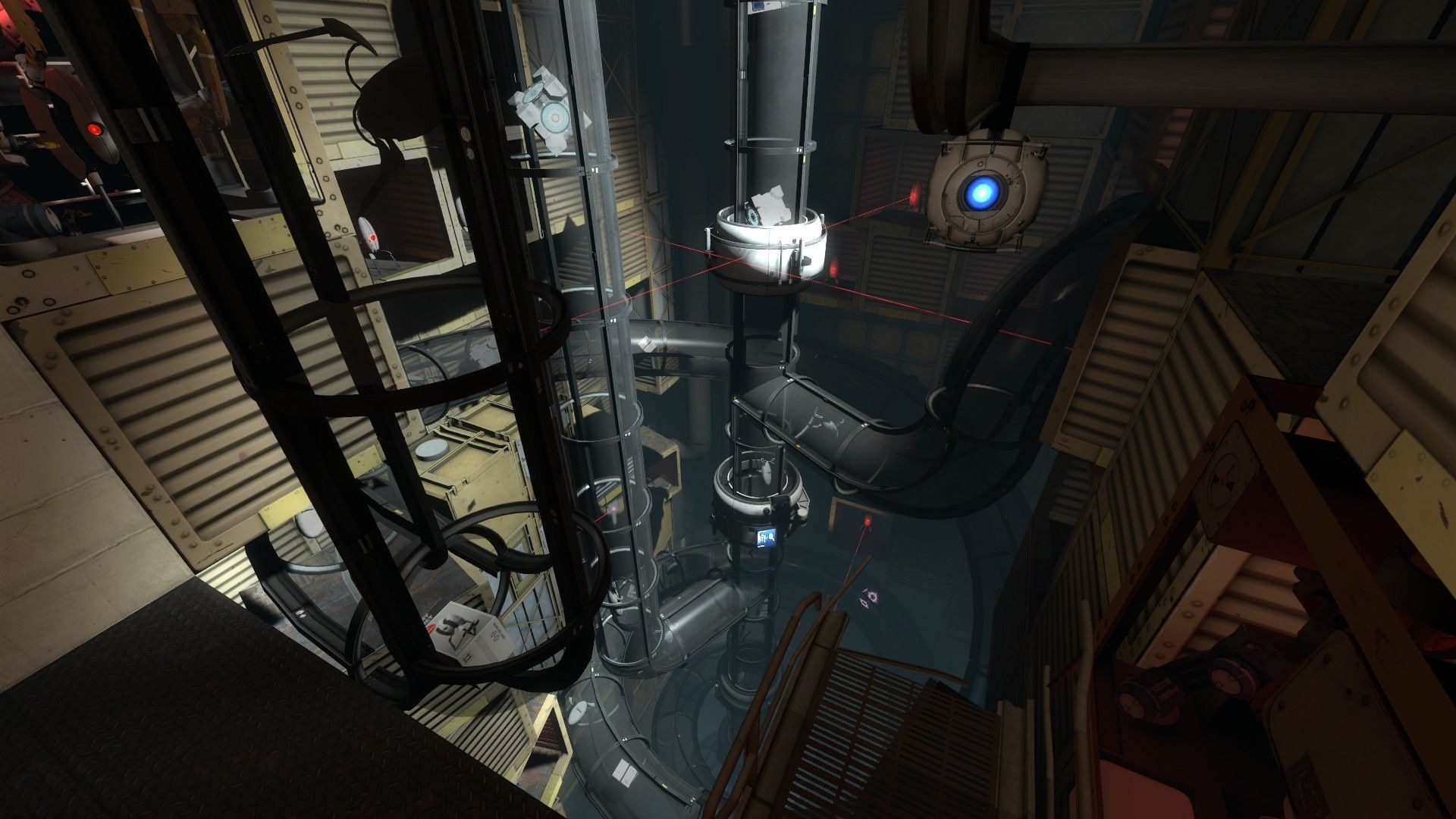
The comedy matters more than it usually gets credit for in these comparisons. The packet’s angle names comedy as part of why Portal 2 feels timeless, and that is the right pressure point: humor in a puzzle game can either sharpen the experience or sabotage it. If the joke interrupts the thinking, it becomes noise. If it relieves frustration without deflating the challenge, it becomes part of the pacing. Portal 2 is still cited because its comic identity is tied to the rhythm of solving, failing, retrying, and blaming the room, the partner, or the machine before finally admitting the answer was sitting there all along.
The community debate is less about whether Portal 2 deserves respect and more about whether the comparison has become lazy. Using it as a benchmark can help readers understand what kind of co-op puzzle experience a newer game is chasing: communication-heavy, spatial, joke-aware, and built around shared problem-solving. But the same benchmark can flatten everything else. Not every co-op puzzler needs Portal 2’s tone, pacing, or exact balance of comedy and mechanical clarity. Some games may want stress, ambiguity, asymmetry, or quiet instead. The Portal 2 comparison is useful only if it explains a design choice rather than replacing the analysis.
There is also a database-level reason to be precise here. Portal 2 is not a missing-item curiosity or a vague franchise reference; it is an existing game record in Pixel Twelve’s coverage system, with the official Steam page serving as the public product source. That sounds procedural, but it matters for readers because sloppy tagging turns criticism into soup. If an article is about Portal 2’s co-op puzzle legacy, it should attach to Portal 2, not to a generic Portal label, a broad Valve tag, or a vague franchise tag. Specificity matters because it keeps the conversation anchored to the game people actually mean.
Valve’s name also changes the temperature of the conversation. The Steam listing gives Portal 2 an official platform context, while the broader player memory around the title gives it the heavier role of genre measuring stick. Those are separate things. One is a sourced product fact. The other is an editorial reading of how the game functions in discussion. Keeping those apart avoids the usual nostalgia trap, where affection gets treated as evidence and reputation gets treated as proof. Portal 2 does not need inflated claims to remain important. The cleaner case is that players and critics still reach for it because the design vocabulary remains easy to recognize.
That is why the next co-op puzzle game compared to Portal 2 should be asked a sharper question than “is it as good?” The better question is what it learned. Did it learn that two-player puzzles need real communication, not just two sets of inputs? Did it learn that comedy has to serve pacing instead of mugging over the work? Did it learn that a fair puzzle can still make players feel ridiculous? Portal 2 remains the standard because it gives critics and players a shared grammar. The thing to watch next is which new co-op puzzlers use that grammar to say something of their own.