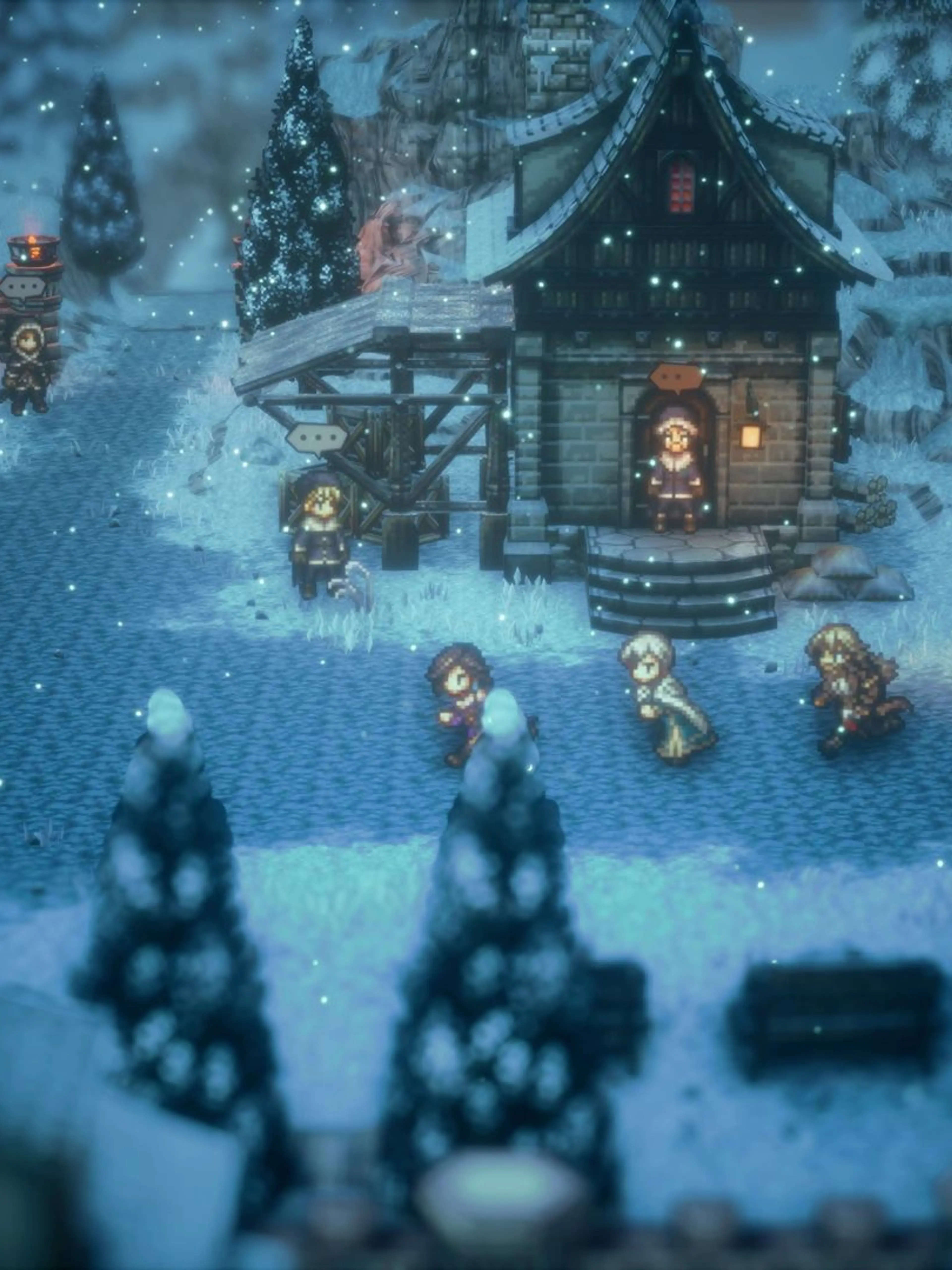
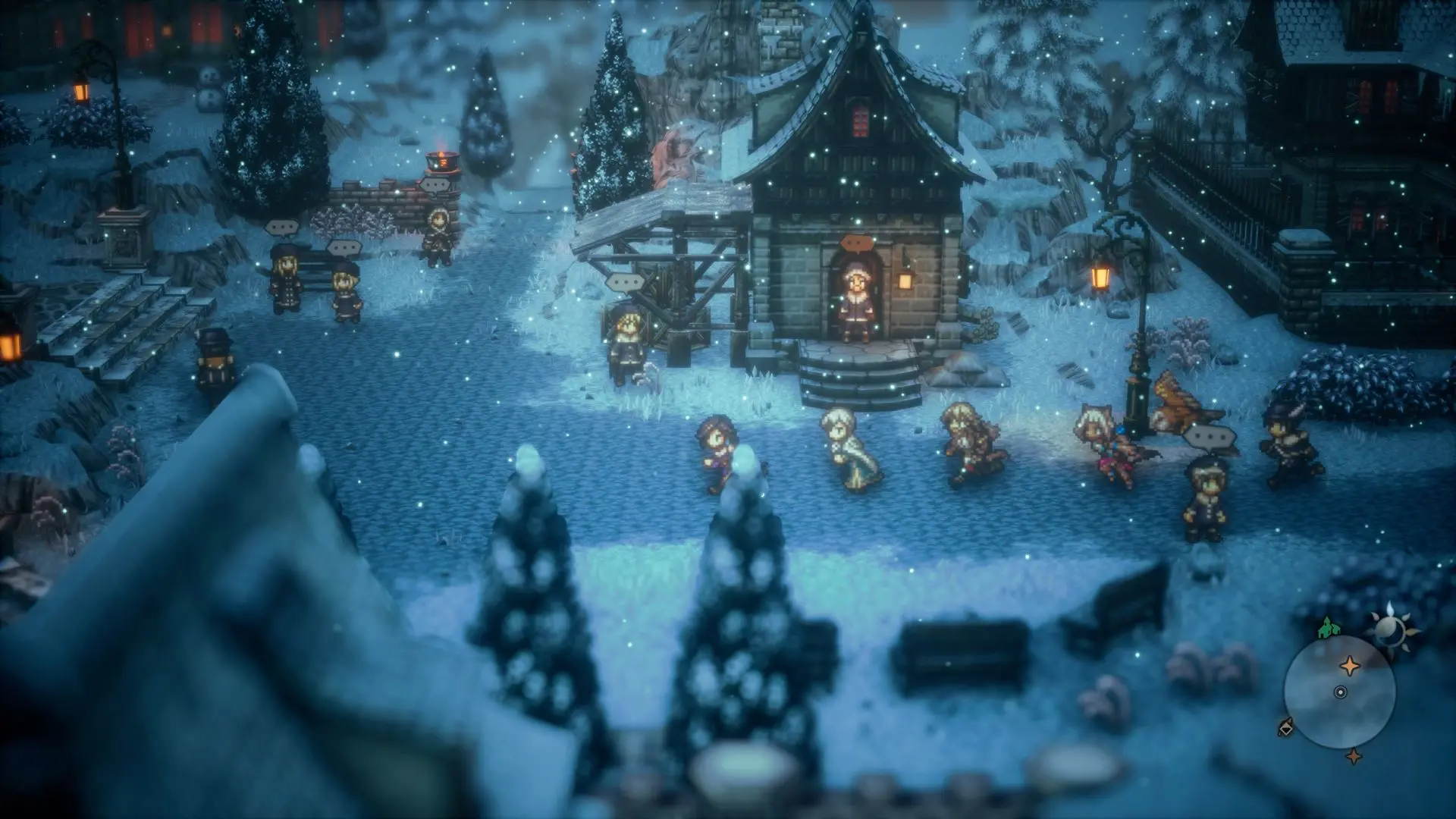
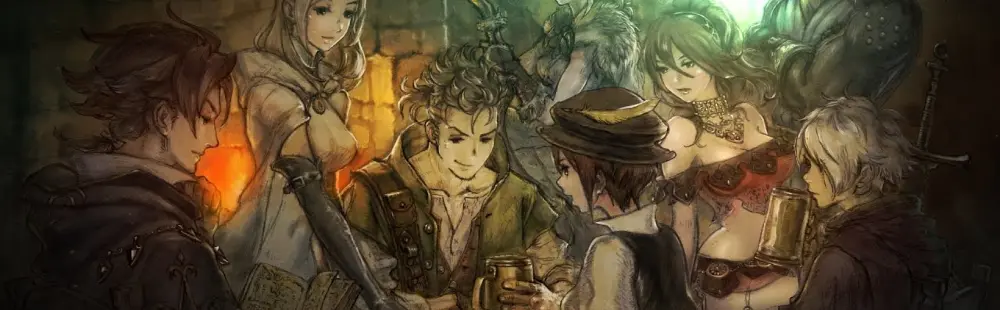
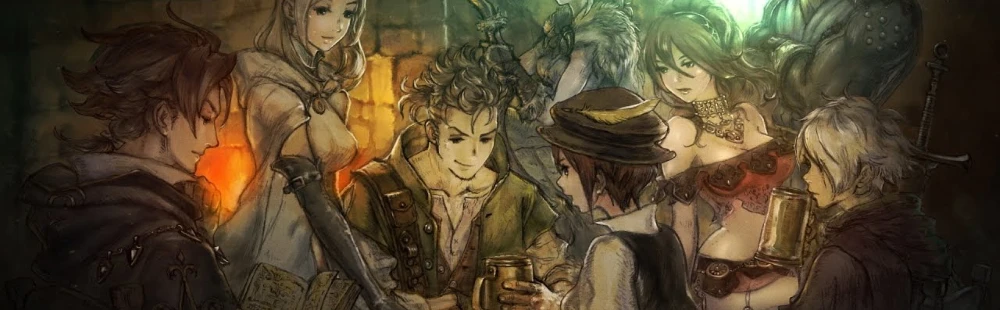
Octopath Traveler has a simple promise that still feels distinctive: choose one of eight heroes, follow their personal path, and slowly let a party of strangers turn into a journey. Square Enix's HD-2D style is a huge part of the identity. The games use pixel characters, dramatic lighting, miniature-looking towns, and sweeping backgrounds to make old-school role-playing feel both nostalgic and expensive.
The franchise is built around multiple protagonists rather than one chosen hero. That structure gives Octopath Traveler a different rhythm from many RPGs. A thief's story, a dancer's revenge, a merchant's optimism, or a scholar's search can sit beside one another without collapsing into the same tone. The party grows through contrast.
Combat is another major reason the series sticks. The break-and-boost system turns turn-based battles into a timing puzzle, asking players to expose enemy weaknesses, control momentum, and decide when to spend stored power. It is approachable, but it rewards patience and planning.
Octopath Traveler II widened the world and sharpened the formula, while Octopath Traveler 0 keeps the series active for players watching Square Enix's next HD-2D moves. The franchise works because it understands the pleasure of a long RPG evening: a new town, a new job skill, a strange side story, a boss that finally cracks after the right setup, and music that makes the road feel larger than the map.