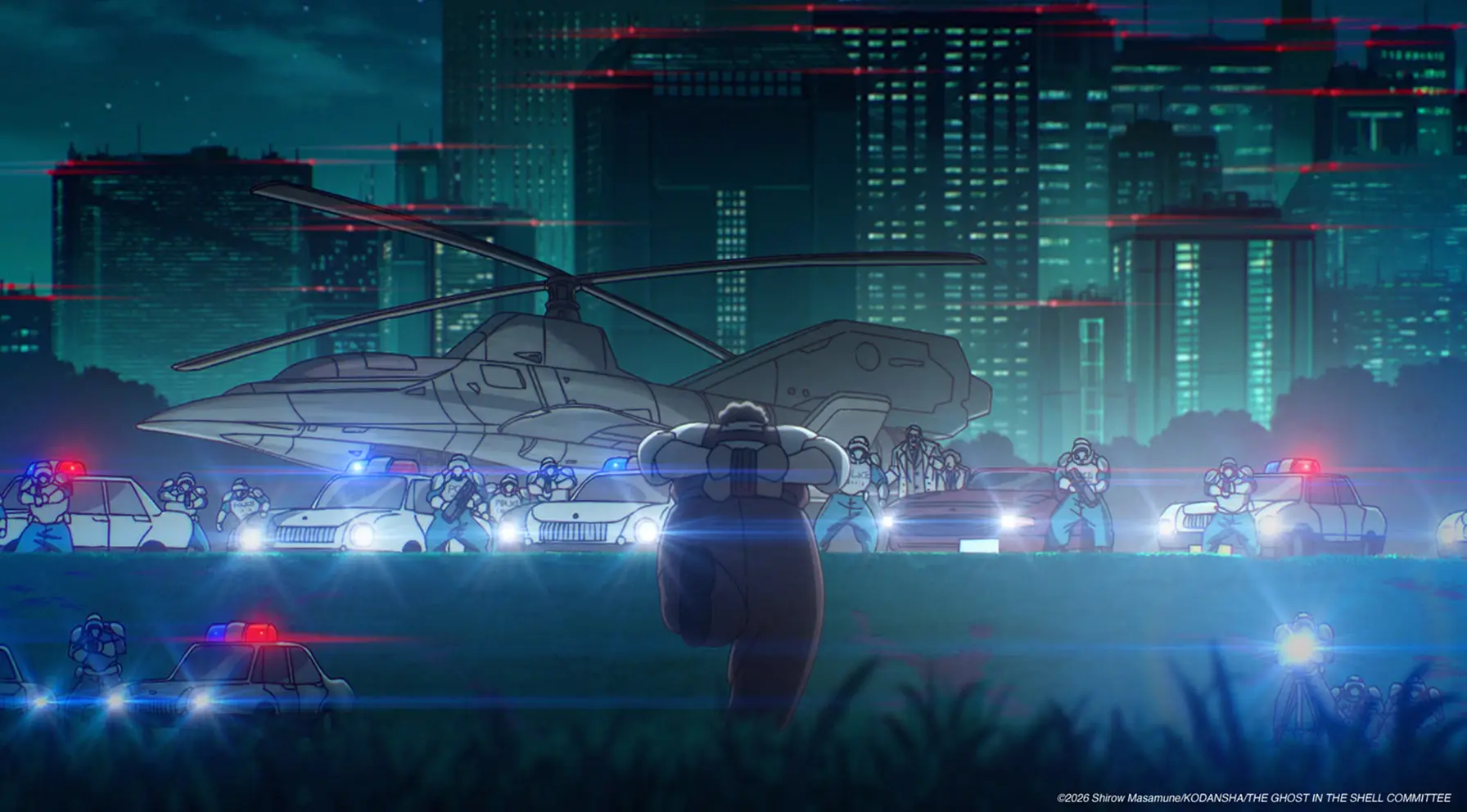
The Ghost in the Shell Episode 9: Motoko’s Trial and Ghorantl
The Ghost in the Shell Episode 9 puts Motoko Kusanagi on trial after a hidden conspiracy leaks an earlier incident; she suspects Ghorantl’s intelligence service.


Franchise
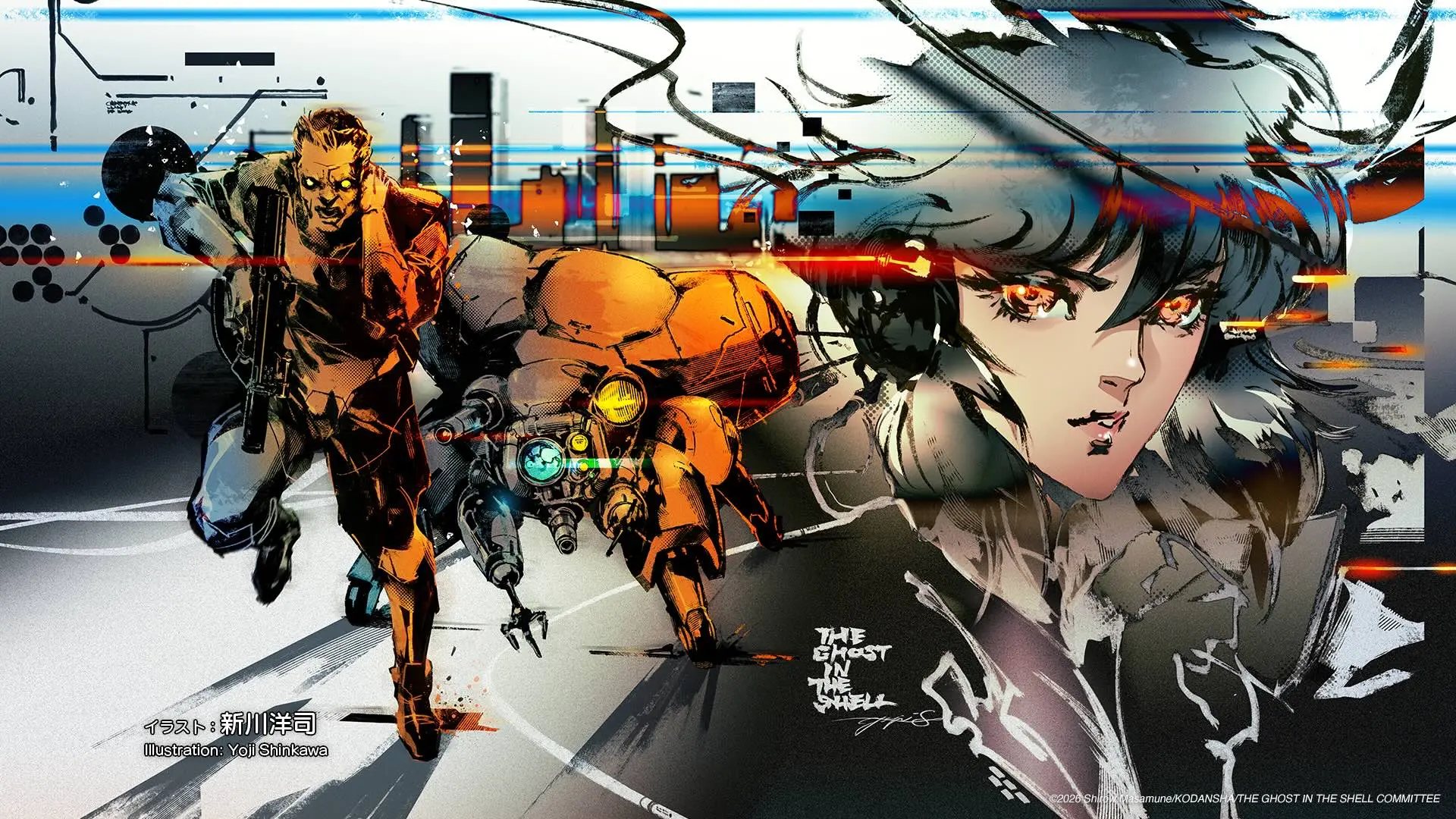
Ghost in the Shell is Masamune Shirow's cyberpunk franchise about Major Motoko Kusanagi, Public Security Section 9, cybercrime, artificial bodies, and identity in a networked world. Science SARU's new anime gives the classic a fresh screen doorway.
Explore
Read next
The Ghost in the Shell Episode 9 puts Motoko Kusanagi on trial after a hidden conspiracy leaks an earlier incident; she suspects Ghorantl’s intelligence service.
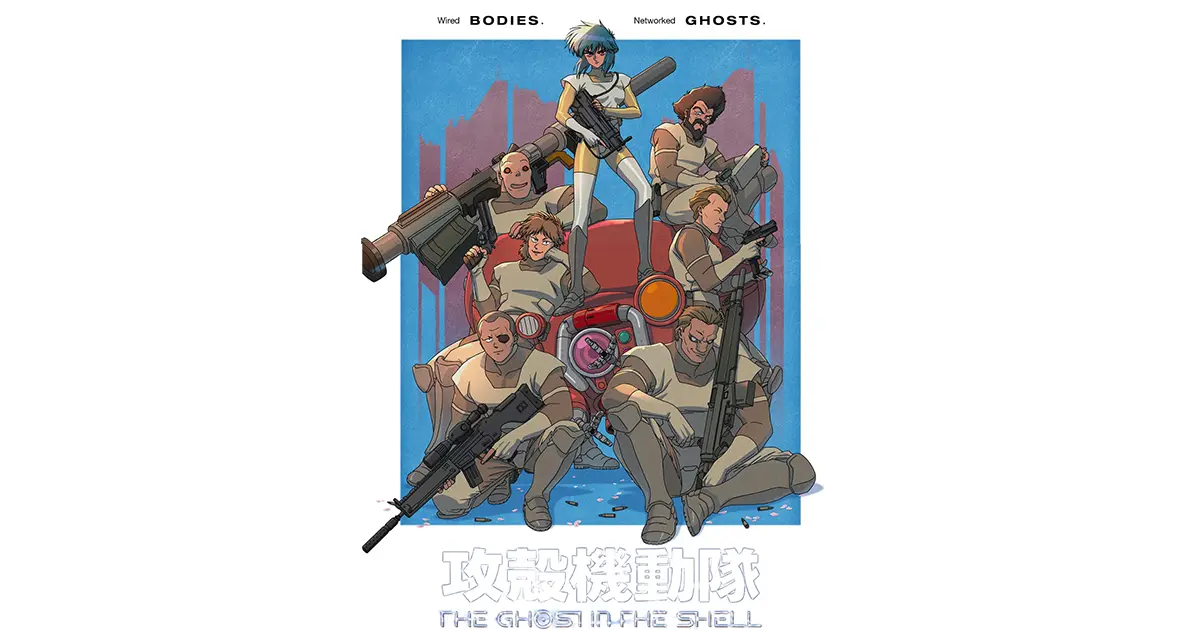
The Ghost in the Shell begins its Science SARU run on July 7, putting Motoko Kusanagi, Section 9, and the Puppet Master back in play.