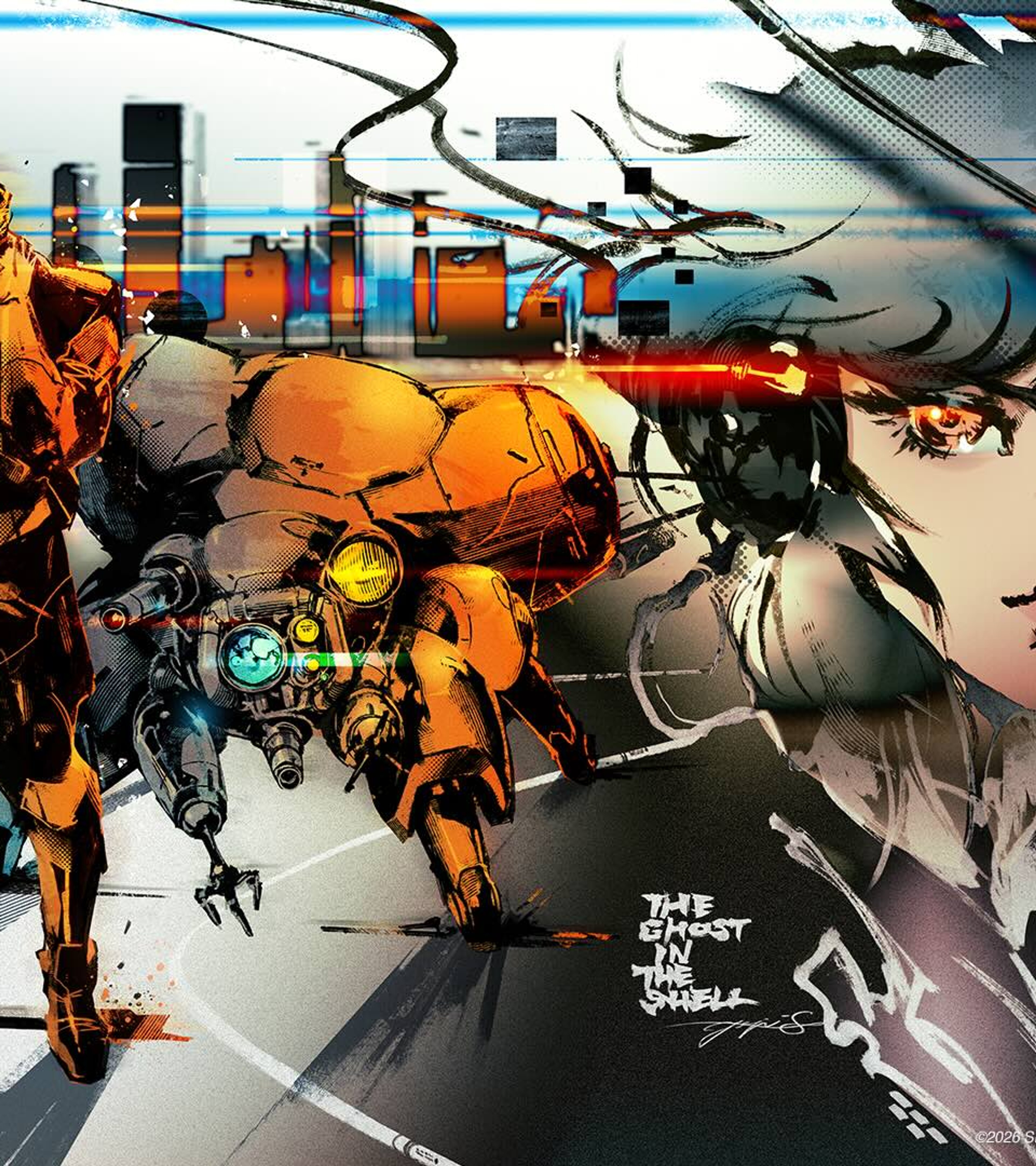
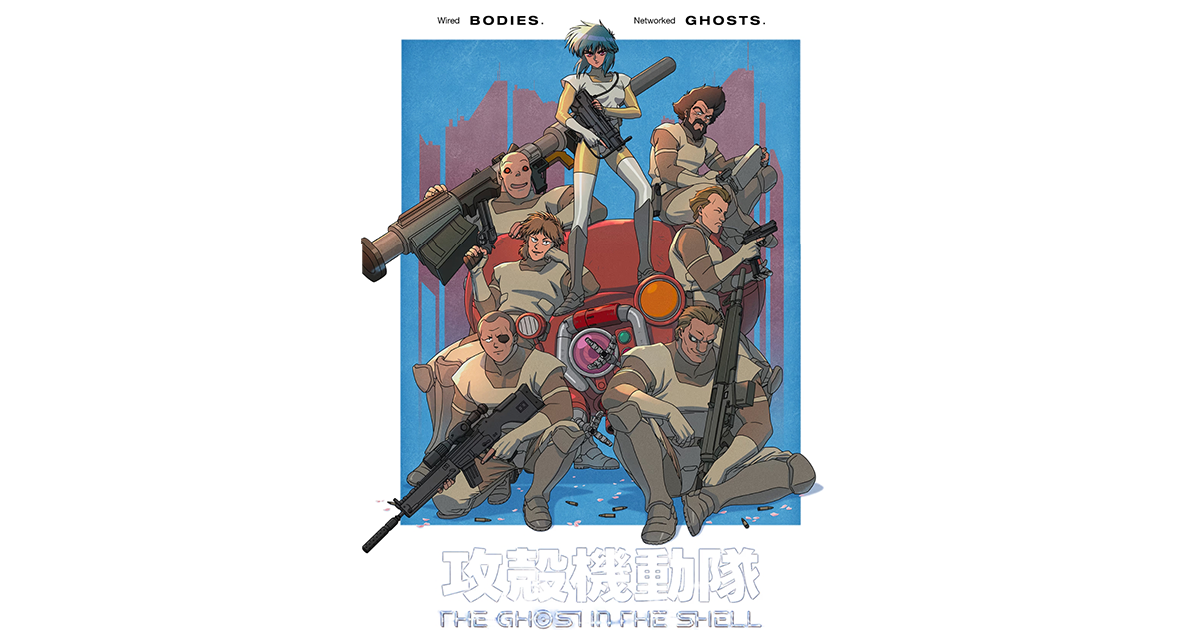
Ghost in the Shell is back in the most difficult way possible: as a new anime that has to honor a classic without moving like a museum piece. The official site has the 2026 series beginning its Japanese broadcast run on July 7, with the story once again centered on Motoko Kusanagi, Public Security Section 9, and the Puppet Master in a 2029 cybercrime world. That setup is familiar. The pressure around it is not.
The franchise carries a strange kind of burden. Even people who have never watched every version know the 1995 film's reputation, the weight of Stand Alone Complex, and the debates that followed later adaptations. A new Ghost in the Shell does not get to be merely competent. It has to convince viewers that the questions at the center of the series still feel alive: identity, surveillance, bodies, memory, networks, and who gets to call themselves human when the line keeps moving.
Science SARU Is the Reason to Pay Attention
Science SARU gives this premiere a sharper hook than a normal reboot announcement. The studio has built a reputation around animation that feels elastic, handmade, and willing to look strange on purpose. That does not automatically make it the perfect fit for Ghost in the Shell, but it does make the choice more interesting than chasing another polished-but-safe franchise revival.
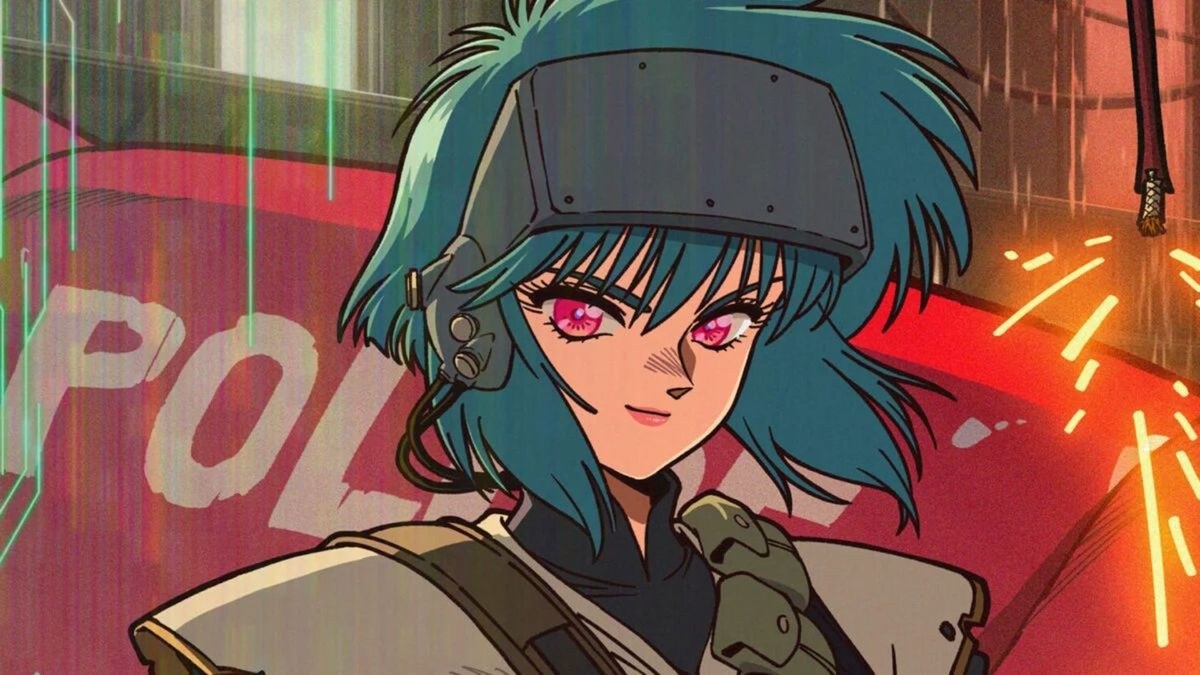
Polygon's earlier breakdown of the project highlighted the creative team, including Moko-chan directing, Toh Enjoe on scripts, and Shuhei Handa handling character design and chief animation direction. GamesRadar's recent reporting also adds a useful wrinkle: the team has pushed back on GenAI speculation, emphasizing that the show's look comes from human-drawn choices rather than machine shortcuts. For an anime about technology eating into the human soul, that production detail almost writes its own conversation.
The visual question matters because Ghost in the Shell has always lived or died by atmosphere. It is not enough for the show to include cyborgs, guns, city lights, and philosophical dialogue. The world needs to feel dense enough that viewers believe every street corner has a database behind it and every quiet room could be a trap. If Science SARU can make that texture feel unstable again, the reboot has a real argument.
Prime Video Gives the Premiere a Wider Stage
Prime Video's involvement changes how fast the reaction can spread. A weekly Japanese broadcast would have reached the core anime audience either way, but worldwide streaming makes the premiere easier for older fans, curious sci-fi viewers, and people who only know the title through cultural memory. That is good for reach. It also means the first episode has less room to hide.
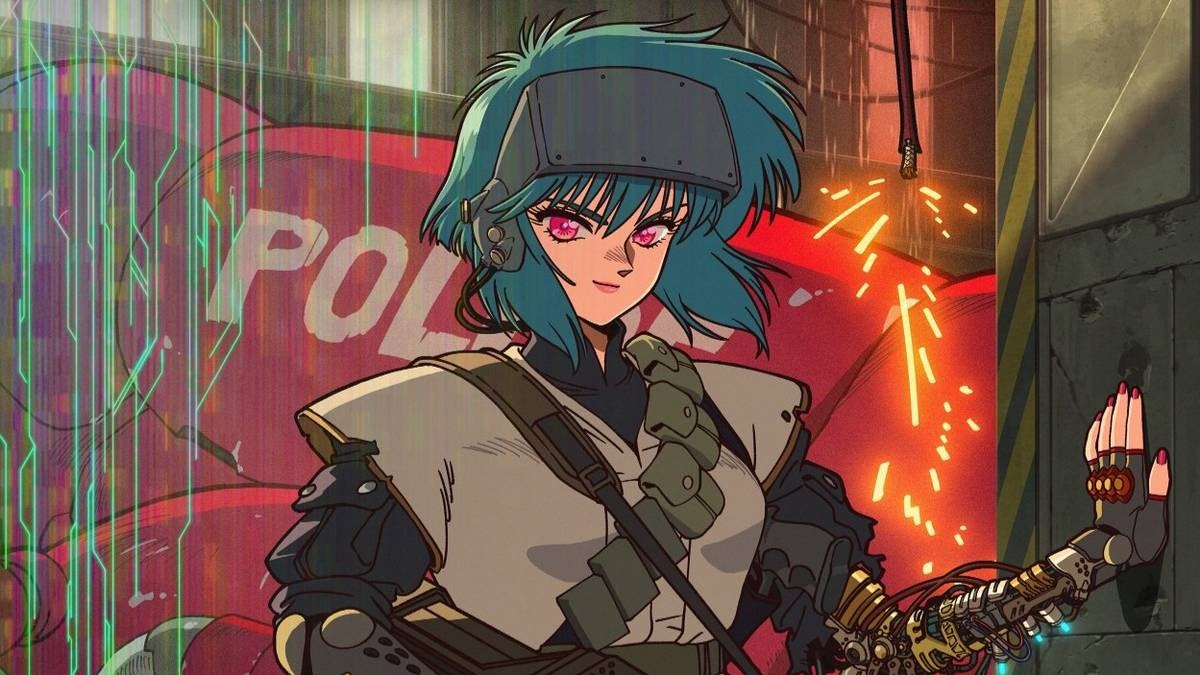
The most interesting version of this new Ghost in the Shell is not the one that simply reassures longtime fans. It is the one that reminds them why the franchise used to feel risky. Cyberpunk has become everyday language now. Everyone carries a networked device, everyone lives around surveillance, and everyone has watched AI turn from a niche tech subject into dinner-table anxiety. A 2026 Ghost in the Shell has to find tension in a world that has caught up to parts of its premise.
That gives the premiere a clean audience question. Are fans ready for another version because they miss the brand, or because this creative team can make the material feel uncomfortable again? Science SARU does not need to copy the old classics to win. It needs to make viewers feel that Motoko's world still has teeth.