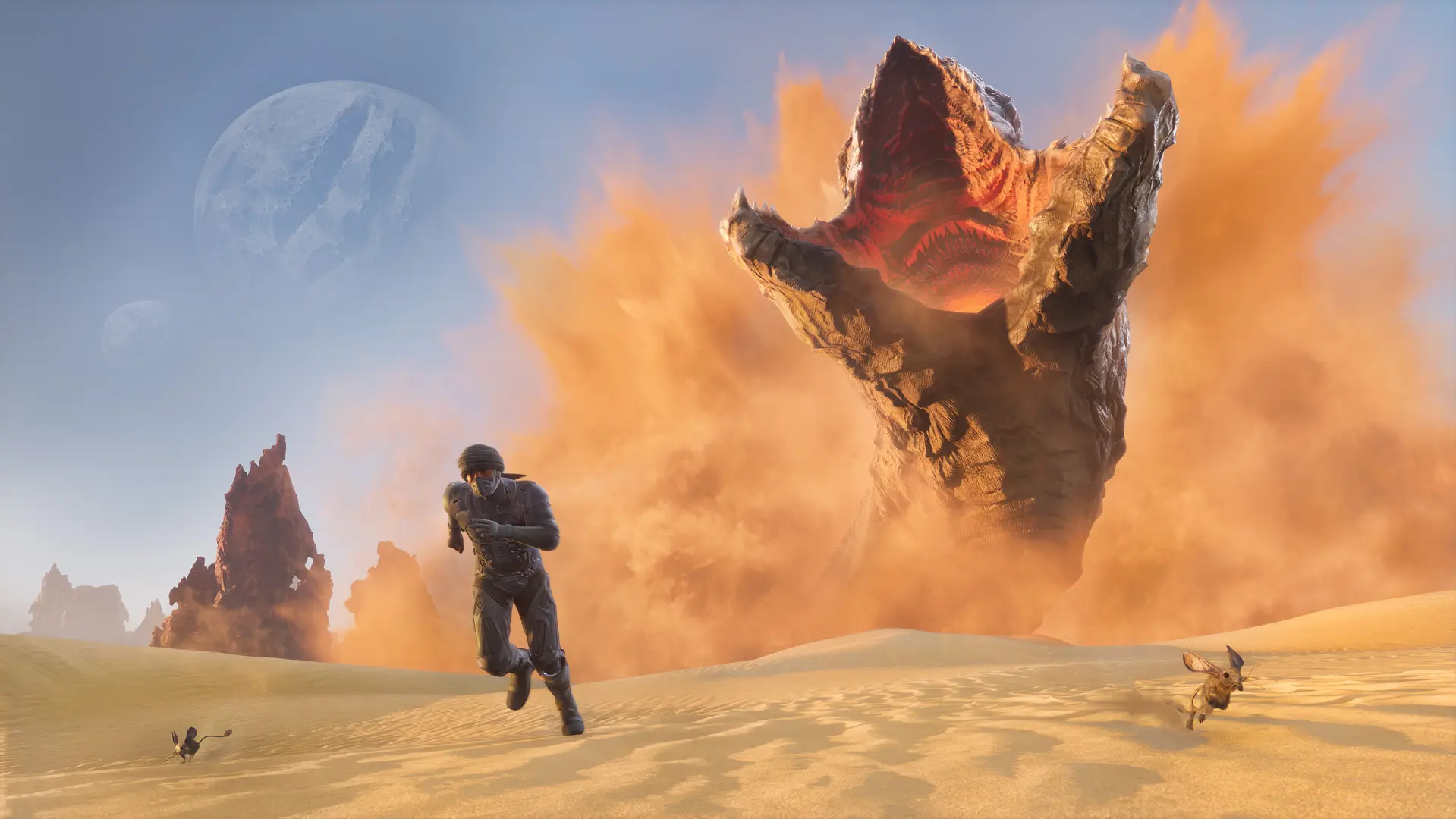
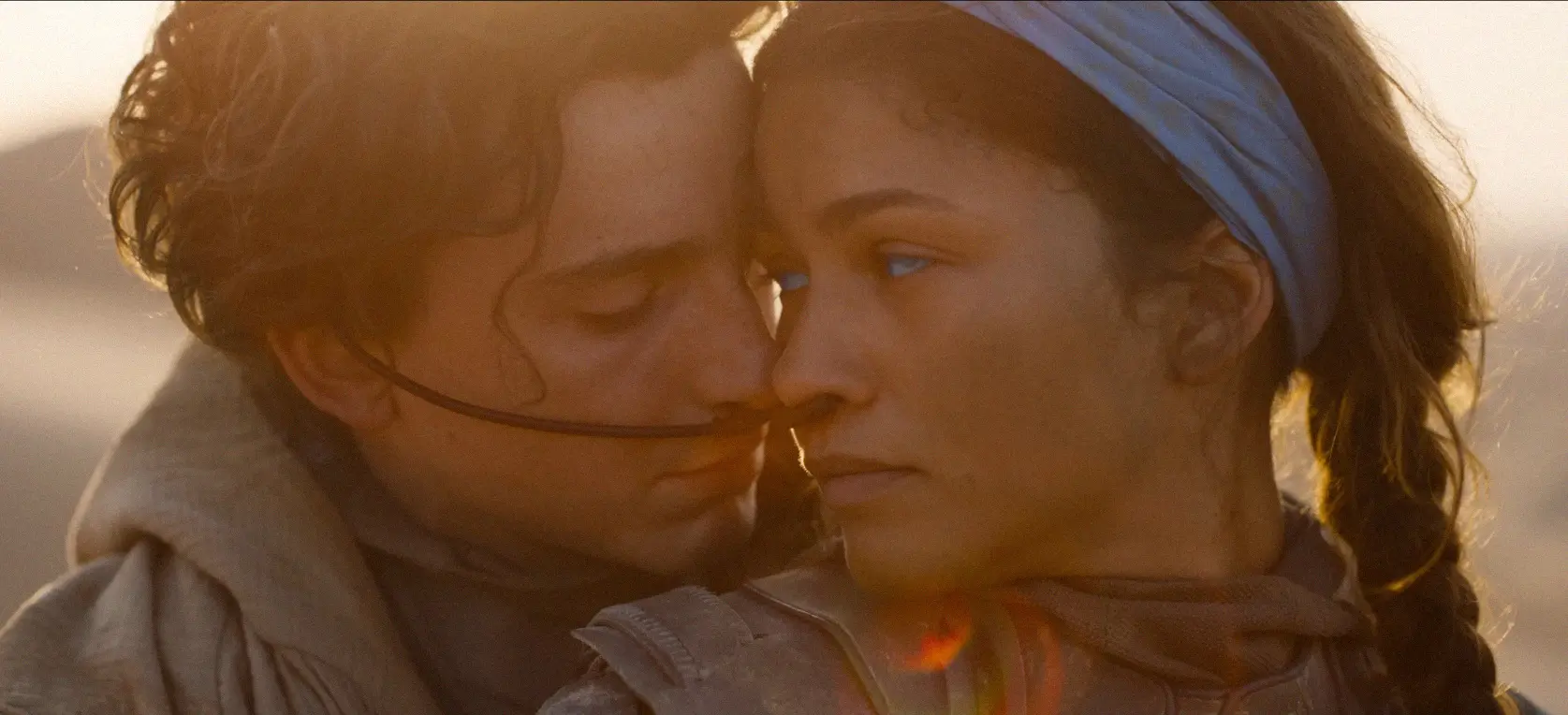
Dune is science fiction with sand in its teeth. Frank Herbert's saga begins on Arrakis, the desert planet that produces spice, the substance that shapes travel, politics, religion, and empire. The setup can sound like a grand adventure, but Dune is really suspicious of simple hero stories. Paul Atreides rises through prophecy and survival, then becomes a warning about what happens when faith and power fuse around one person.
The franchise has giant sandworms, noble houses, assassins, warriors, visions, and political betrayal, but the lasting hook is the unease underneath the spectacle. Dune asks whether liberation can become domination, whether a chosen one can escape the machinery built around him, and whether a planet can survive being treated as a prize.
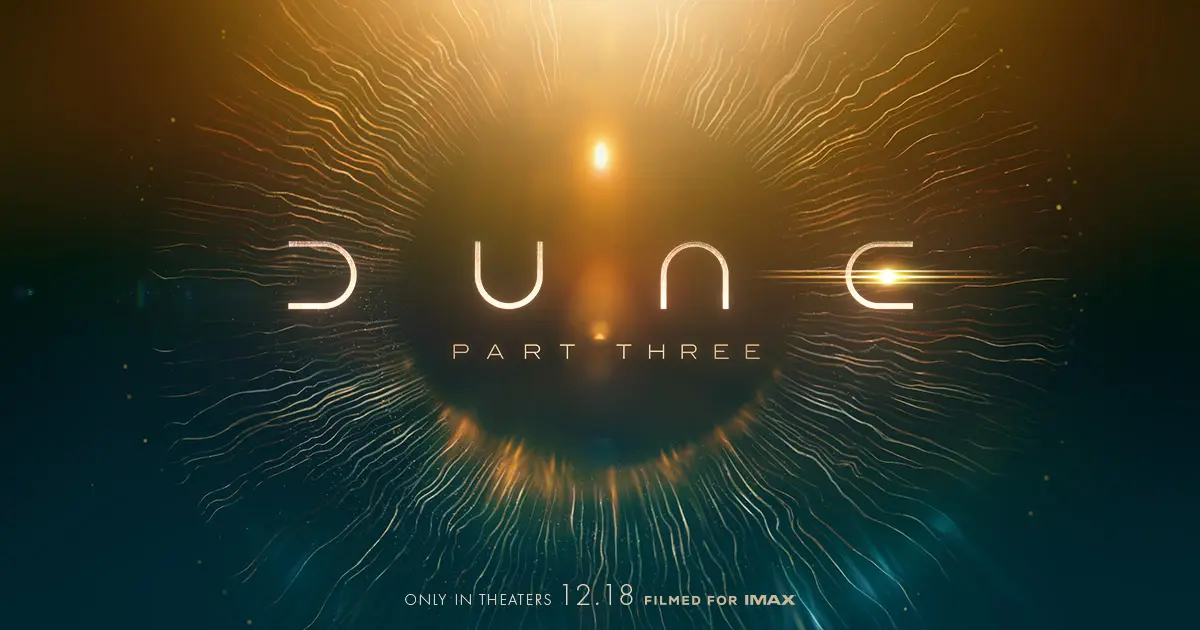
Denis Villeneuve's films gave the modern screen version a clear identity: massive scale, severe images, Hans Zimmer's sound, and a slower kind of blockbuster confidence. Dune: Part Three, based on Dune Messiah, is positioned as the conclusion of Villeneuve's Paul Atreides film arc.
The modern movie trilogy is the most direct screen path for new viewers, while the novels remain the deeper route into the politics, ecology, religion, and consequences. Dune endures because its future feels ancient, beautiful, and dangerous all at once. Its scale is enormous, but its dread comes from choices that cannot be undone. Even its victories feel haunted by what they will cost later.