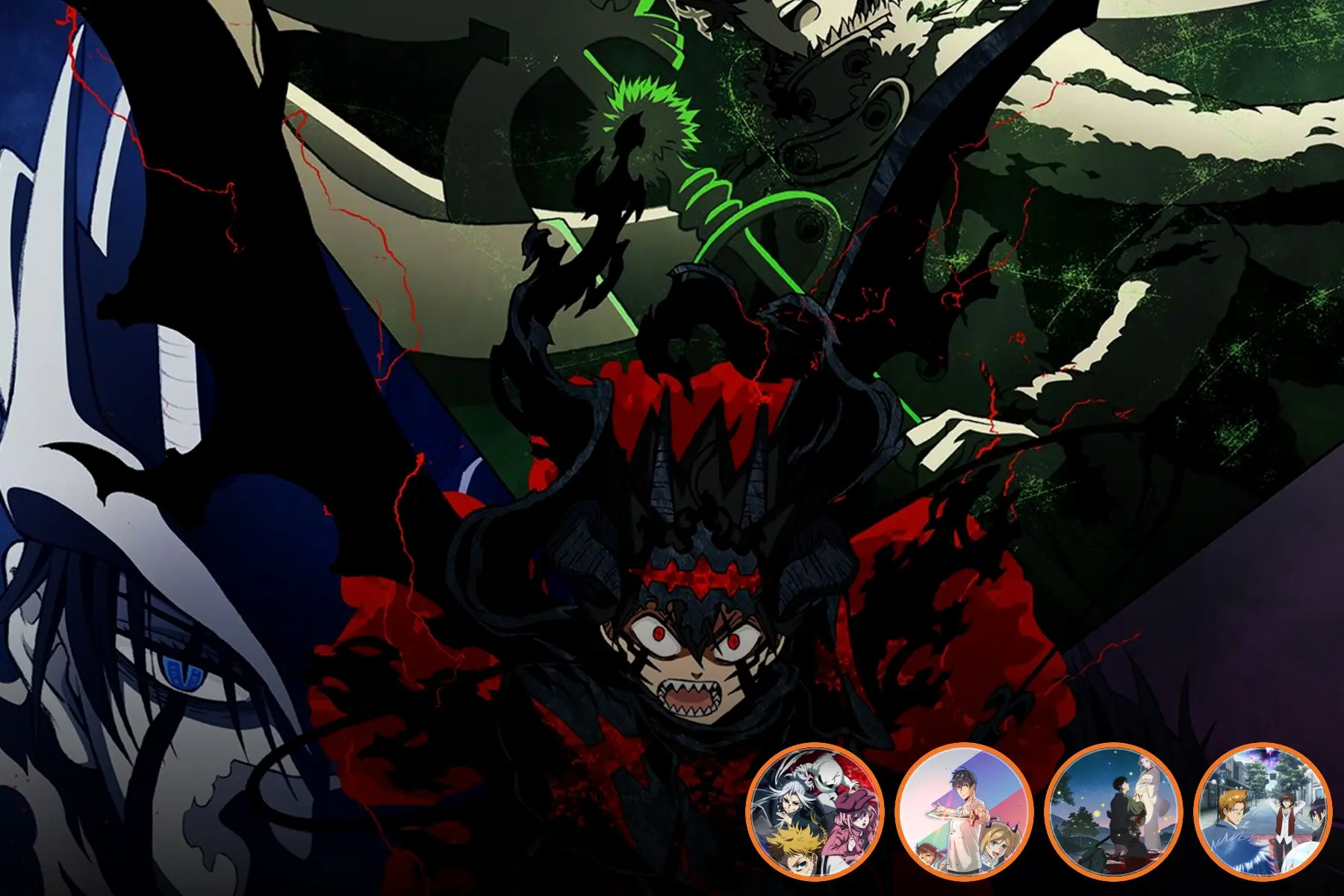
Crunchyroll Anime Nights September 2026: Tickets, Runtime, and Lineup
Crunchyroll Anime Nights returns September 21. Find ticket details, runtime, language, and the full five-anime Sneak Peek lineup.


Franchise
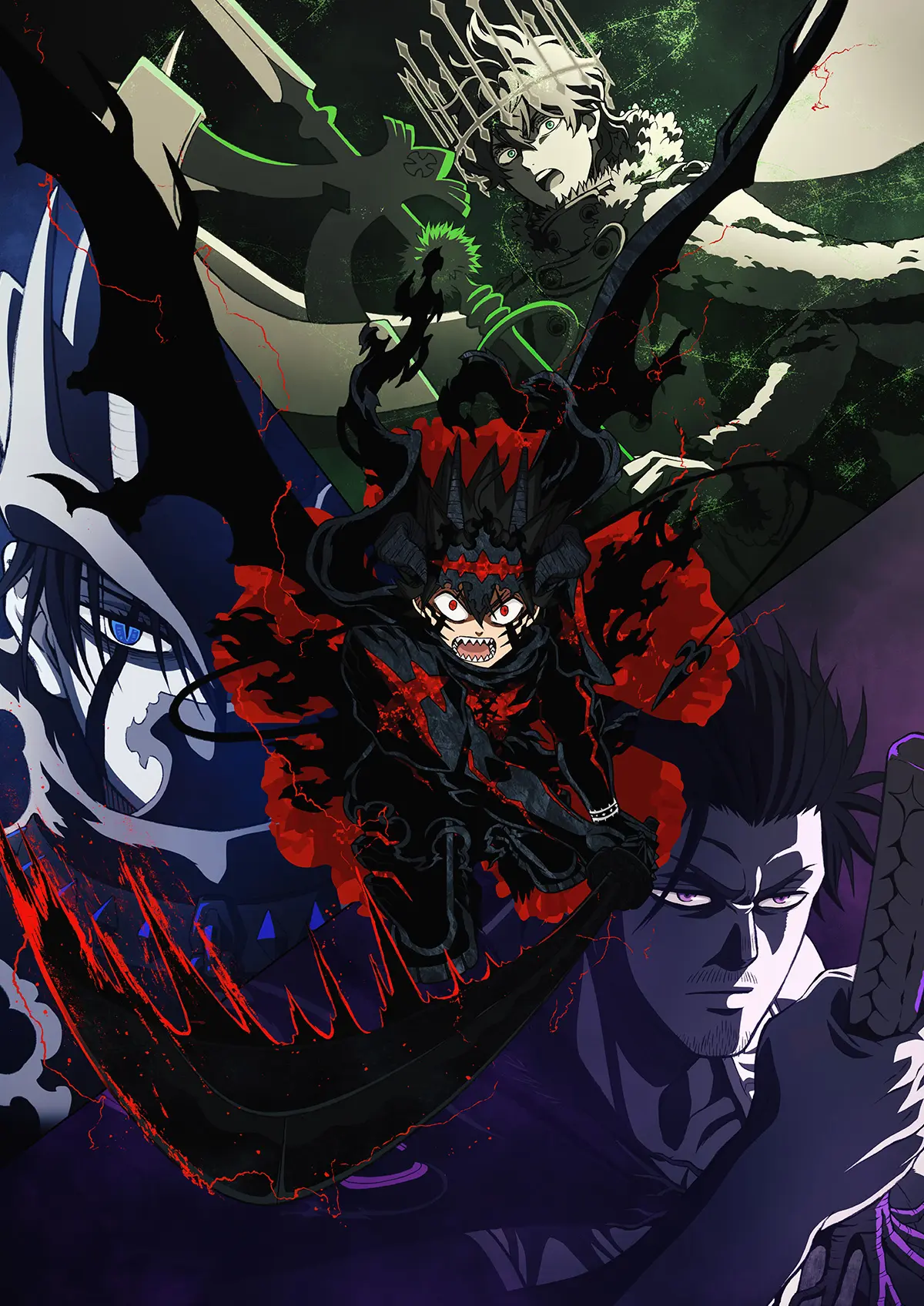
Black Clover is Yuki Tabata's fantasy shonen franchise about Asta, a magicless fighter chasing the Wizard King dream in a world ruled by magic. Its appeal is loud friendship, rivalry, squad loyalty, and battles that keep escalating.
Explore
Read next
Crunchyroll Anime Nights returns September 21. Find ticket details, runtime, language, and the full five-anime Sneak Peek lineup.
Black Clover Season 2 begins in October 2026. See the confirmed story, returning cast, Studio Pierrot staff, trailer details, and where the anime will stream.