

The Biggest Reveals From Comic-Con 2026's First Day
The main news from Comic-Con's first day included new Wolverine, Avatar, and Resident Evil trailers, plus updates on Ray Gunn and Percy Jackson.



Franchise
Avatar: The Last Airbender is the animated fantasy franchise about Aang, the four nations, elemental bending, friendship, war, balance, spiritual duty, found family, and growing up with a responsibility no child should have to carry alone.
Explore
Read next
The main news from Comic-Con's first day included new Wolverine, Avatar, and Resident Evil trailers, plus updates on Ray Gunn and Percy Jackson.

Avatar Aang: The Last Airbender will stream on Paramount+ July 25 and receive a very limited theatrical run from July 24 to 30 in Los Angeles and New York.
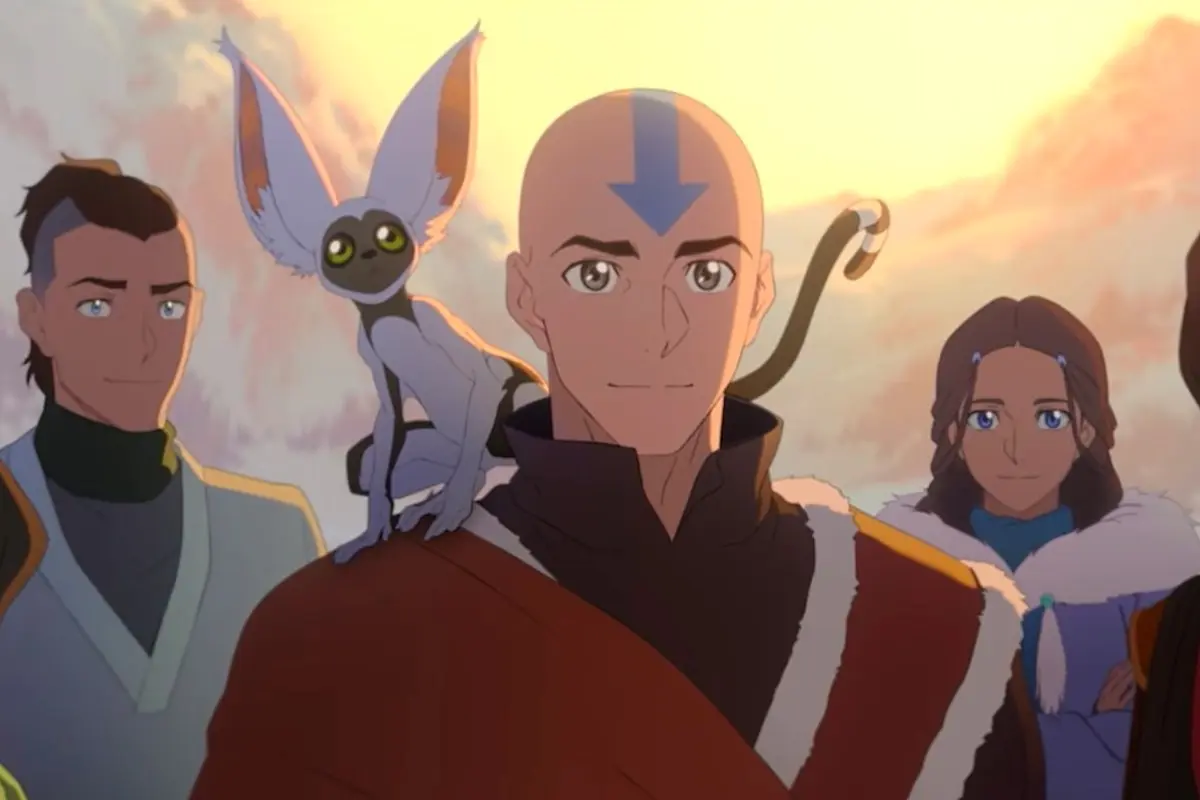
Avatar Aang finally has an official first look and a July 25 Paramount+ date, but the release plan is now part of the conversation.