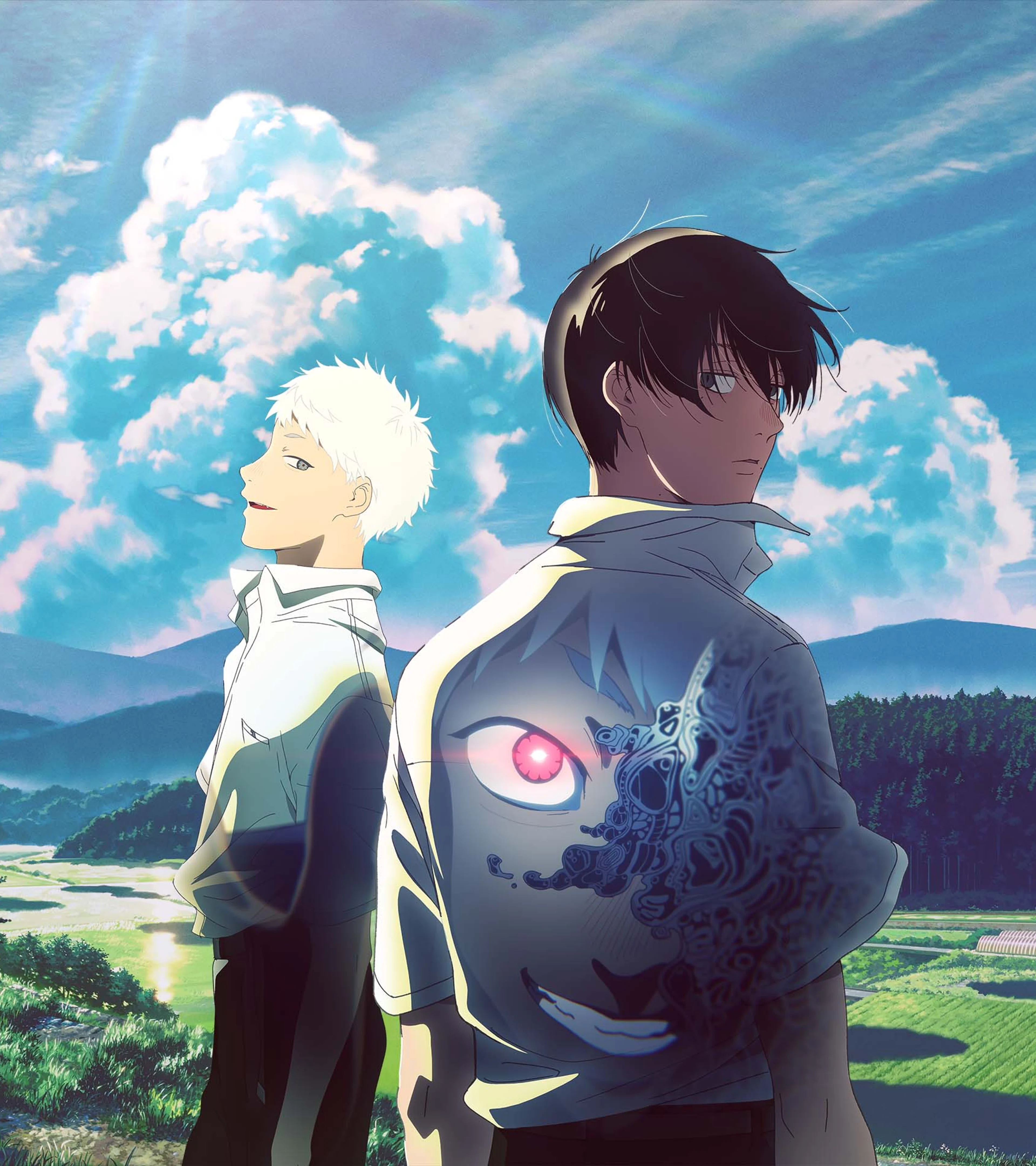
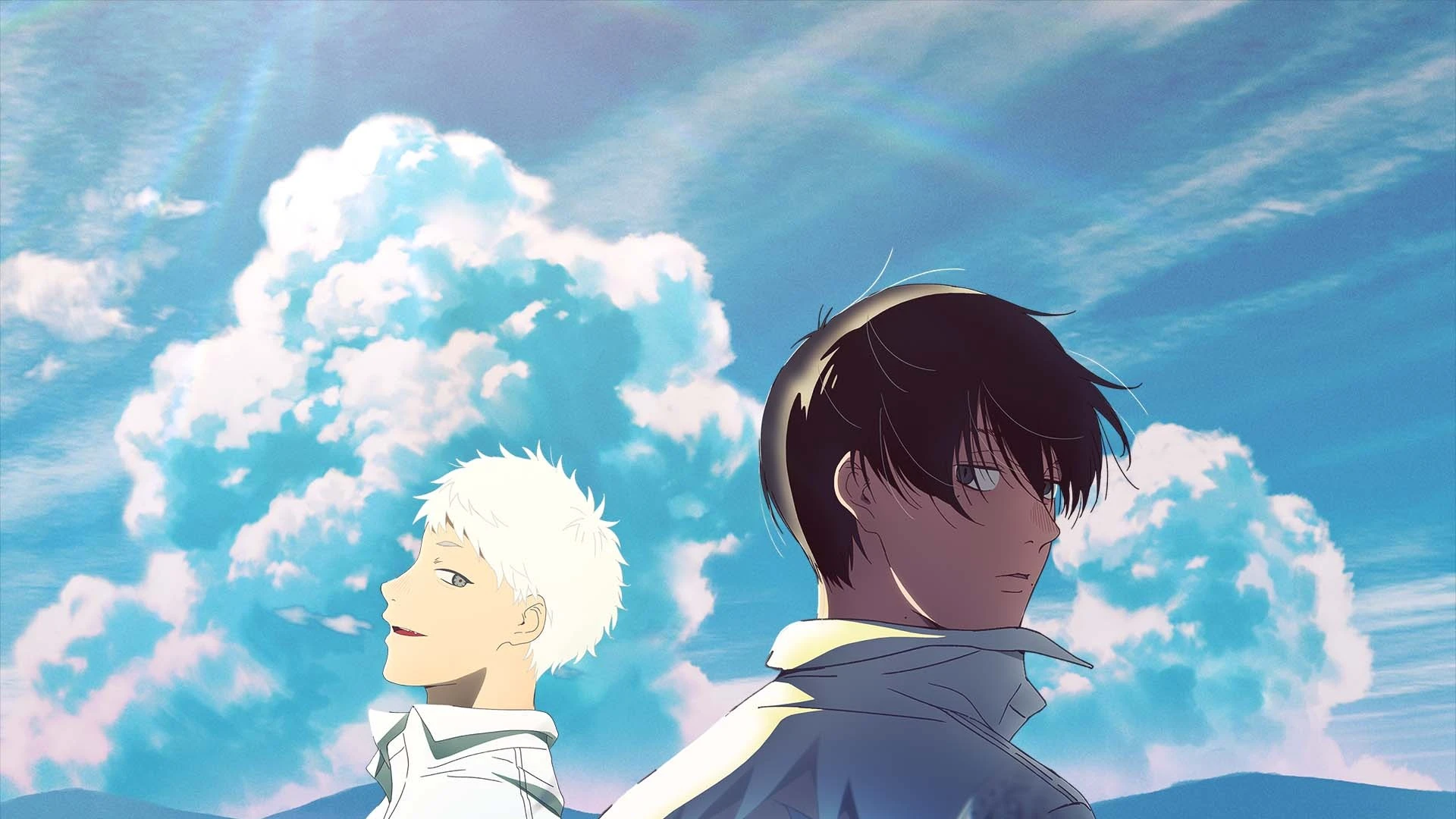
The Summer Hikaru Died understands that its most frightening image is not a monster in the forest. It is a familiar face sitting beside someone who already knows the person behind that face is gone.
Six months after Hikaru disappears in the mountains, Yoshiki realizes that the boy who returns looks, sounds, and remembers like his best friend but is not Hikaru. The premise is simple. The season is effective because it refuses to treat Yoshiki's choice as a puzzle that can be solved by noticing the obvious. He knows something is wrong early. The horror comes from what he does with that knowledge.
The relationship carries the season
The show does not spend half its run pretending that Yoshiki cannot tell the difference. It gives him the truth, then makes him live next to it. That changes the story from a replacement mystery into a study of attachment. Yoshiki is afraid, angry, curious, and relieved in different scenes. He can recognize the danger and still want one more conversation with the person he lost.
That emotional contradiction keeps the series from becoming a standard creature story. The returned Hikaru is not frightening only because he is unknown. He is frightening because he can behave like someone Yoshiki loves. A laugh, a familiar expression, or an ordinary walk home can carry more tension than a large supernatural reveal. The show makes ordinary life feel unsafe without turning every scene into a jump scare.
The two central performances support that balance. Yoshiki has to carry grief, shame, anger, and denial without narrating every feeling. Hikaru has to remain appealing enough that Yoshiki's attachment makes sense while staying strange enough that the danger never disappears. The series is strongest when the performances let a small change in tone do the work of a long explanation.
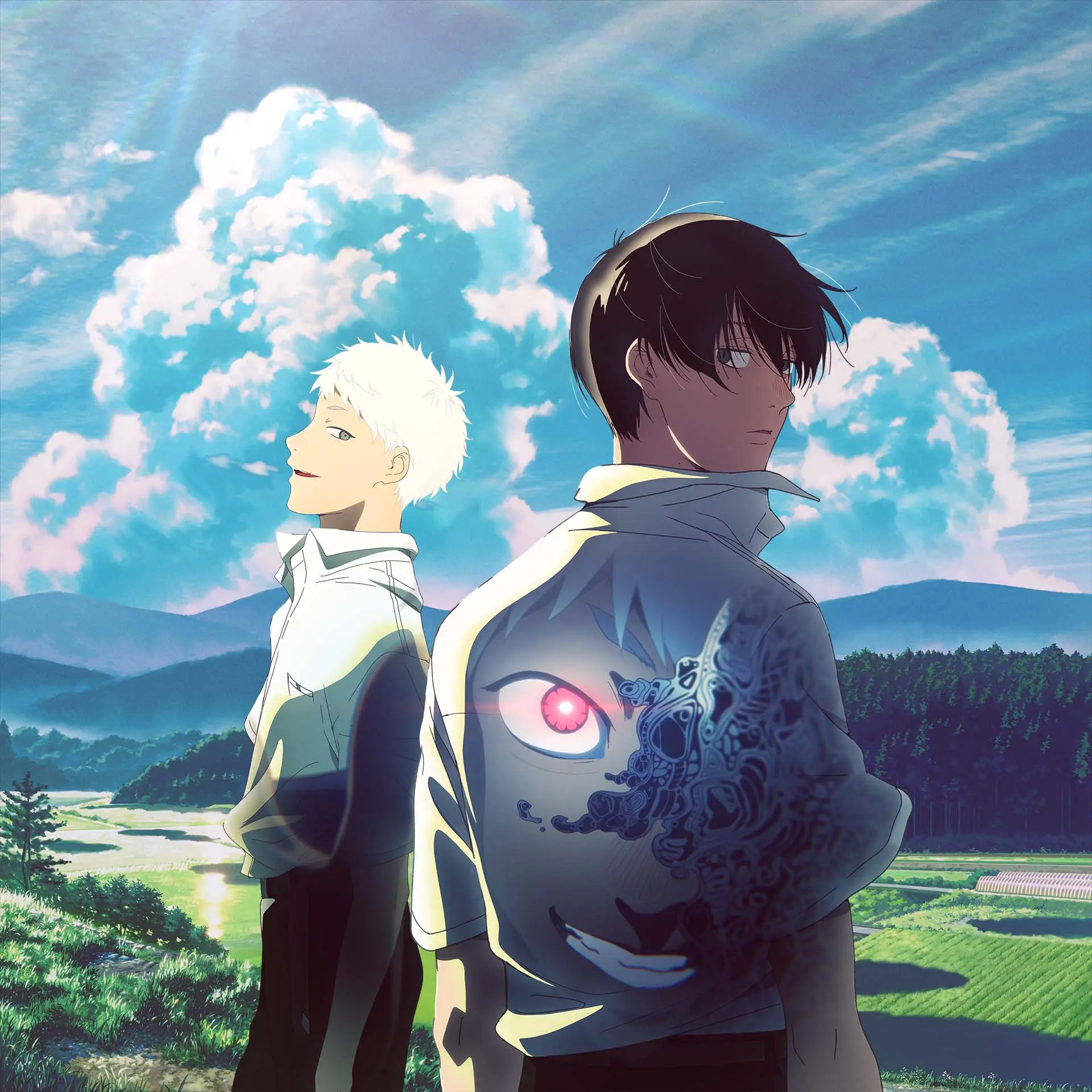
The Summer Hikaru Died official stills
3 screenshotsBright summer makes the horror sharper
The rural setting is not used as a dark maze where danger can hide forever. The skies are wide, the greenery is bright, and school life keeps moving. That light makes the horror more exposed. The wrong person can stand beside Yoshiki in perfect weather and still make the whole village feel contaminated.
Advertisement

The show also gives ordinary teenage life enough space to matter. Classmates gossip, tease, misunderstand, and walk into situations they do not understand. Family homes, school corridors, mountain paths, and summer events all become part of the same pressure system. The horror reaches people who did not agree to participate because Yoshiki cannot keep his private crisis private forever.
This is where the season's pacing works best. It does not rush from one explanation to the next. It lets a conversation remain uncomfortable. It lets a familiar room become suspicious. It understands that grief is repetitive, and that the person trying to move forward may still return to the same question every day.
The mythology expands without replacing the emotion
Season 1 gradually introduces the village's older beliefs, the force connected to Hikaru, and the people trying to understand or control it. The larger mythology gives the story direction and makes the setting feel older than the current crisis. It also creates the season's main weakness: the emotional relationship is clearer and more unsettling than some of the explanations around it.
When the series stays with Yoshiki watching Hikaru, the tension is exact. When it shifts toward rules, history, and supernatural terminology, the story sometimes explains the feeling that was already working. The lore is still interesting, but it is most useful when it makes Yoshiki's decision harder rather than when it tries to become the main attraction.
The season's ending respects that limit. It moves the characters forward and reveals more about the village, but it does not pretend the central loss has been repaired. Season 1 is complete as a first chapter: Yoshiki understands more than he did at the start, the danger is more concrete, and the relationship is more difficult to define. The mystery remains open because the emotional problem cannot be solved by naming the creature.
Verdict
The Summer Hikaru Died is a patient horror series with a sharp emotional premise and a strong sense of place. Its best scenes turn familiar gestures into evidence, while its bright rural setting keeps the fear visible instead of hiding it in darkness. The mythology occasionally becomes less precise when it expands, and the season deliberately stops before the larger mystery is resolved, but the central relationship is strong enough to carry that unfinished design.
Watch it for the tension between love and recognition, the controlled performances, and the way normal summer life becomes threatening. Skip it if you need a closed ending or constant action. The horror here comes from continuing to care about someone who may no longer be the person you knew.