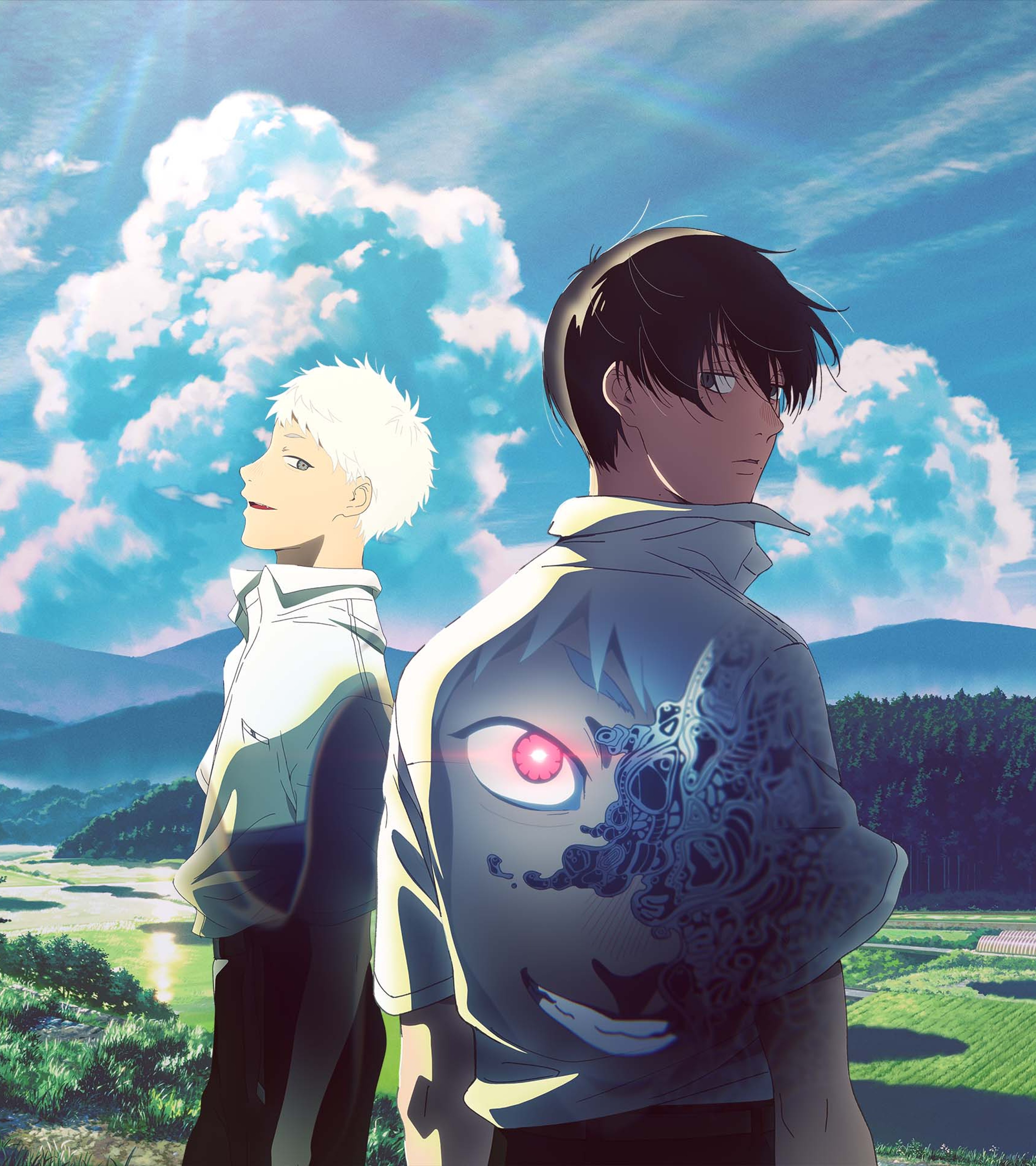
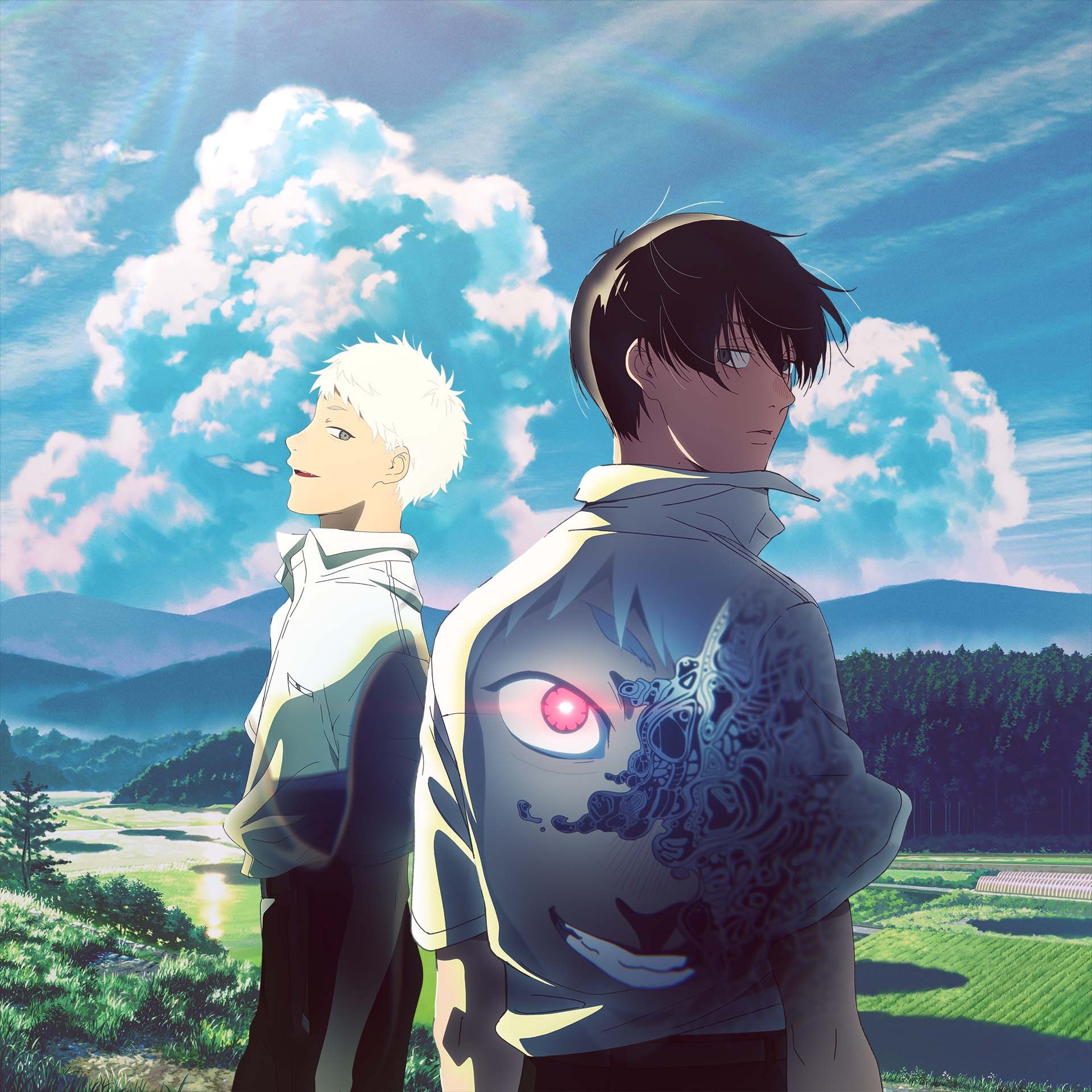
Spoilers ahead for The Summer Hikaru Died Season 1. The ending does not work like a monster mystery being solved, and that is exactly why it sticks. Episode 12 is not built around a clean answer to what Hikaru is. It is built around the cost of Yoshiki continuing to live beside someone who looks like his best friend, carries pieces of his best friend, and still is not the boy who died on the mountain.
That has been the quiet trap of the whole season. Netflix's own setup is simple: Hikaru vanished for a week, returned, and Yoshiki could tell something was wrong. The scary part was never only that an unknown being came back wearing Hikaru's face. The scary part was that Yoshiki knew the truth almost immediately and still could not make himself let go.
The finale, titled "Its Place," makes that pain public. Hikaru wanders the empty school during the end-of-term ceremony as if he is trying to touch the normal life he inherited. Then Asako confronts him and says what Yoshiki has been carrying since the first episode: he is not Hikaru. She saw him attack Yoshiki, which means the secret can no longer stay sealed inside one grieving boy.
The Ending Is About Grief Without Closure
The most important idea in The Summer Hikaru Died is not possession. It is bereavement that refuses to behave. Yoshiki is grieving someone who is still sitting next to him. He lost Hikaru, but he also has to keep meeting a version of Hikaru every day, hearing his voice, watching his expressions, and feeling the old friendship keep moving in a new body.
That is why the show feels so uncomfortable. It does not let Yoshiki mourn properly, and it does not let the viewer treat the new Hikaru as only a villain. This being is dangerous. It hurts people. It does not understand the human world the way Hikaru did. But it also wants to stay close to Yoshiki, and sometimes that desire looks painfully sincere.
The finale pushes that contradiction harder instead of cleaning it up. When Asako realizes the truth, the story stops being only Yoshiki's private wound. Another person now has to look at Hikaru and understand that the familiar face is hiding something impossible. That makes the ending feel less like a twist and more like a door opening. Yoshiki's grief is spreading into the village.
That is also why the school setting matters. The episode places Hikaru in ordinary spaces - halls, classrooms, the end-of-term ceremony happening nearby - and lets those places feel haunted without needing a big creature scene. He is walking through the life Hikaru should have continued living. The horror is not interrupting normal life anymore. It is wearing normal life's uniform.
Asako's part in the ending is especially important because she is not discovering a rumor. She saw enough to know Yoshiki has been living beside danger and hiding it. That gives Season 2 a sharper emotional problem than simple exposure. If Asako cares about Yoshiki, then knowing the truth may force her to challenge the one thing Yoshiki keeps choosing: staying close to Hikaru even when it hurts him.
Why Nonuki-sama Matters
Tanaka's line about Nonuki-sama may be the finale's biggest piece of plot information. The official Episode 12 page frames it bluntly: Tanaka tells Takeda that Nonuki-sama never existed in the first place. For a story built on village ritual, old fear, and rules people barely explain to the younger generation, that is a nasty little revelation.
If the village has been protecting itself from the wrong idea, then Hikaru's death becomes even crueler. It suggests that the systems around these kids may not understand the horror any better than they do. The adults have stories, rituals, and inherited panic, but those things do not equal truth. In a show this intimate, that matters because Yoshiki keeps searching for a way to make the situation fit into a category. Friend. Monster. Replacement. Curse. God.
The ending refuses that comfort. Nonuki-sama being false does not make Hikaru safe, and it does not bring the real Hikaru back. It only removes one explanation. That is a smart horror move because it leaves the characters with fewer handles to grab. They know more, but the new knowledge does not make them calmer.
It also shifts the story away from simple folklore. If the village legend is wrong, then the danger is not something people can fix by repeating the same old ritual harder. The adults may have inherited fear, but Yoshiki and Asako are inheriting the consequences. That gives the ending a sharper edge because it suggests the next season has to deal with truth, not just tradition.
Hikaru Is Not Just a Fake Friend
The easy reading is that the new Hikaru is a fake, and the show does use that word directly. But the harder, more interesting reading is that he is a fake who has started to become someone. He is not the original Hikaru Indo, and the story never asks us to forget that. Still, he is not an empty costume either. He has memories, attachments, confusion, and a frightening need to belong.
That is where the title becomes cruel. The summer Hikaru died is not only a date on the timeline. It is the season Yoshiki's understanding of love, friendship, and safety breaks apart. He can admit Hikaru is gone, but he cannot turn off the part of himself that responds to the person standing in front of him.
The anime's official description calls it a coming-of-age horror story, and that phrase is doing real work. Coming of age usually means learning who you are. Here, it also means learning that love does not automatically make you wise. Yoshiki's feelings are real, but real feelings can still pull him toward something dangerous.
The Themes Are Queer, Lonely, and Very Human
Part of why The Summer Hikaru Died hit so hard with anime viewers is that the horror is wrapped around intimacy. Yoshiki is not afraid of Hikaru in a simple way. He is afraid of losing him, wanting him, needing him, resenting him, and protecting him all at once. The show understands how messy that can feel when you are young and isolated.
The rural setting makes that loneliness sharper. Everyone is close enough to notice things, but not close enough to understand them. Secrets travel through the village as pressure, not comfort. The cicadas, empty school halls, summer heat, and small-town rituals all make the same point: Yoshiki is trapped somewhere familiar that no longer feels safe.
The show also keeps the relationship between Yoshiki and Hikaru emotionally specific without flattening it into one label. It is friendship, grief, attachment, fear, and queer longing tangled together. That is why the monster story has weight. The question is not only whether Yoshiki can survive Hikaru. It is whether he can accept that the person he loved is gone without pretending this new presence is harmless.
That mix is what keeps the show from becoming a simple warning story about trusting the wrong person. Yoshiki is not foolish because he still cares. He is human because he still cares. The tragedy is that caring does not solve the moral problem in front of him. He can be compassionate toward Hikaru and still understand that Hikaru is dangerous. The finale leaves him trapped inside both truths.
What Season 2 Has to Answer
Season 2 has been officially confirmed, but no return date has been announced. That is important because Season 1 ends with continuation, not closure. Asako knows more. Tanaka's information changes the village mystery. Yoshiki still has not found a healthy way to live with the truth. Hikaru still wants a place in a world that cannot safely make room for him.
That is the real meaning of the ending. The Summer Hikaru Died is not asking whether the original Hikaru is secretly still alive. The show has been clear enough: Yoshiki's friend died, and something else came back. The question now is what Yoshiki does with the impossible remains of that loss.
A weaker version of this story would save itself with a clean answer. This one does something harsher. It lets Yoshiki understand the truth and still love the shape of what replaced his friend. That is why the finale feels sadder than a normal cliffhanger. The monster is still here, the dead boy is still gone, and summer is not done with anyone yet.
That is the kind of ending that works better the longer it sits with you. It does not ask viewers to pick one clean reaction. You can pity Hikaru, fear him, miss the real Hikaru, and feel angry for Yoshiki all at the same time. The Summer Hikaru Died understands that grief is rarely neat, especially when the person you lost keeps looking back at you.