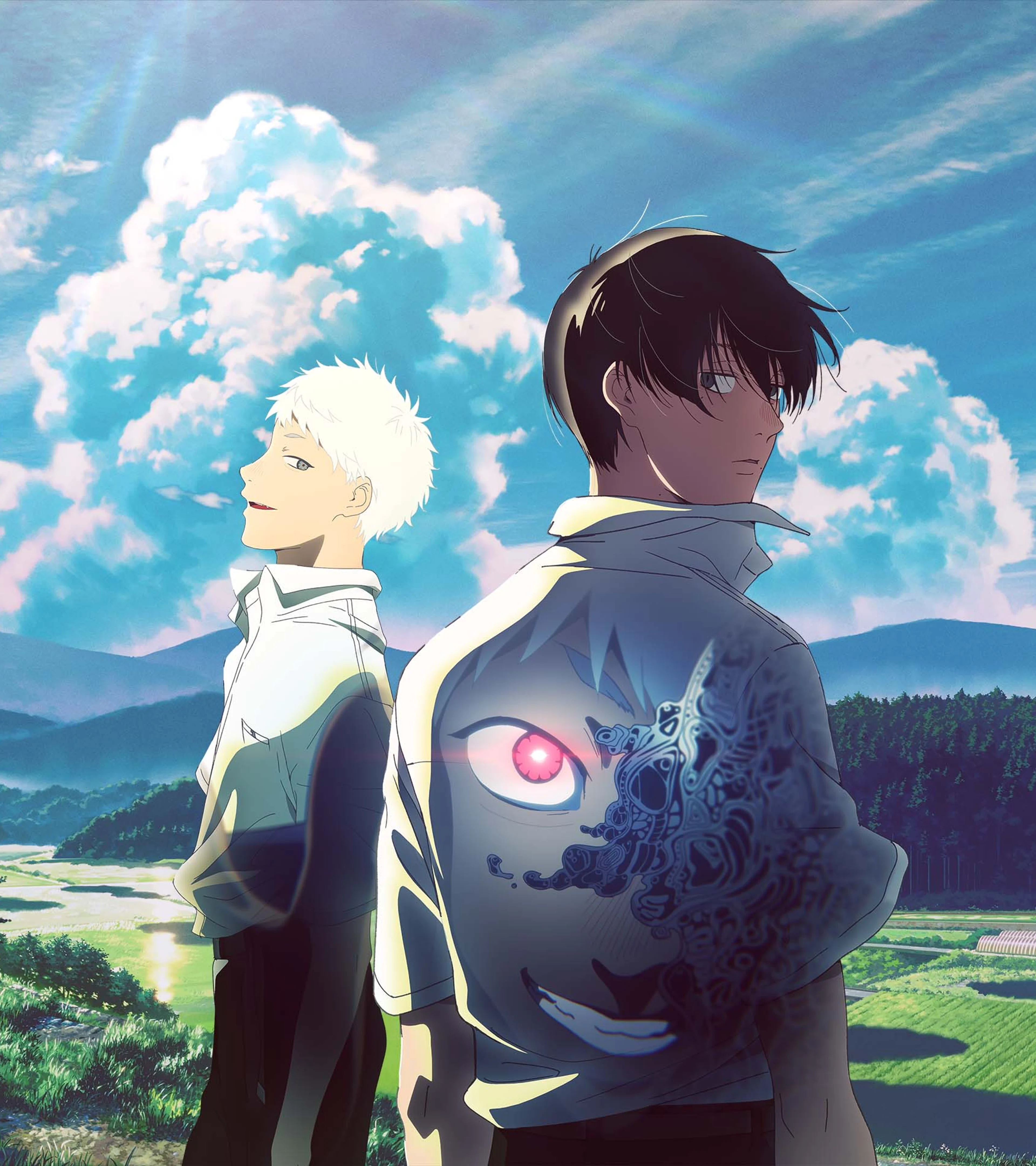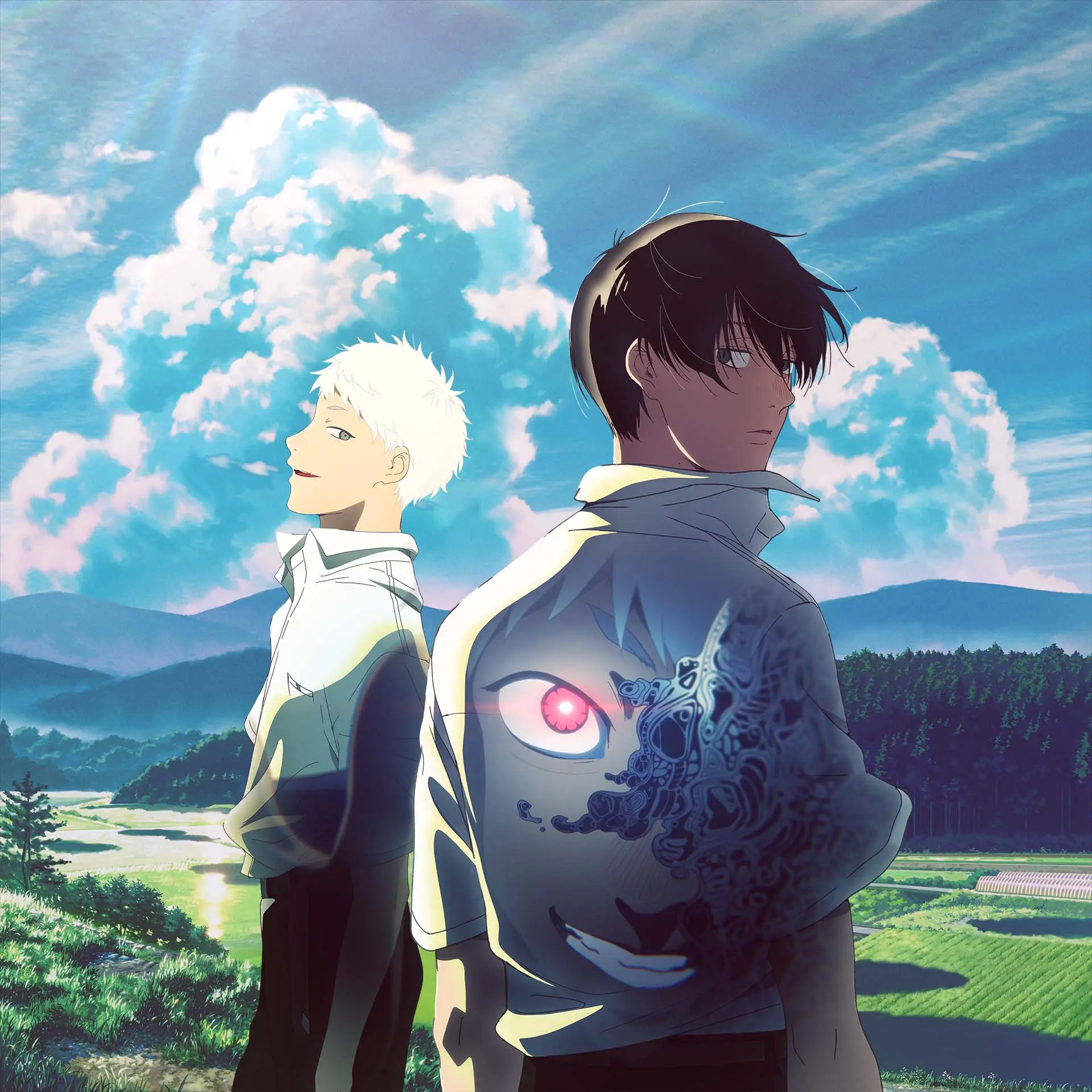
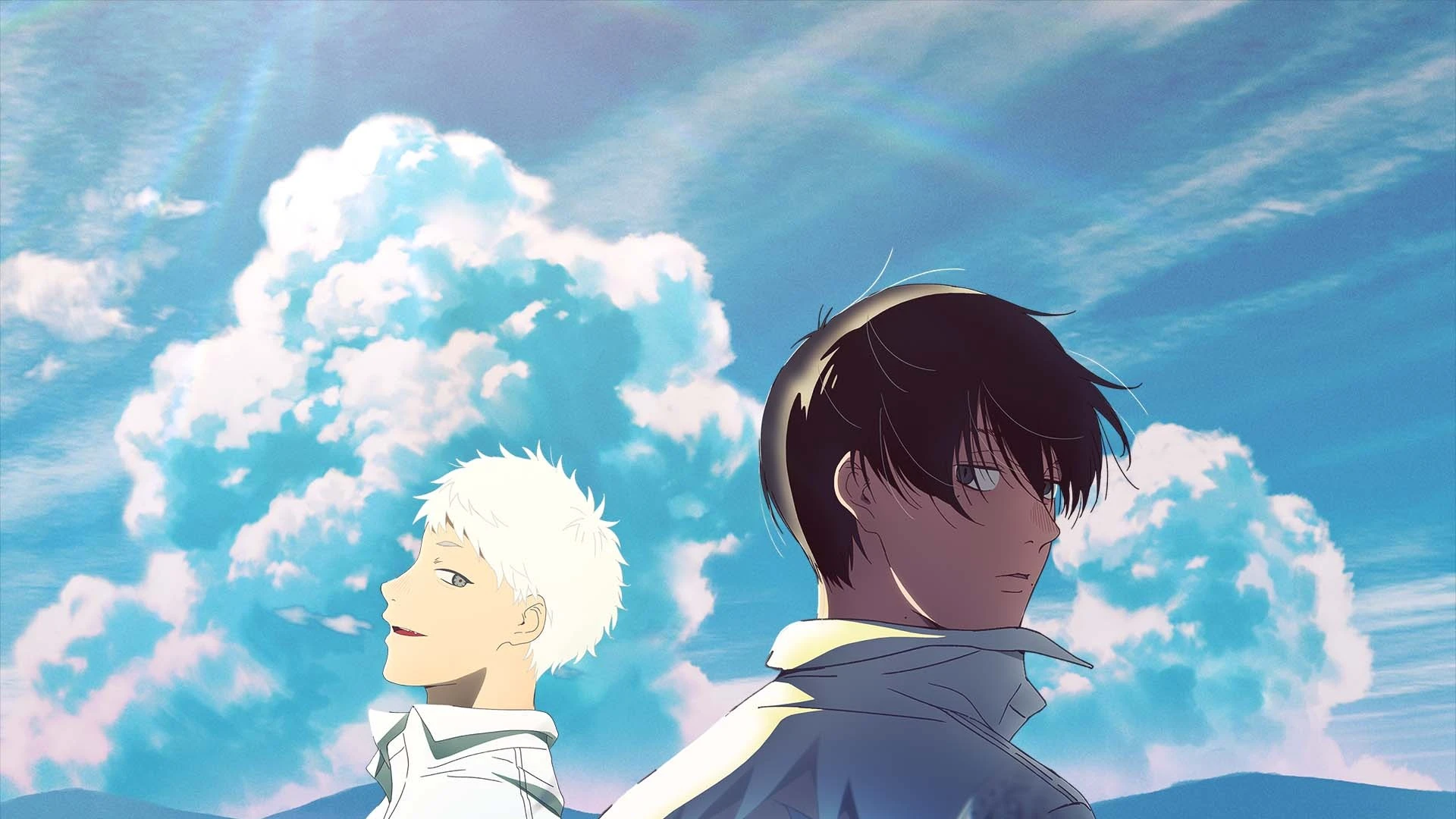
The Summer Hikaru Died has the kind of horror premise that sounds simple until it starts working on you. Six months after Hikaru vanishes, his best friend Yoshiki realizes that the boy who came back has Hikaru's face, voice, and memories, but is not Hikaru. That is the hook Netflix uses to sell the series, and it is still the cleanest description of why the show lands. The monster does not arrive as a stranger. It arrives as the person Yoshiki most wants to keep.
That difference gives the first season its bite. The Summer Hikaru Died is not scary because it keeps inventing louder threats. It is scary because the central wrongness is already sitting across from Yoshiki before the mystery has a name. Episode 1, "Replacement," does not waste time pretending Yoshiki is slow to notice. He confronts Hikaru, gets a version of the truth, and then has to do the one thing horror characters are usually judged for doing: keep going back. The show makes that choice feel less like stupidity than grief with nowhere clean to land.
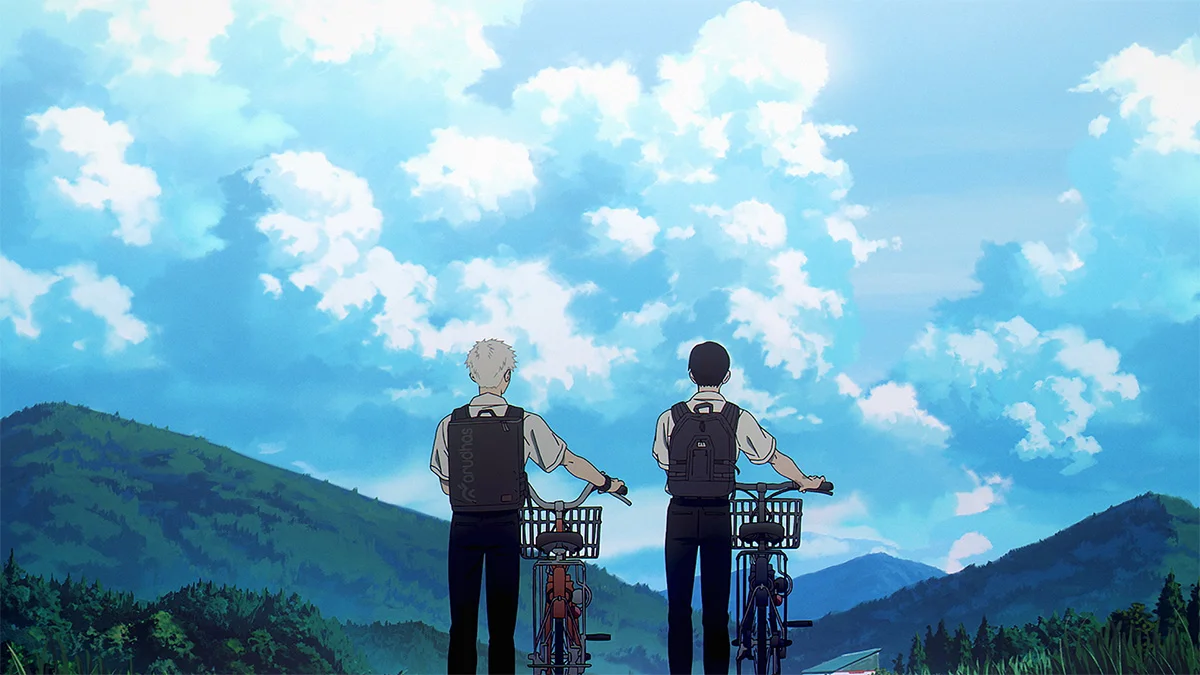
The Summer Hikaru Died works best when it stays close to details that feel painfully ordinary: boys on bikes beneath a huge summer sky, classmates stepping onto a mountain trail they do not understand, Yoshiki studying a familiar smile for evidence, a sister finding hair in the bathroom, and a school sleepover turning observation into danger. Small spaces and normal gestures make the impossible feel personal. The series is quiet, but it is never empty.
The season is also easier to appreciate now that its shape is clear. Netflix lists the first run as 12 episodes, with Chiaki Kobayashi as Yoshiki, Shuichiro Umeda as Hikaru, and Chikahiro Kobayashi among the cast, while the official anime site has already confirmed a second season. Season 1 is not built to close every door. It tightens the emotional trap, deepens the village mythology, and leaves Yoshiki with a harsher understanding of what Hikaru is. As a complete season, it works because the emotional damage is still unresolved.
The Premise Works Because Yoshiki Knows Too Soon
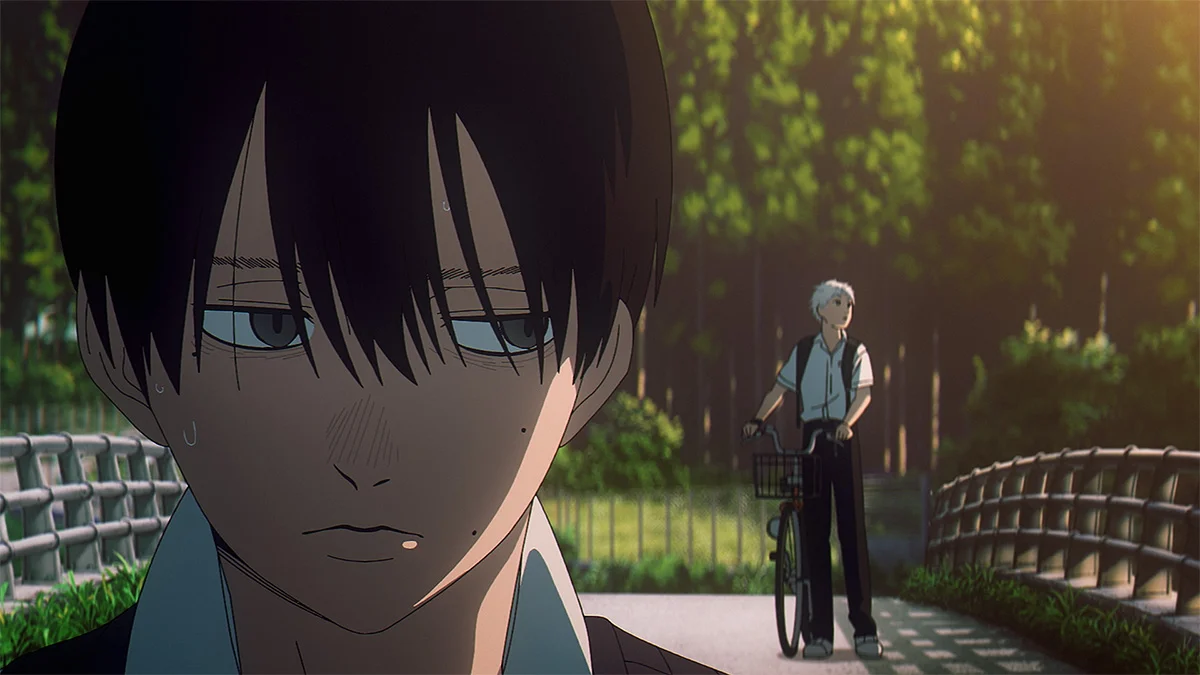
A lot of horror loses power by making its characters spend too long catching up to the audience. The Summer Hikaru Died avoids that trap. Yoshiki is not fooled for half a season. He knows the returned Hikaru is wrong, and the drama comes from what he does with that knowledge. In Episode 1, the bridge confrontation is devastating because it puts the answer in daylight. There is no gothic mansion, no safe distance, no monster silhouette. There is a boy with sweat on his face, another boy standing too close to memory, and a conversation that makes normal life impossible without actually ending it.
That early honesty is the show's smartest structural decision. Instead of turning Hikaru into a puzzle box, it turns Yoshiki into the real pressure point. Every scene after that asks a sharper question: how much danger would you tolerate for the shape of someone you love? The answer changes depending on the moment. Sometimes Yoshiki looks terrified. Sometimes he looks almost relieved. Sometimes he seems furious that the choice exists at all. The show does not flatten those reactions into one mood, and that is why the relationship keeps feeling alive instead of symbolic.
Shuichiro Umeda's Hikaru is crucial to that balance. The performance cannot be purely eerie, because then Yoshiki's pull toward him would feel false. It also cannot be too sweet, because then the horror would soften into tragic fantasy. The best moments sit in the middle: a laugh that feels a little too bright, a line reading that lands with the rhythm of an old friend but the intention of something newer, a casual expression that makes the viewer scan for what does not belong. The show turns familiarity into unstable evidence.
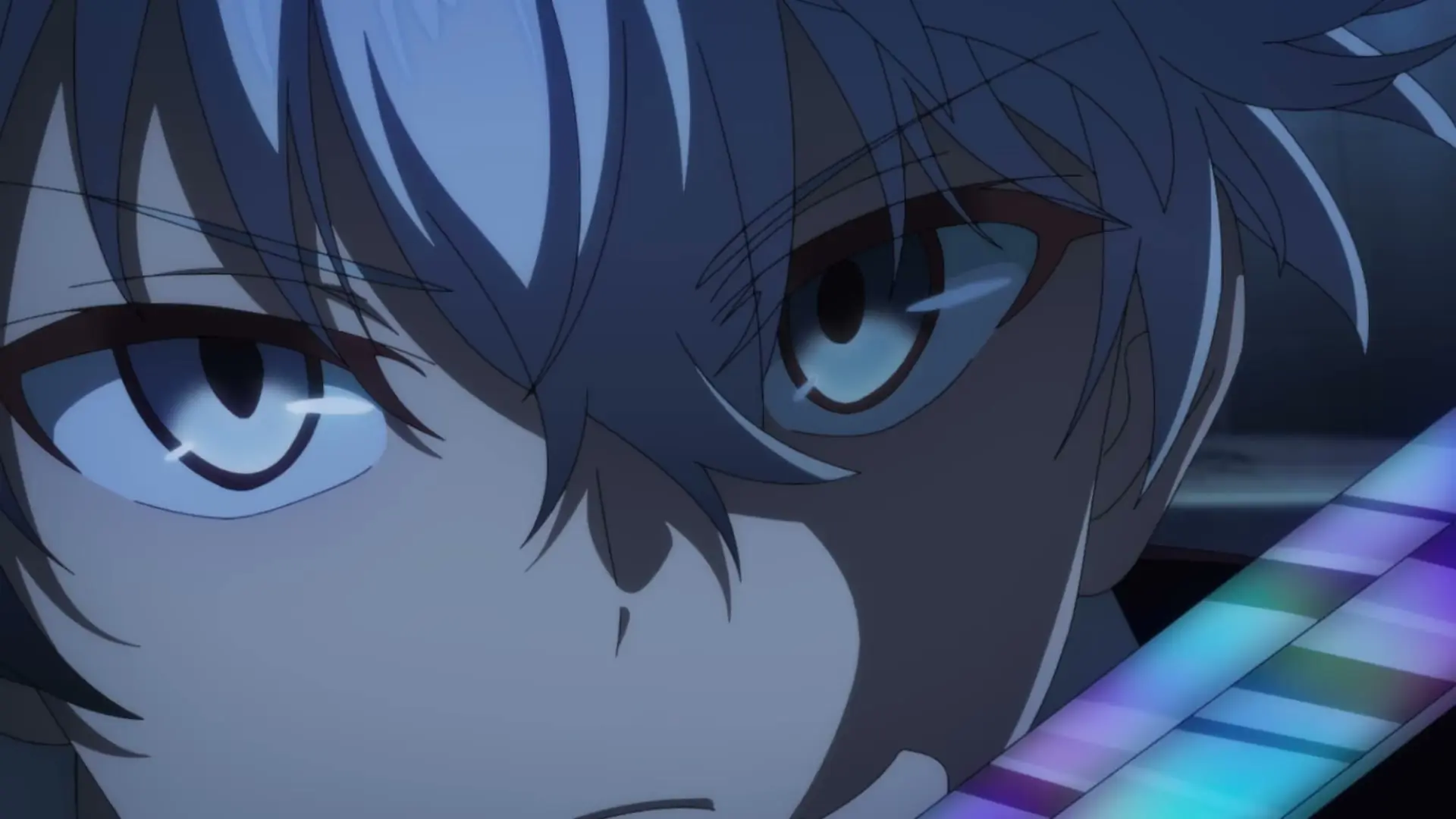
Chiaki Kobayashi has the harder role because Yoshiki has to carry fear, anger, love, shame, and denial without explaining himself every time. The series often lets his face do the work. A close-up can tell us when he is trying to perform normal teenage irritation and when his body is already bracing for the truth. That restraint matters. The Summer Hikaru Died is full of supernatural ideas, but its cleanest suspense comes from watching Yoshiki decide whether to treat the thing beside him like a friend, a corpse, a monster, or something worse than all three.
The first stretch of episodes proves how durable that setup is. "Suspicion" sends Yoshiki, Hikaru, and classmates toward a creepy mountain trail while Tanaka arrives in Kubitachi Village to investigate. "Denial" uses childhood memory and Kurebayashi to keep Yoshiki's emotional logic from hardening into one obvious answer. By the time the village elders and summer festival enter the picture, the show has widened the frame without losing the intimate dread. The village is not just background. It is a place with habits, silences, and old damage pressing against two boys who are already running out of harmless choices.
Advertisement

The Season Turns Rural Summer Into a Pressure Cooker
The Summer Hikaru Died looks bright enough to make its horror feel meaner. That is not an accident. The countryside is not treated like a postcard escape from fear. It is open, humid, and exposed. The wide blue skies and green mountains make the characters look small, but they do not make the danger feel distant. If anything, the daylight removes the comfort of hiding. The show understands that the wrong person can stand beside you under perfect weather and still make the whole world feel contaminated.
That contrast is especially effective because the series lets ordinary teenage life keep moving. The boys still go to school. Their classmates still gossip, tease, and misunderstand what they are near. Episodes like "Asako" use that social texture well, especially when Asako's observations during a sleepover put her closer to danger than she realizes. The show is not just asking whether Yoshiki can survive Hikaru. It is asking what happens when everyone around them keeps treating the situation as normal because they cannot see the exact shape of the horror.
The festival material works for the same reason. Festivals in anime often signal warmth, romance, memory, or a big emotional confession. Here, the familiar setting turns into another place where history presses through the surface. Village elders worrying over recent death, Tanaka's investigation gaining sharper edges, and the boys moving through rituals older than either of them gives the season a sense of inherited unease. The horror is not just that Hikaru came back wrong. It is that Kubitachi may have made wrongness part of its weather long before Yoshiki had a name for it.
The middle run also shows how good the series is at changing scale without abandoning feeling. The "Wig Ghost" episode could have been a cheaper scare in a lesser show: hair in a bathroom, a family home, a deadly turn. Instead, it works because domestic space has already been made vulnerable. Yoshiki's private crisis starts leaking into the lives of people who did not consent to it. That makes his attachment to Hikaru more complicated. The show keeps sympathy for him, but it does not let sympathy erase consequence.
That consequence becomes the season's moral engine. By "Determination," Yoshiki's realization that Hikaru is truly dangerous does not turn him into a clean hero with a clean plan. He invites Hikaru to skip school. The choice is tender, reckless, and frightening all at once. That mix is exactly where The Summer Hikaru Died is most persuasive. It knows grief does not always produce noble decisions. Sometimes it produces a private attempt to buy one more day with the impossible.
The Mythology Is Strongest When It Feeds the Relationship
The season's back half moves deeper into Nonuki-sama, impurities, Tanaka's mission, old village history, and the question of what Hikaru has become. Episodes like "Contact," "Old Man Takeda," and "Truth" give the supernatural plot more vocabulary. Yoshiki and Hikaru investigate at the library, Kurebayashi explains what she understands, Takeda's anger opens another door into Indo family history, and a hospital encounter with Tanaka pushes Yoshiki toward a harsher version of the truth. The information matters because it gives the show a shape beyond mood.
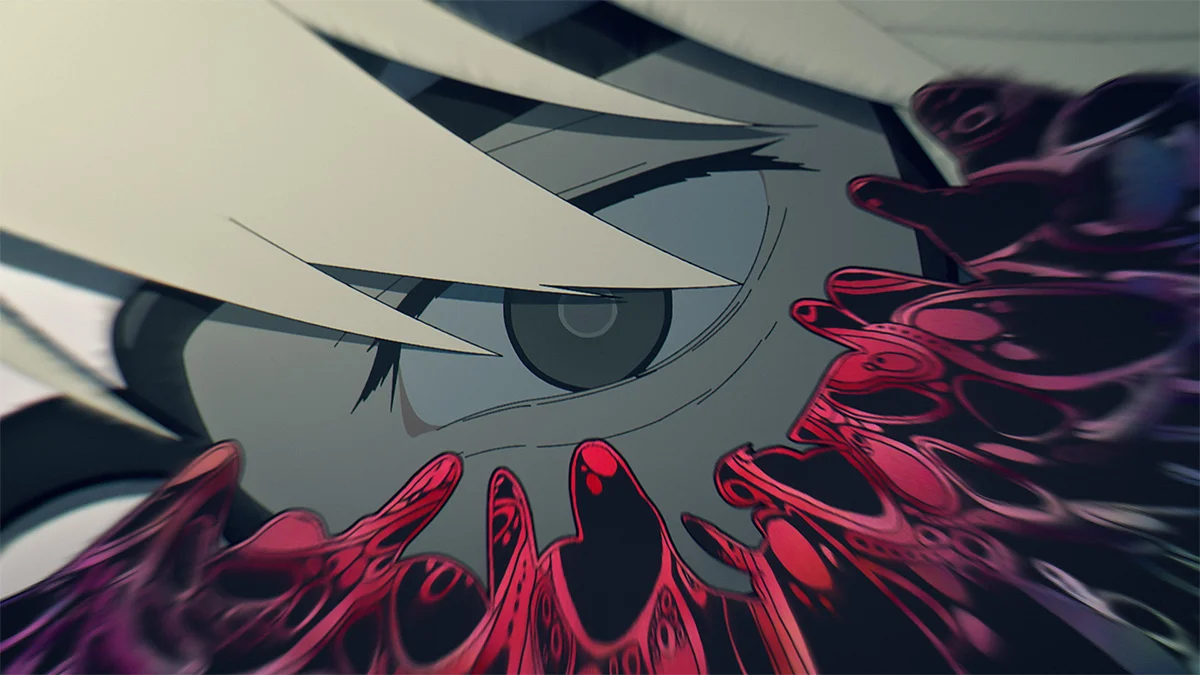
Still, this is where the show brushes against its biggest limitation. The lore is intriguing, but the relationship is more frightening than the explanation. When The Summer Hikaru Died focuses on Yoshiki watching Hikaru, every pause has weight. When it turns toward organizations, rules, swords, impurities, and village history, it can occasionally feel like the series is translating a feeling that was already clear. That does not break the season. It simply reveals where its deepest power lives. The mythology is best when it makes Yoshiki's choice more impossible, not when it tries to outshine it.
The final episodes mostly understand that. Episode 11, "Indo's Sin," sends Yoshiki to speak with his father about an old tradition that the previous generation tried to put to rest, connecting personal silence to inherited harm. Episode 12, "Its Place," brings Asako's knowledge and Tanaka's revelations closer to the center, making the end of the season feel less like a solved mystery than a dangerous rearrangement. The finale does not close the emotional account. It clarifies how much debt remains.
That unfinished quality would be frustrating if the season were all setup. It is not. The Summer Hikaru Died gives enough concrete progression to justify its open door: Yoshiki moves from suspicion to knowledge, from denial to dangerous attachment, from private dread to a larger understanding of Kubitachi's past. Hikaru becomes more than a single uncanny trick, but the show wisely keeps him hard to categorize. Is there affection in him? Is affection a memory he inherited, a behavior he learned, or proof that something new can love badly? The season refuses to make that question comfortable.
That refusal is why the horror lingers. Many shows are content to make a monster either secretly human or entirely inhuman. The Summer Hikaru Died keeps pressing between those answers until neither one feels safe. Hikaru can be funny, gentle, needy, frightening, alien, and childlike depending on the scene. Yoshiki can know better and still lean toward him. The viewer can understand why and still want him to stop. That is a harder trick than a jump scare. It makes the audience complicit in the temptation.
Why the Horror Lingers
The Summer Hikaru Died treats grief as a survival problem, not a theme to be admired from a safe distance. Its mythology can occasionally crowd the cleaner emotional terror, but the core remains sharp: Yoshiki knows Hikaru is gone, knows something dangerous came back, and keeps getting pulled toward the shape of him anyway. The rural light, precise performances, and unresolved bond make the horror tender and poisonous at the same time. The frightening part is not only what replaced Hikaru. It is how understandable Yoshiki’s refusal to let go can feel.