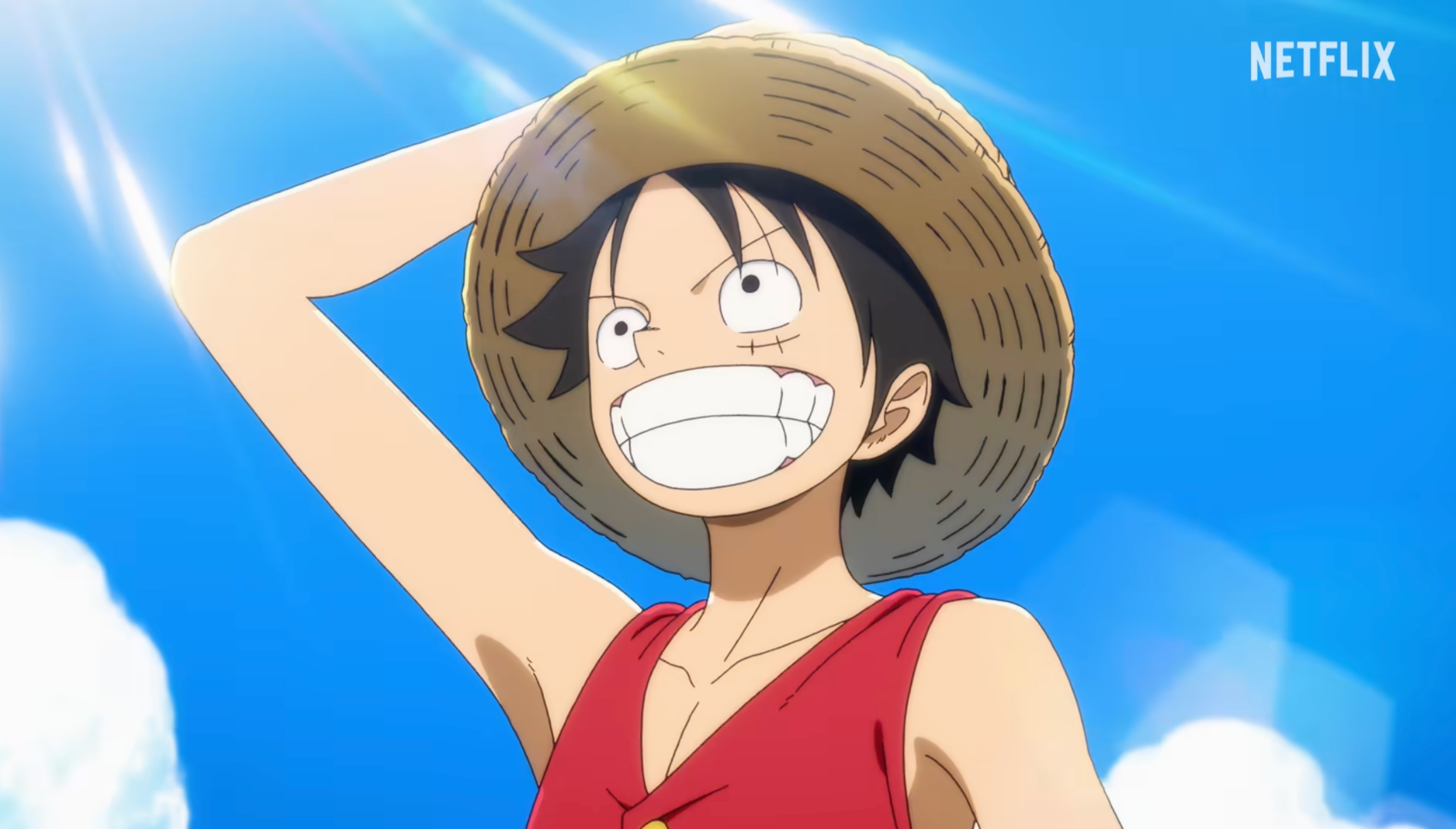
The One Piece remake is walking into one of the most delicate situations in anime: everyone understands the problem it is trying to solve, and almost everyone is nervous about the solution. Netflix and WIT Studio have a tempting pitch with The One Piece. Start again at East Blue. Give new viewers a cleaner entry point. Use modern animation to reintroduce the earliest stretch of Eiichiro Oda's pirate epic. On paper, it makes sense. In practice, it is like redrawing a map millions of fans already carry in their bones.
The barrier is real. One Piece is beloved, but it is also enormous. For newcomers, the episode count can feel less like an invitation than a mountain range. Even people curious about Luffy, Zoro, Nami, Usopp, Sanji, and the world beyond the first horizon can bounce off the scale before they ever meet the story properly. A remake gives Netflix a clean answer: here is a way to begin without asking viewers to make a lifetime commitment before episode one.
That is the friendly version of the pitch. The more dangerous version is that One Piece is not just long. It is lived-in. The original anime's pacing, older formatting, and long accumulation of moments are part of how many fans experienced the work. You cannot simply compress, polish, and modernize without changing the emotional relationship. A remake has to improve access without making the original journey feel like a problem to be corrected. That distinction is everything.
WIT Studio's involvement makes the project immediately watchable because the studio name carries animation expectations. Fans will be looking for motion, expression, impact, and the physical comedy that makes early One Piece feel elastic and alive. But strong animation alone will not settle the debate. One Piece is not a series where prettiness is the highest value. The art has to preserve weird proportions, sudden ugliness, exaggerated emotion, and the rubbery sincerity that makes Luffy feel unlike a standard hero.
The Remake Solves a Real One Piece Problem
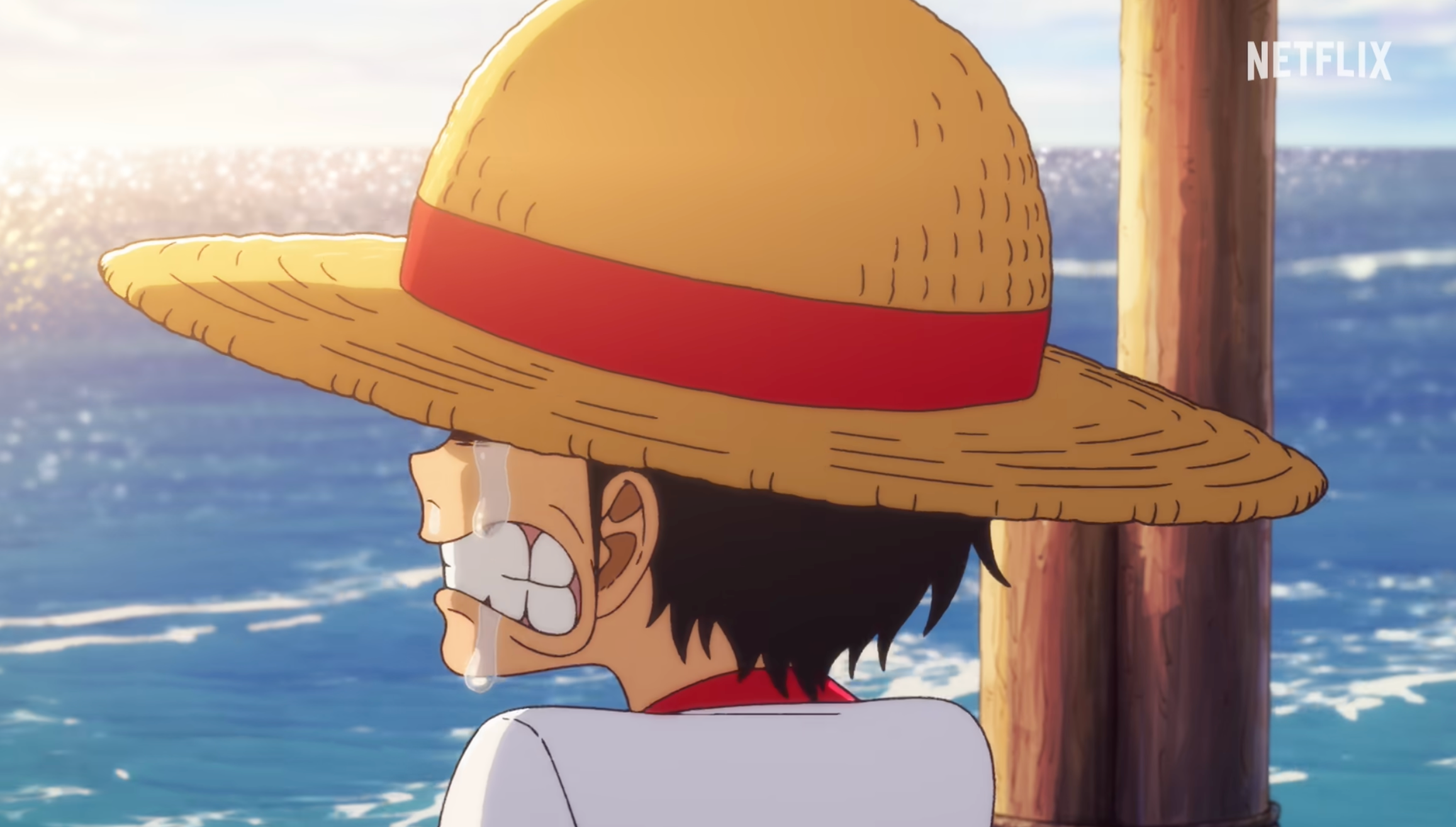
East Blue is a smart starting point because it is the emotional grammar of the whole series. Before the massive lore, bigger seas, and towering later arcs, East Blue teaches viewers how One Piece wants to be watched. It is goofy until it hurts. It is simple until the simplicity cracks open. It builds loyalty through hunger, dreams, wounds, and absurd confidence. If the remake cannot make East Blue land, no amount of later spectacle will matter.
The teaser puts the project in the hot seat because it turns an abstract announcement into a sensory promise. Fans can now start judging line, color, voice, movement, and tone. That is both useful and unfair, but it is how protective fandom works. One Piece fans are not merely checking whether the remake looks expensive. They are asking whether it understands the feeling of the series: the way comedy and grief can sit one scene apart without canceling each other out.
Pacing will be the central argument. A remake can fix drag, but it can also damage rhythm. Some older anime pacing issues are obvious, especially when a long-running weekly format stretches material. But not every pause is waste. One Piece needs room for reactions, running jokes, emotional build, and the quiet beat before a character says the thing they have been afraid to say. The remake should be leaner, yes, but not impatient. Speed is not the same as storytelling confidence.
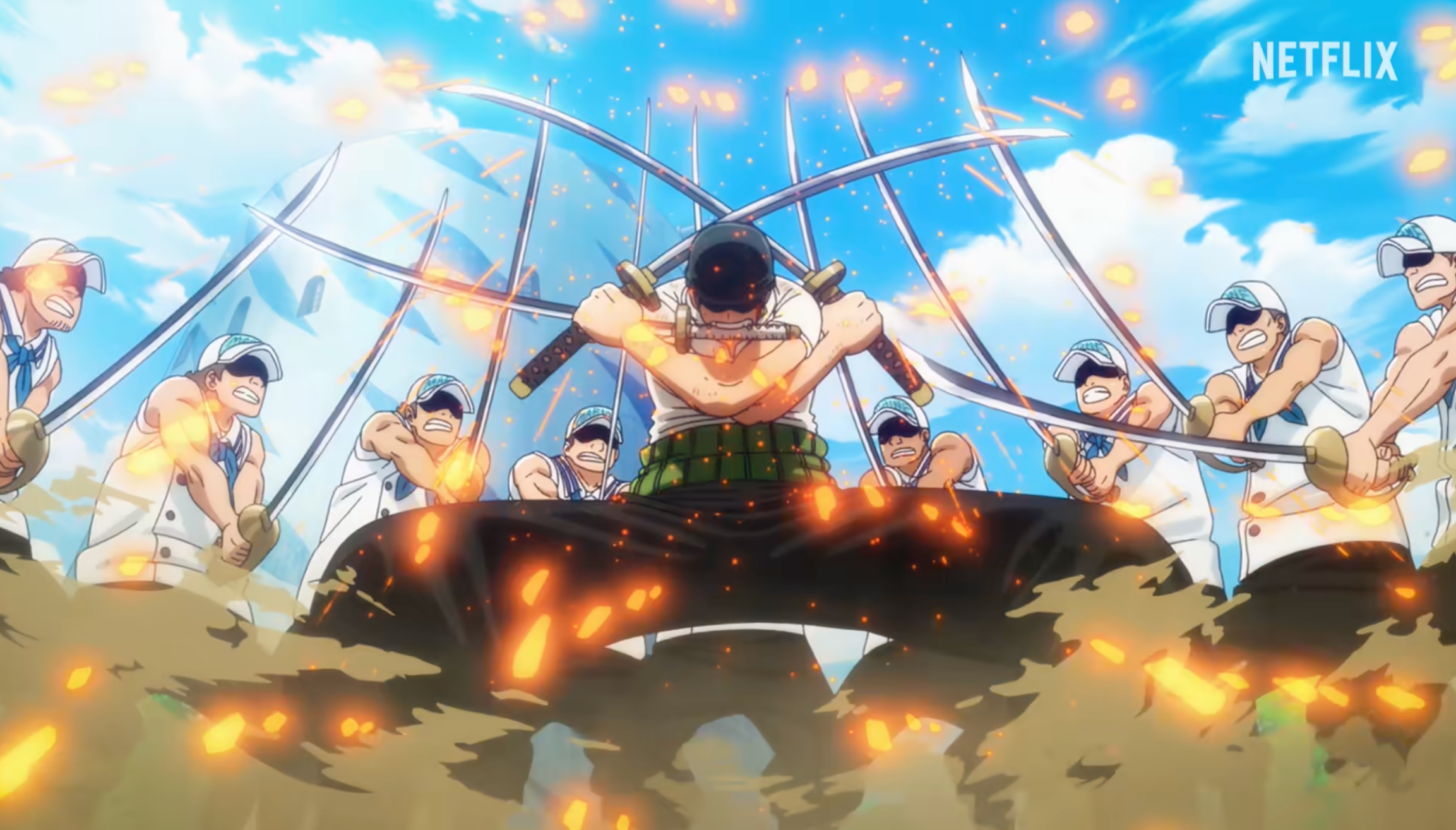
The Straw Hat introductions have to feel sacred without feeling embalmed. Luffy needs to be foolish, magnetic, and morally clear in a way that sneaks up on people. Zoro needs danger and deadpan loyalty. Nami needs guarded intelligence and the ache that makes her early story hit so hard. Usopp needs cowardice, imagination, and the vulnerability under both. Sanji needs style, hunger, and heart. If those foundations feel thin, the remake will look like One Piece while missing why people board the ship.
The collaboration context also matters. Netflix, WIT Studio, Shueisha, Fuji TV, and Toei Animation being tied to the project signals that this is not a rogue reinterpretation floating outside the franchise ecosystem. That may reassure some fans, but it does not remove the creative pressure. Official involvement can protect legitimacy. It cannot guarantee soul. The remake still has to make choices scene by scene, joke by joke, tear by tear.
East Blue Cannot Be Treated Like Homework
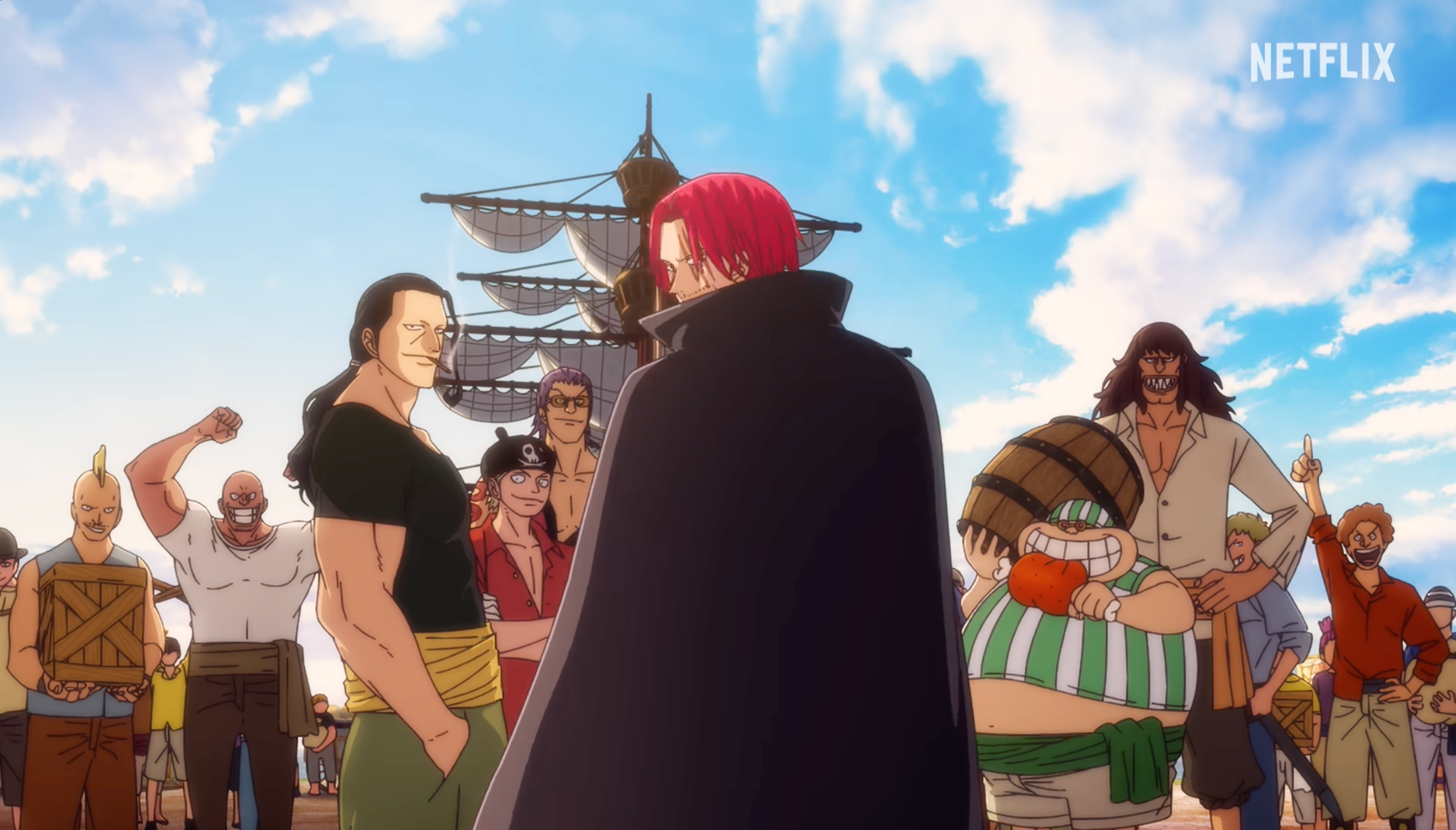
The biggest creative opportunity is clarity. A modern remake can frame early One Piece for viewers who know the franchise as a cultural giant but have never felt its first emotional hook. It can make the comedy land with fresher timing, give fights more physical snap, and make the seas feel wide from the beginning. It can also foreshadow the size of the world without burying the charm of a smaller crew taking its first steps. That balance could make the remake genuinely valuable rather than merely convenient.
The biggest risk is prestige flattening. One Piece should not become too tasteful. It should be loud, silly, sincere, and willing to look ridiculous in pursuit of feeling. Luffy's power is not cool in the conventional sense. It is goofy, impossible, and emotionally pure. If the remake tries to make everything sleek for modern streaming audiences, it may betray the very eccentricity that made the story endure. The weirdness is not an obstacle. It is the engine.
There is also a generational layer. For longtime fans, The One Piece may feel like watching someone else repaint a childhood room. Even if the new paint is beautiful, the feeling is complicated. For new viewers, it may become the first version, the one that defines the crew before they ever touch the original anime or manga. That makes the remake both gateway and reinterpretation. It is not replacing the old journey, but it may become the front door for an entire wave of fans.
Netflix has reason to want that front door. The live-action series helped prove that One Piece can travel across formats when handled with affection and enough tonal courage. An anime remake is a different kind of test. It is closer to the source, more directly comparable, and more vulnerable to frame-by-frame fan judgment. The standard will not simply be whether it is good television. The standard will be whether it makes the old magic easier to enter without making it feel smaller.
That is why cautious excitement is the right posture. The One Piece remake addresses a real access problem, and WIT Studio gives the project a serious creative promise. But the remake cannot treat the original as homework to summarize. It has to treat East Blue as a living emotional machine, one where the jokes, fights, promises, and tears all matter. If it can do that, it may become the rare remake that feels generous instead of redundant.
Why WIT Studio Has to Preserve the Weirdness
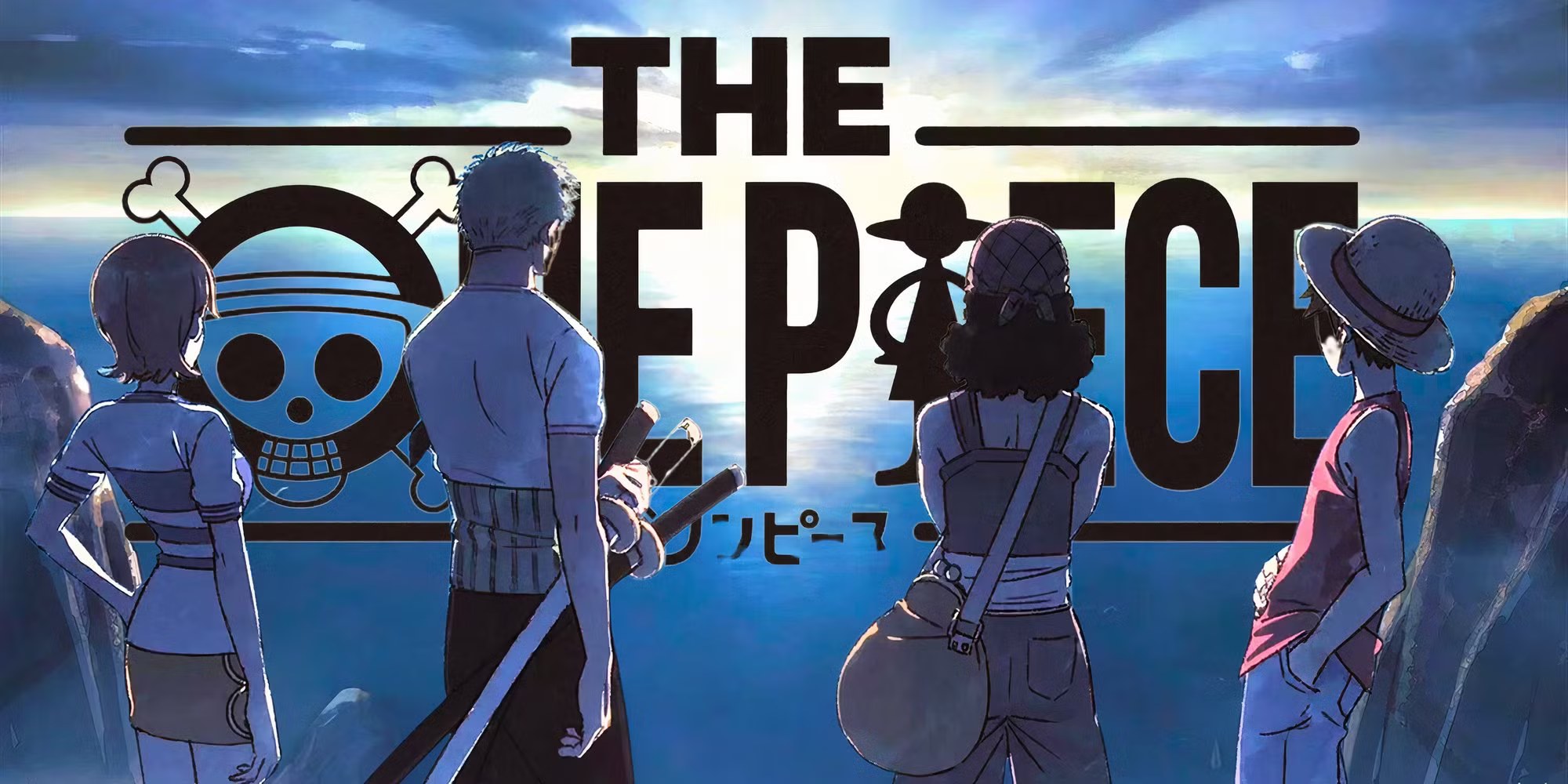
The first teaser is only the beginning of the argument. The real answer will come when viewers see how the remake handles the first dreams, the first wounds, the first impossible declarations, and the first time the Straw Hats feel like more than a group of characters. One Piece has never been about efficiency. It is about freedom, loyalty, appetite, and the outrageous belief that a dream can carry you past the horizon. The remake's job is not to make that smaller. It is to make a new audience feel it from the start.
The remake's relationship to the original voice and music culture will also matter, even before every casting or localization choice is known. One Piece is not only a plot. It is a sound in fans' heads: certain laughs, certain cries, certain rhythms of panic and celebration. A remake has to build its own identity without making those memories feel dismissed. The safest choice is not always the most interesting one, but every choice has to understand how deeply fans attach to performance.
The East Blue saga is especially unforgiving because it contains so many emotional firsts. The first time Luffy's certainty feels less like a joke and more like a moral force. The first time a crew member's dream becomes everyone's problem. The first time comedy gives way to pain and then comes back stronger. These are not just plot milestones. They are trust-building moments. If the remake rushes them, viewers may understand the story without feeling why it became a phenomenon.
One Piece also depends on the balance between freedom and structure. The world feels endless, but the emotional logic is clear: people chase dreams, tyrants crush them, crews become families, and the sea is terrifying because it offers possibility. The remake should make that philosophy legible early. It should not overload newcomers with future lore, but it should make them sense that East Blue is the edge of something vast. Wonder matters as much as efficiency.
That is why the remake could become genuinely useful even for skeptical fans. A strong version will not replace the original anime or the manga. It will become another doorway, one that lets a new generation feel the spark without demanding they first accept the entire weight of the franchise. The danger is making One Piece neater than it should be. The promise is making its earliest adventure feel immediate again. The teaser starts the debate. The first real episodes will decide whether the ship is worth boarding twice.