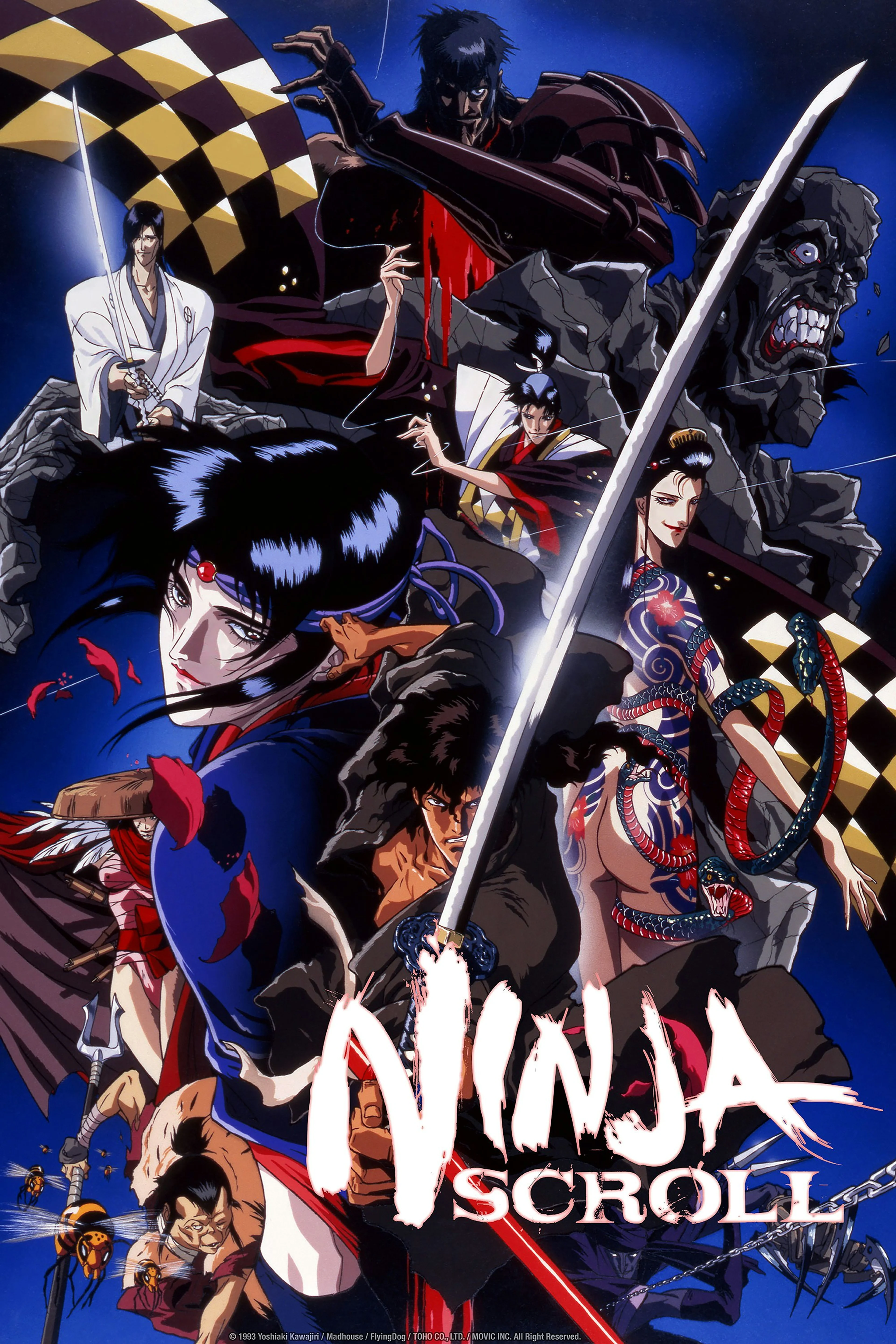
Ninja Scroll returns to U.S. and Canadian theaters on October 4, 5 and 7 with a new 4K restoration supervised by Yoshiaki Kawajiri. This is the filmmaker’s 1993 animated feature, not a remake. Sentai went back to the original 35mm negative, scanned it at 3840 × 2160, repaired damage and corrected the color for a new digital master.
For returning viewers, the attraction is seeing the existing movie from a freshly restored film source. For newcomers, it is a short theatrical opportunity to meet Jubei and Kagero in Kawajiri’s supernatural samurai story. The restoration has already had its world premiere at the 2026 Berlin International Film Festival; these October screenings bring it to North American audiences.
A new scan, not newly drawn animation
The source matters. Film stores an image on a physical strip; a digital scan turns that photographed image into pixels. Scanning the original negative again is a different starting point from taking an older digital copy and merely enlarging it to fit a higher-resolution screen.
3840 × 2160 describes the new scan’s pixel dimensions. It does not mean that the characters were redrawn or that the story received new scenes. Sentai’s announced work concerns the film image: the scan, damage repair and color correction. A familiar shot can therefore be presented from a new master while remaining the same animation.
Credits
Courtesy of HIDIVEDamage repair addresses the condition of the source, while color correction adjusts the scanned image’s color presentation. Neither term, on its own, tells viewers precisely how every shot compares with an older disc. The announcement does not provide a shot-by-shot restoration log or a list of all changes to previous releases.
It also does not announce a new cut, extra footage or a new score. Those are different kinds of changes. A restoration can improve the way an existing film is presented without changing the order of its scenes or the performances in them. Fans should judge this release as a restored version of the original feature, rather than expect a newly made Ninja Scroll.
Kawajiri supervised the restoration
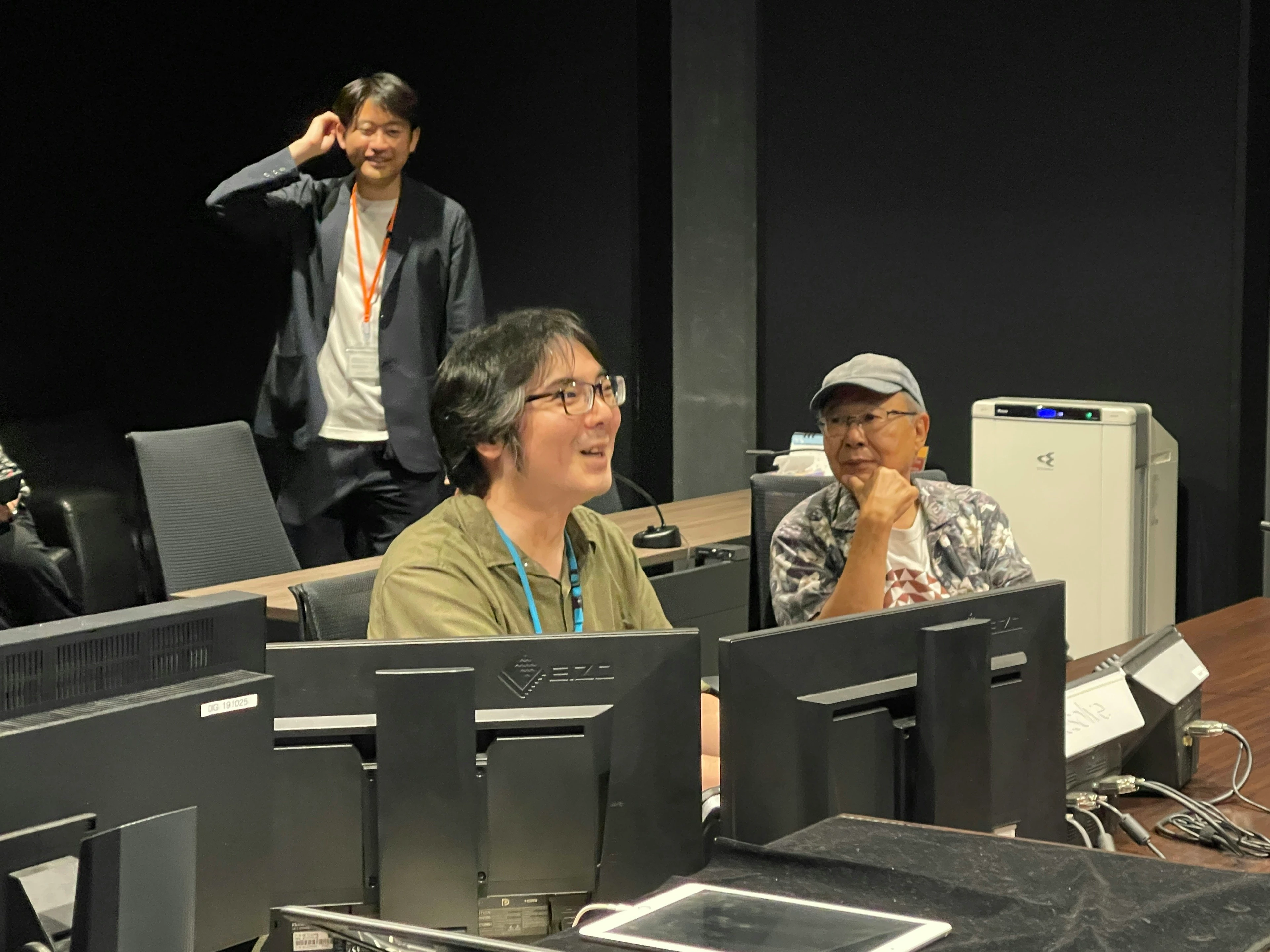
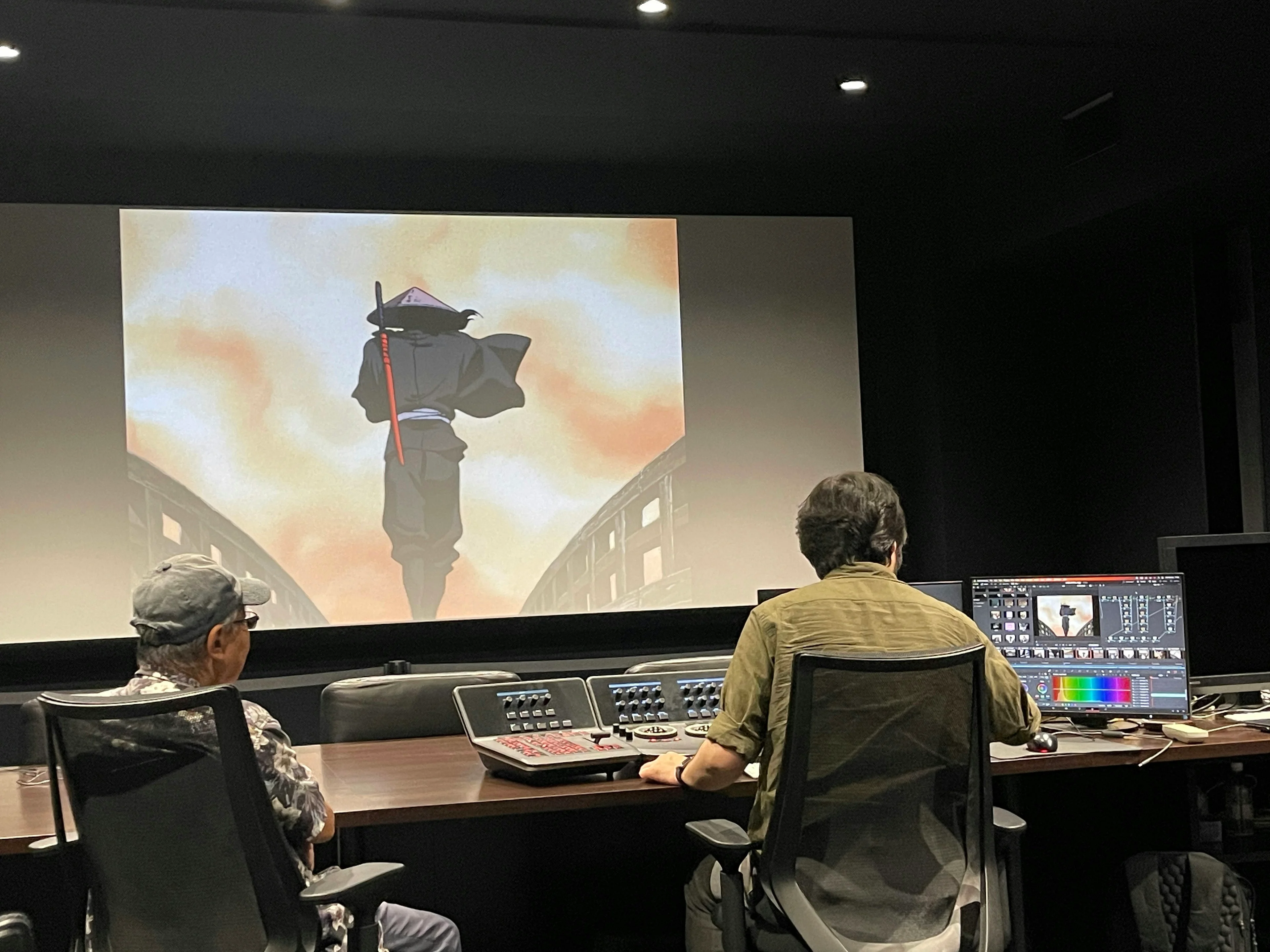
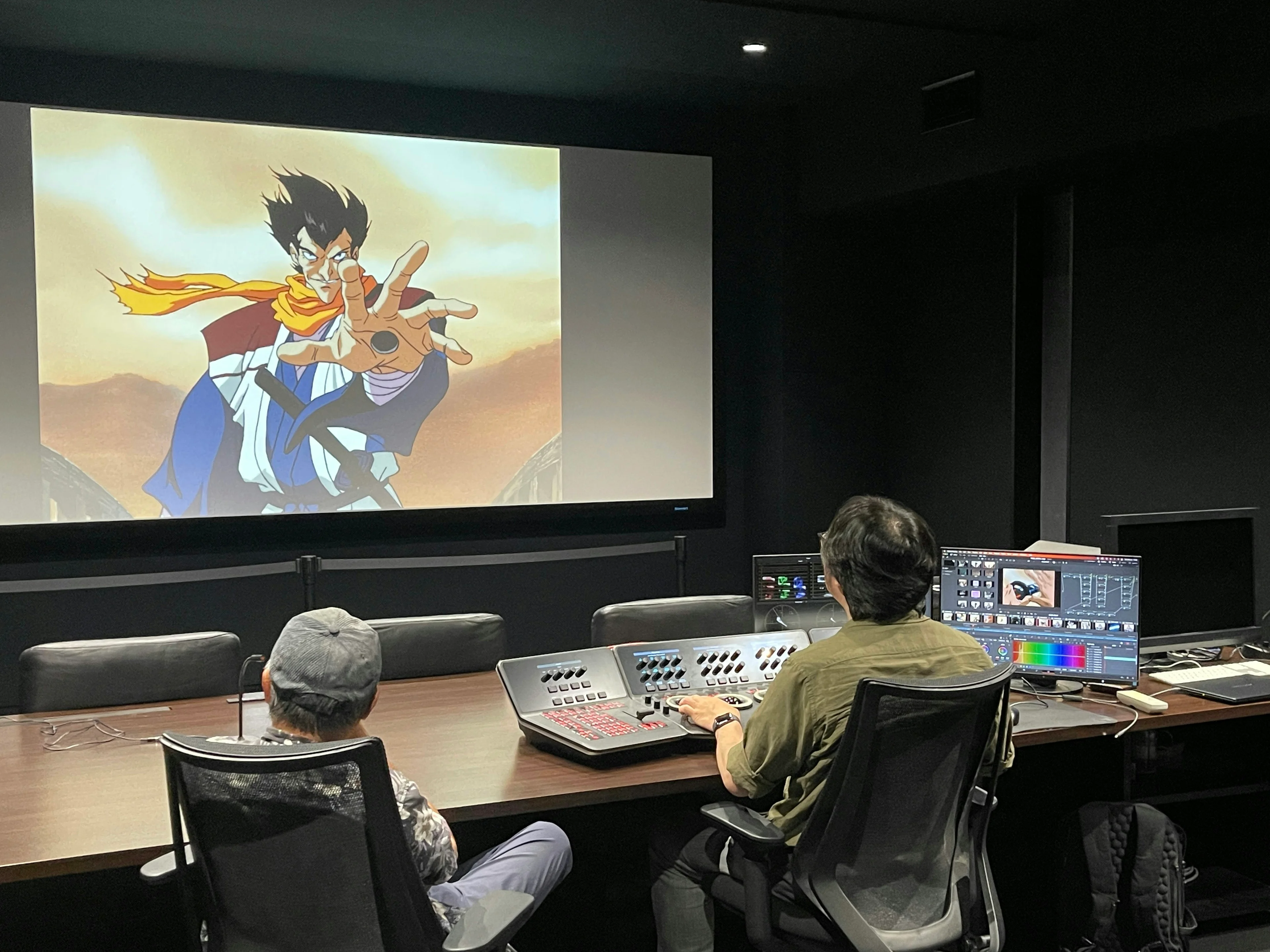
Kawajiri wrote and directed the 1993 film, and Sentai produced the restored version under his supervision. The released behind-the-scenes photographs show the film being reviewed on a large screen in a working room with monitors and color controls. They offer a look at the review process behind the new master.
The distinction between supervising and performing every technical operation is worth keeping clear. The announcement credits Kawajiri’s supervision; it does not say that he personally scanned the negative or completed every repair. His involvement connects the restoration to the director responsible for the original movie without assigning him work the release does not describe.
Credits
Courtesy of HIDIVEFor viewers comparing editions, the trailer is a useful first look at the restored presentation, but it cannot tell you everything about a theater screening. A streamed promotional video and a cinema projection are different ways of viewing the image. The announced 4K scan is a specific fact; assumptions about an HDR grade, a new sound mix or exact differences in film grain are not confirmed by it.
Jubei, Kagero and the village mystery
The story follows Jubei after he saves a young ninja woman. Instead of ending with the rescue, the pair investigate the mysterious deaths of an entire village and uncover a demonic conspiracy. Their opponents have good reason to stop them getting closer to the truth.
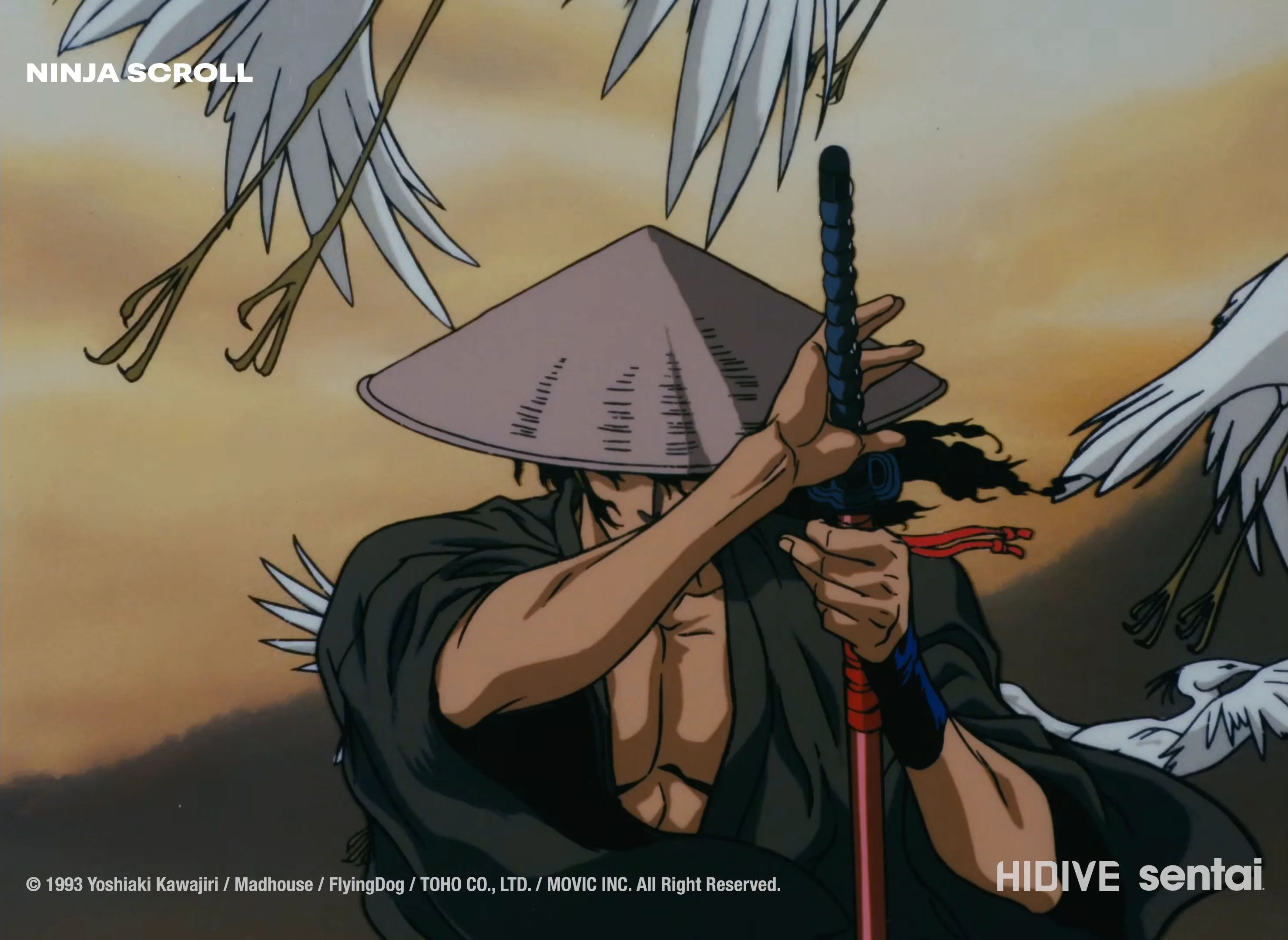
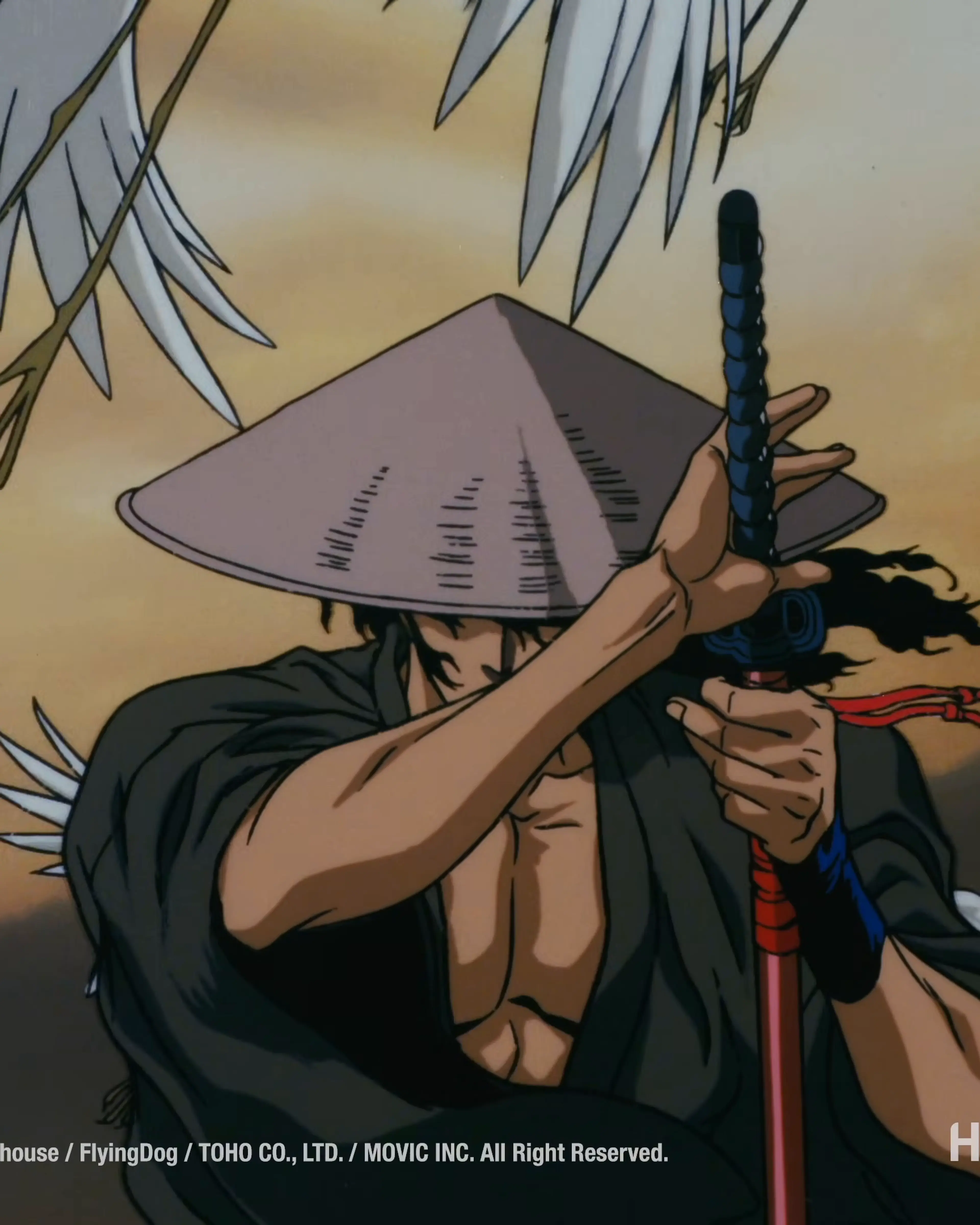
In the Japanese voice cast, Koichi Yamadera plays Jubei Kibagami, Emi Shinohara plays Kagero, and Takeshi Aono plays Dakuan. These are the original film’s characters and performers, not a newly announced cast for a remake. A restoration announcement should not be confused with a casting announcement for another production.
Who’s who in Ninja Scroll
More cast
- Emi Shinoharaas Kagero
- Takeshi Aonoas Dakuan
The production team also includes Yutaka Minowa on character design and animation direction, Hiromasa Ogura on art direction, Hitoshi Yamaguchi on cinematography, Harutoshi Ogata and Yukiko Ito on editing, and Kaoru Wada on music. The new theatrical presentation gives audiences another way to watch their work in the 1993 feature.
Ninja Scroll has an R rating in its U.S. listing. Its animation does not make it a family movie: the film includes strong violence and adult material. Anyone deciding whether to bring younger viewers should consider the movie’s content, rather than use the restoration’s age or the animated format as a guide.
Three theater dates, with the 4K disc later
The North American event dates are October 4, October 5 and October 7, 2026. Participating theaters and local times vary, so check the event listing for your location. Three announced dates do not guarantee that every cinema or city has all three screenings, or that a seat is still available at a particular showing.
Sentai has separately announced a limited-edition 4K UHD Blu-ray SteelBook for early 2027. That is a future home-video release, not an October disc launch. No more precise release date is given in the restoration announcement, and the theatrical dates should not be reused as a streaming or home-video date.
The existing film is currently listed on HIDIVE in the U.S., with a subscription viewing option. That listing and the new 4K master need to be kept separate: a catalog entry for Ninja Scroll does not, by itself, establish that it carries this restored master in 4K. The distributor has not announced a restoration-specific streaming date in these releases.
The confirmed reason to see this version is concrete: the original negative has been scanned again, damage repaired and color corrected with Kawajiri’s supervision. If the October dates work for you, the event offers that presentation in a theater. If not, the announced 2027 disc provides a later physical-release option without requiring fans to guess about an unannounced new cut.