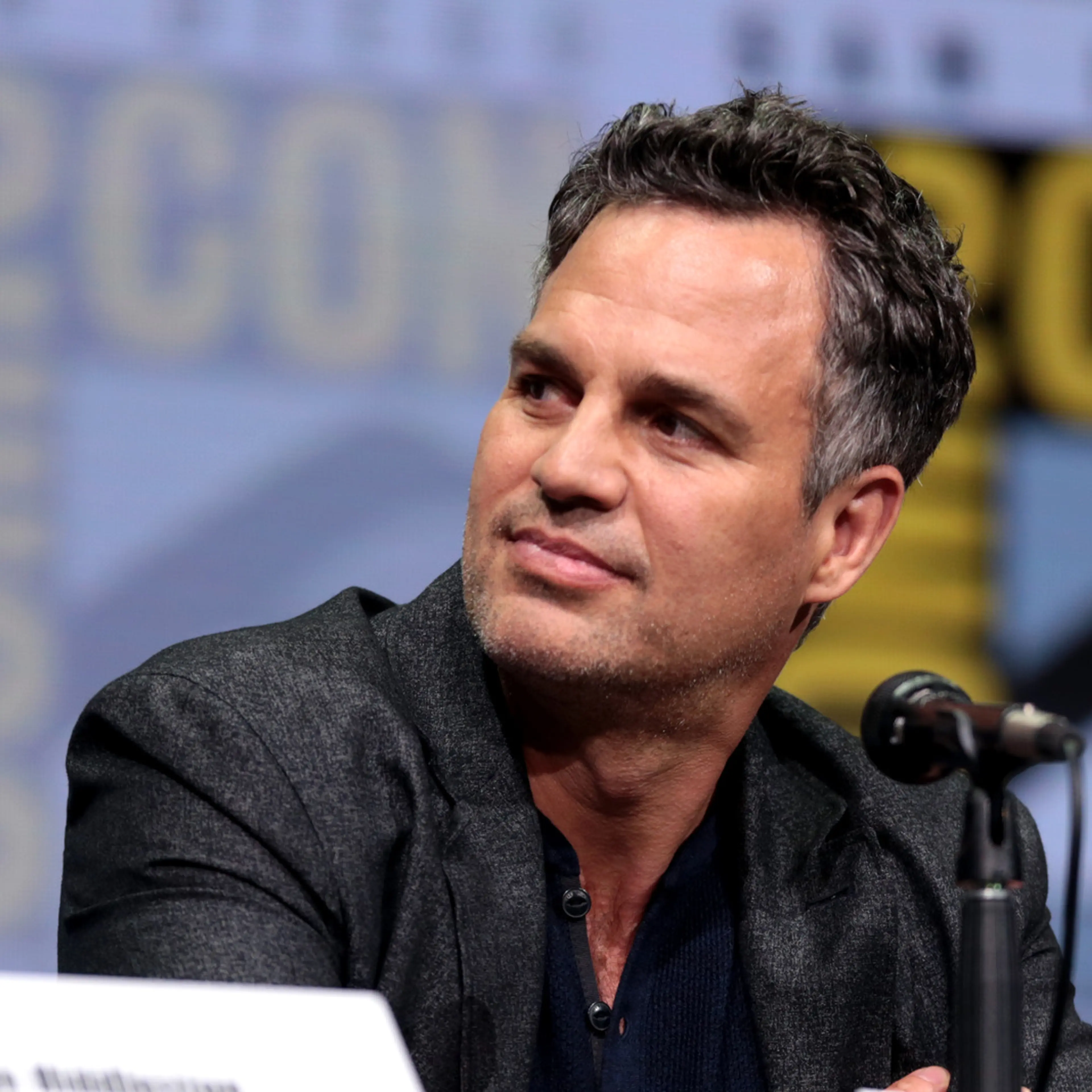
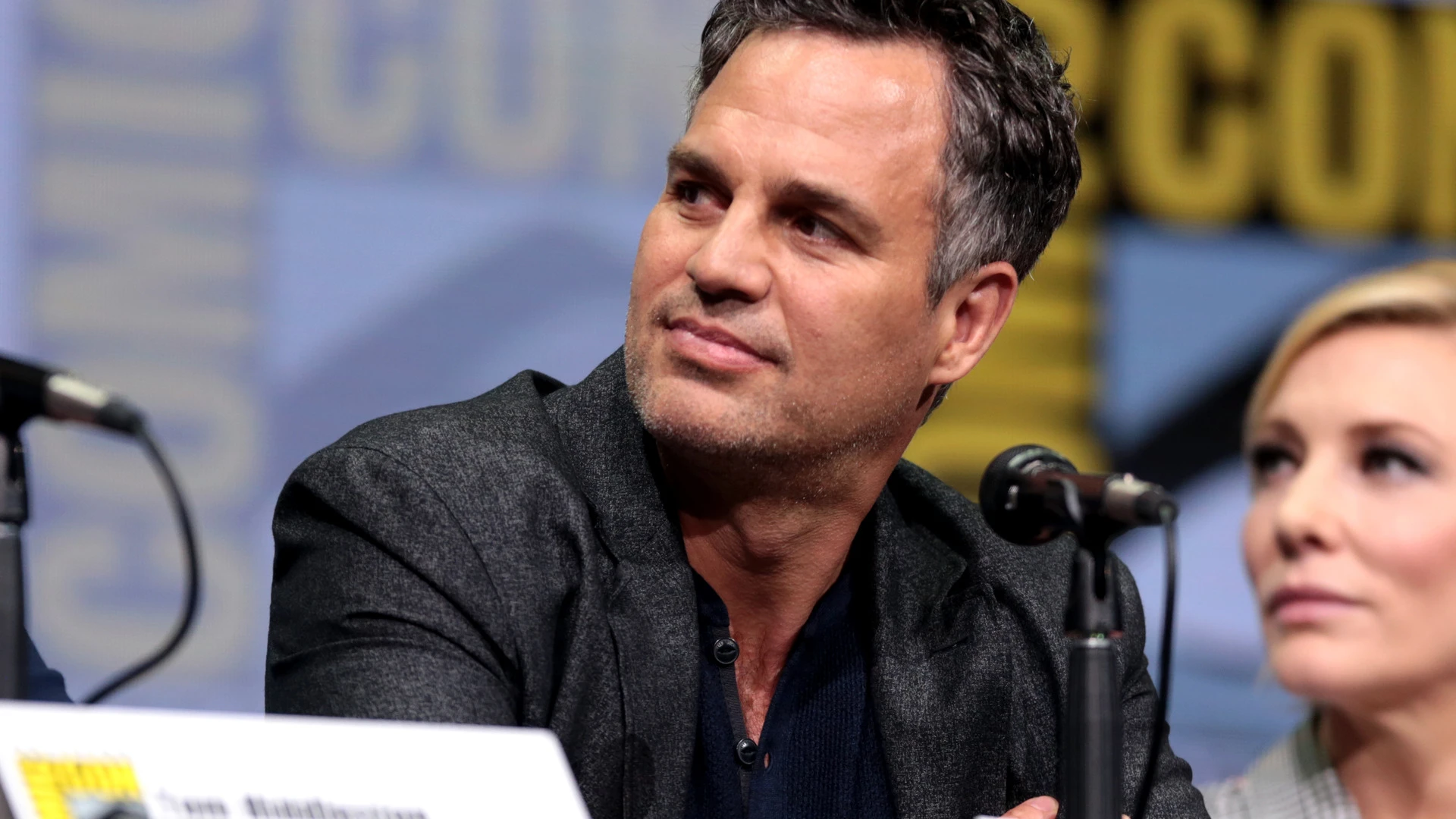
Mark Ruffalo has attacked Paramount Skydance’s planned takeover of Warner Bros. Discovery after a federal judge approved the settlement that cleared the last major legal obstacle. The actor says the deal threatens creative work, free speech, and jobs across the entertainment business.
“This merger will stifle creativity, weaken free speech, and cost people their jobs — it is a bad deal for this country and should never have been approved.”
— Mark Ruffalo, writing on Threads after the settlement was approved
What did Mark Ruffalo say?
Ruffalo called the court decision “an incredibly disappointing outcome” for the people who organized against the merger. He also said the campaign would continue rather than disappear after the ruling.
His post puts a famous face on concerns that have followed the deal from the start: fewer major studios competing for projects, possible layoffs after two companies combine, and less room for filmmakers whose work does not fit the new owner’s priorities.
What did the judge approve?
The judge approved a settlement involving 12 state attorneys general who challenged the merger. The agreement adds production, theatrical-release, labor, and editorial safeguards while allowing the transaction to move ahead. Our earlier report explains how the settlement moved the deal closer to completion.
What protections are in the settlement?
The agreement places several measurable obligations on the combined company:
- Keep the Paramount and Warner Bros. studio lots operating for at least five years.
- Add $300 million per year to U.S. film production for five years, a total commitment of $1.5 billion.
- Release at least 30 theatrical films in each of the first two years, then at least 32 in each of the following three years.
- Honor existing labor agreements and maintain safeguards covering news operations and editorial independence.
Why are creators still worried?
Those promises set a floor for spending and theatrical output, but they do not keep Paramount and Warner Bros. Discovery as separate buyers of scripts, pitches, and finished projects. A combined company can meet a movie quota while still cutting overlapping departments or choosing a narrower mix of films.
Supporters can point to the extra production money, protected studio lots, and release targets. Ruffalo and other opponents are focused on what consolidation does after the paperwork is complete: who keeps a job, which projects get approved, and how much power one owner has over film, television, streaming, and news.
When could the merger close?
Paramount Skydance and Warner Bros. Discovery said they expected the transaction to close on October 6, 2026, subject to customary closing conditions. Ruffalo’s statement will not stop the deal by itself, but it keeps the creative and labor concerns in public view as the companies prepare to combine.
The settlement answers some practical questions about spending and releases. It does not settle the argument over whether another major media merger is good for the people making the work. Do the new safeguards change how you see the deal?