Why GTA V Is Still the Open-World Game Everyone Gets Compared To
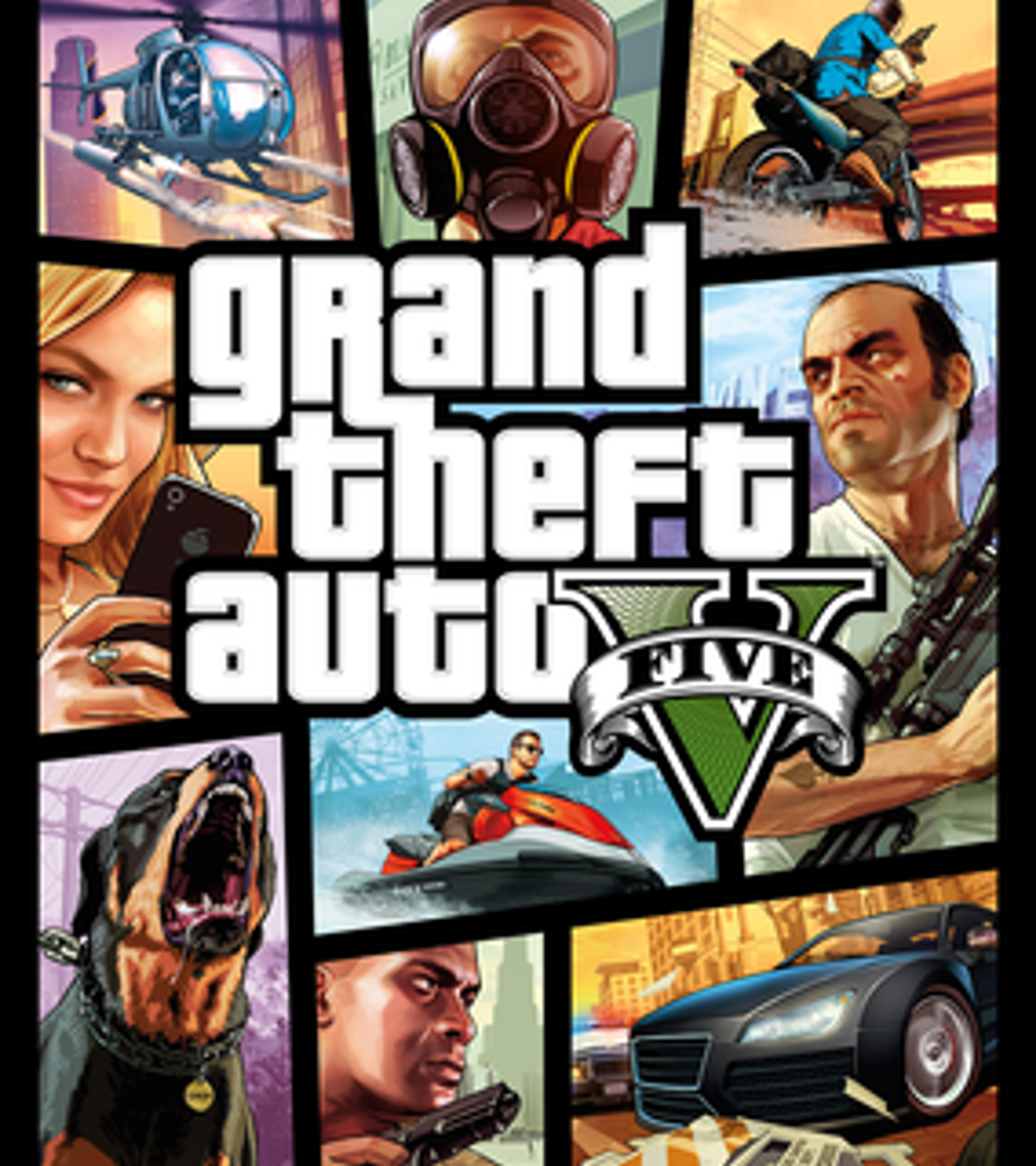
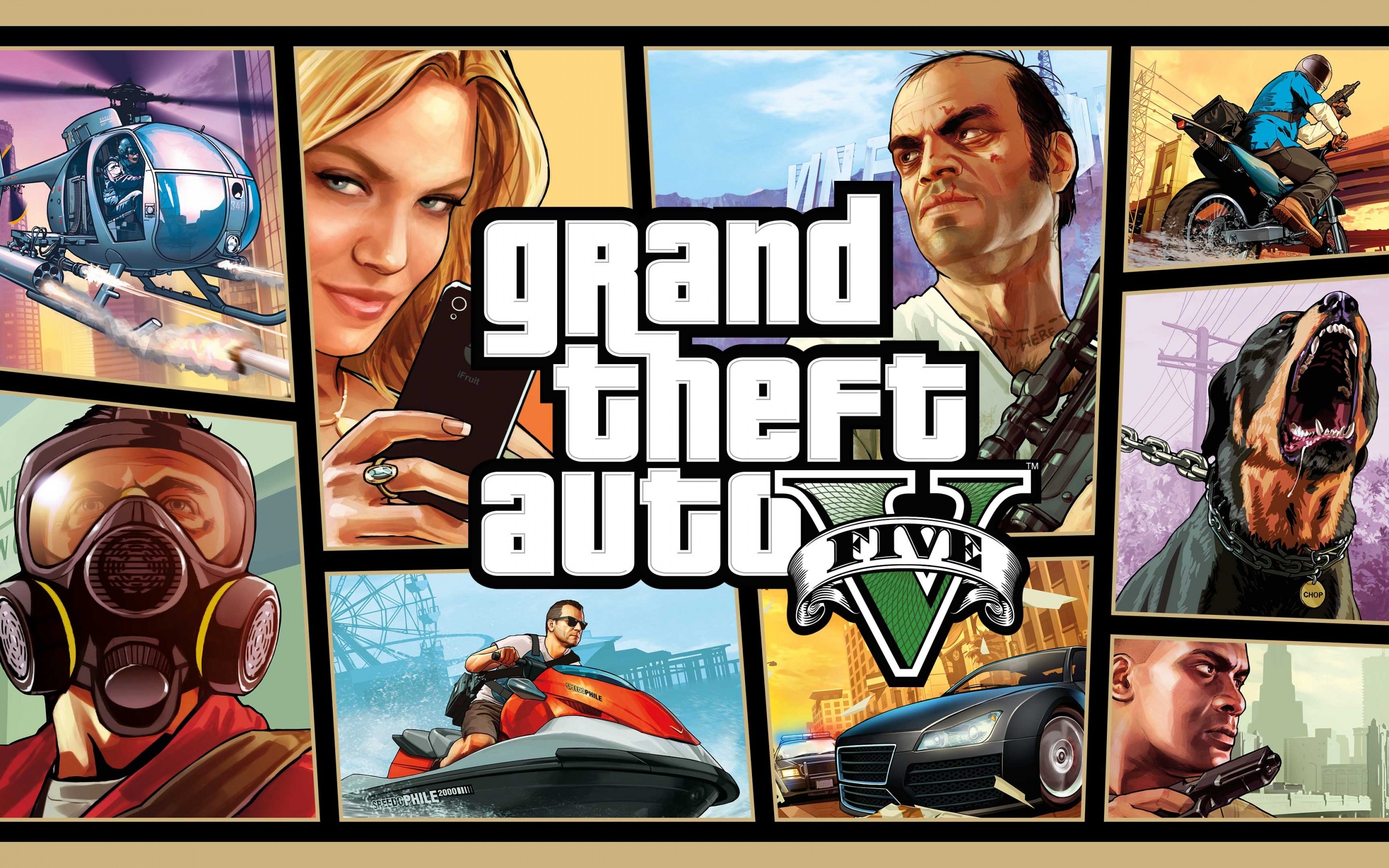
Grand Theft Auto V is still one of the first games players bring up when they talk about open-world games.
Not because there is a new trailer, a new score, or a new Rockstar announcement. The reason is simpler: GTA V has become a benchmark. When players discuss whether a new open-world game feels big, ambitious, alive, or worth returning to, GTA V is still one of the names that comes up first.
That does not mean every open-world game needs to be GTA V. But it does show how much Rockstar’s game shaped what players expect from the genre.
Rockstar's official page remains the clean source for the game itself. That matters because GTA V is a specific game with a specific legacy, not just a vague keyword people throw into every open-world conversation.
The bigger discussion is about what GTA V represents now.
For many players, the name means scale. It means a large map, a detailed world, long-term popularity, expensive production, and the feeling that a game has enough going on to stay relevant for years. That is why the comparison keeps coming back. GTA V is not just remembered as a game. It is used as a shortcut for a whole set of expectations.
But that shortcut can also create problems.
Sometimes comparing a new open-world game to GTA V makes the conversation clearer. It helps players ask fair questions: Is the world big enough? Does it feel alive? Is there enough to do? Does the game match the ambition of its marketing?
Other times, the comparison becomes lazy. Not every open-world game is trying to offer the same kind of experience. Some games care more about story. Others focus on exploration, combat, atmosphere, survival, or a smaller but more detailed world. Judging all of them by the same GTA V standard can flatten the conversation.
That is where the debate gets interesting.
One side thinks the comparison is fair. If a studio is promoting a huge open-world game, players are going to compare it to the biggest examples they already know.
The other side thinks the comparison is overused. They see it as a way to drag every ambitious game into Rockstar’s shadow, even when the design goals are completely different.
Both sides have a point.
GTA V remains a benchmark because open-world games often sell themselves with big promises: freedom, scale, immersion, and endless things to do. Those words can sound impressive in marketing, but players want to know what they actually mean. GTA V gives them an easy reference point.
The problem is that “Is it like GTA V?” is not always the best question.
A better question is: what kind of open world is this game trying to be?
Is it about scale? Density? Story? Player freedom? Long-term support? A world that feels alive? A map full of activities? Those are more useful questions than simply asking whether something is “the next GTA.”
That is the real takeaway.
Grand Theft Auto V still matters because it gives players a common language for talking about ambition in open-world games. But using it as a comparison only works when the comparison is specific. Otherwise, it becomes noise.
The next time a major open-world game is announced, the question should not just be whether it can match GTA V. The better question is why people keep bringing GTA V into the conversation in the first place — and whether that comparison actually fits the game being judged.