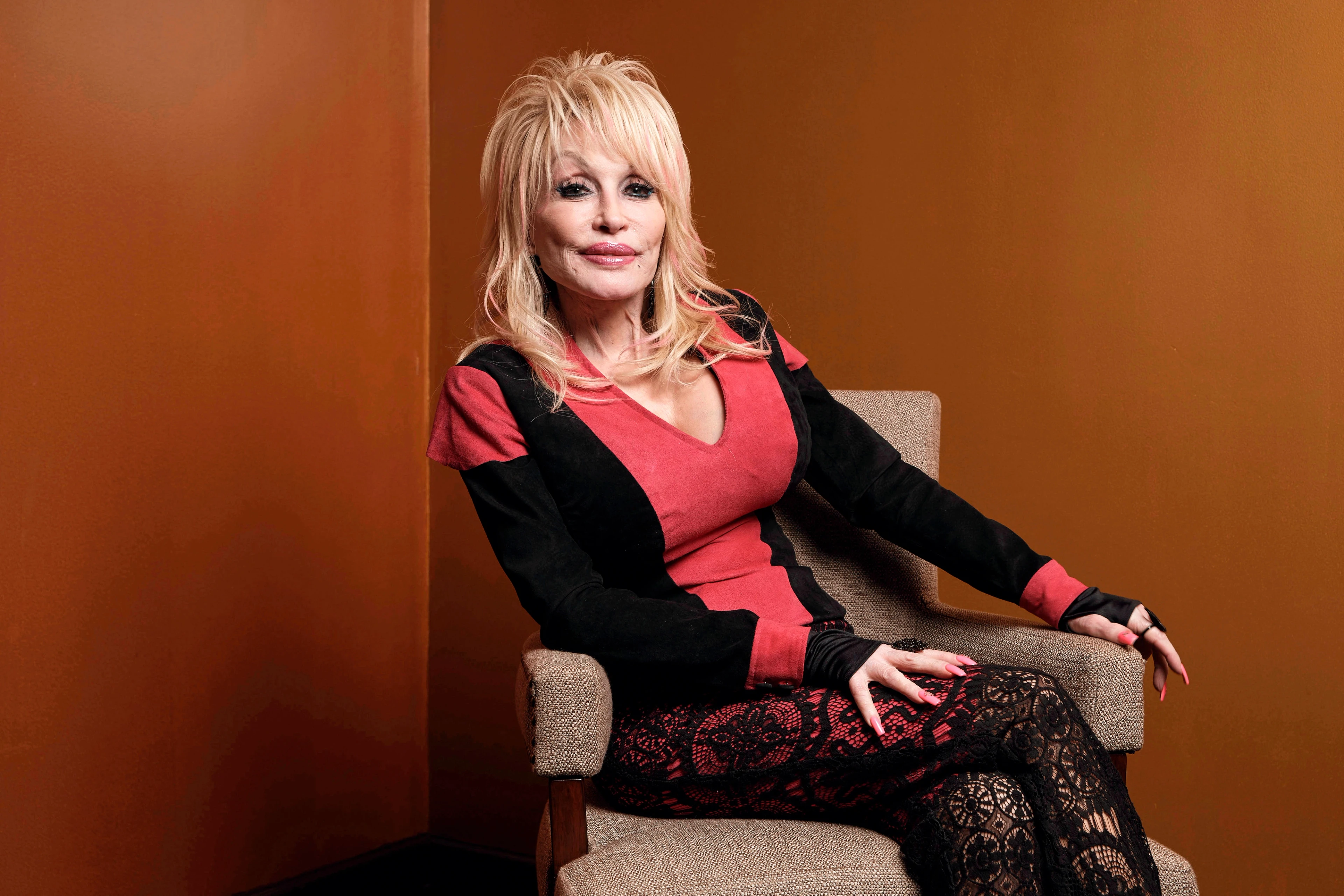
Dolly Parton has died at 80. The country singer, songwriter, actor, author, and philanthropist died peacefully in Nashville, Tennessee, on Tuesday, August 25, according to a statement from her publicist. Her family also confirmed the news in a video message shared through her official accounts. A cause of death has not been announced.
Parton’s death follows a year of public health updates, canceled appearances, and a postponed Las Vegas residency. She shared some information about her treatment, but never announced a full diagnosis. Her final months are documented through those updates and the events she could no longer attend.
How Dolly Parton’s Death Was Confirmed
The Associated Press reported the publicist’s statement, while Parton’s family shared its own message on August 25. The announcement identified Nashville as the place of death and Parton as 80 years old. Neither announcement gave a cause of death, and no reliable report has filled in that gap.
Parton had discussed health problems in public, but those comments do not establish what caused her death. The available facts end with the confirmation from her publicist and family.
What Was Publicly Known About Her Health?
Parton postponed her first Las Vegas residency in 32 years in September 2025, citing health challenges. The six-show engagement was moved from December to September 2026, then canceled in May when she said she was not ready to return to the stage.
In a May video, Parton said medication and treatment were helping, while also mentioning a history of kidney stones and problems affecting her immune and digestive systems. She said her doctors considered the conditions treatable. Those were her public descriptions, not a complete medical diagnosis.
The updates continued into August. Parton missed a Dollywood attraction opening on August 14 and told attendees in a video that dizziness and dehydration had kept her from traveling. In a People interview published August 21, she said she had been through difficult health periods and had not paid enough attention to some issues while caring for her late husband, Carl Dean. She also said she was still working while recovering.
No public statement has connected those health issues to her death. Parton’s family and publicist have not announced a cause, so claims that go further are speculation.
The Songs That Made Dolly Parton a Household Name
Parton wrote hundreds of songs, and her best-known recordings are not all famous for the same reason. Some are sharp country stories, some crossed into pop, and others became inseparable from the movies and people who later performed them.
Jolene
Released in 1973, “Jolene” turns a simple plea into a tense three-minute story. Parton sings directly to the woman she fears could take her husband, and the repeated name gives the song its nervous pulse. It became one of the most covered songs in country music, with versions from artists including Miley Cyrus and The White Stripes.
I Will Always Love You
Parton wrote “I Will Always Love You” as a farewell to Porter Wagoner when she left his television show and partnership. Her own versions were major country recordings, but Whitney Houston’s 1992 version for The Bodyguard introduced the song to a much larger pop audience. The song’s history also showed how important Parton’s publishing rights were to her career.
9 to 5
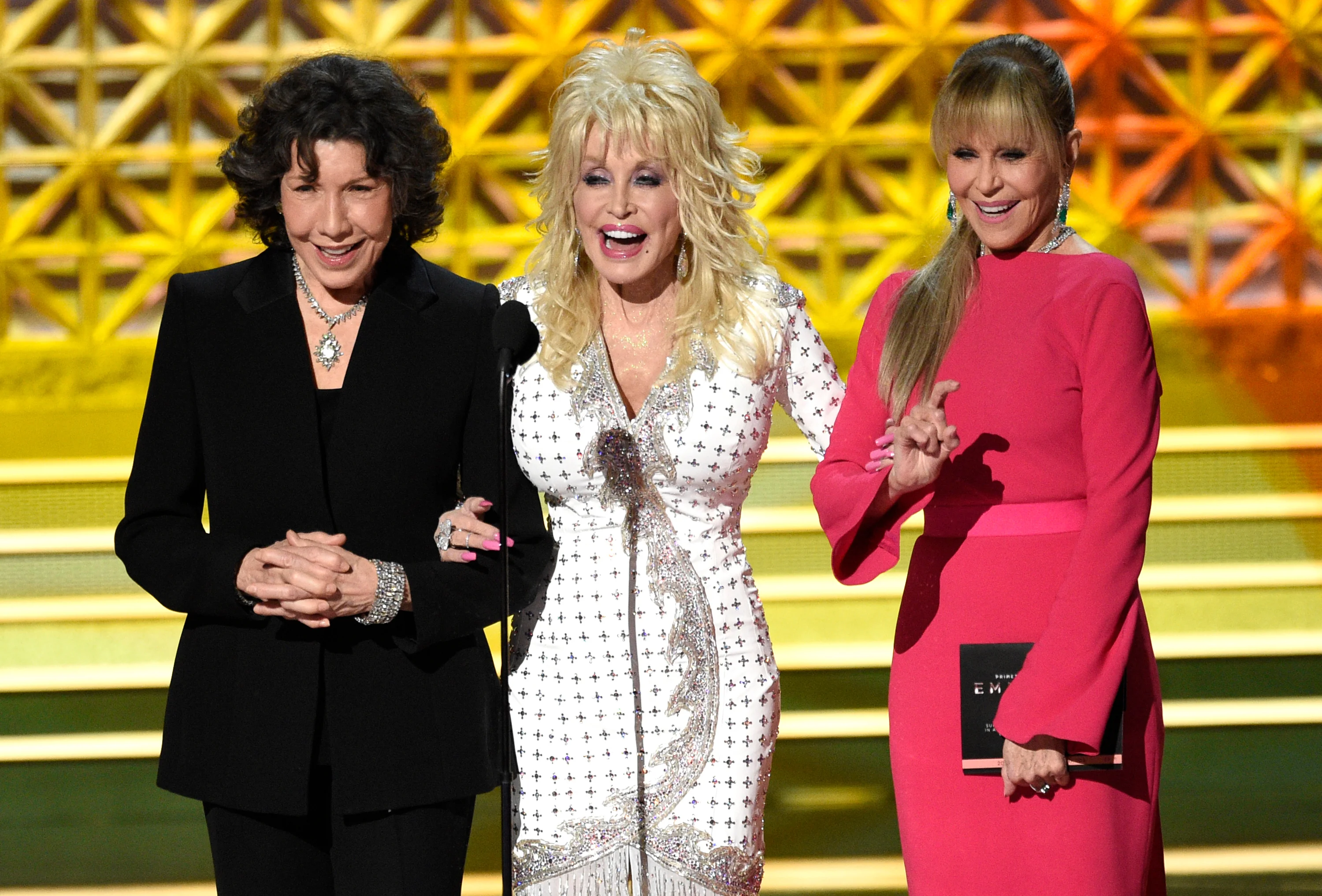
Parton wrote the title song for the 1980 comedy in which she made her film debut alongside Jane Fonda and Lily Tomlin. The typewriter rhythm, workplace frustration, and plainspoken chorus made “9 to 5” work as both a movie theme and a song people could sing without knowing anything about country music.
Coat of Many Colors
“Coat of Many Colors” draws from Parton’s childhood in East Tennessee. Her mother made her a coat from scraps, and Parton turned that family story into a song about poverty, pride, and the difference between what a child owns and what other people think it is worth.
Islands in the Stream and Here You Come Again
Her duet with Kenny Rogers on “Islands in the Stream” showed how easily her voice could sit beside pop and R&B. “Here You Come Again,” which Parton did not write, gave her another major crossover hit and helped move her sound beyond a narrow country audience.
She Took Those Songs Into Movies and Television
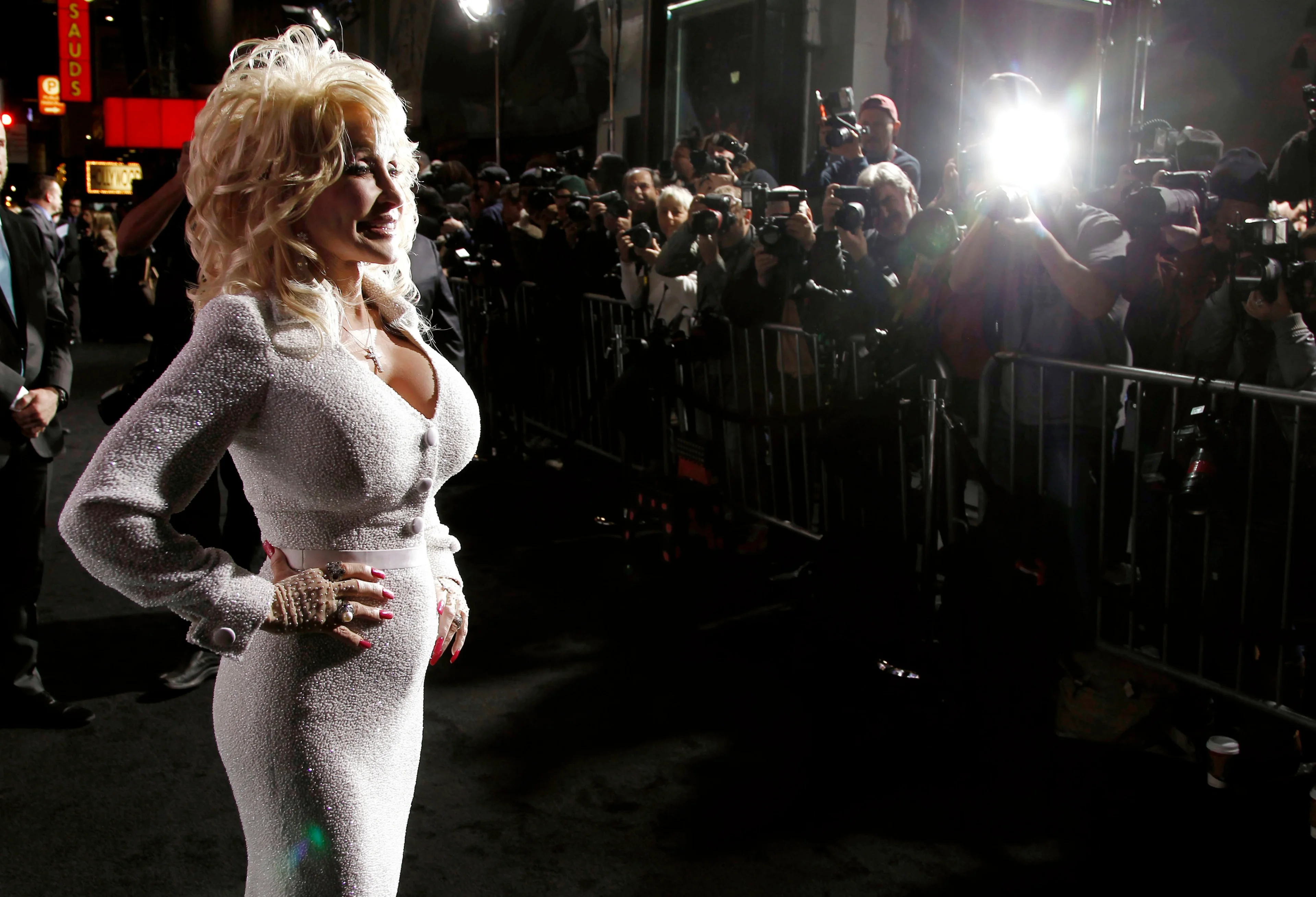
Parton’s film career began with 9 to 5, but it did not end with a novelty appearance by a singer. She followed that success with The Best Little Whorehouse in Texas and Steel Magnolias, then appeared on television in projects including Hannah Montana. The roles gave people another way into her music and let her use the same humor and directness she brought to interviews and live performances.
She also kept building stage work around her catalog. 9 to 5: The Musical opened on Broadway in 2009, and DOLLY: A True Original Musical had been scheduled for a 2026 opening before her death.
The Work That Made Her Bigger Than a Recording Career
Parton’s name is tied to Dollywood, the theme park she opened in East Tennessee in 1985. It became a major tourist destination and an important employer near the Smoky Mountain community where she grew up. The park was part of a larger business career that also included publishing, books, film, television, and theater.
The Dollywood Foundation’s Imagination Library became her most visible charitable project. It sends free books to children from birth through age five, and the program had gifted more than 325 million books worldwide by a June 2026 milestone update. Parton also helped families affected by the 2016 Smoky Mountains wildfires and supported medical and education projects in Tennessee.
Her awards reflect the range of that work. Parton belongs to the Country Music Hall of Fame, the Songwriters Hall of Fame, and the Rock & Roll Hall of Fame. She received the Recording Academy’s Lifetime Achievement Award, and the Academy of Motion Picture Arts and Sciences selected her for the Jean Hersholt Humanitarian Award in 2025.
What Dolly Parton Leaves Behind
Parton’s work crossed into places a country-music résumé normally would not: a pop ballad, a hit movie, a theme park, and a book program used by families around the world. “Jolene,” “I Will Always Love You,” and “9 to 5” will keep moving through new voices, while Dollywood and the Imagination Library keep her name tied to places people can visit and children can read.
Dolly Parton is gone, but her music, films, and charitable projects are still in use. For many fans, remembering her will be as simple as putting on a song.