
Toy Story 5 has reportedly found its sharpest threat in Lilypad, a tablet character pulling Bonnie away from her toys.
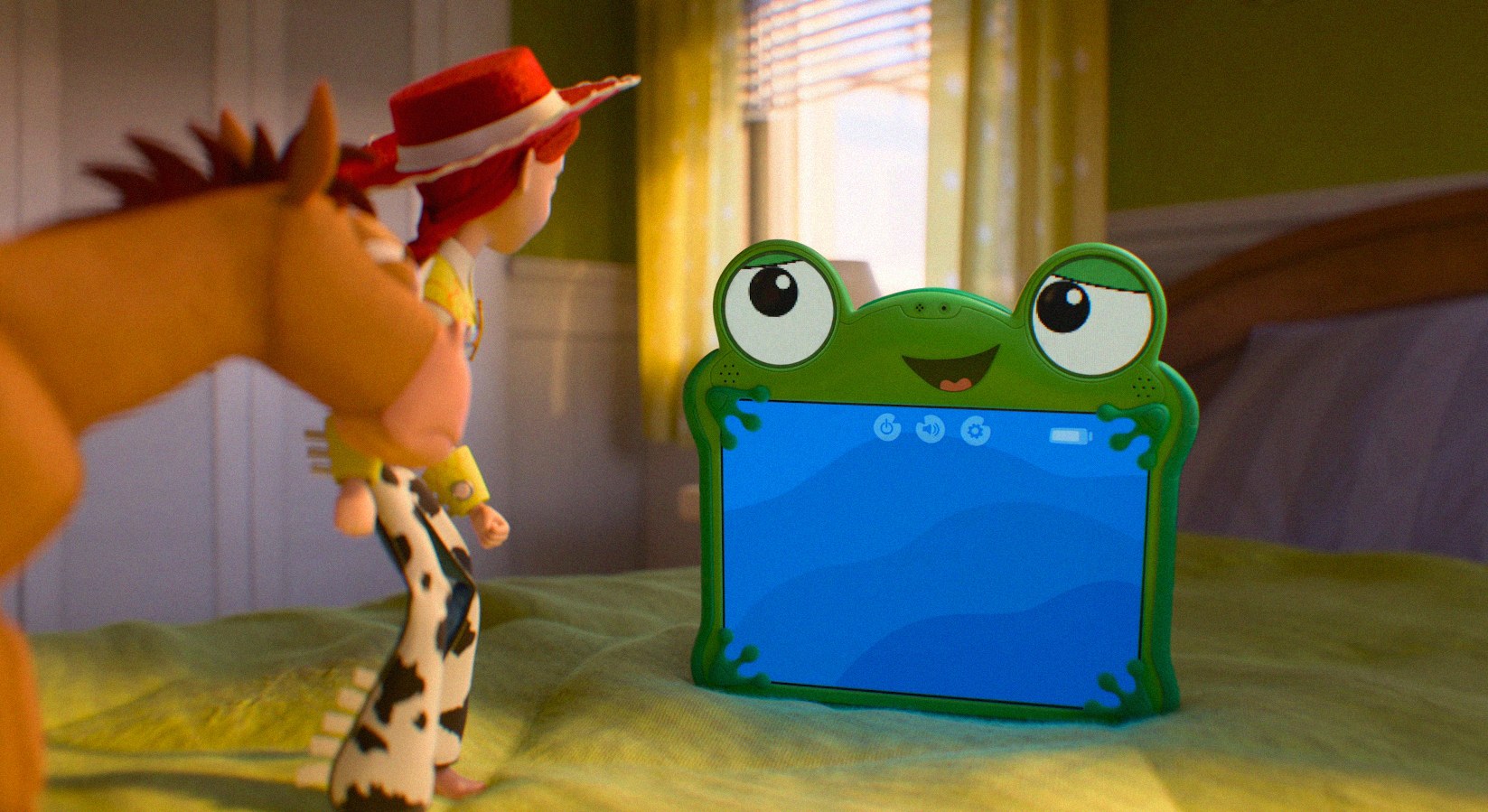
According to the Associated Press, the movie focuses on Bonnie’s growing attachment to the device and the toys’ attempt to reconnect her with traditional play, turning a familiar family argument into Pixar conflict.
The idea lands because it does not need much explanation. Parents know the bargaining, guilt, convenience, and panic built into screen time. Kids know the pull of a bright device. Adults who grew up with Toy Story know the ache of watching play change. A tablet replacing Woody and Buzz is funny on paper, but the joke has teeth.
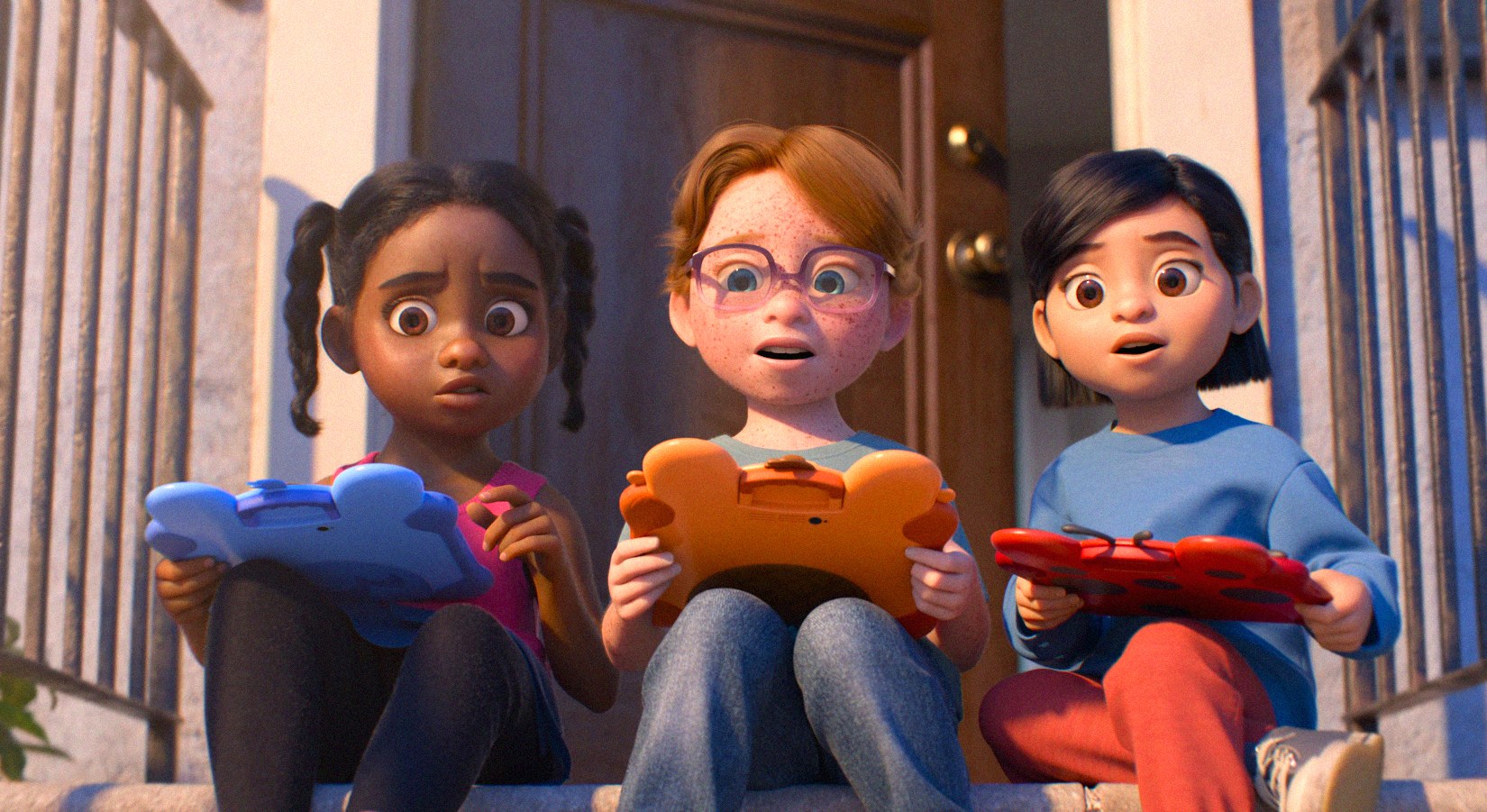
AP’s review frames the film around the effect of digital technology on childhood, with Bonnie’s attention becoming the prize the toys have to win back. Martin Cid Magazine describes Lilypad as a frog-shaped tablet that becomes Bonnie’s new favorite, creating a direct challenge to the toys’ relevance. The antagonist is not a collector, a daycare tyrant, or a malfunctioning toy. It is the glowing rectangle every household already argues about.
Ready Steady Cut adds a harder emotional wrinkle: Bonnie’s attachment to Lilypad reportedly connects to shame around still liking toys and mockery from new friends. If the movie handles that well, Toy Story 5 is not only scolding screen use. It is poking at the social pressure kids feel when childhood starts to look embarrassing before they are ready to leave it behind.
Pixar has always made the Toy Story movies about replacement anxiety, but screen time gives the old fear a more modern shape. Woody once worried about Buzz taking his place. Later films pushed the toys through new owners, new rooms, and new ideas of purpose. A tablet changes the battlefield because it is not another toy offering a different kind of play. It is an entire attention machine.
There is an obvious risk here. A screen-time story can become preachy very quickly, especially in a franchise beloved by people who are now raising children of their own. No parent needs a feature-length lecture about how tablets are bad. Many use them to survive dinner, travel, work calls, and exhausted afternoons. The stronger version of this story would understand why screens win before asking what gets lost.
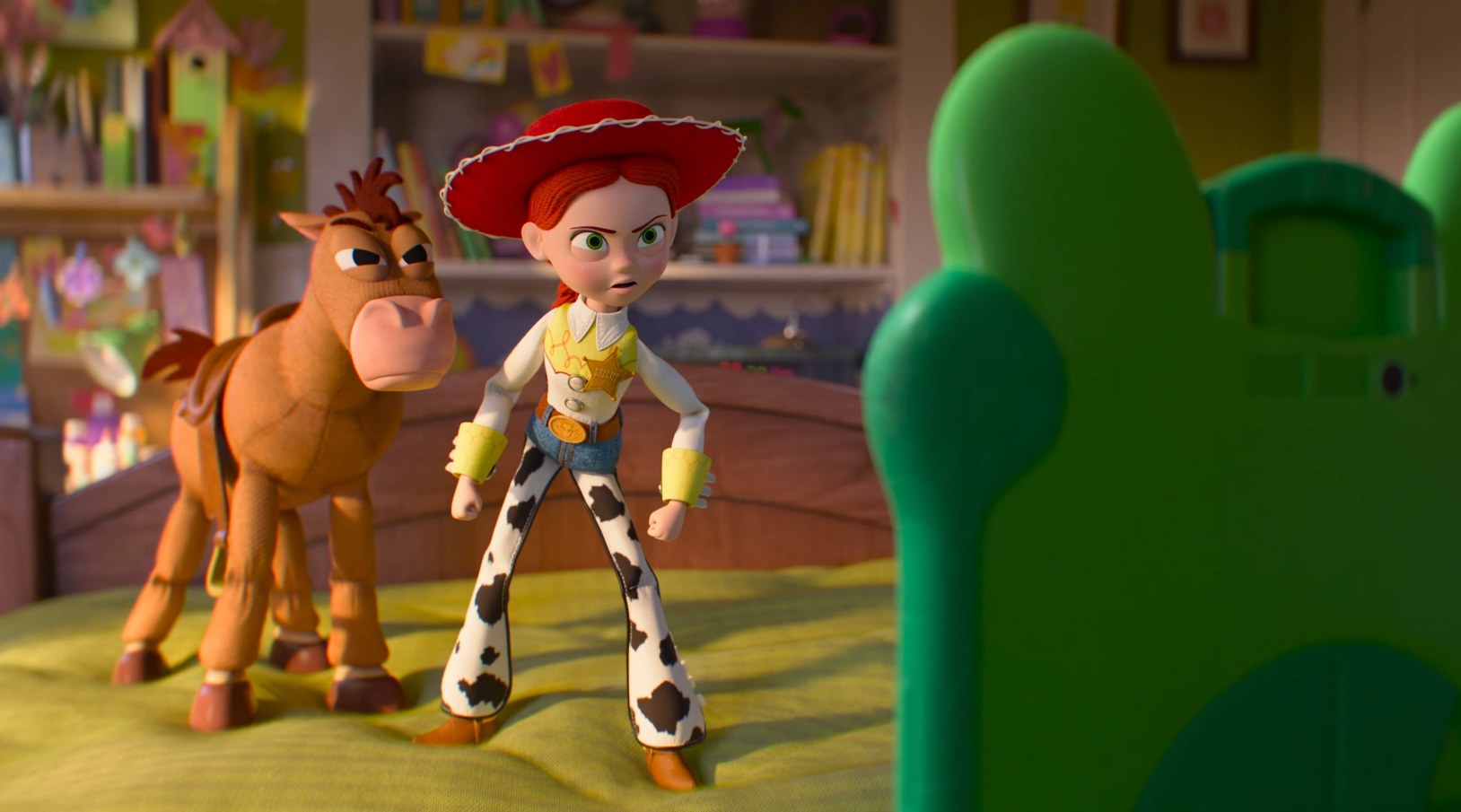
The franchise also has to be careful with nostalgia. Toy Story can make viewers cry over plastic cowboys, space rangers, and hand-me-down playthings, but nostalgia alone is not an argument. If Bonnie prefers Lilypad simply because modern childhood is broken, the movie risks sounding like adults grumbling at kids for living in the present. If Bonnie’s pull toward the tablet is tied to friendship, embarrassment, and belonging, the conflict becomes much more human.
The reported setup gives Woody and Buzz a cleaner reason to matter again without pretending nothing has changed.
Fan reaction is likely to split along experience lines. Some viewers will see Lilypad as the perfect Toy Story villain because the device threatens imagination without needing to be evil. Others may bristle at the idea of another children’s movie turning a normal part of modern family life into a moral warning. The interesting part is the overlap: plenty of people worry about screens while relying on them every day.
Bonnie’s reported shame over still liking toys may be the detail that gives Toy Story 5 its emotional charge. The series works best when the toy conflict mirrors something children cannot quite explain and adults remember too well. Growing out of play is not only about discovering new entertainment. It can be about wanting approval, avoiding ridicule, and copying the habits of older or cooler kids.
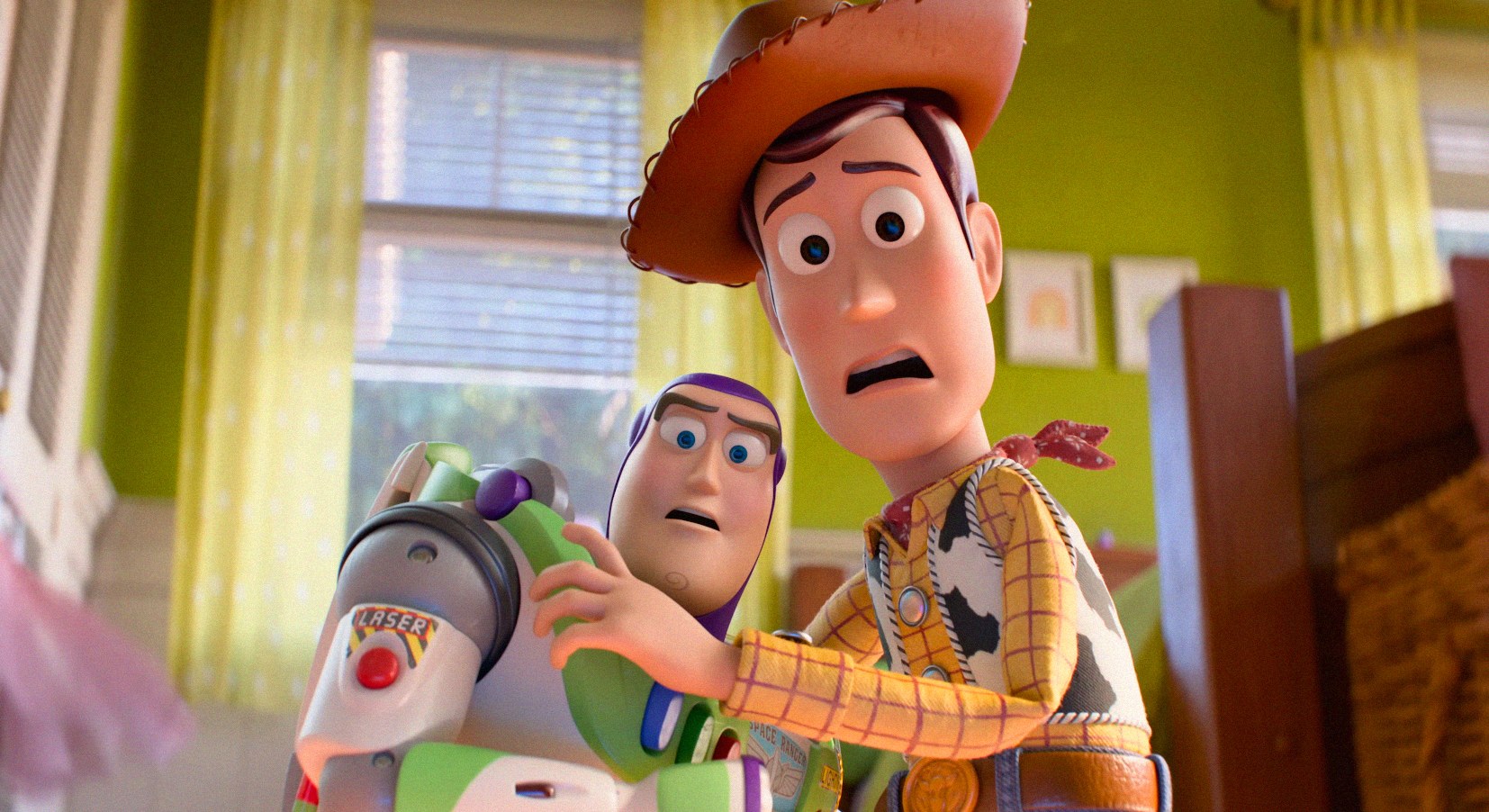
Pixar’s challenge is to make Lilypad more than an easy punchline. A frog-shaped tablet can be silly, marketable, and instantly readable, but the story around it has to carry the weight. If Toy Story 5 treats screen time as a symptom of loneliness, insecurity, or changing childhood rituals, the movie could turn a common parenting headache into a franchise-worthy conflict. If it only wags a finger, viewers will notice.
The conversation around Toy Story 5 should get louder as more reviews and audience reactions focus on Lilypad’s role. The beat to watch is not whether viewers agree that screens affect childhood; nearly everyone has a take already. The more revealing response will be whether audiences feel Pixar captured the messiness of the issue, where toys, tablets, parents, and kids are all competing for the same scarce resource: attention.