Bleach looks intimidating when a streaming app turns it into a list of seasons, parts, and specials. The actual watch order is much cleaner: finish the original 366-episode anime, treat the four movies as optional, then move through Thousand-Year Blood War in its four named parts.
That order matters because Thousand-Year Blood War is not a reboot. It is the continuation of Ichigo Kurosaki's story after the original television series. The final part, The Calamity, is airing now, so this guide also explains how the official part names line up with the season labels used by Disney+ and Hulu.
The correct Bleach watch order at a glance
- Bleach episodes 1–366 — the original television anime
- Bleach: Thousand-Year Blood War — The Blood Warfare (episodes 1–13)
- Bleach: Thousand-Year Blood War — The Separation (episodes 14–26)
- Bleach: Thousand-Year Blood War — The Conflict (episodes 27–40)
- Bleach: Thousand-Year Blood War — The Calamity (episode 41 onward)
The four movies can be watched separately whenever you want. They are not required steps between the television parts, and placing them in the middle of Thousand-Year Blood War will only make the timeline harder to follow.

Start with the original Bleach anime
The first stop is the original Bleach television series, all 366 episodes. It introduces Ichigo as a Substitute Soul Reaper, establishes the Soul Society and its captains, and builds the relationships that Thousand-Year Blood War assumes you already understand.
The original series is often divided into different seasons depending on the service. Do not worry if one app calls a block Season 5 while another calls it the Arrancar arc. The episode numbers are the reliable guide. Finish episode 366 before starting the newer series.
Bleach includes anime-original material, including several long filler blocks. If this is your first time watching, you have two reasonable options: watch the full 366 episodes to experience the television run as it aired, or use a careful filler guide and return to the skipped episodes later. The main rule is not to skip mixed canon episodes just because they sit next to filler.
The original anime ends before the Thousand-Year Blood War begins. It does not adapt the final manga arc, so reaching episode 366 is not the end of Ichigo's story; it is the point where the continuation starts.
The movies are optional side trips
Bleach has four theatrical movies: Memories of Nobody, The DiamondDust Rebellion, Fade to Black, and Hell Verse. They are feature-length side stories built around the cast and powers of the television anime, but they are not required to understand Thousand-Year Blood War.
If you want to watch them, release order is the least confusing option: Memories of Nobody, The DiamondDust Rebellion, Fade to Black, then Hell Verse. You can watch them after finishing the original series, or place them around their original release periods if you are doing a complete franchise rewatch.
Do not pause the main story to search for a perfect movie placement. The official anime story pages move directly from the original Bleach continuity into Thousand-Year Blood War, and the movies are not listed as chapters in that path.
Then watch Thousand-Year Blood War in four parts
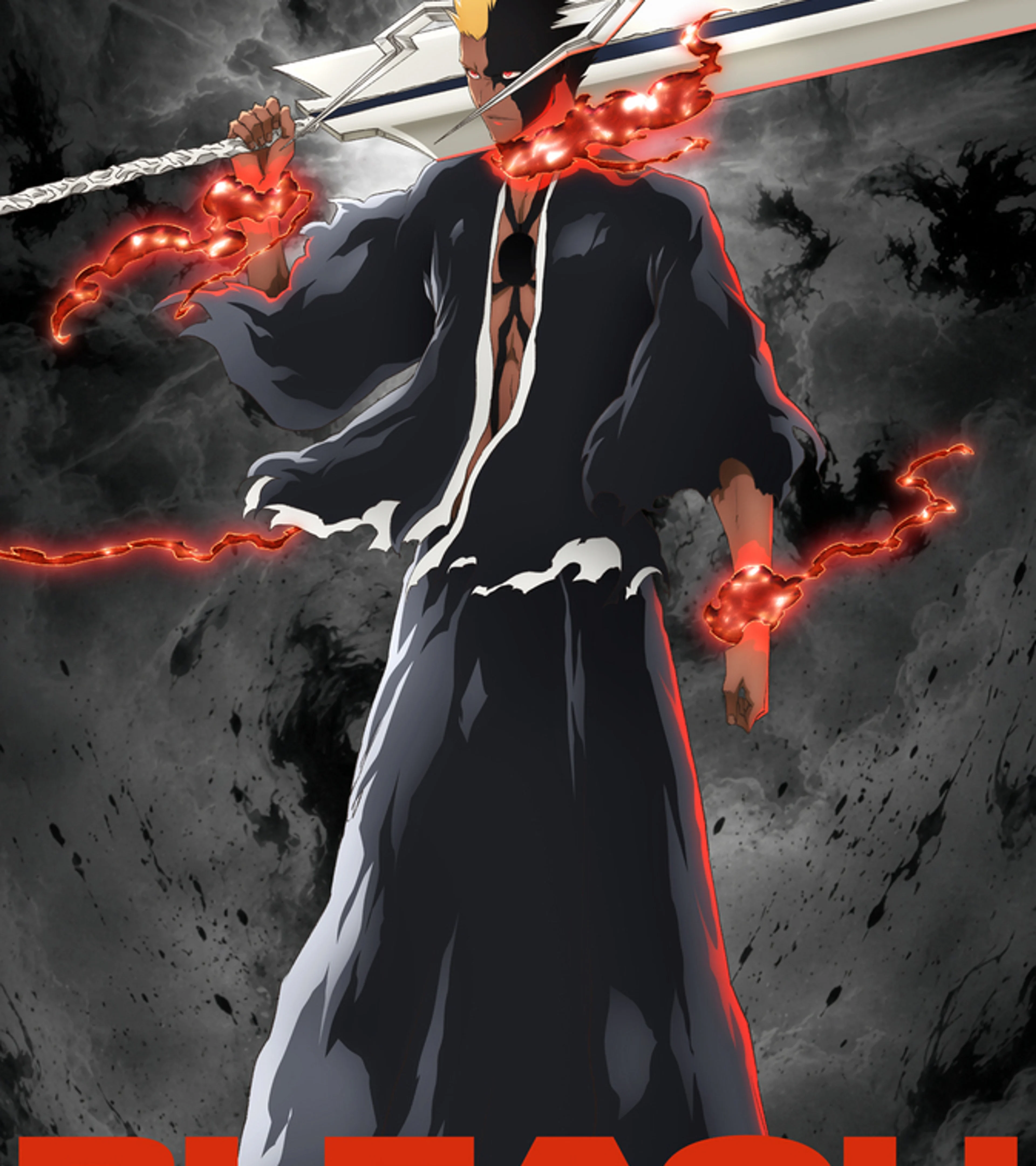
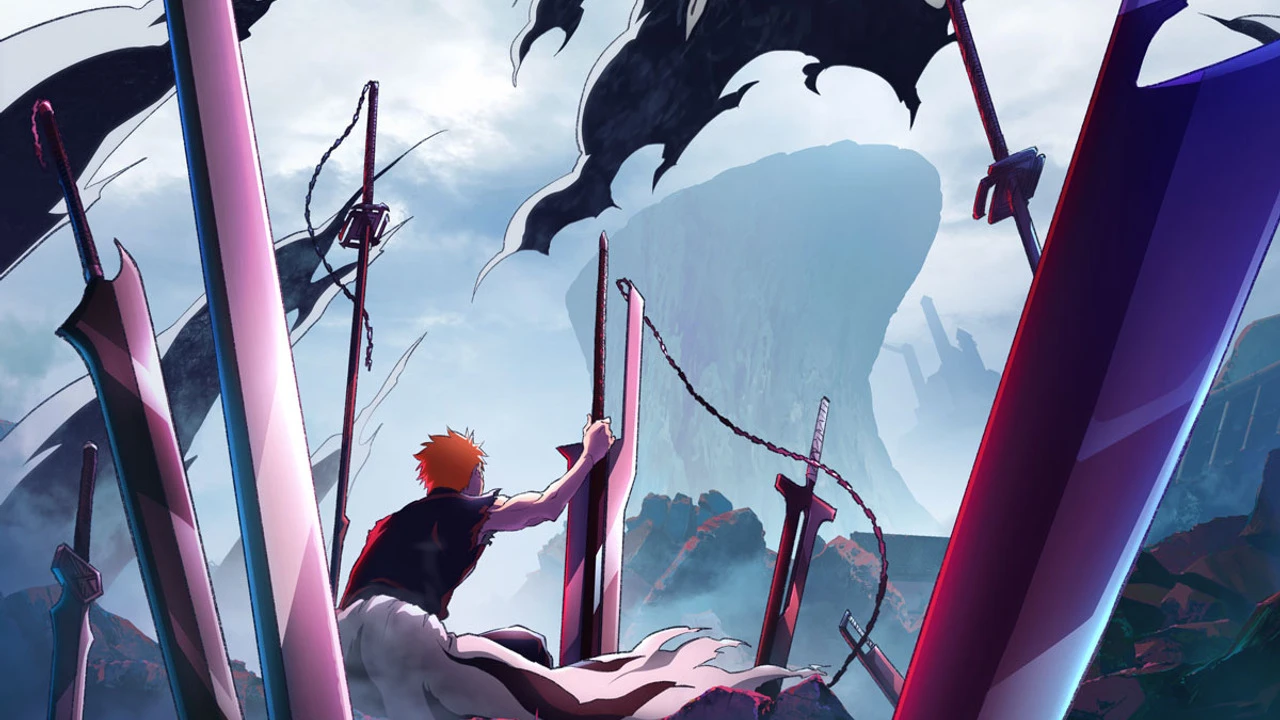
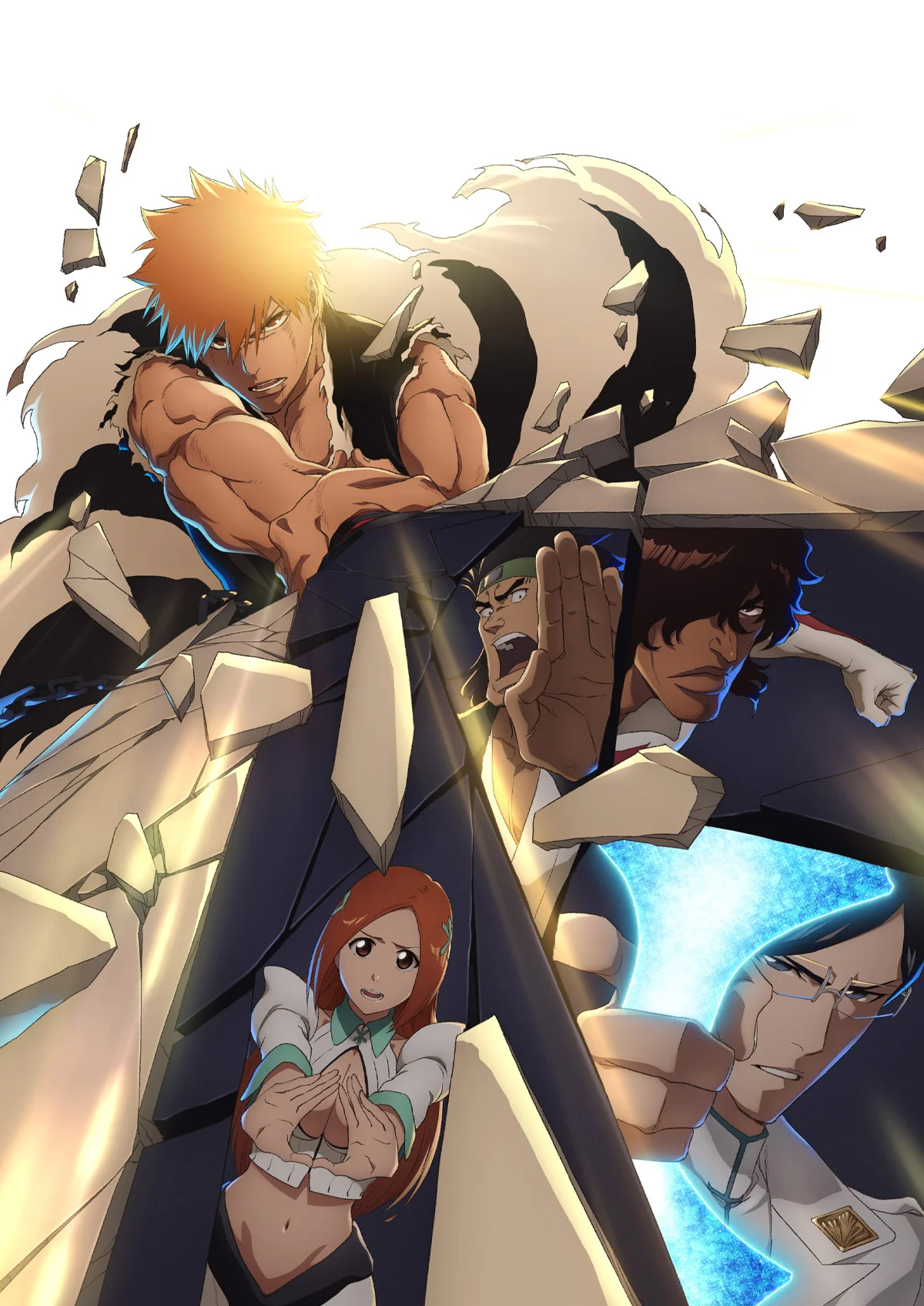
Once the original anime is finished, start the sequel series at The Blood Warfare. The official site treats the arc as one continuing story, but each part has its own subtitle and episode range. That is why the series can look like four separate shows in a streaming library.
- The Blood Warfare — episodes 1–13. The Wandenreich declares war on the Soul Society, and the hidden history between Soul Reapers and Quincies moves to the front of the story.
- The Separation — episodes 14–26. The conflict expands after the first invasion, with Ichigo and the Soul Reapers trying to recover from the damage and reach the next stage of the war.
- The Conflict — episodes 27–40. The battle moves toward the Royal Palace, while Ichigo, Uryu, and the surviving fighters are pulled into the war's largest confrontations.
- The Calamity — episode 41 onward. This is the final part, now streaming weekly, and it carries the war toward its ending.
The episode numbering is more useful than the season number shown by a platform. Disney+ and Hulu can group the same episodes under different season labels, but episode 41 is the start of The Calamity. If an app lists the final part as a new season, that does not mean you should restart the original anime.
Where to watch Bleach right now
In the United States, VIZ lists the classic 366-episode Bleach anime and the current final part on Hulu. The Calamity is also available through Disney+ in international territories, although exact catalog availability can vary by country. Disney+'s own listing uses platform season labels, so use the episode numbers and subtitles above if the menu looks unfamiliar.
VIZ announced The Calamity's U.S. premiere for July 25, 2026, at 7:30 a.m. Pacific on Hulu. New episodes are scheduled weekly during the final run. If an episode is missing from your account, check the local listing and parental-control settings before assuming the series has skipped a week.
The official BLEACH site is useful for checking episode titles, story summaries, and the four-part structure. It is a better reference than a streaming app's season tab when you are trying to work out where a specific episode belongs.
Can you skip anything?
Yes, but be selective. The movies are optional, and the original series contains filler that can be skipped if your goal is to reach Thousand-Year Blood War quickly. The original canon episodes are not optional if you want the final arc to land properly, especially the material that establishes Ichigo's friends, the Soul Reaper captains, and the history of the Quincy conflict.
A fast first watch therefore looks like this: original Bleach with a reliable filler guide, then all four Thousand-Year Blood War parts in order. A complete rewatch can add the movies afterward without changing the main path.
The biggest mistake is starting with The Calamity because it is the part currently getting attention. The final season is not designed as an introduction. It assumes you know who Ichigo is, why Uryu's choice matters, and what the Soul King means to the worlds caught in the war.
The simple answer for new viewers
Watch episodes 1–366 of Bleach. Add the four movies only if you want extra side stories. Then watch The Blood Warfare, The Separation, The Conflict, and The Calamity in that order.
The names may change depending on the service, but the story does not. Once the original anime is complete, Thousand-Year Blood War becomes a straight four-part continuation rather than a maze of disconnected seasons. That is the order to use, whether you are catching up for the finale or starting Ichigo's journey for the first time.
If you are already watching the final arc, our Bleach TYBW Episode 45 breakdown covers Ichigo's latest transformation and the episode's Tite Kubo connection.