The best puzzle games don’t just teach you their rules. They make you think you understand them, then find new ways to prove you wrong. These are 20 of the best puzzle games on PC in 2026, built around everything from deduction and language to machinery, recursion, images, and movement.
The Artisan of Glimmith takes first place for a current release with a large handcrafted collection and over 20 rule types. Baba Is You follows for turning written rules into movable objects, and Portal 2 remains the strongest combination of a solo puzzle campaign and dedicated two-player chambers.
Quick picks: the best puzzle games by player type
- Best overall: The Artisan of Glimmith for a large, flexible 2026 puzzle journey built by human designers.
- Best rule-changing game: Baba Is You for puzzles where the sentences defining the world can be moved.
- Best co-op: Portal 2 for a separate two-player campaign designed around communication.
- Best detective game: Return of the Obra Dinn for reconstructing one ship-wide mystery from identities and evidence.
- Best language puzzle: Chants of Sennaar for deciphering five connected languages through context.
- Best visual puzzle: Gorogoa for combining hand-drawn panels as both interface and story.
How these 20 puzzle games were selected and ranked
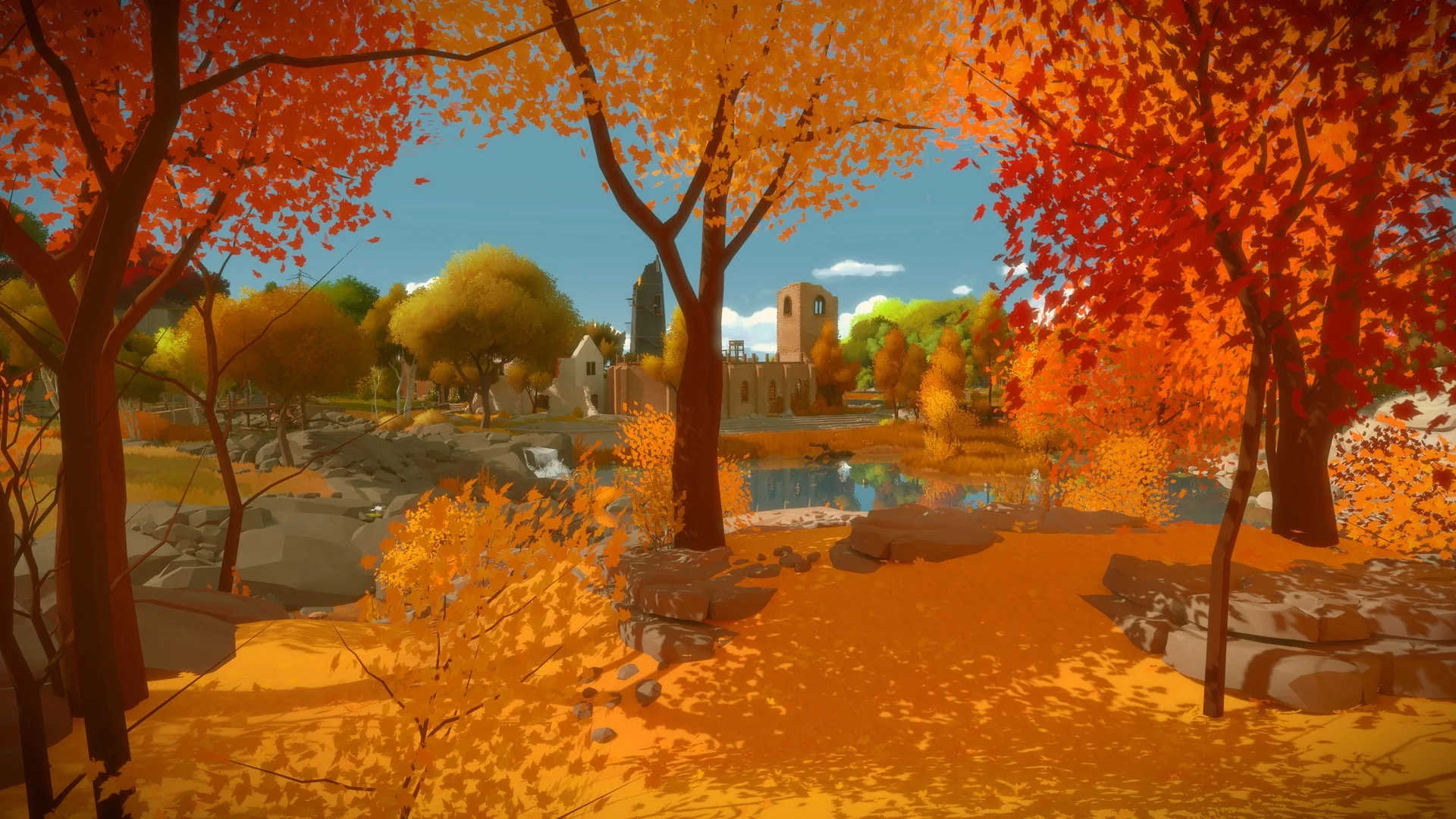
Every game below was released for PC and available on Steam when checked on September 7, 2026. Each held a Very Positive or Overwhelmingly Positive all-language user-review label on that date. Those labels can change and serve only as an eligibility floor; review volume, price and marketing reach do not determine the order.
The ranking gives the most weight to puzzle design being central to the game, how clearly a system teaches its rules, how far later puzzles recombine those rules, the depth or variety of the full set, and whether the game offers a distinct recommendation in 2026. This is an editorial ranking, not a hands-on review. Factual descriptions, availability details and images come from the official Steam pages.
The scope is intentionally PC-focused rather than an objective all-time list for every platform. Pixel Twelve’s Games hub includes broader console and release coverage.
20. LOK Digital
LOK Digital teaches a fictional language one word at a time. Each new word changes the board through a specific ability, and fifteen distinct worlds keep reusing that vocabulary in different combinations. The campaign contains more than 150 puzzles, while a daily mode generates additional boards for players who want to keep practicing after the main sequence. Its hand-drawn presentation and meditative soundtrack adapt the ideas of the original LOK puzzle book.
Best for: players who want a clean word puzzle with rules that build gradually. The vocabulary is small enough to learn without a glossary, yet each added word changes how earlier ideas can be combined.
19. Can of Wormholes
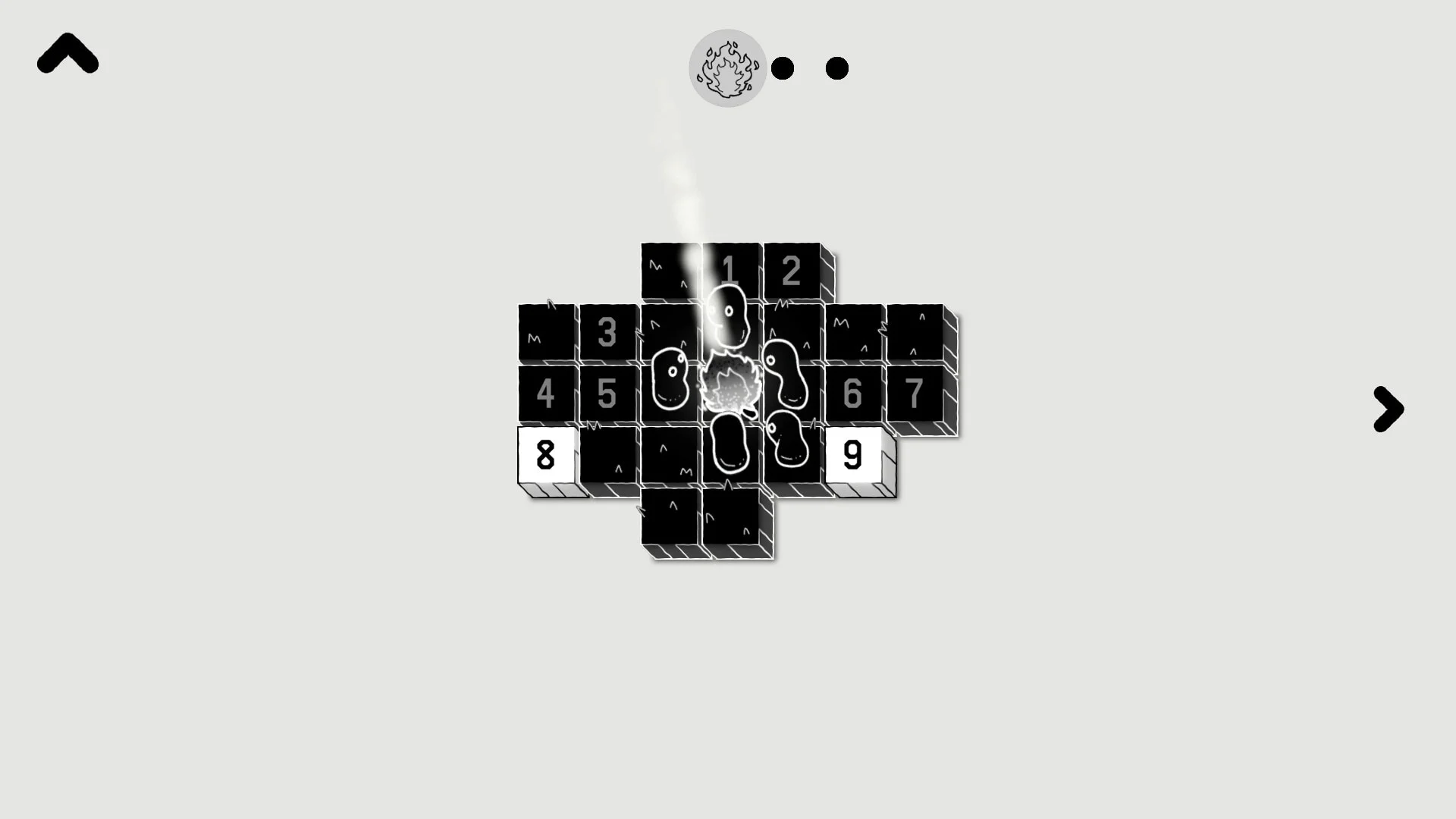
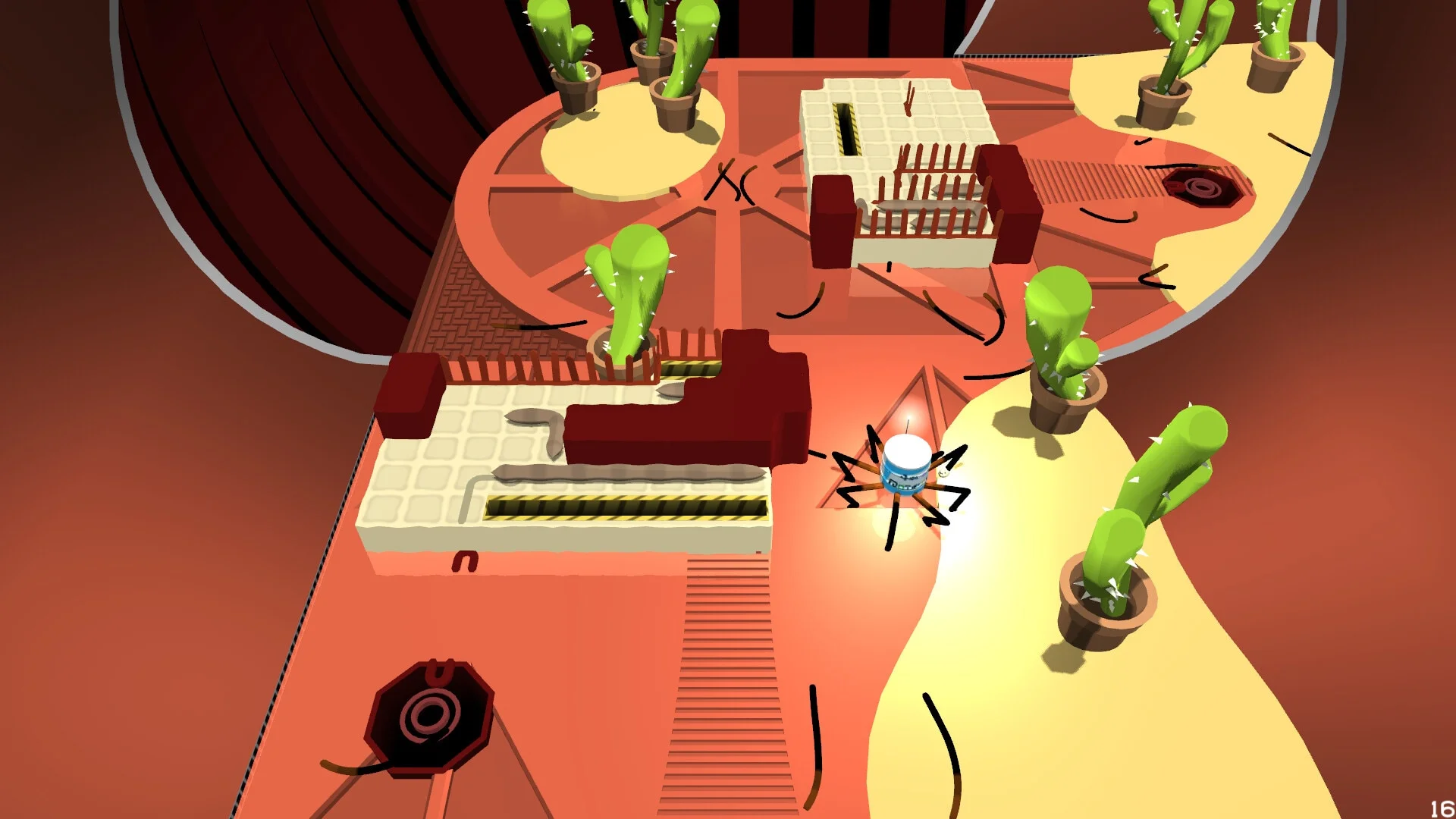
Can of Wormholes stars a sentient tin can that pushes, slices, ingests, flips and squishes worms. More than 100 handcrafted stages explore how those actions interact, and the connected overworld contains puzzles of its own. Unlimited undo and restart options support experimentation, while an optional hint system uses small alternate stages to teach the missing insight instead of displaying an answer. The listed accessibility support removes timed inputs and simultaneous key presses and includes colorblind and hearing-friendly design.
Best for: solvers who like compact systems and precise teaching. Each stage introduces an interaction that was already possible, so progress comes from recognizing what the worms and the can could do all along.
18. A Monster's Expedition
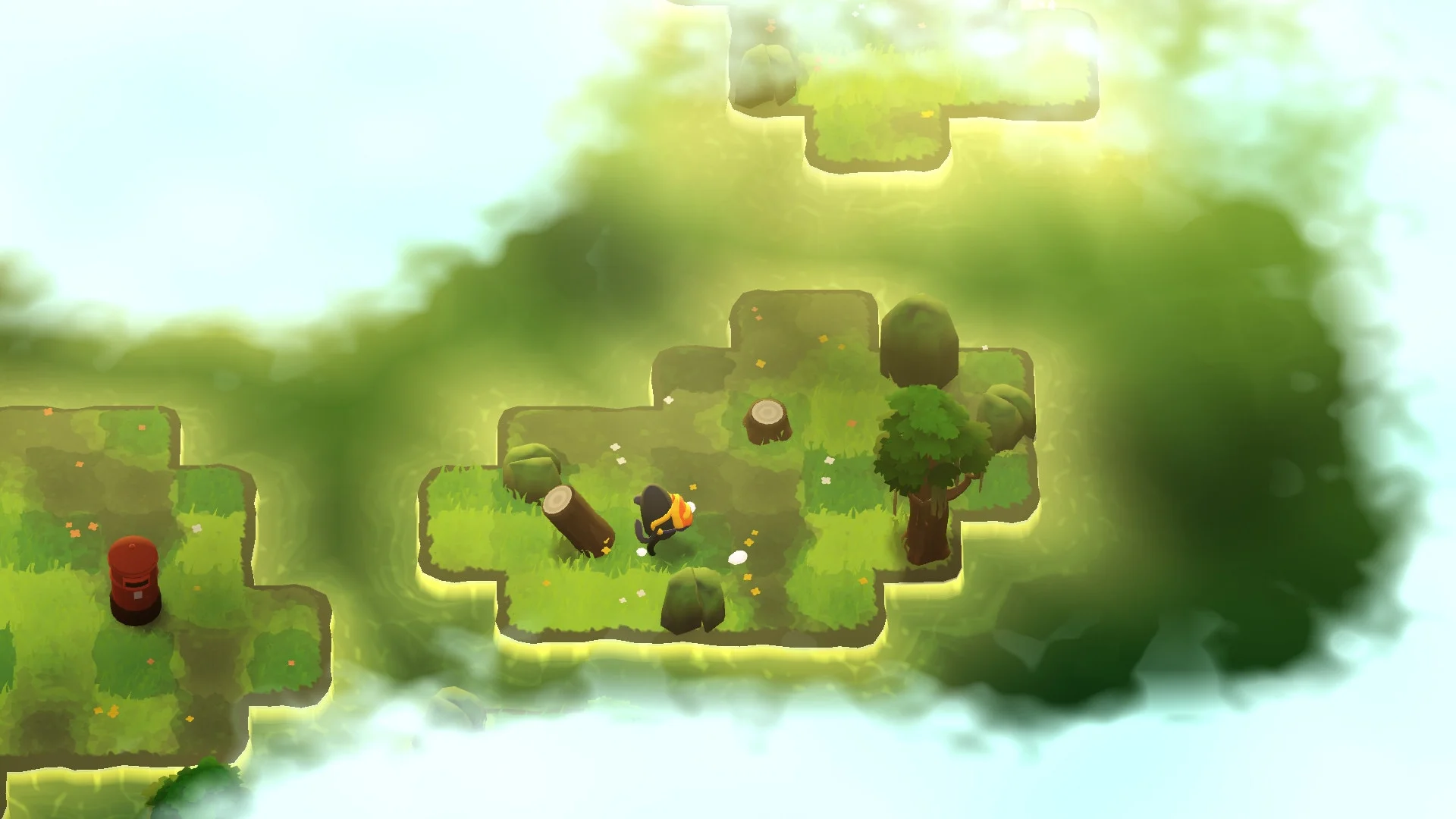
A Monster's Expedition uses fallen trees as bridges between hundreds of small islands. Pushing a trunk from a different angle can open one route and close another, and the open structure lets players leave a difficult island and return later. Museum exhibits describe human culture from a monster's cheerfully unreliable perspective, giving each discovery a piece of comedy as well as a new route. Some islands sit well off the direct path, giving expert solvers optional areas to locate and reach.
Best for: players who want serious spatial puzzles in a relaxed open world. The tree-pushing rule stays readable while the island network creates optional paths, secrets and increasingly demanding combinations.
17. The Roottrees are Dead
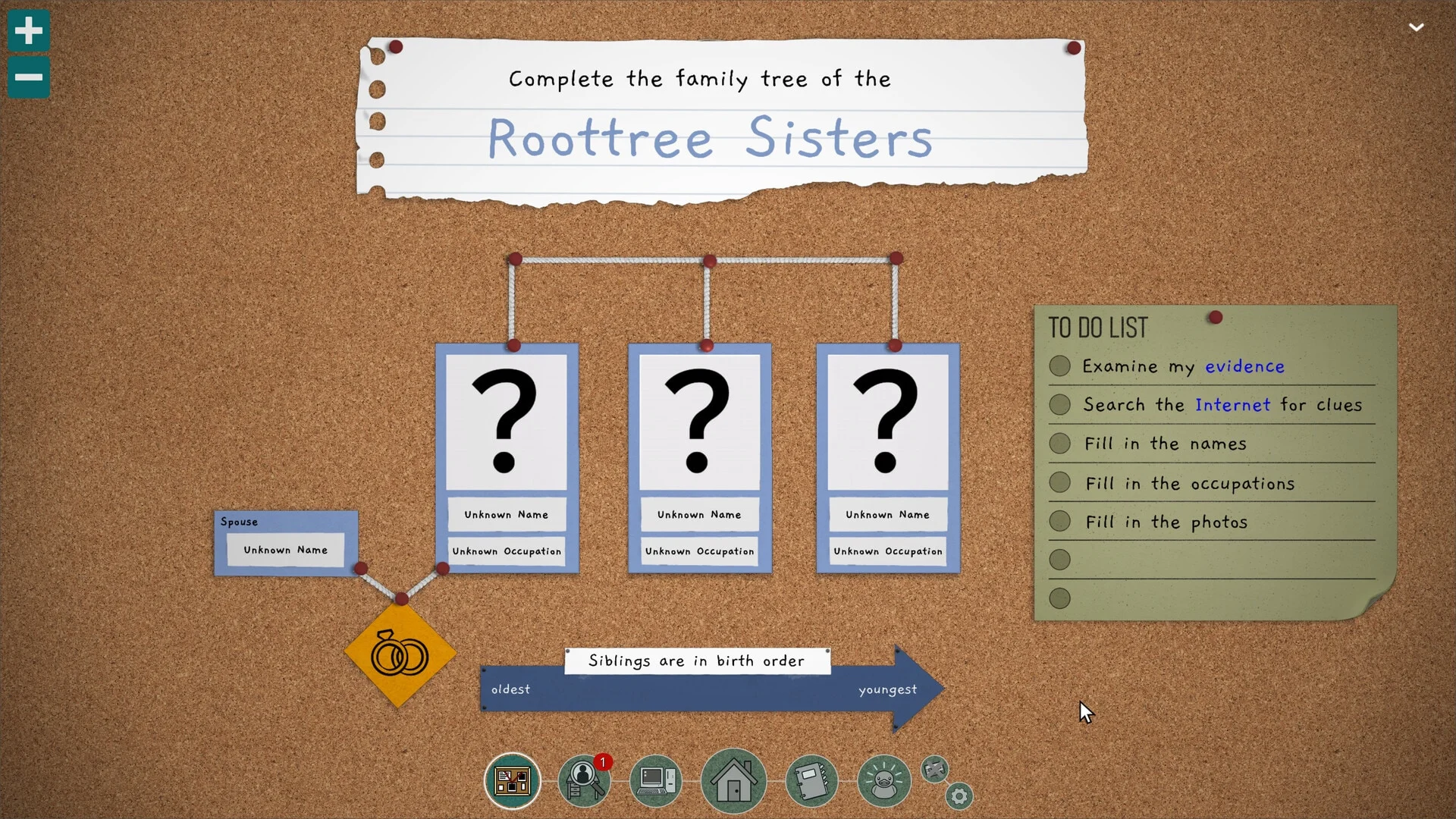
The Roottrees are Dead begins with a 1998 private-plane crash and a billion-dollar inheritance. Players search a simulated early internet for photographs, books and articles, then use the evidence to complete a large family tree. The mystery began as a Global Game Jam 2023 browser game. The Steam edition rebuilds it with hand-drawn illustrations, a three-dimensional living-room interface, voiced cinematics and a second case called Roottreemania.
Best for: armchair detectives who prefer research and relationship logic to crime-scene inventory. Every confirmed name narrows the remaining possibilities, while harder branches demand careful source comparison rather than guessing.
16. Blue Prince
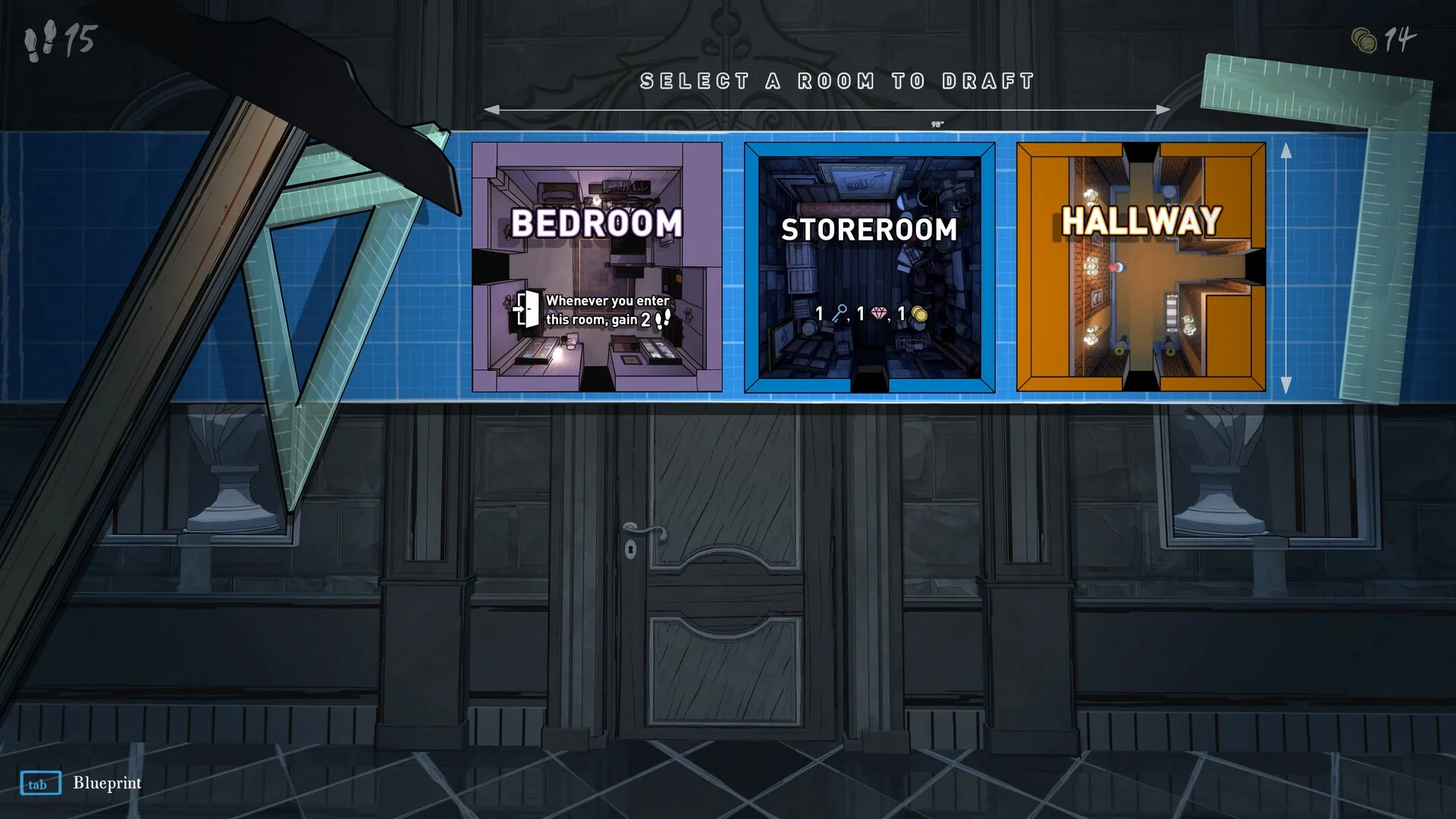
Blue Prince makes the floor plan of Mt. Holly part of the puzzle. At each closed door, players choose which room appears next, balancing keys, steps, resources and the direction of a route toward the rumored Room 46. The manor resets at dawn, but permanent blueprint upgrades and information survive, so a failed day can still reveal how later expeditions should be built. Documents gradually connect the house to blackmail, political intrigue and the disappearance of a local children’s author.
Best for: players who enjoy deduction spread across many sessions. Room drafting creates short tactical decisions, while documents, repeated layouts and the wider mystery reward a separate layer of note-taking and long-term planning.
15. Viewfinder
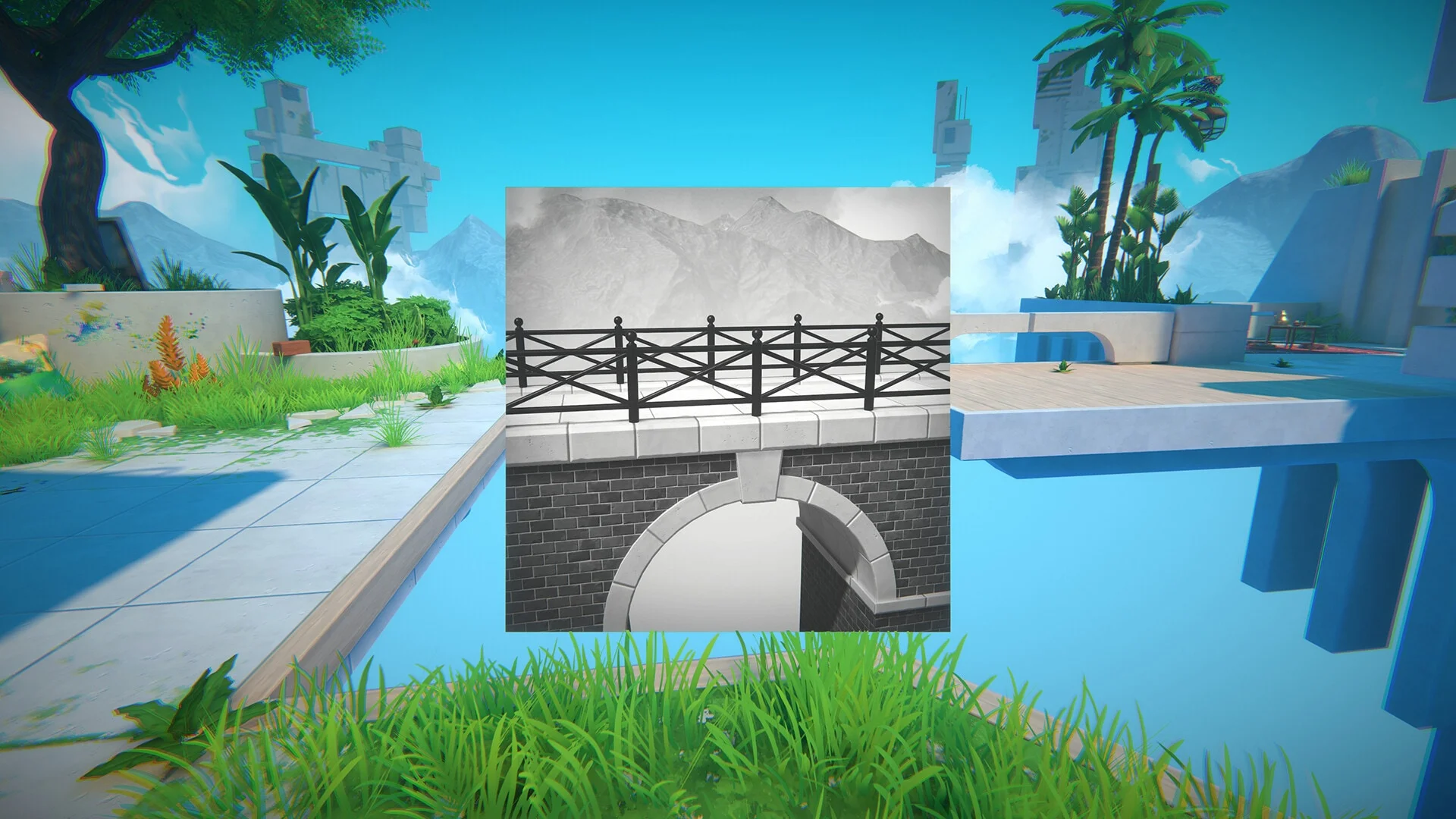
Viewfinder lets a flat image overwrite part of a three-dimensional space. A photograph of a bridge can become a real bridge when placed into the scene, and later puzzles extend the idea to paintings, sketches, screenshots and postcards. Multiple hub worlds teach more complex uses while an optional narrative explains the abandoned technology surrounding the camera. The player-driven structure allows a direct puzzle route or additional exploration of the people who built the world.
Best for: players who want a visual mechanic that can be understood in seconds. The challenge comes from choosing the angle, scale and placement that turns an ordinary picture into the missing architecture.
14. Gorogoa
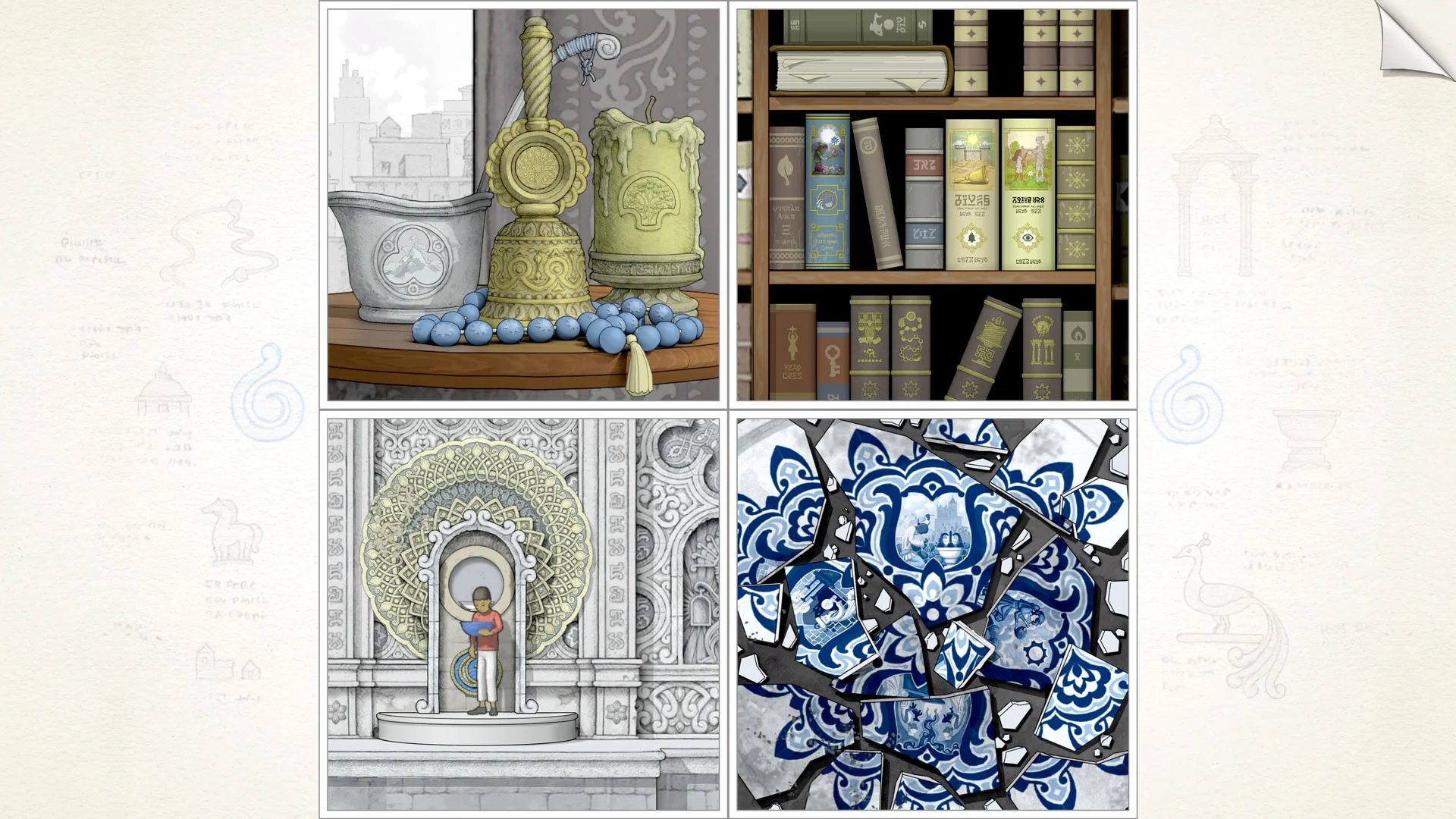
Gorogoa presents its hand-drawn world as illustrated panels that can be moved, layered, separated and combined. A doorway in one image may align with a staircase in another, while zooming into a detail can reveal a new scene with its own function. Designer and illustrator Jason Roberts created thousands of drawings for the wordless story and its transformations. The game received BAFTA’s Debut Game award and GDC honors for mobile design and innovation.
Best for: players seeking a shorter puzzle game built around visual relationships. Its panels serve as both the interface and the narrative, so every solution also advances the sequence of images.
13. COCOON
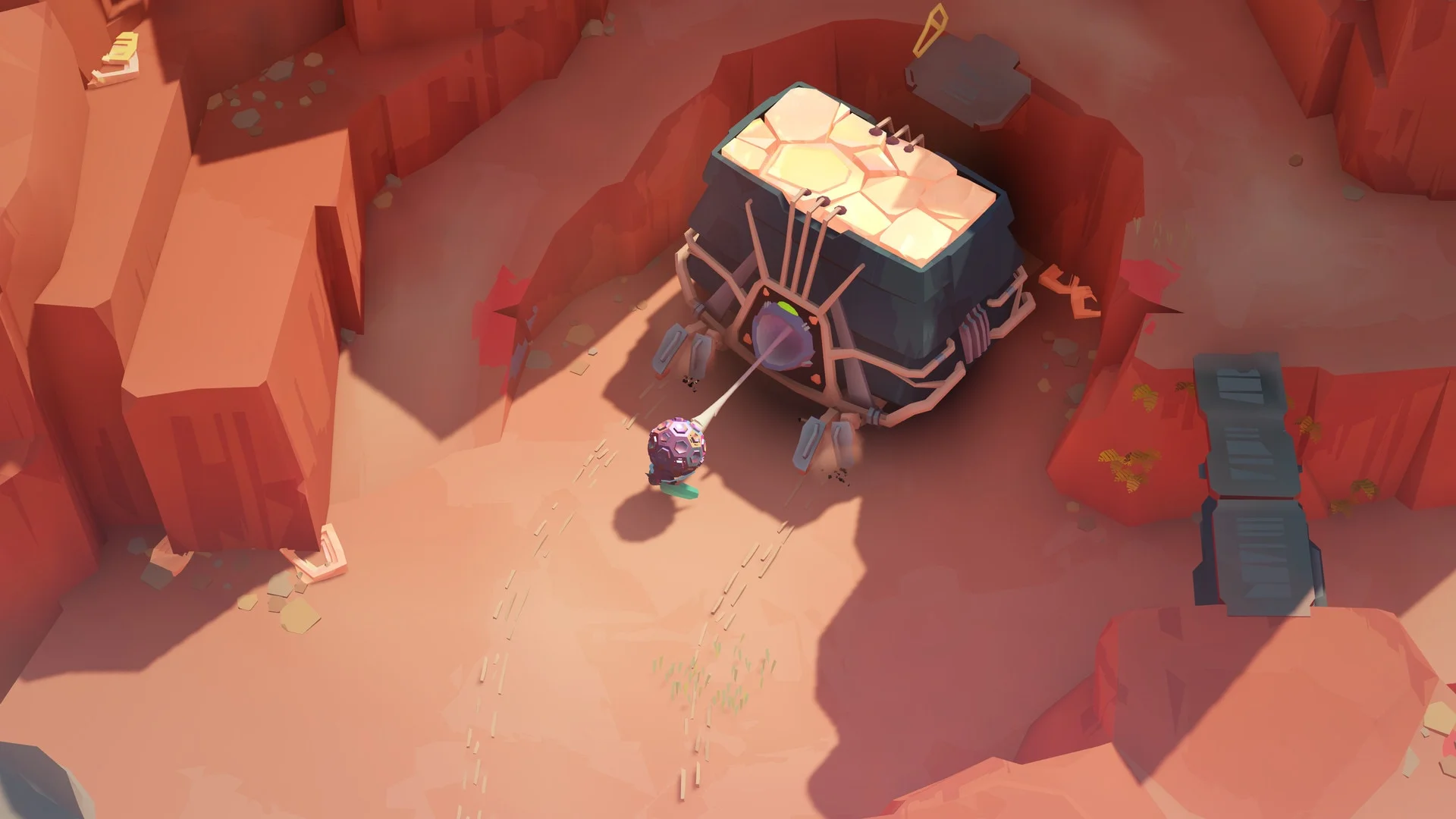
COCOON places entire worlds inside portable orbs. The traveler can carry an orb, enter the world it contains, move it through another world and use its unlocked ability to operate alien machinery. Individual orb abilities can reveal paths, move objects or fire projectiles through switches. Industrial structures, organic caverns and guardian encounters keep changing the context without adding a conventional inventory or lengthy instruction screens.
Best for: players who want a fluid puzzle adventure with almost no interface friction. Its nested-world idea supports navigation, object manipulation and combat-like guardian sequences through the same small set of actions.
12. Stephen's Sausage Roll
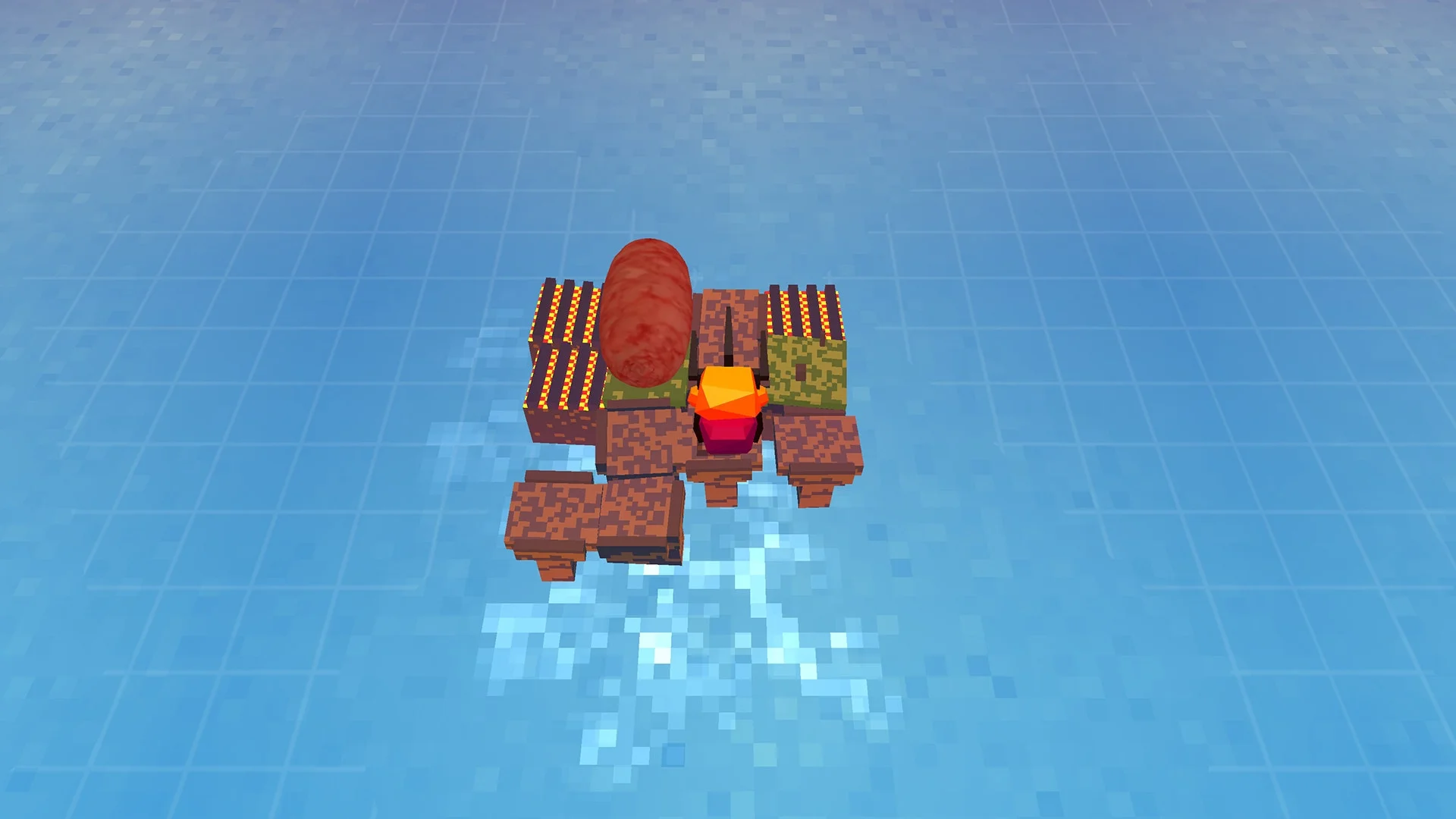
Stephen's Sausage Roll uses compact three-dimensional grids, a long fork and sausages that occupy two squares at once. Each sausage must be rolled across grills so every side cooks, but an extra contact burns it and a careless push can block the character's route. The small islands make direction, body position and the shape of each sausage equally important.
Best for: experienced grid-puzzle players comfortable learning through consequences. The controls remain limited from start to finish, while the level layouts expose increasingly difficult implications of turning, pushing and standing in the right place.
11. Opus Magnum
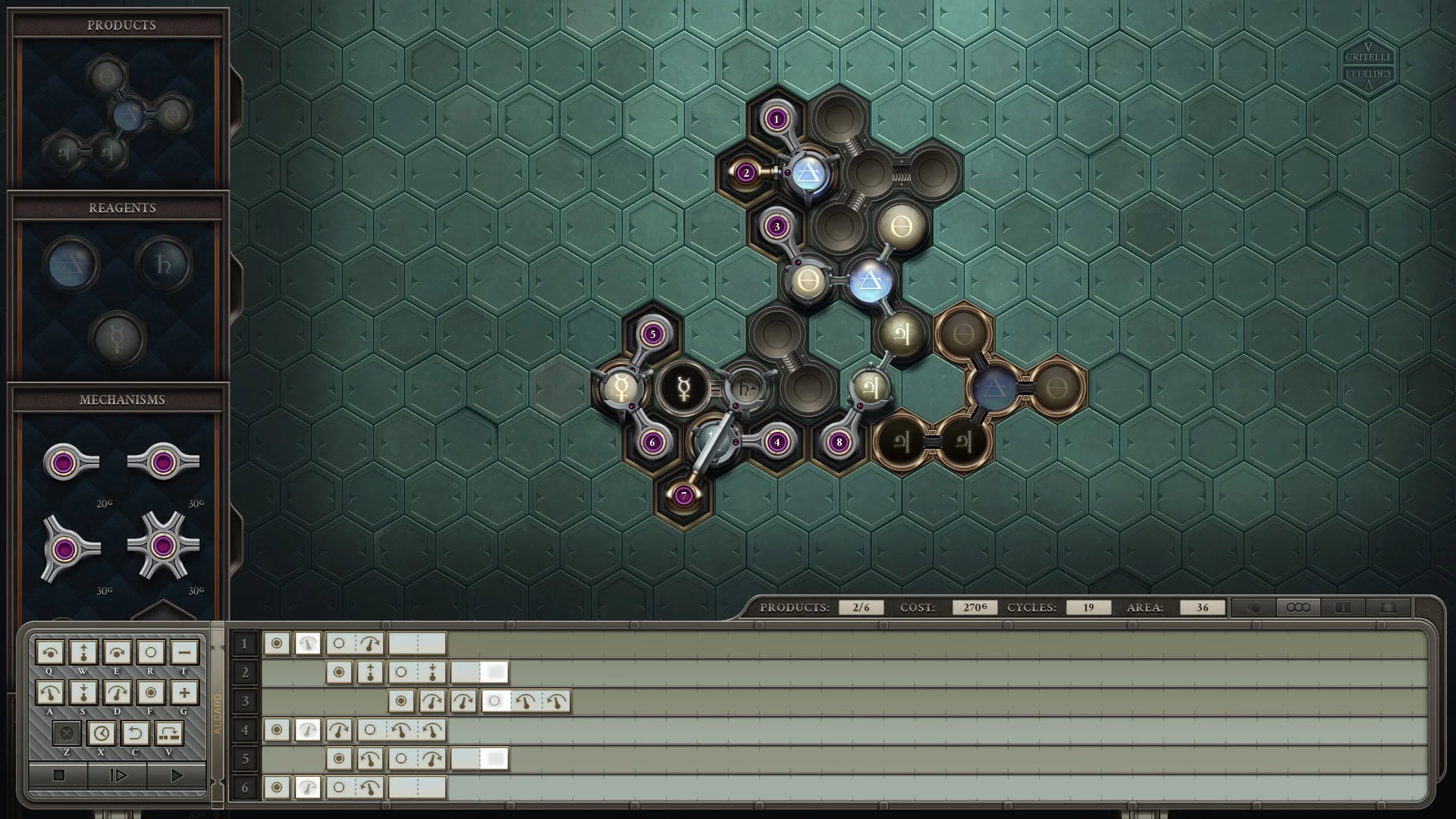
Opus Magnum asks players to build alchemical machines from programmable arms, tracks and specialized glyphs. A working solution only needs to produce the requested compound, but histograms compare its speed, footprint and material cost with other designs. A puzzle editor and Steam Workshop add community assignments beyond the campaign, and finished machines can be exported as animated images. The House Van Tassen story connects the assignments, and Sigmar’s Garden supplies a separate solitaire game between them.
Best for: players who treat optimization as a creative activity. The open boards allow inelegant working machines, compact showpieces and fast industrial designs to solve the same assignment in visibly different ways.
10. The Case of the Golden Idol
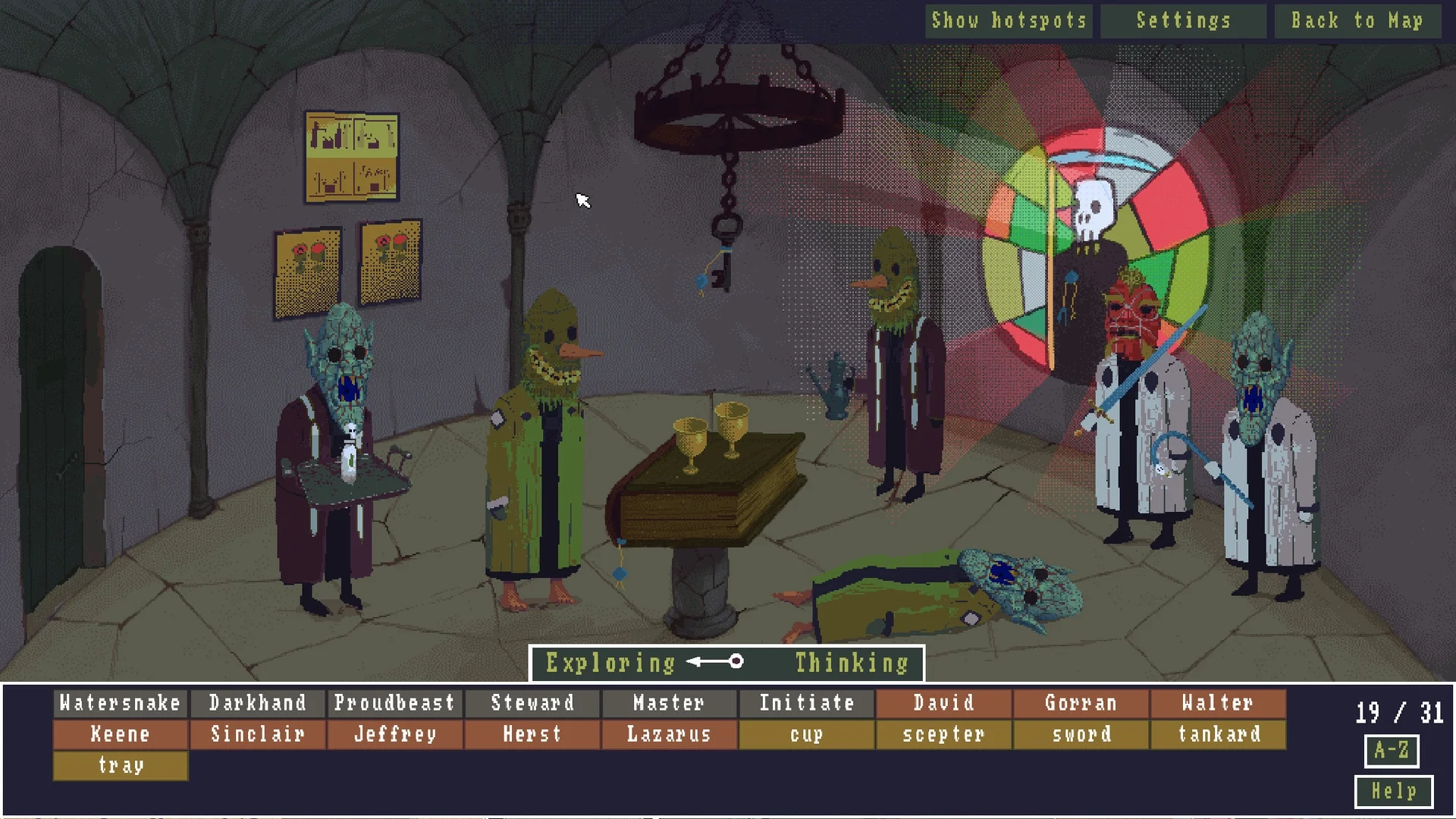
The Case of the Golden Idol places its investigation in the eighteenth century and freezes twelve deaths at the moment players begin examining them. Objects, conversations and character details supply names and vocabulary, which must then be placed into statements identifying each suspect, motive and murder weapon. The cases span fifty years and gradually reveal how a cursed aristocratic family became connected to the idol.
Best for: detective fans who want to form a theory without a dialogue wheel selecting the conclusion. The interface organizes evidence but leaves the causal chain for the player to reconstruct.
9. Lorelei and the Laser Eyes
Lorelei and the Laser Eyes follows a woman summoned to an old hotel in central Europe for an increasingly dangerous artistic project. The nonlinear building holds an extensive collection of handcrafted riddles involving dates, patterns, documents, films and shifting identities. Solutions unlock new rooms and records, allowing information found much later to clarify a puzzle encountered near the entrance.
Best for: players who keep a notebook beside the controller. The hotel functions as one connected mystery, and the strongest progress often comes from relating clues gathered in different rooms rather than solving a single isolated device.

8. Chants of Sennaar
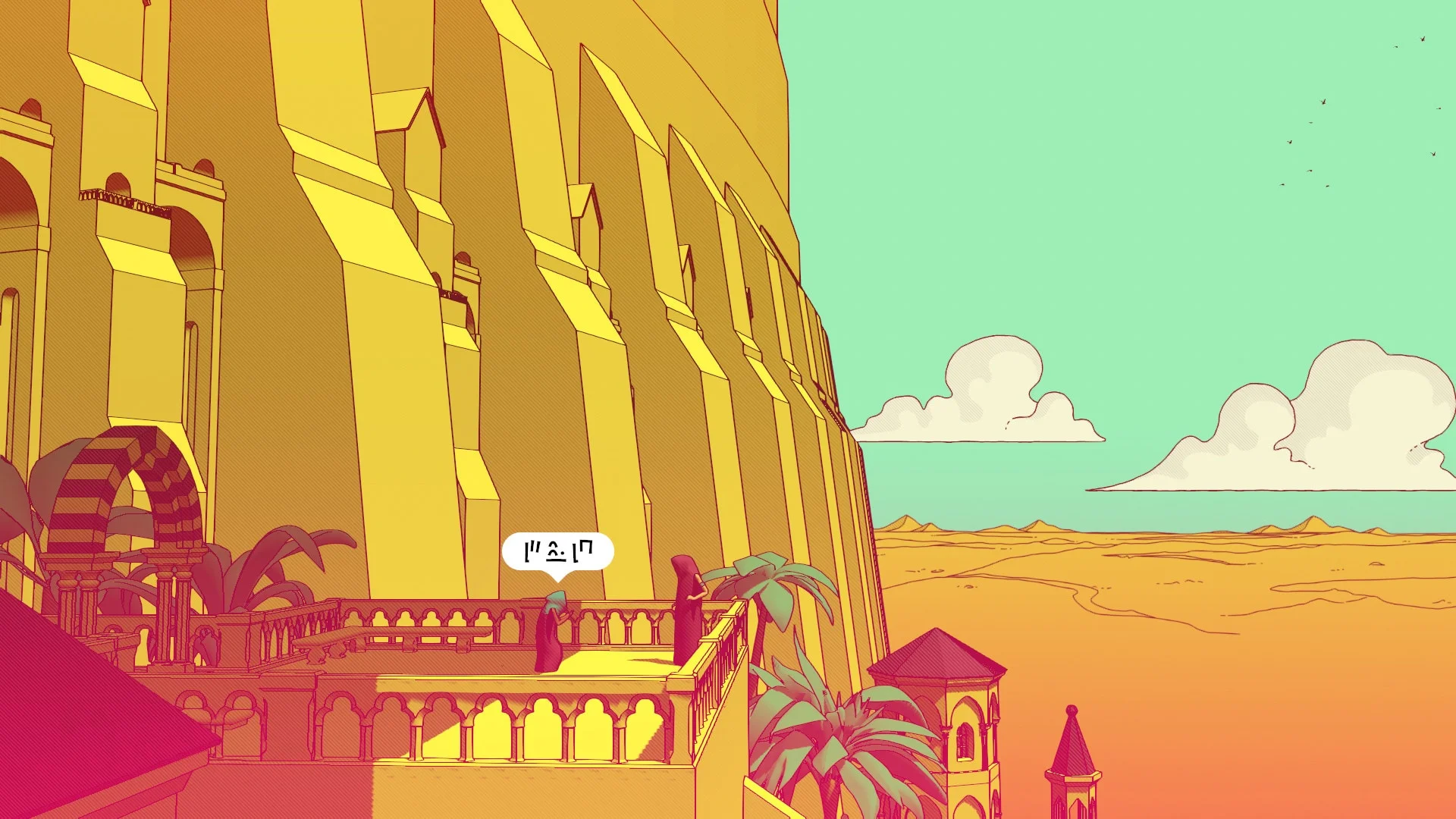
Chants of Sennaar divides its Tower among five Peoples who no longer understand one another. The Traveler observes gestures, signs and conversations, records glyphs in a notebook and matches them to illustrated meanings. Each floor has its own language, architecture and technology, while translated words open social connections and practical routes toward the top.
Best for: players interested in language as a working puzzle system. Meanings emerge through context and comparison, and later conversations test whether the earlier vocabulary was understood accurately.
7. The Talos Principle 2
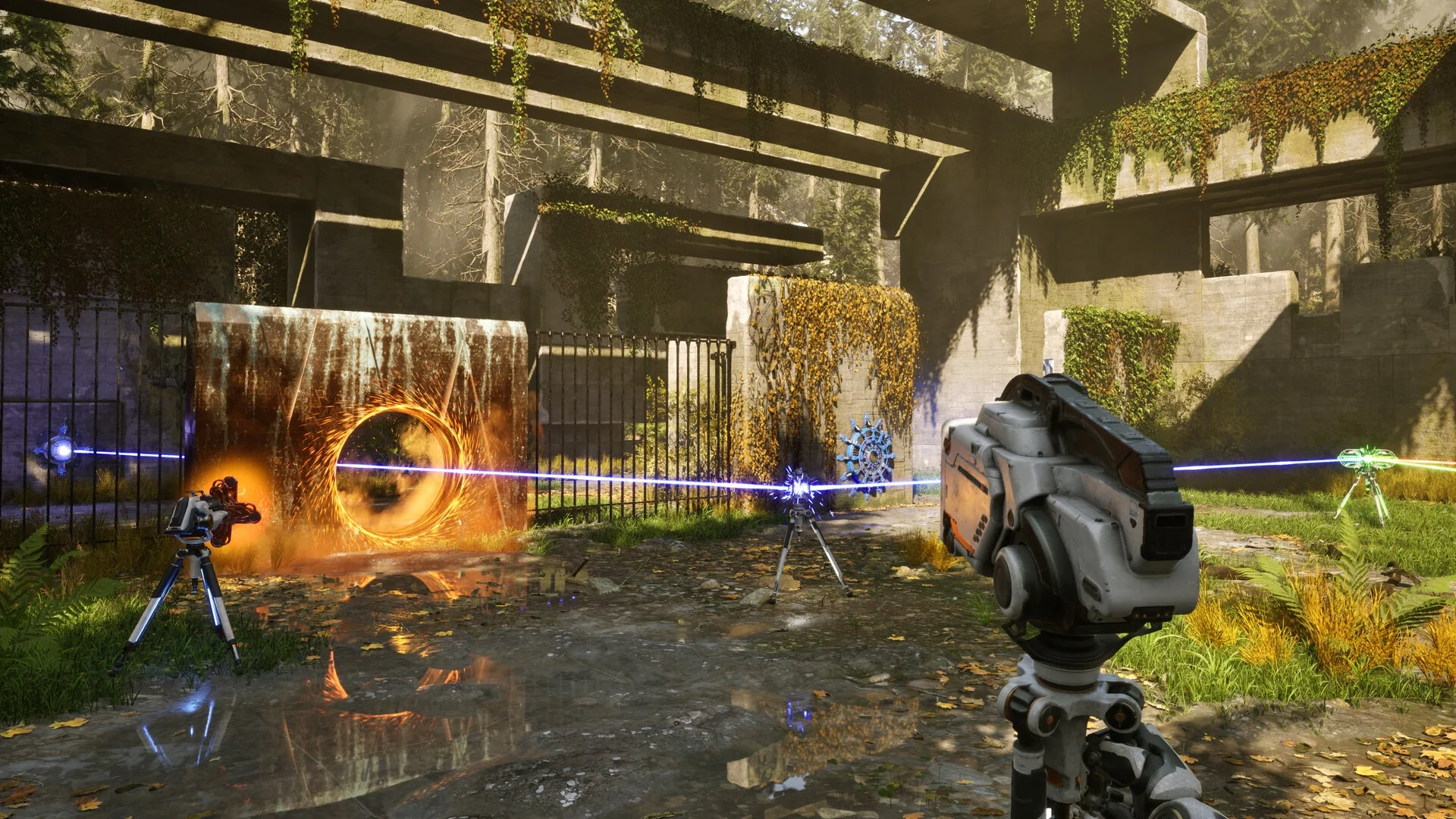
The Talos Principle 2 sends a robot expedition from a city preserving human culture into a mysterious megastructure. Its first-person chambers combine established connectors and pressure devices with gravity manipulation, mind transference, metapuzzles and optional Gold challenges. More than a dozen environments hold side discoveries, while dialogue choices shape a philosophical story with multiple endings. The main route can be completed without every puzzle, leaving the Gold set as a deliberate mastery track.
Best for: players who want a large puzzle campaign tied to characters and exploration. Optional challenges support mastery without blocking the full narrative, and new abilities keep changing how familiar chamber components can be used.
6. The Witness
The Witness opens an island with dozens of locations and more than 500 puzzles. Early panels establish simple line-drawing rules, then separate regions add symbols, colors, sound and perspective without traditional tutorial text. Paths through orchards, quarries, marshes and ruins let players change areas when one rule set becomes difficult. The official design describes every puzzle as carrying a new idea rather than serving as filler between larger discoveries.
Best for: players who enjoy discovering the rules as much as applying them. The island places examples, counterexamples and environmental clues close enough for observation to become part of the solution.
5. Return of the Obra Dinn
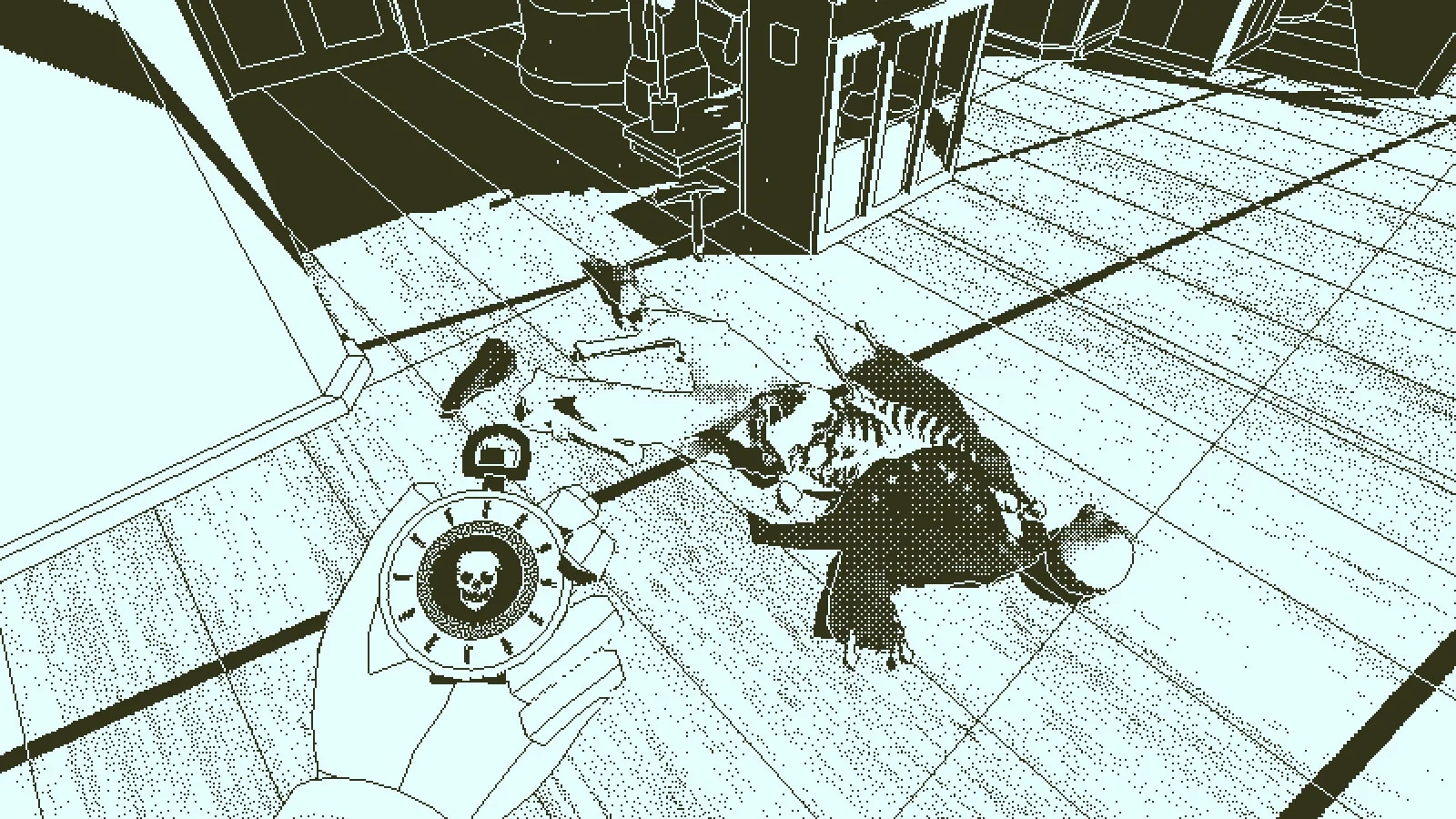
Return of the Obra Dinn casts the player as an East India Company insurance investigator in 1807. The merchant ship disappeared with its crew after leaving London in 1802 and later drifted into Falmouth with no one visibly aboard. A special watch reveals frozen moments of death, while the ship manifest and visual evidence are used to identify people and record their fates.
Best for: players who want one large deduction problem instead of a sequence of unrelated riddles. Clothing, accents, duties, cabin positions and personal relationships all become usable evidence as the crew list fills in.
4. Patrick's Parabox
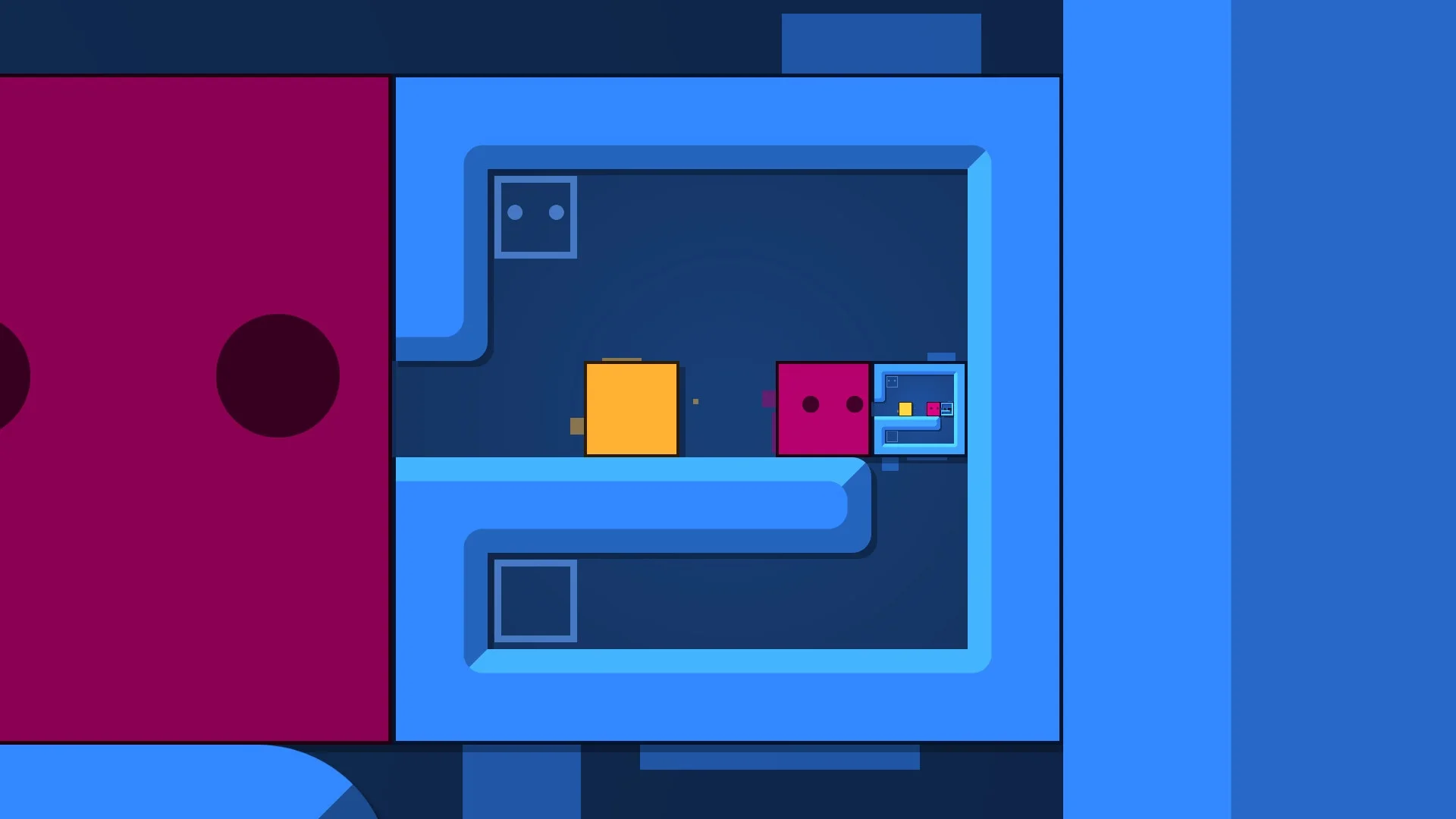
Patrick's Parabox builds more than 350 handcrafted puzzles from boxes that can contain other boxes. Players push containers into and out of one another, move through recursive spaces and eventually work with boxes that contain themselves. Each new group of levels isolates an implication of the system before combining it with ideas introduced earlier. Priscilla Snow’s soundtrack and sound design also change as the game introduces new recursive mechanics.
Best for: players who want an abstract rule set explored with unusual completeness. The visual language stays simple even when the recursive geometry becomes difficult to picture, keeping attention on the next logical move.
3. Portal 2
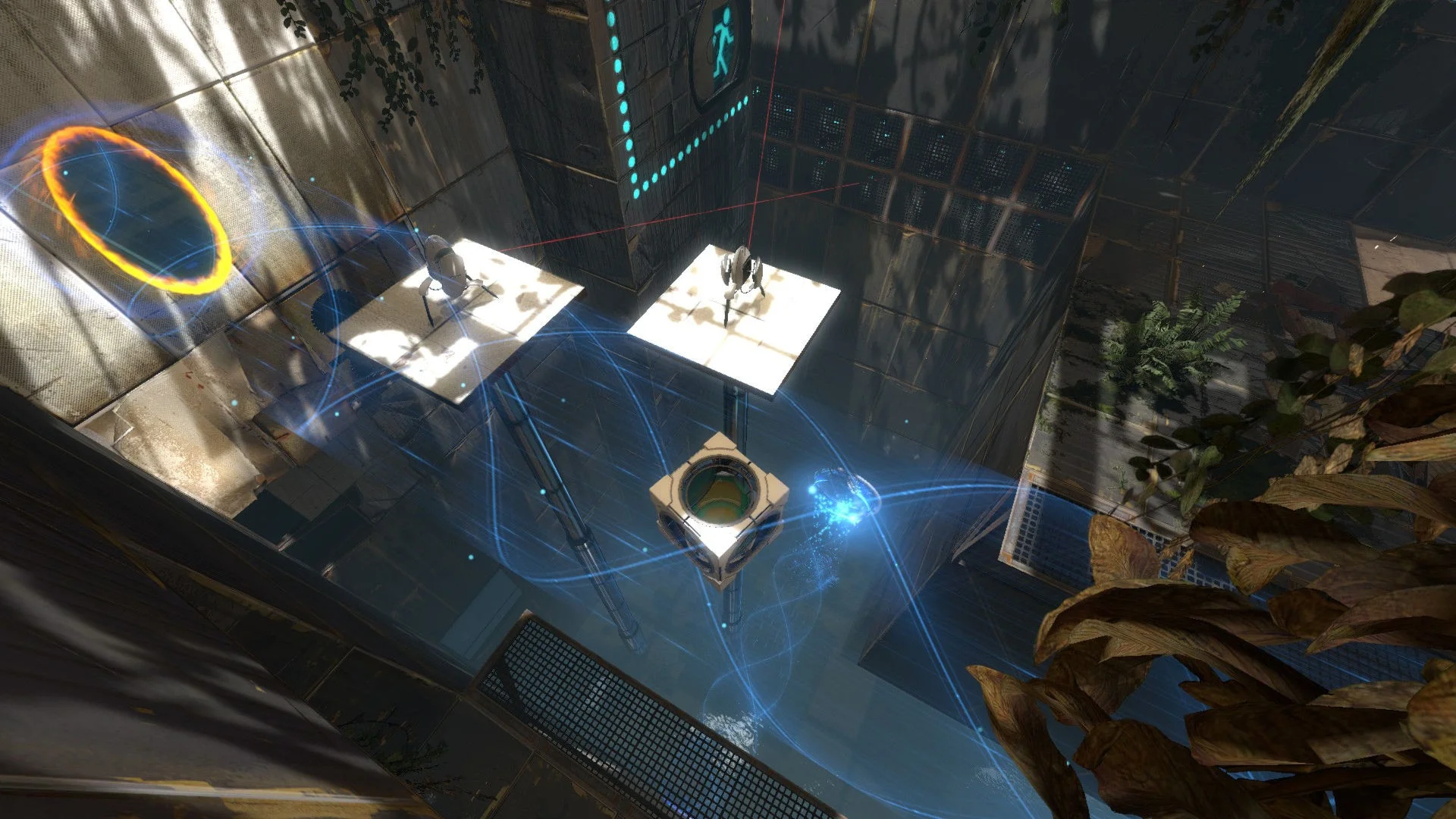
Portal 2 returns to Aperture Laboratories with a larger solo campaign, new characters and test equipment including funnels, faith plates, lasers and movement-changing gels. Its two-player mode is a separate campaign with its own chambers and robotic partners, so cooperation changes the puzzle design instead of duplicating the single-player route. An editor and Workshop extend the supply of community chambers.
Best for: players who want spatial puzzles with a strong story or a purpose-built cooperative campaign. The portals remain easy to operate, while momentum and the newer equipment support solutions that require timing, positioning and communication.
2. Baba Is You
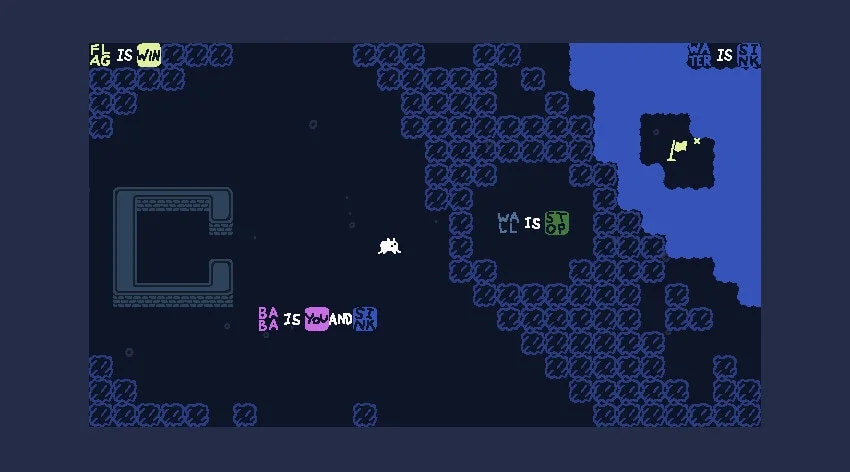
Baba Is You places statements such as “Baba Is You” and “Flag Is Win” directly on the board as movable blocks. Rearranging a sentence can turn the player into a rock, make grass dangerous or replace the level goal. More than 200 levels keep testing how nouns, properties and operators interact, and many solutions require changing what an object is rather than moving around it.
Best for: players who enjoy breaking an apparently fixed rule and then reasoning through the consequences. Its vocabulary is visible at all times, but a small change can redefine the controllable character, obstacle and objective together.
1. The Artisan of Glimmith
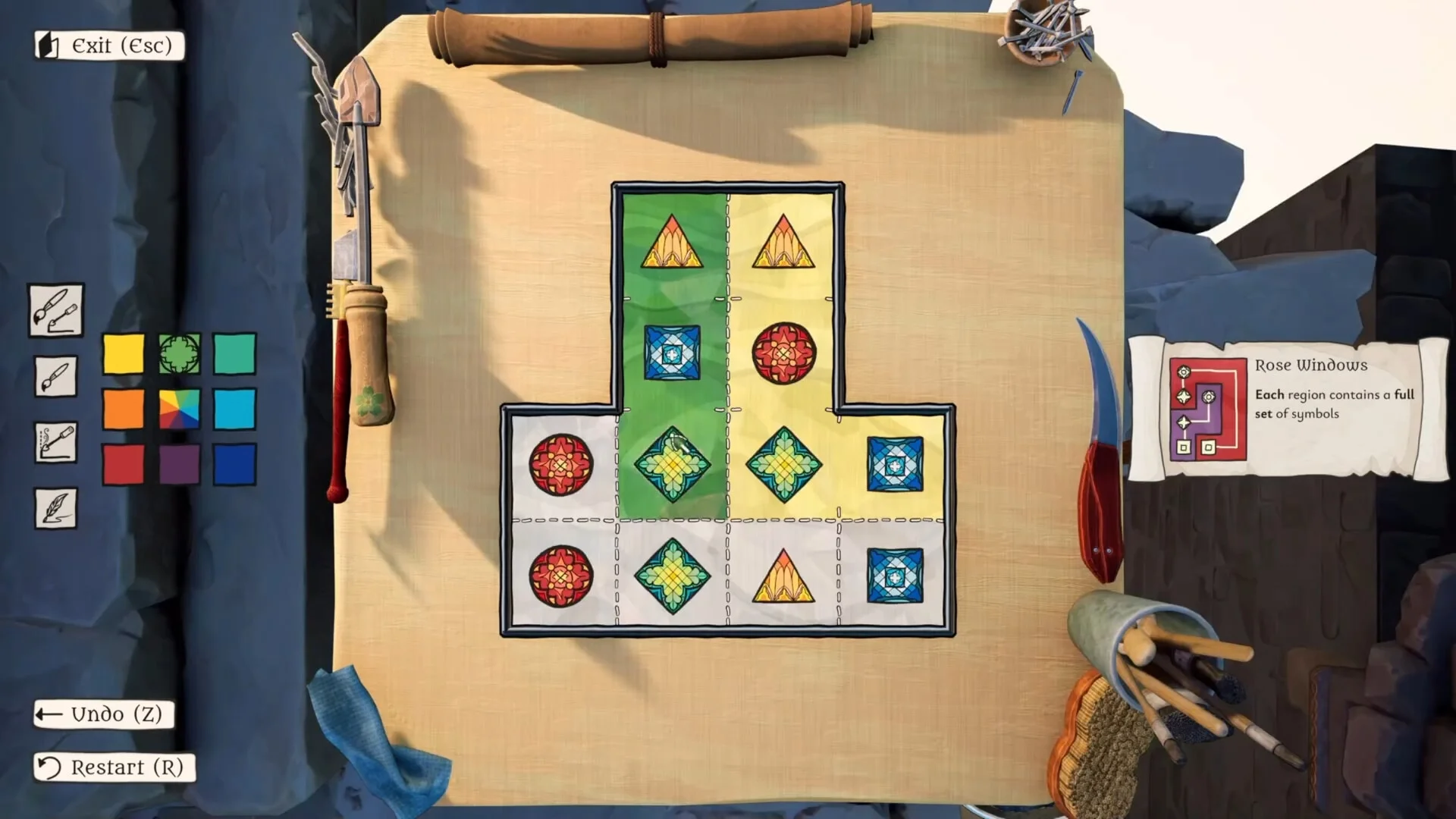
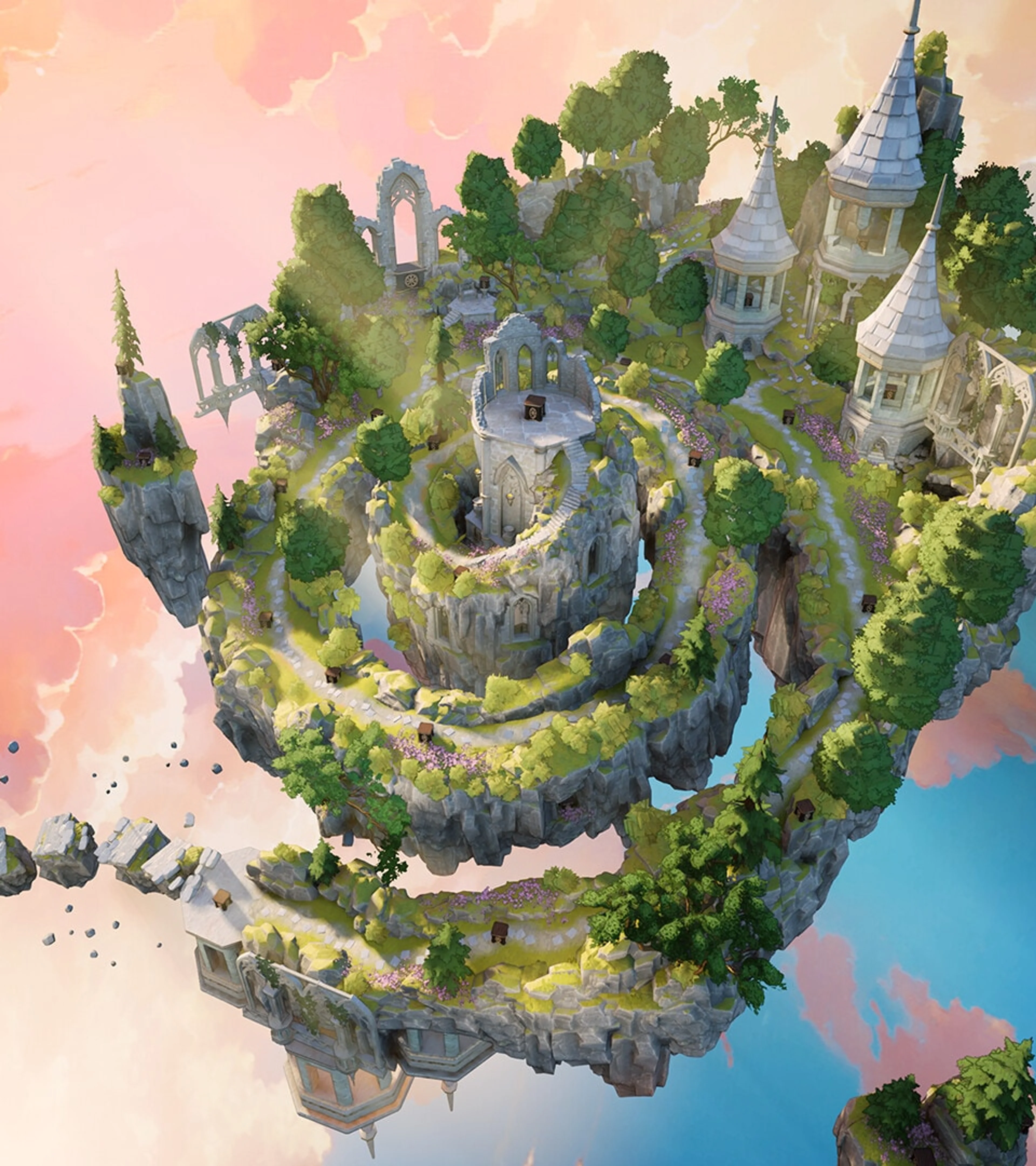
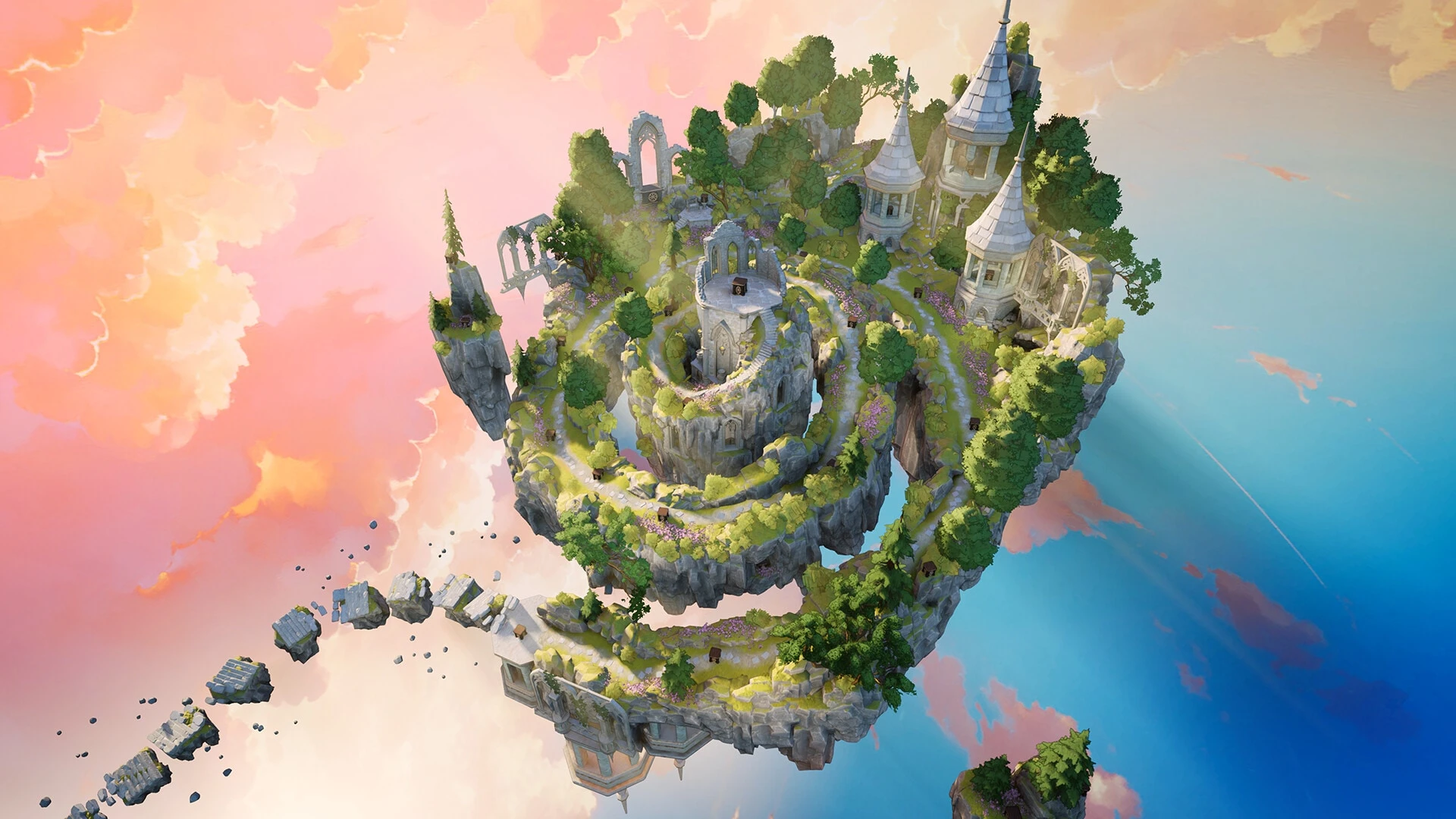
The Artisan of Glimmith sends a stained-glass artisan through a hamlet, enchanted forest and forlorn castle in a kingdom above the clouds. A large collection of handcrafted puzzles uses over 20 rule types for coloring, cutting and joining glass. Hidden paths add optional discoveries, expert finale puzzles demand combined mastery, and an in-game level editor connects to Steam Workshop.
Best for: players looking for the deepest new pure-puzzle release of 2026. Its flexible route lets a difficult artwork wait while another branch teaches a useful idea, and the large authored set gives each rule room to develop before the finale combinations.