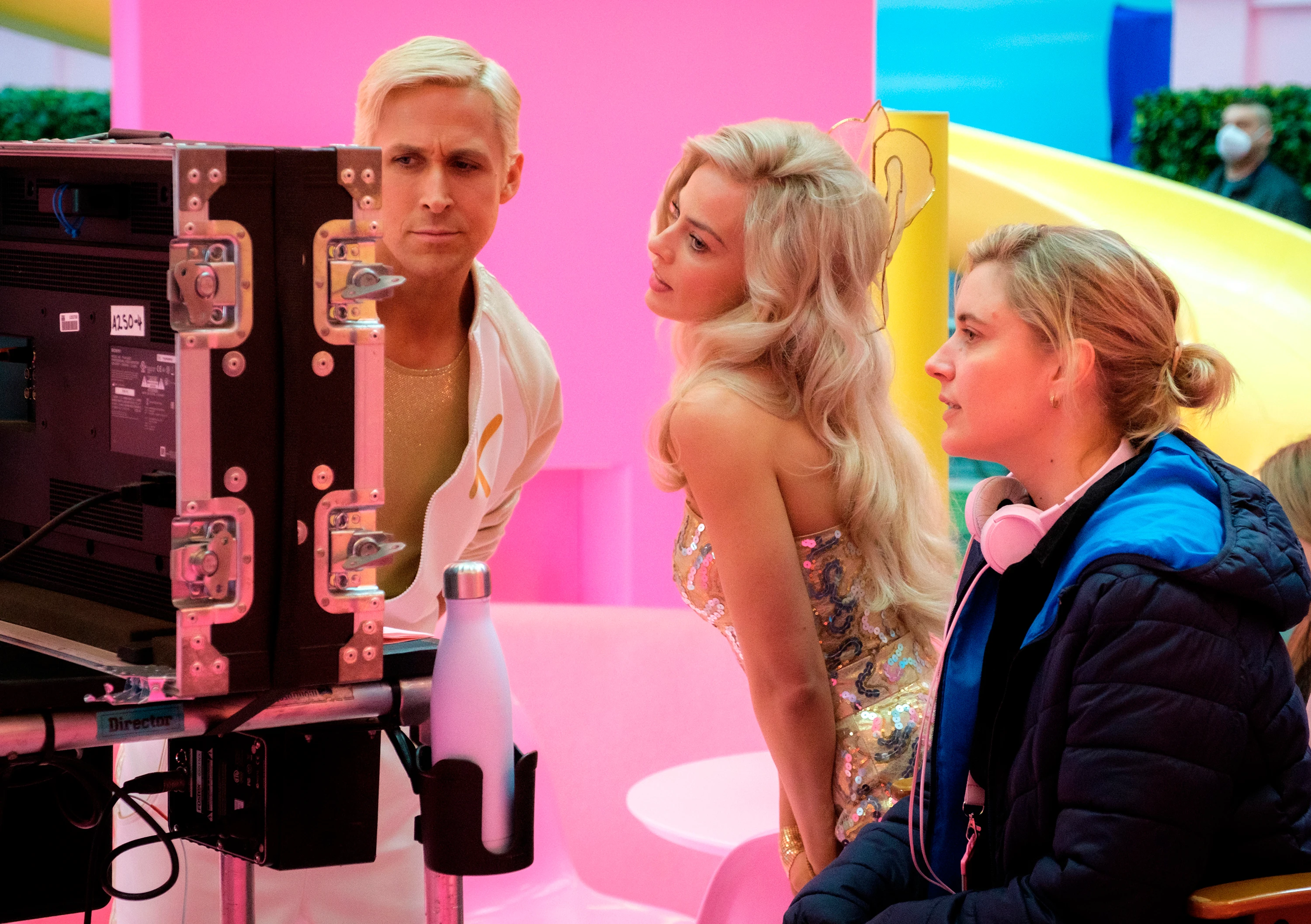
Warner Bros. wants another Barbie movie, but getting the original team back together may cost far more than it did the first time.
Variety reports that talks with Margot Robbie, Ryan Gosling, and director Greta Gerwig have slowed over money. The studio has made offers, yet no deal has been completed. Warner Bros. Motion Picture Group co-chairs Pam Abdy and Michael De Luca confirmed that sequel discussions are happening, which is more concrete than the rumors that followed the first movie's success.
The difficult part is keeping the people who made Barbie feel like Barbie. Robbie was both the star and a producer. Gerwig directed and co-wrote the movie with Noah Baumbach. Gosling's Ken became one of its most recognizable characters. Warner Bros. can make another movie with Mattel, but replacing that group would change what audiences expect from a sequel.
What Warner Bros. Has Confirmed
Abdy and De Luca said the studio has a rights agreement with Mattel and has made offers to the key creative team. They did not announce a completed contract, a production date, or a release date. Barbie 2 is being discussed, but it is not ready to film.
The New York Times reported that Warner Bros. faces a December deadline to get the project moving before certain sequel rights return to Mattel. That reported deadline gives both sides a reason to negotiate now, but it also gives Robbie, Gerwig, and Gosling strong positions at the table.
Gosling is reportedly seeking about $20 million upfront. Exact figures for Robbie and Gerwig have not been made public, though reports say the offers include raises and profit participation. Those numbers remain part of ongoing negotiations, so they should not be treated as final salaries.
The contracts are not limited to one paycheck. Robbie's production role gives her a financial interest beyond acting, while Gerwig's writing and directing work can be negotiated separately. Profit participation can also become more valuable than an upfront fee when a movie performs at Barbie's level. That makes the talks more complicated than Warner Bros. agreeing to one salary for each person.
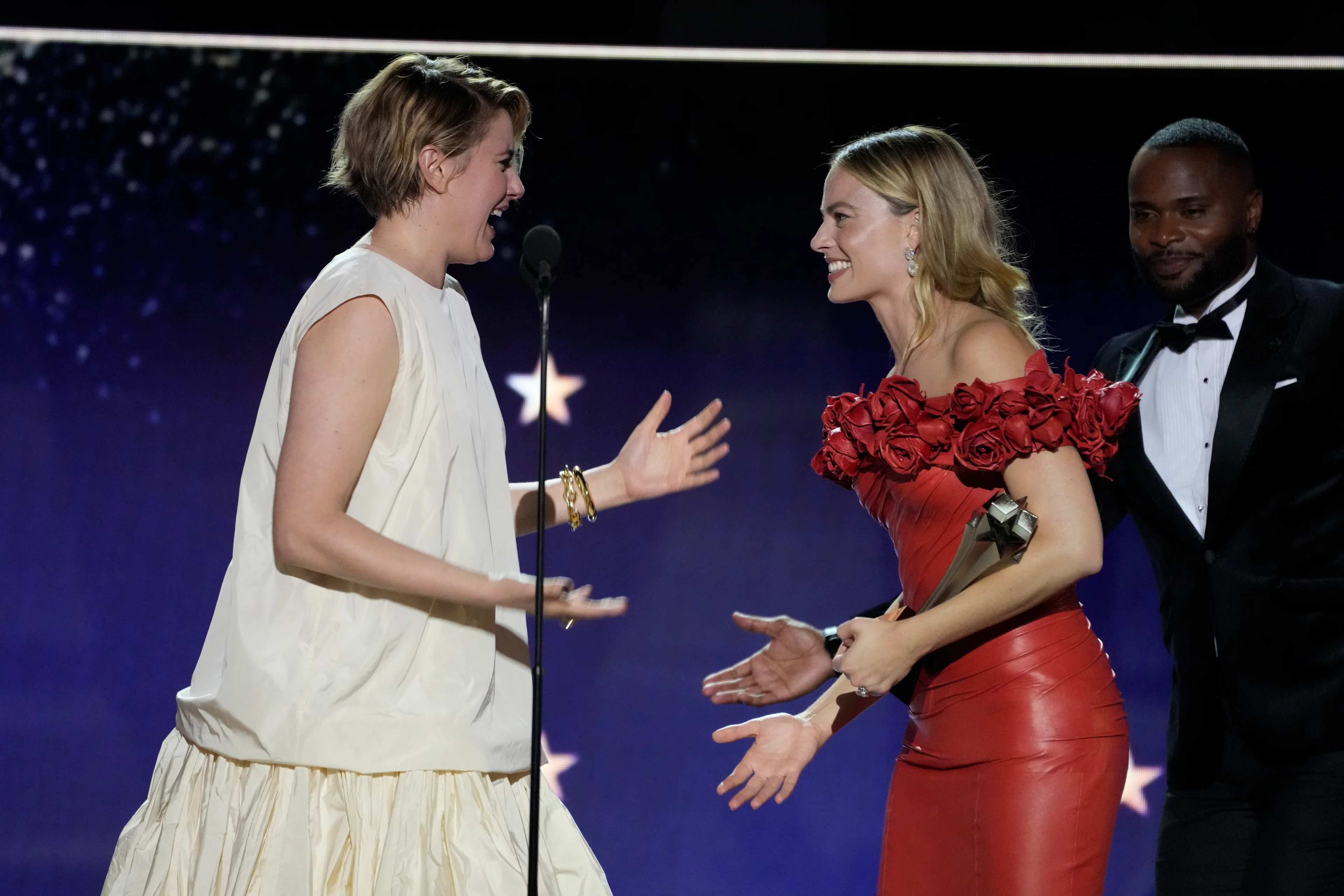
This is normal after a hit, especially one that became much larger than anyone expected. Actors, directors, and producers usually ask for better terms after proving that audiences will show up. Barbie earned about $1.45 billion worldwide, became the biggest movie of 2023, and received eight Academy Award nominations. Warner Bros. also celebrated it as the studio's highest-grossing worldwide release at the time.
Why the Deals Are So Expensive
The first Barbie arrived with curiosity around the toy, but the cast and filmmakers turned it into something people kept discussing after they left the theater. Robbie gave the movie its emotional center. Gerwig mixed comedy, bright production design, and a story about identity without making it feel like a long toy commercial. Gosling's performance gave the film many of its biggest jokes and most shared scenes.
A sequel cannot simply repeat Barbie Land, the same jokes, and another trip into the real world. Gerwig would need a reason to return, while Robbie and Gosling would need characters worth revisiting. Paying the original team is only one part of the problem. Warner Bros. also needs a story that does not make the first movie feel complete enough on its own.
The studio has another option: make a different Barbie story with a new cast and filmmaker. Mattel has many versions of the character, and the first movie already introduced a large group of Barbies and Kens. That approach might cost less, but it would be harder to market as the sequel audiences have been waiting for. Most people asking about Barbie 2 are asking whether Robbie, Gerwig, and Gosling will return.
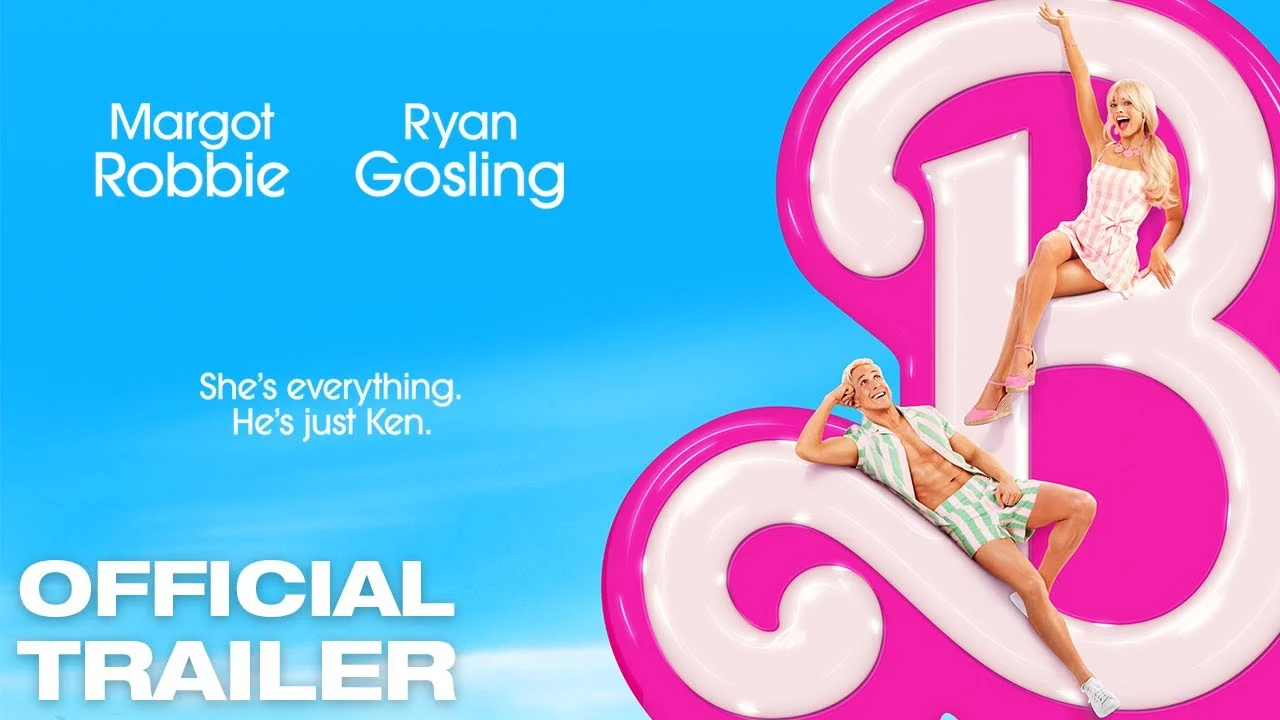
There is also a business question behind every creative choice. A larger budget can reduce the studio's profit even if the sequel performs well. At the same time, trying to save money by moving forward without the original team could weaken the audience's interest. Barbie was not successful only because the brand is famous. It became a major event because people liked this specific version of it.
Warner Bros. and Mattel have not said what Barbie 2 would be about. No returning cast member has officially signed on, and Gerwig has not been announced as director. Reports about salaries explain why the process is taking time, but they do not mean the sequel is canceled.
The next meaningful update will be a signed deal, not another round of unnamed sources saying talks are active. Until then, Barbie 2 remains a project Warner Bros. clearly wants and has not yet secured.