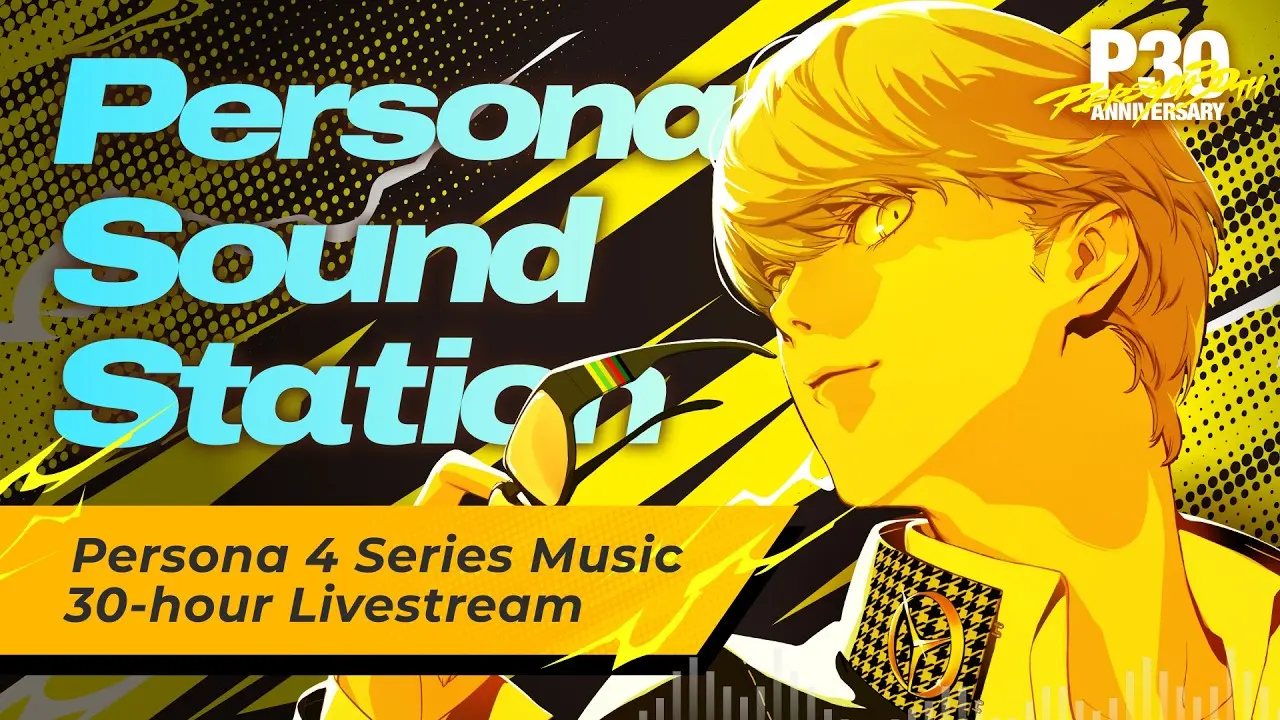
Persona has become one of the easiest RPG franchises to recognize from a single screenshot. The menus, colors, music, portraits, battle flourishes, and everyday-life structure all announce themselves immediately. Under that style is a reliable emotional setup: young characters balancing ordinary routines with supernatural mysteries that force them to face the parts of themselves they hide.
Atlus built Persona around a mix of dungeon crawling, turn-based combat, social bonds, school calendars, and psychological themes. The exact tone changes by entry. Persona 3 leans toward mortality and ritual. Persona 4 uses a small-town murder mystery and the Midnight Channel. Persona 5 turns rebellion, thieves, and corrupt adults into a pop-art RPG engine. Across all of them, the hook is the same: relationships are not side content. They shape how the player understands the cast and grows stronger.
Persona is especially active now because Sega's official Persona 4 Revival page positions the remake as a modern reimagining of Persona 4 Golden, with updated visuals, UI, battles, and events. That gives new players a clear upcoming entry point without erasing the importance of earlier versions.
The franchise works because it makes style feel personal. The music is catchy, the interfaces are sharp, and the battles look cool, but fans stay because the games turn identity, friendship, grief, fear, and self-acceptance into systems the player lives with for dozens of hours.