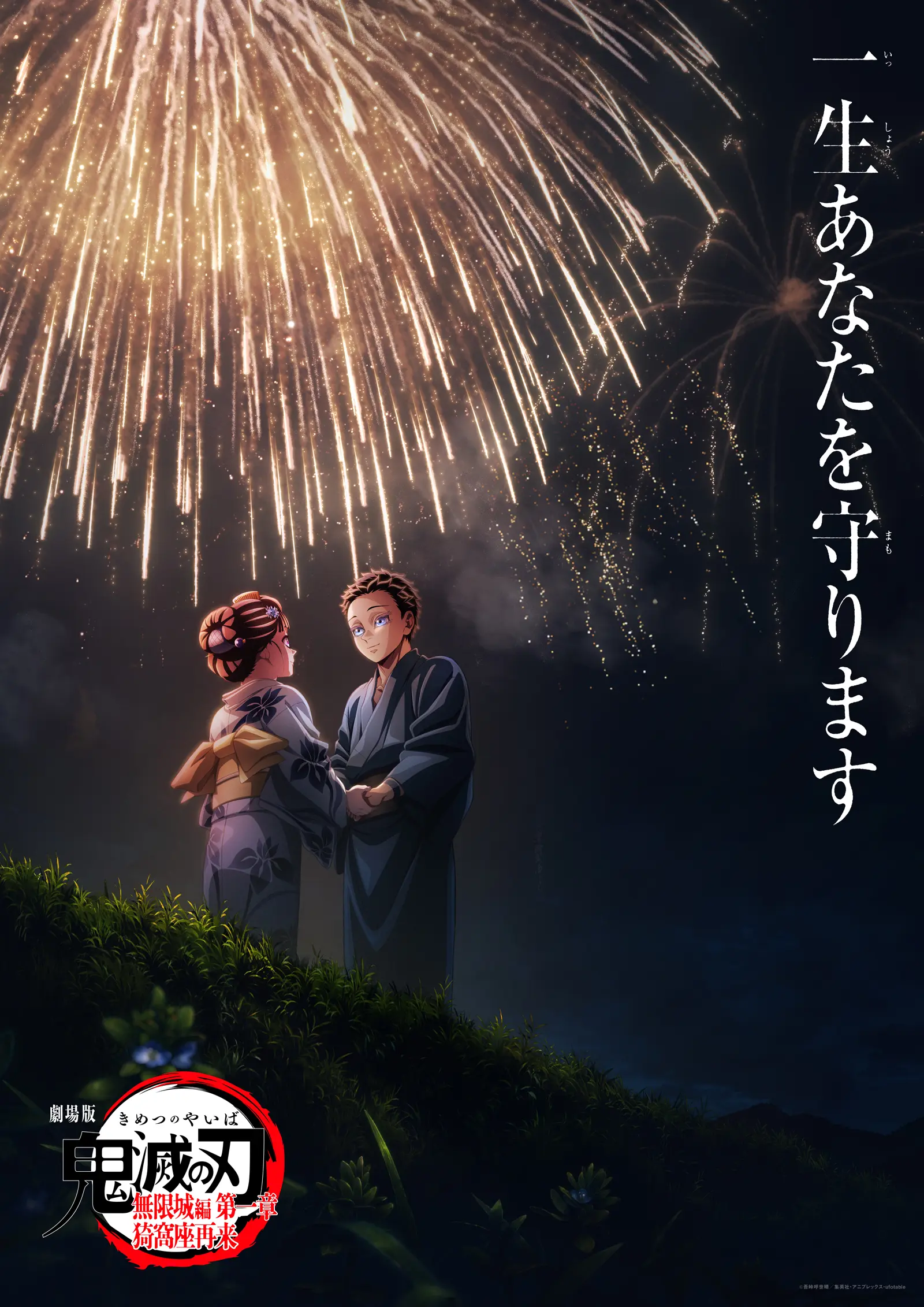
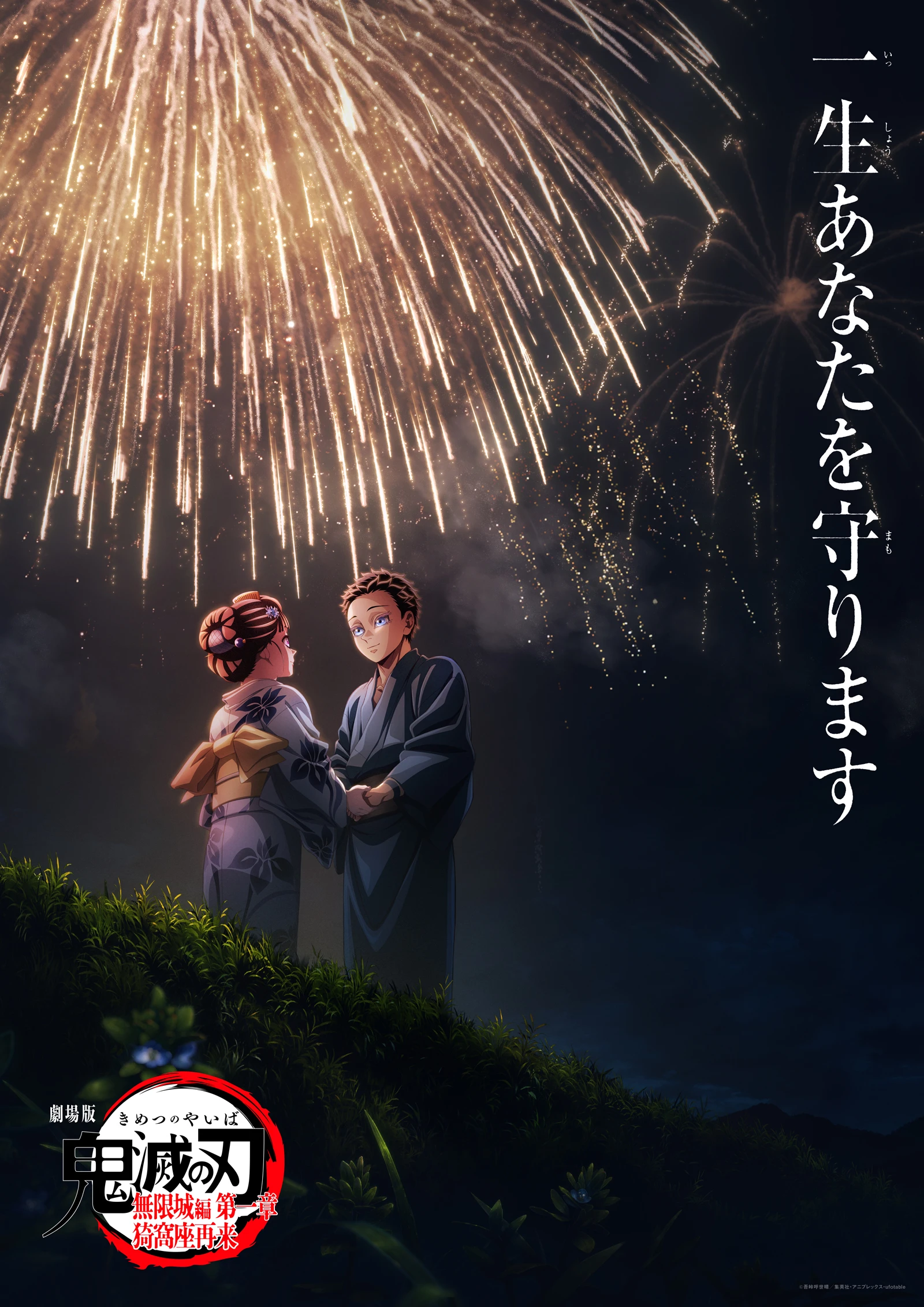
Demon Slayer: Kimetsu no Yaiba is one of the rare anime franchises that casual viewers can recognize immediately. Tanjiro Kamado's story begins with family tragedy: demons slaughter his home, his sister Nezuko survives but is transformed, and his path becomes a mix of revenge, protection, and impossible hope.
Koyoharu Gotouge's manga gives the franchise a clean emotional engine. Tanjiro is not interesting because he is crueler than the monsters. He is interesting because he keeps his empathy even while learning to kill them. That tension carries the anime through training arcs, Hashira introductions, demon backstories, and battles that keep raising the cost of survival.
Ufotable's adaptation turned Demon Slayer into a visual event. The sword forms, elemental imagery, music, and camera movement made the anime feel theatrical even before the movies arrived. Infinity Castle pushes that scale further, positioning the final conflict as a major film event rather than a normal TV continuation.
The franchise has clear heroes, terrifying villains, family stakes, and enough tragedy to keep the spectacle from feeling empty. Even the strongest fighters carry visible loss, which keeps the action grounded when the screen erupts. Demon Slayer works because every beautiful fight is attached to a wound the characters are still carrying. Its popularity comes from that direct combination: huge action, simple stakes, and pain the audience can understand quickly.