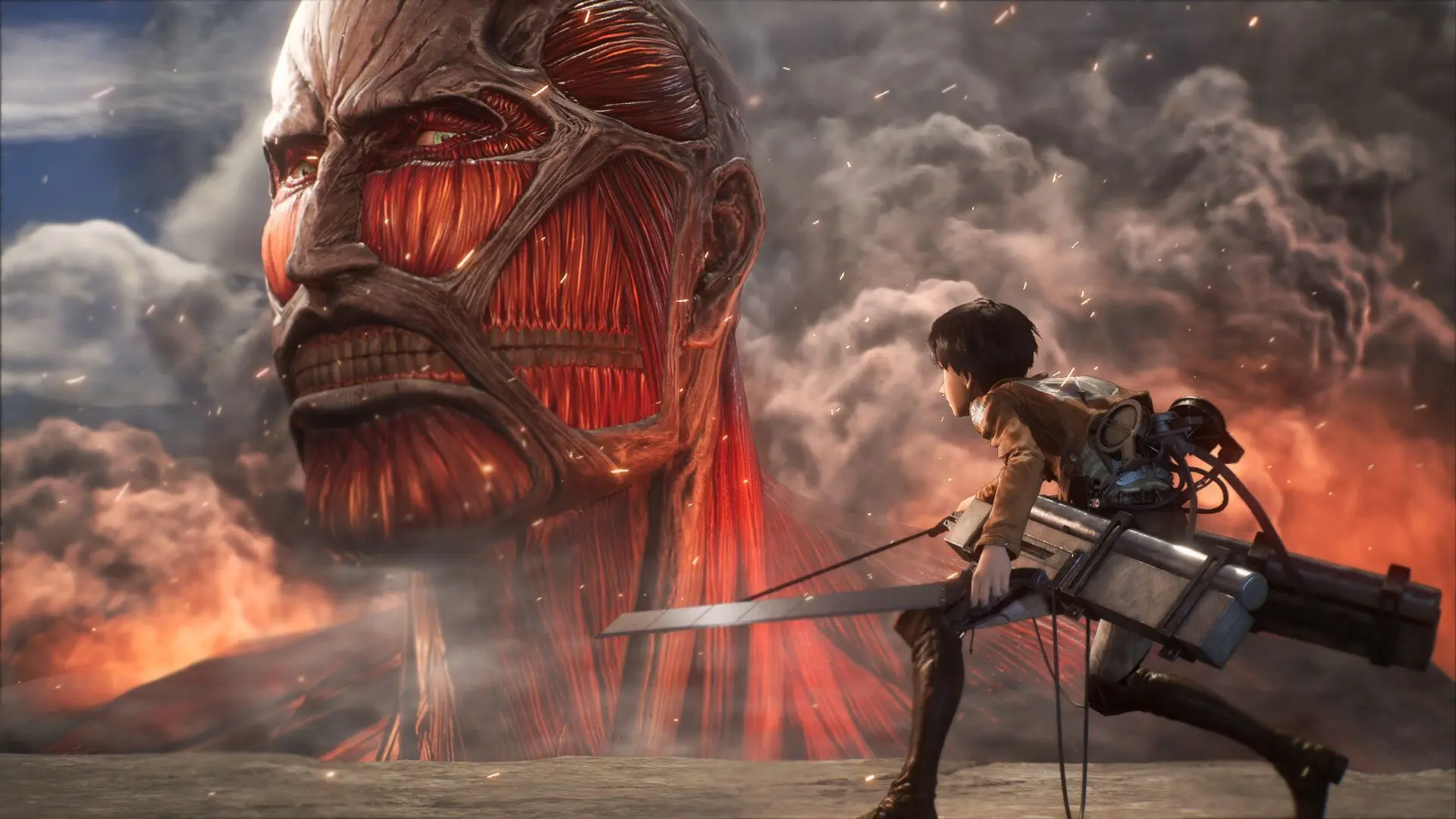
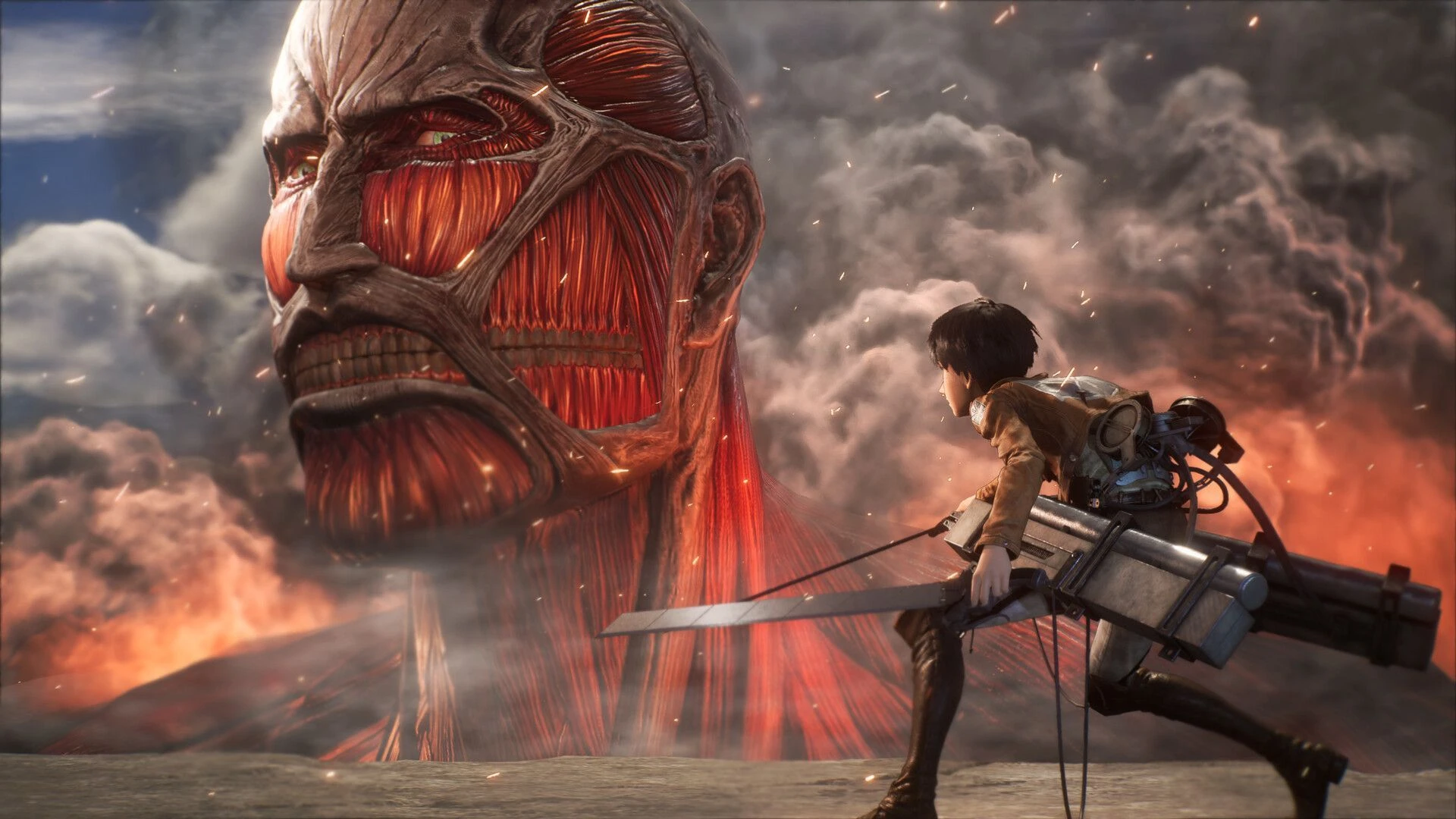
Attack on Titan begins with one of anime's cleanest horror images: humanity trapped behind walls while man-eating Titans wait outside. That premise is easy to understand, but the franchise becomes much more complicated once Eren Yeager, Mikasa Ackerman, Armin Arlert, and the Survey Corps start learning what the walls are hiding.
Hajime Isayama's story works because every answer makes the world crueler. What starts as survival horror becomes military drama, political conspiracy, inherited trauma, and finally a war story about freedom twisted into something monstrous. The Titans are terrifying, but Attack on Titan's deeper fear is ideological. People keep convincing themselves that the next atrocity will finally end the cycle.
The anime adaptation gave the franchise a huge visual identity: vertical maneuvering gear, desperate rooftop movement, thunderous music, and battles where victory rarely feels clean. The Final Season pushed the story into harsher moral territory, forcing fans to sit with characters who are both victims and perpetrators.
Attack on Titan 3 gives the game side a current anchor, translating the series' speed and scale back into playable action. The franchise remains powerful because it refuses to let spectacle become simple. The best moments are not only the Titan fights. They are the moments after a revelation, when the characters realize the enemy is closer, older, or more human than they wanted to believe.