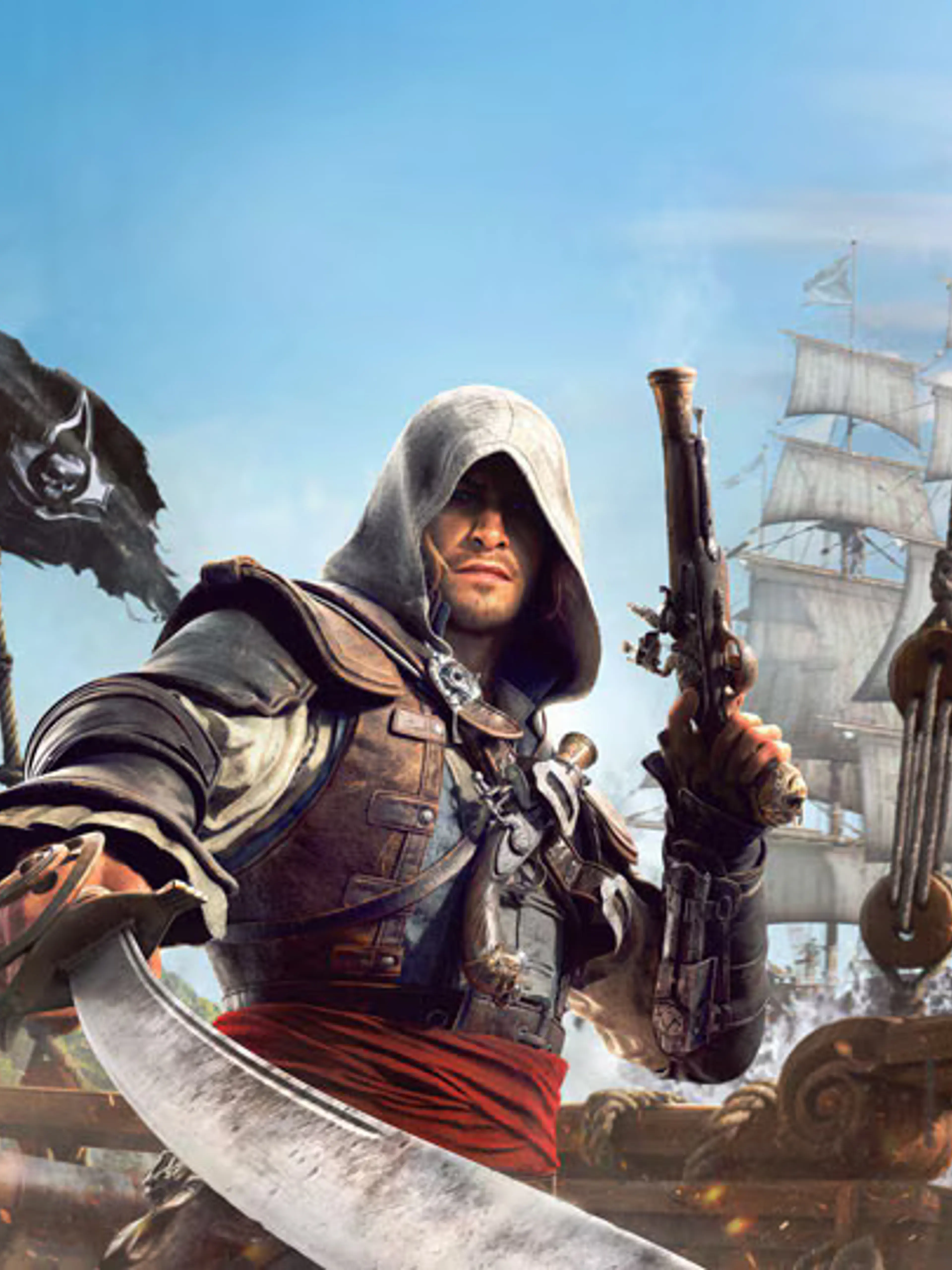


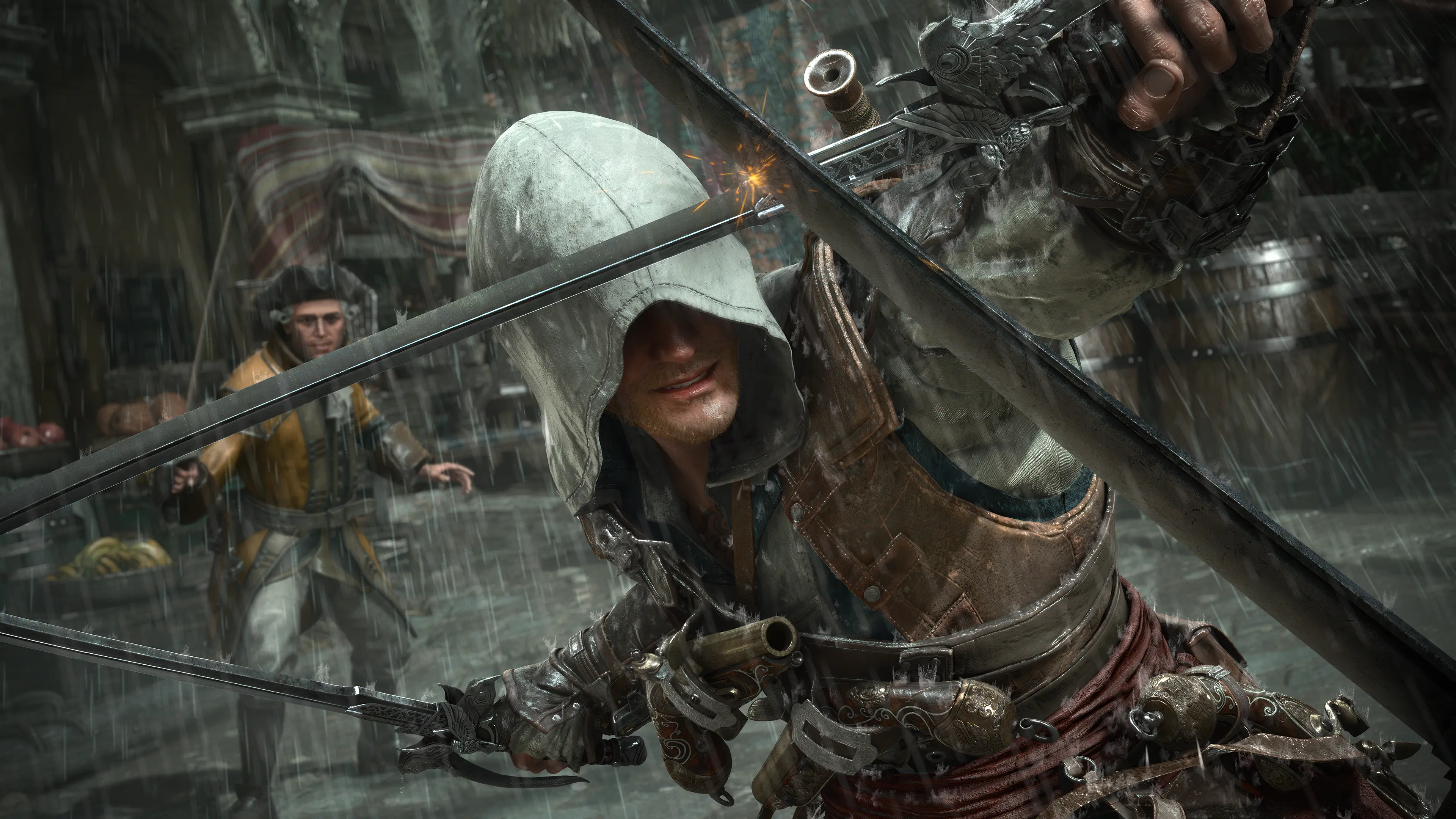
Assassin’s Creed Black Flag Resynced Update 1.0.7: Patch Sizes, Hidden Pistols, and Dog
Black Flag Resynced update 1.0.7 is live. See every patch size, how to hide pistols and perk effects, the dog, and the biggest fixes.



Franchise
Assassin's Creed is Ubisoft's action-adventure franchise about hidden Assassins, rival Templars, and conflicts unfolding across different periods of history. Its games combine exploration, stealth, parkour, combat, and role-playing systems across historical eras, generations, continents, and styles of play.
Explore
Read next
Black Flag Resynced update 1.0.7 is live. See every patch size, how to hide pistols and perk effects, the dog, and the biggest fixes.
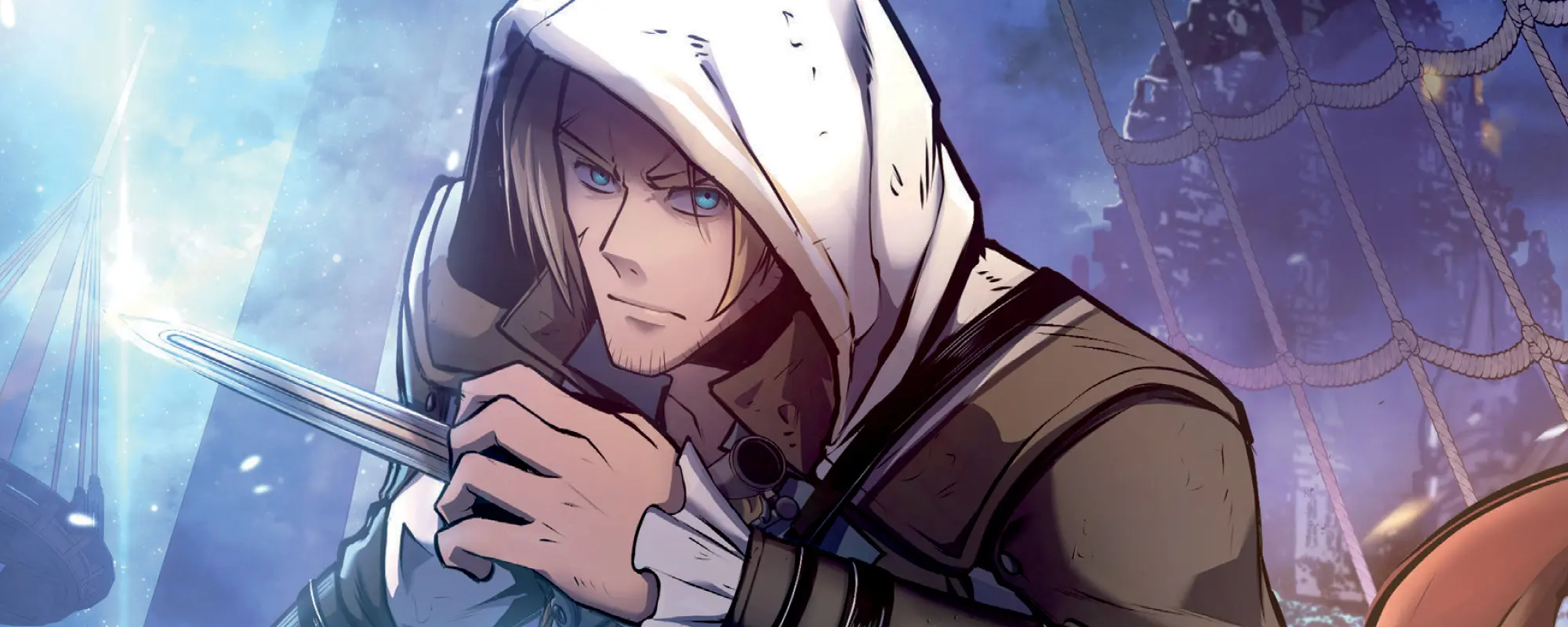
Assassin’s Creed Black Flag has an official sequel called Forgotten Temple. Here is what it is, where to read it, and when Volume 4 arrives.
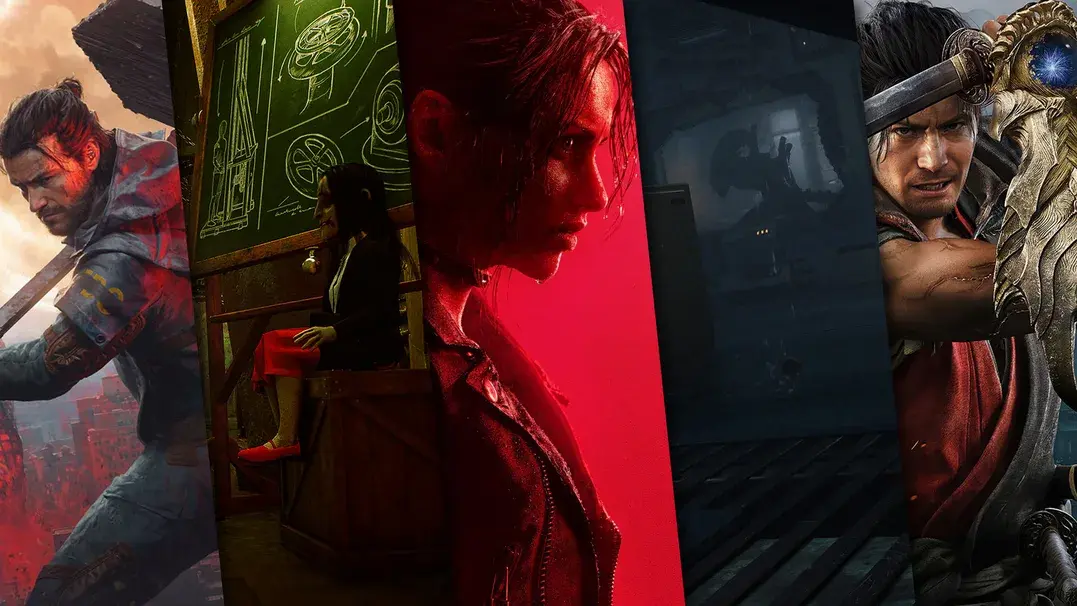
See all 16 PS5 games from Summer Game Fest 2026, with confirmed release dates for Black Flag Resynced, Control Resonant, Dawnwalker, and more.