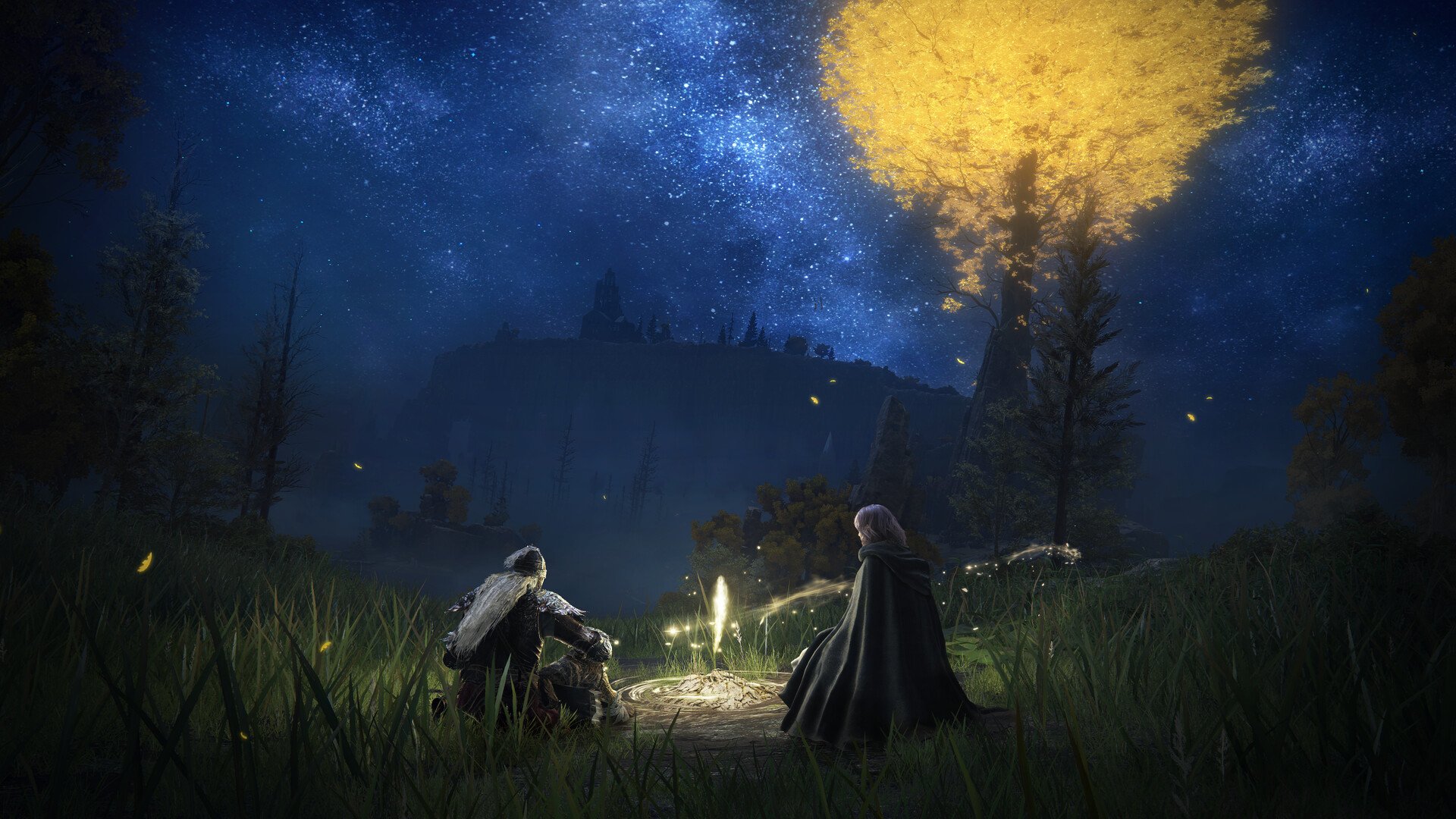
FromSoftware has become shorthand for a very particular kind of game: hostile worlds, quiet storytelling, punishing combat, and victory that feels earned because the game made you understand the rules the hard way. Elden Ring is the cleanest entry point for that identity because it opens the studio's design language into a huge fantasy world without losing the danger that made players trust the name.
The studio's appeal is not only difficulty. Plenty of games are hard. FromSoftware games tend to make failure feel like information. A boss pattern, a hidden route, a weapon choice, or one greedy attack can change the whole rhythm of a run. That is why players talk about the games with such intensity: the best moments feel personal, even when everyone is fighting the same monster.
Elden Ring also gives casual readers a useful doorway. It has the mystery, build variety, cryptic lore, and brutal fights associated with FromSoftware, but its open world lets players wander, overlevel, experiment, and return later. That makes it less like a straight corridor of punishment and more like a dangerous place you slowly learn to survive.
FromSoftware is strongest through Elden Ring and the wider action RPG conversation. The studio matters because its games make discovery feel dangerous and mastery feel intimate. Players do not simply finish a FromSoftware game; they remember where it broke them and where they finally broke through.