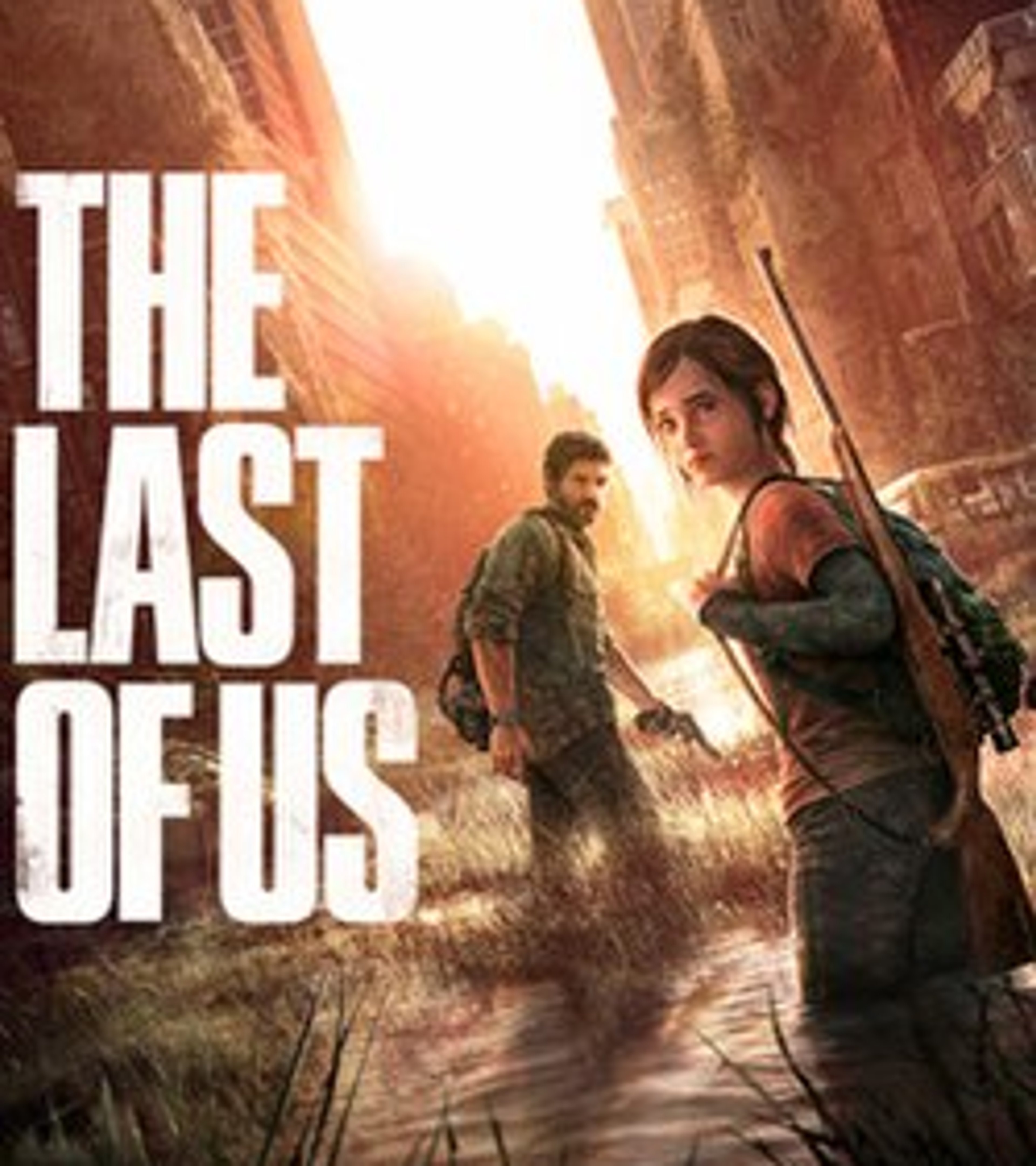
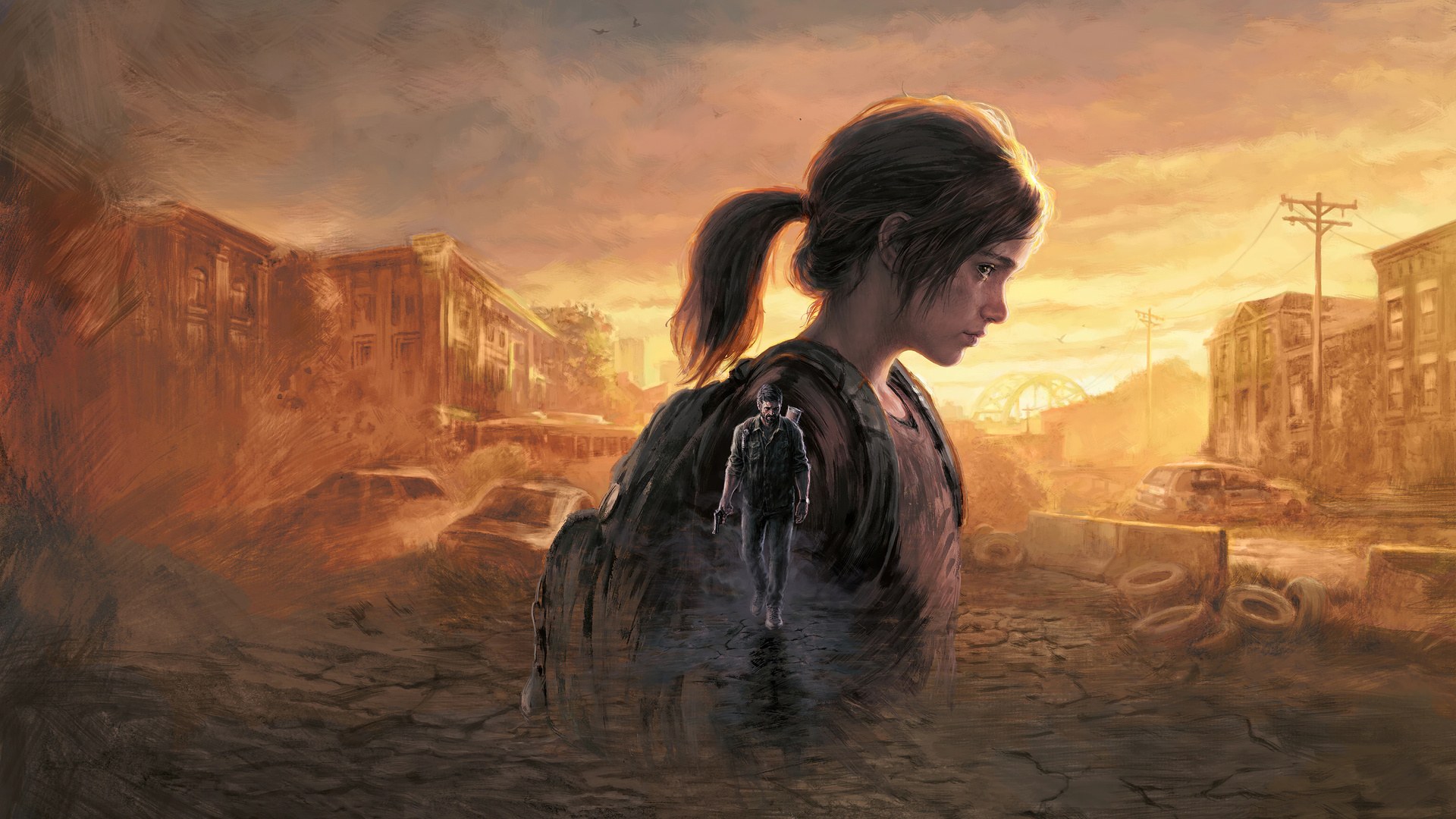
The Last of Us is still the sharpest test case in the remake debate, and PlayStation’s official page for The Last of Us Part I is the sourced anchor that keeps that argument grounded in the actual game record rather than nostalgia fog. The useful issue is not whether a modern version can exist. It is whether the modern version becomes the version, and what gets lost when the official trail starts pointing players toward the newer package first.
According to PlayStation’s official listing, The Last of Us Part I is the relevant official PlayStation page for this version of the game. That sounds dry until you remember how players actually discover games now: store pages, search results, platform hubs, franchise pages, algorithmic recommendations, and whatever official link sits closest to the top. A remake is not just a disc or download. It is a replacement candidate in the public record.
That is why The Last of Us remains such a useful argument starter. The title has enough cultural weight that any modern version immediately becomes a referendum on what remakes are supposed to do. Some players want a cleaner, more current entry point. Some want the original preserved as the primary artifact. Most of the fight lives in the uncomfortable space between those positions, where convenience starts looking like erasure and preservation starts sounding, to its critics, like refusing improvement on principle.
The pro-remake case is easy to understand without dressing it up in publisher language. A modern version can give new players a more accessible path into a major game, especially when the official platform holder keeps that version visible. The argument here is practical: if someone is trying to understand why The Last of Us matters, they are more likely to follow the active PlayStation page than hunt through legacy context. That makes Part I a doorway, not just a product.
The preservation case is just as real, and it is where the debate gets teeth. When a remake sits on the official shelf, the older version can become harder to talk about precisely because the newer version is easier to point to. The source does not need to say the original has been erased for the concern to make sense. The concern is about gravity: official pages pull attention, and attention shapes memory. If the remake becomes the default reference point, the older design choices risk becoming footnotes.
That is the difference between remaking a game and replacing its public identity. The Last of Us Part I can be discussed as a modern version while The Last of Us remains the core entity those conversations attach to. That distinction matters for readers, critics, and databases alike. If coverage treats Part I as disconnected from The Last of Us, the record gets messier. If coverage collapses everything into one undifferentiated label, the changes and context get blurrier.
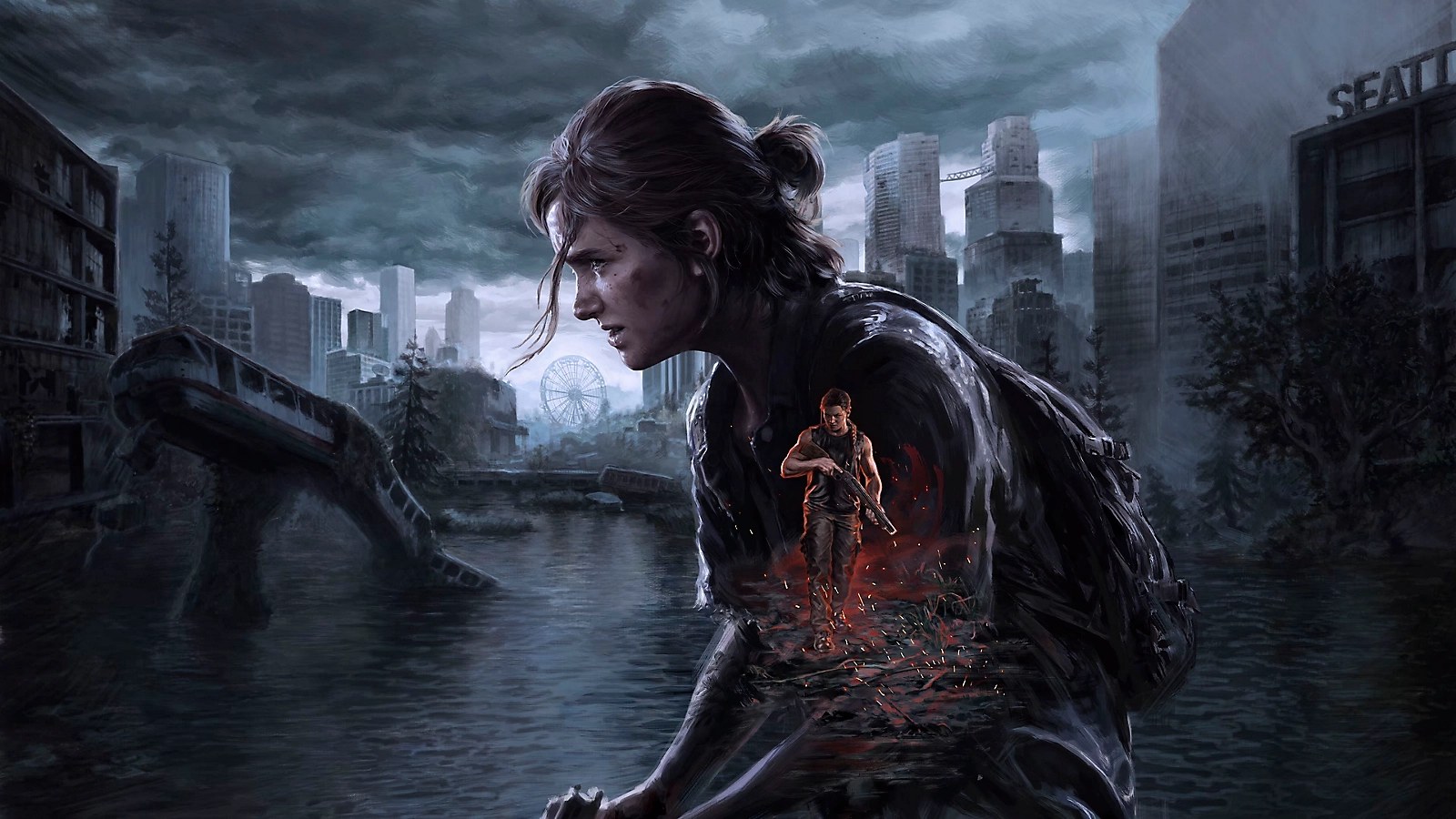
This is also why remake discourse around The Last of Us tends to be louder than the usual upgrade chatter. The community debate is not just about visual polish or whether a familiar story needed another release. It is about authority. Which version should a newcomer be told to play? Which version should critics cite when talking about the original design? Which version should show up when someone searches the title years from now? Those are not cosmetic questions. They decide how a game is remembered.
The official context is narrow: PlayStation still frames The Last of Us Part I as a modernized return to a defining story. The editorial read is broader: official context creates hierarchy. Platform pages do not merely describe games; they help organize them. Once a remake has a clean official landing page, the conversation shifts from whether it exists to how it should be indexed against the work it revisits.
That is where Naughty Dog’s game sits in a different category from disposable remake bait. The Last of Us is not being debated because players have nothing better to argue about. It is being debated because it is a recognizable enough title that every choice around its modern version becomes a proxy fight over the medium’s memory. A remake of a less-discussed game may pass as a convenience. A remake of The Last of Us becomes a statement, whether the official page says that out loud or not.
The cleanest way to cover it is to keep the link between names visible. The Last of Us Part I should not float as a separate island, and The Last of Us should not be treated as if the remake debate is an unrelated sidebar. The useful record connects them while preserving the distinction: one is the title with the history, the other is the modern version now sitting in official PlayStation context.
That may sound like metadata pedantry until the next remake lands and the same argument detonates again. Players will ask whether the new version is a gift, a cash-in, a repair job, or a quiet burial of the original. The Last of Us gives that fight a sharper vocabulary because the stakes are easy to see: access on one side, preservation on the other, and a very stubborn question in the middle about who gets to define the definitive version.
Pixel Twelve’s takeaway is simple: watch the official record, not just the trailer beats. The next thing to track is how PlayStation, Naughty Dog, and future coverage keep distinguishing The Last of Us from The Last of Us Part I. That distinction is where the remake argument lives, and it is where the next round of player debate will start.