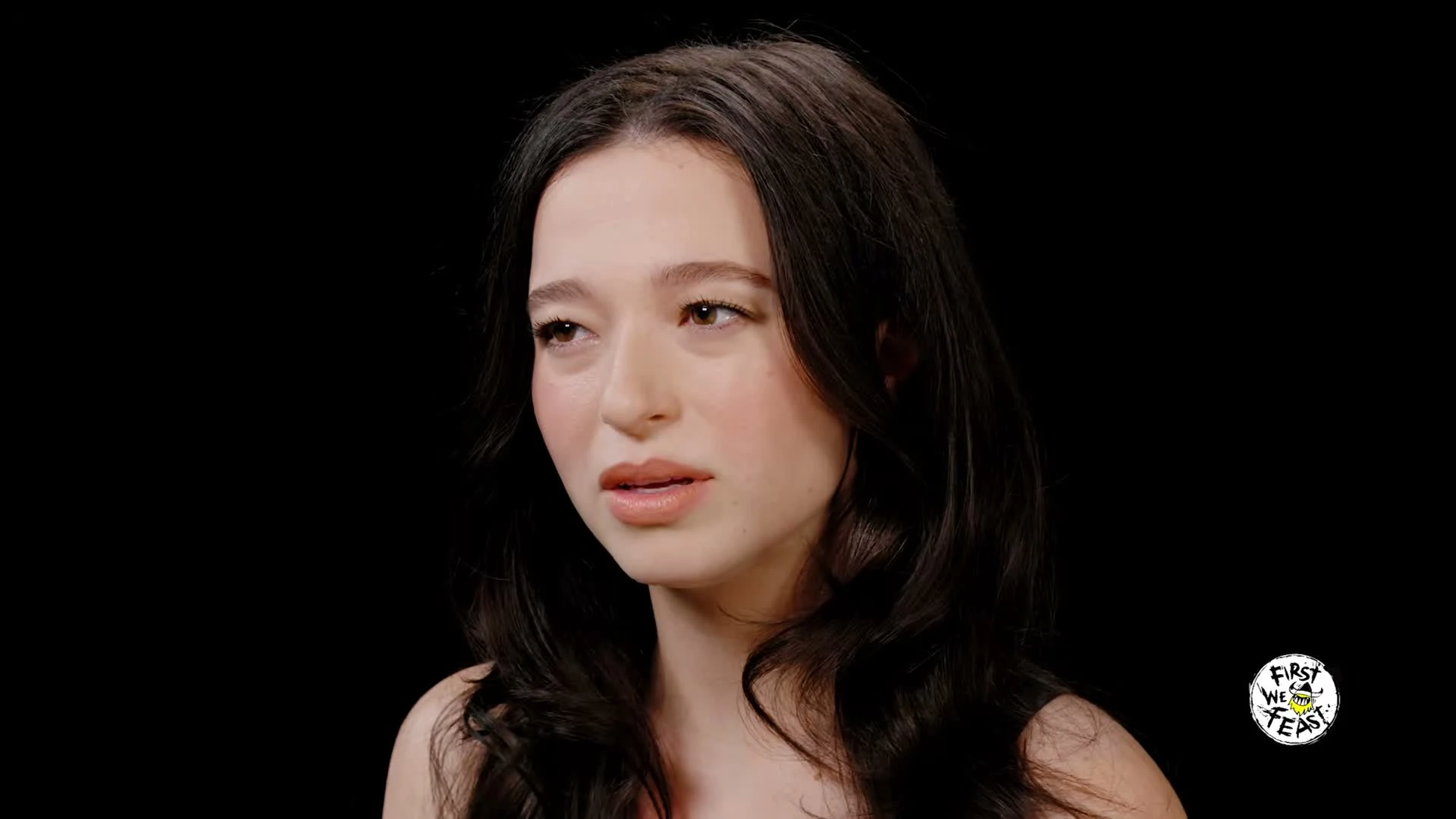
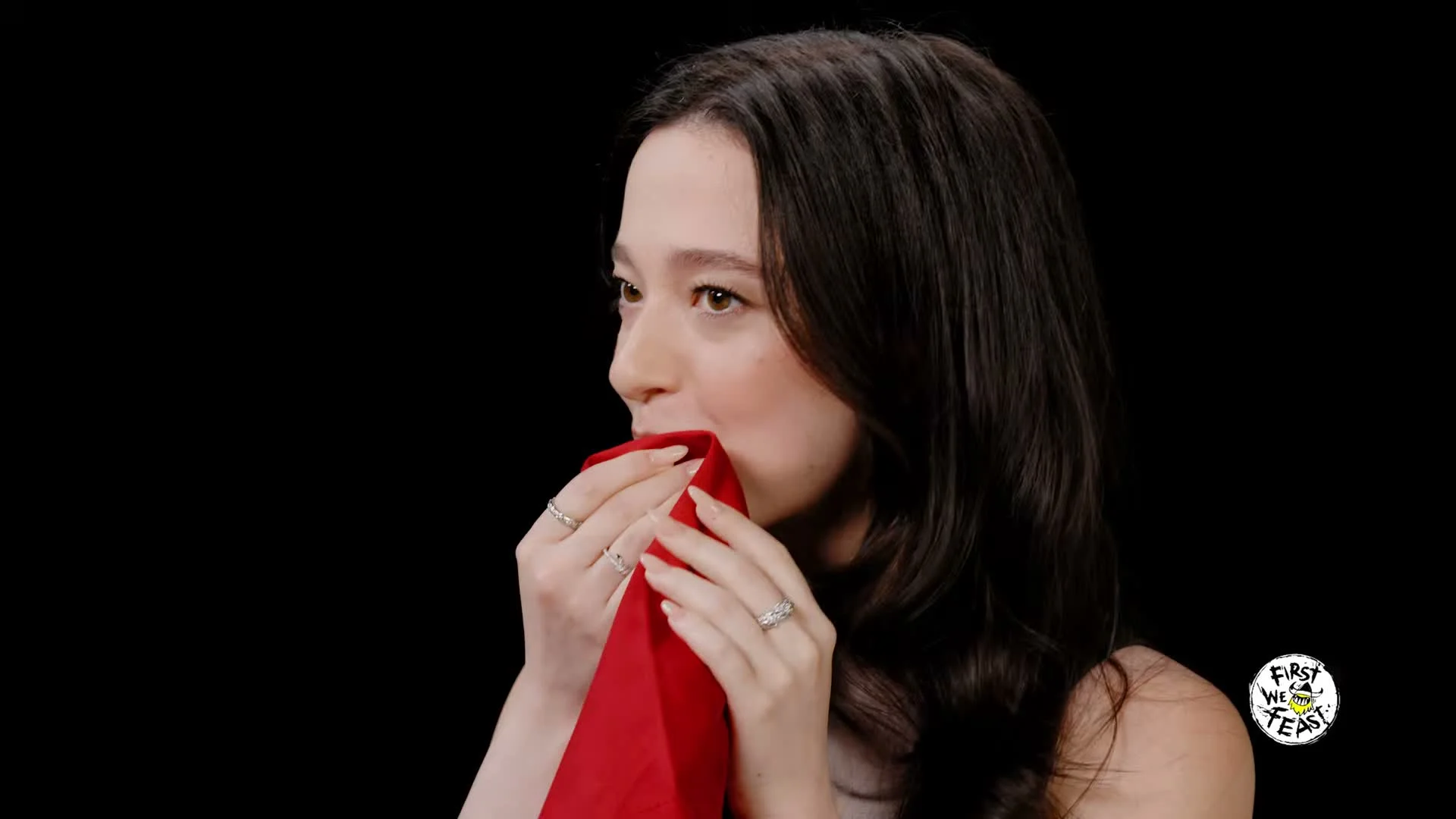
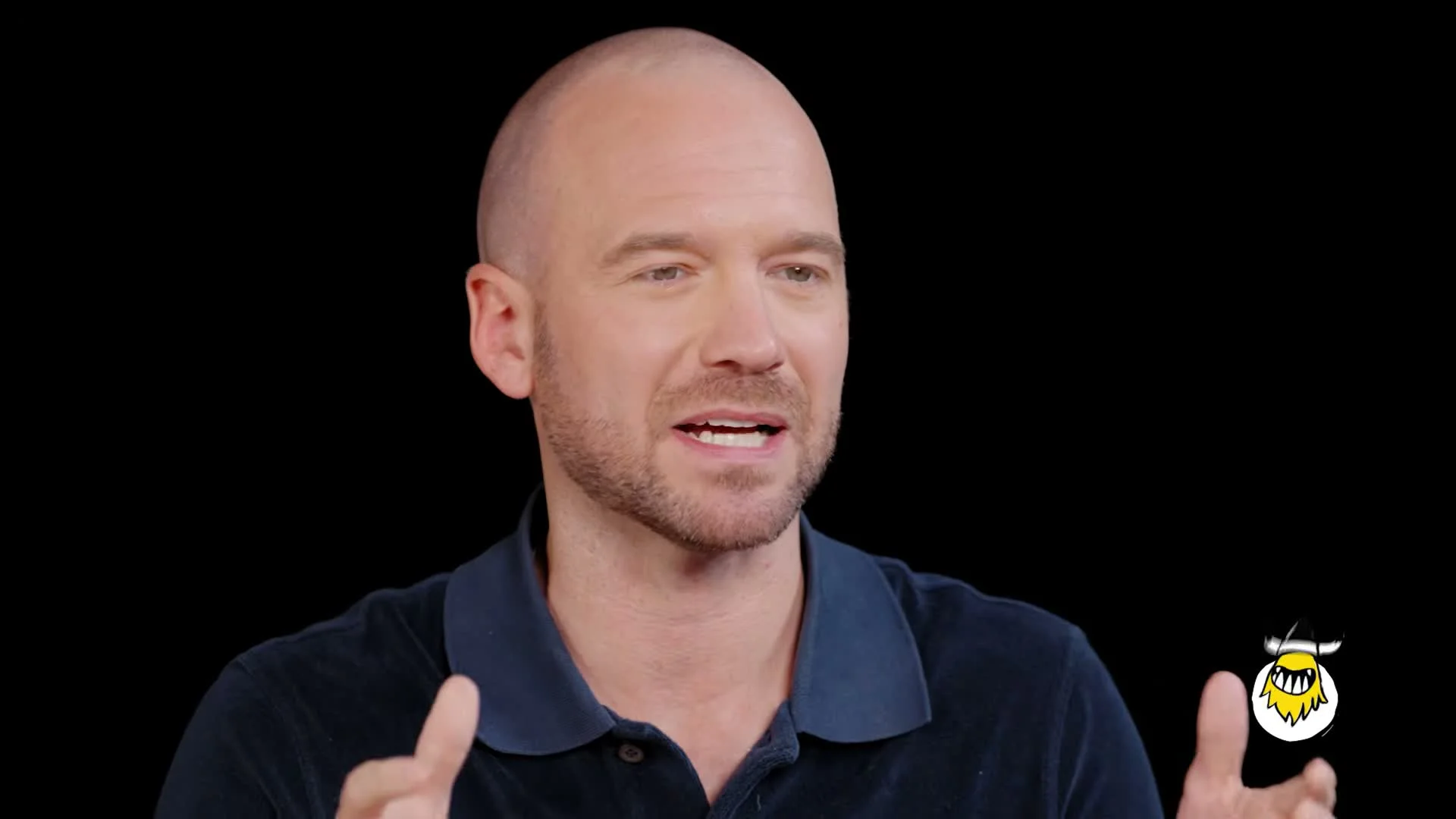
Mikey Madison arrives on Hot Ones worried about the sauces, then leaves thinking she could have handled something hotter. Between those two moments, she gives Sean Evans a fairly wide-ranging account of how she works: playing a real person for Aaron Sorkin, learning on the Better Things set, and finding the humor in a frightening scene.
The October 1 interview also has a cookie-making detour and a horse quiz that does not go especially well. The full First We Feast episode is above, starting with Evans’s question about her next role. It is worth staying for the answers, not just the increasingly uncomfortable reactions to the wings.
Sorkin wanted the character, not an impression
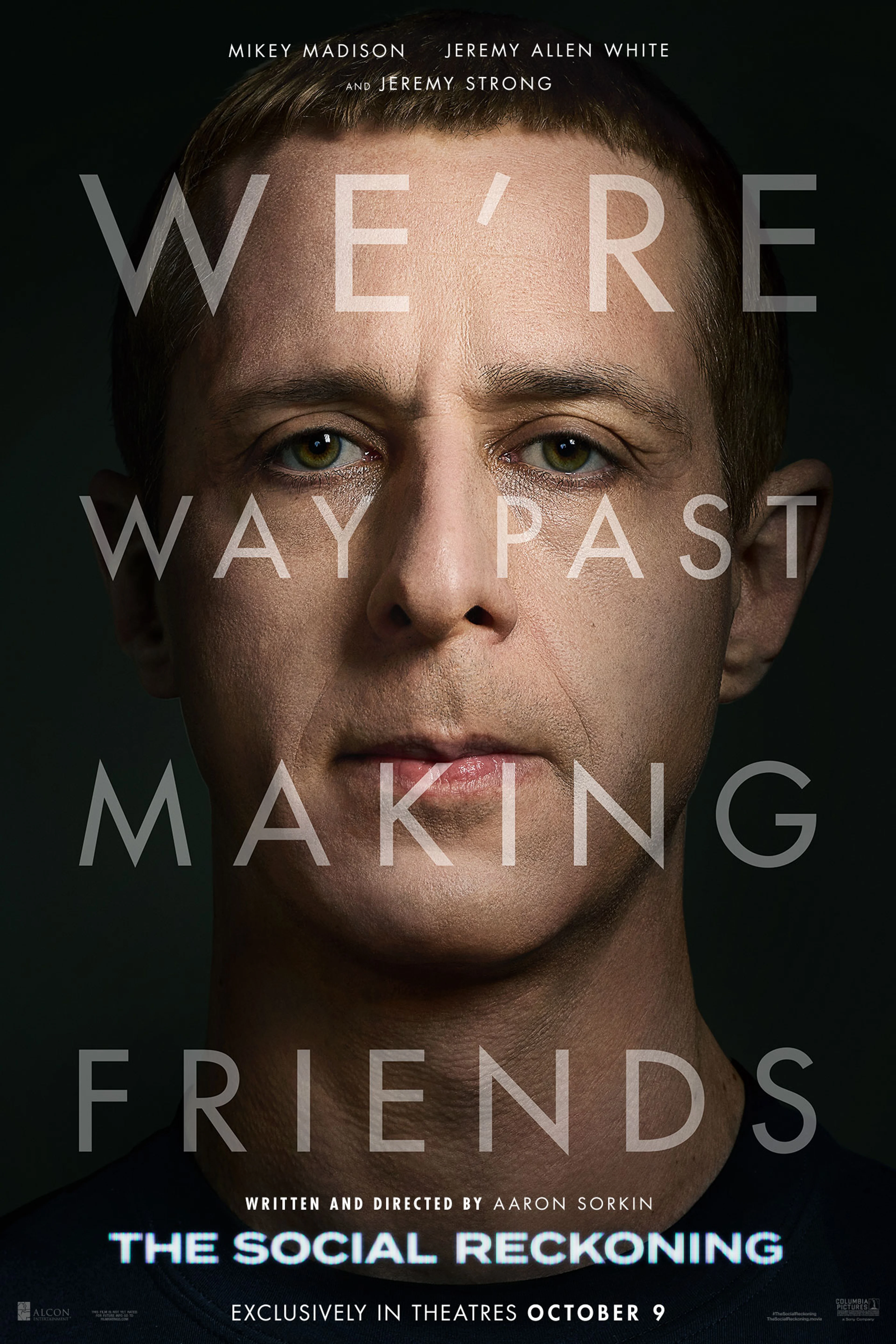
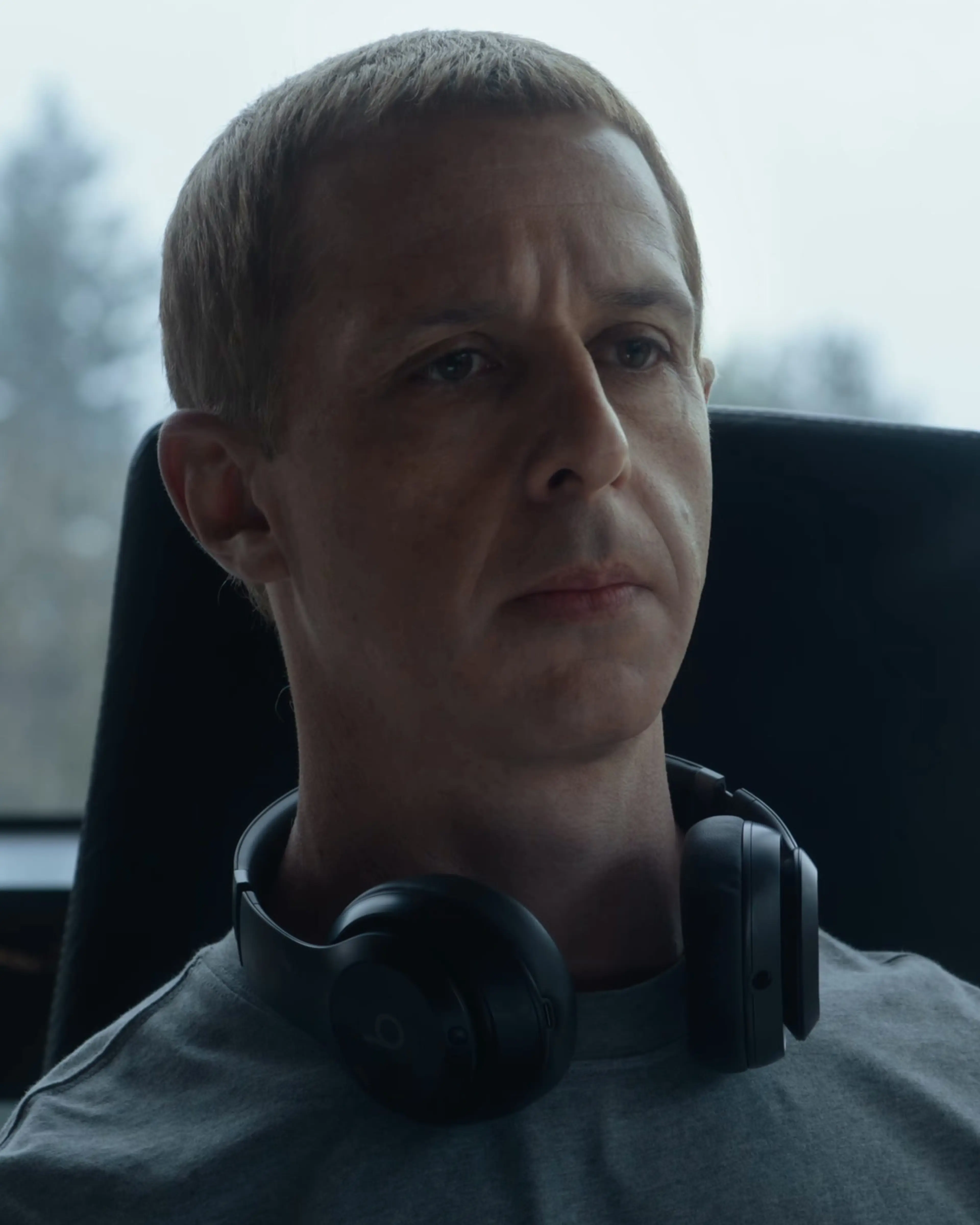
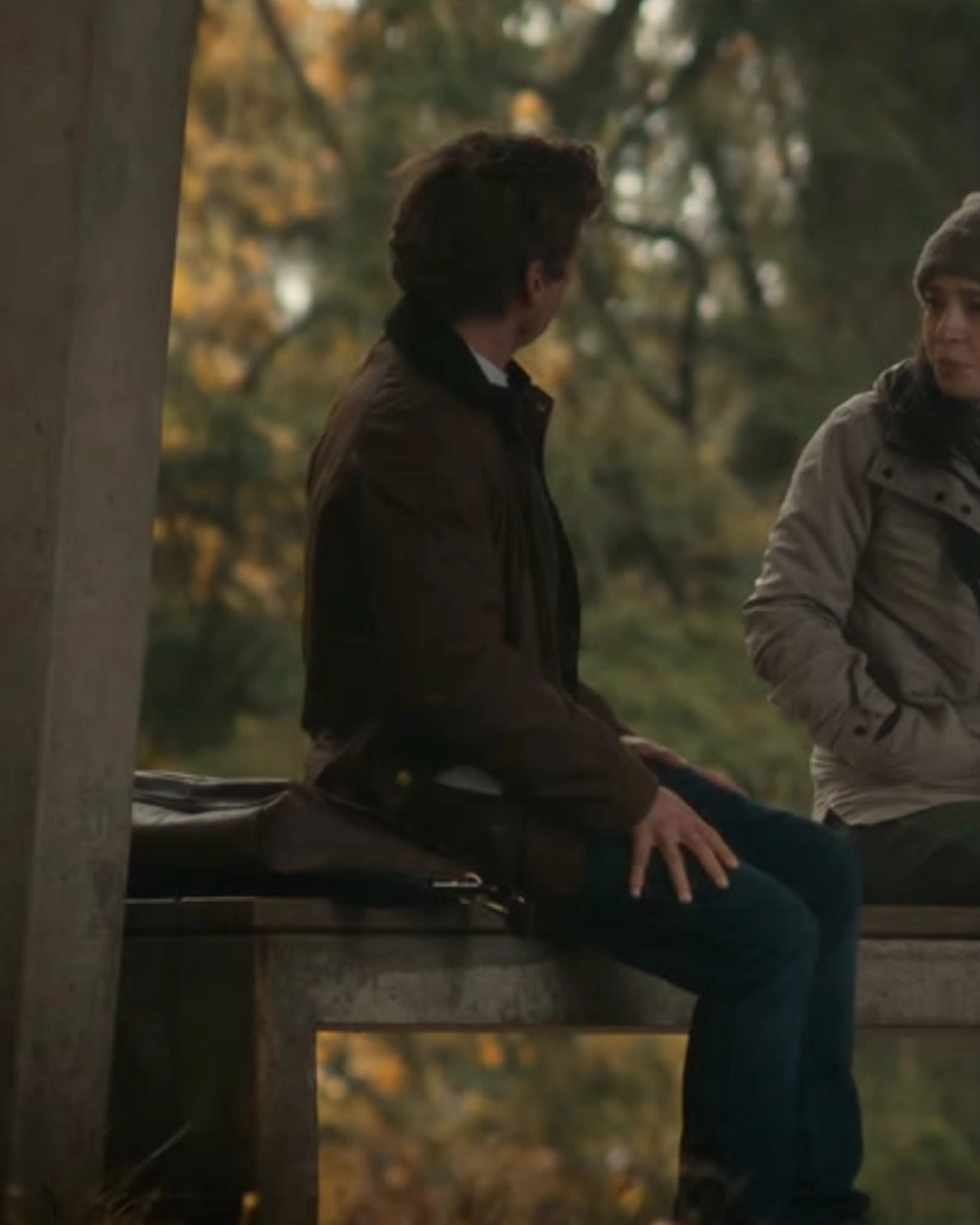
Madison plays Frances Haugen in The Social Reckoning, which opens in U.S. theaters on October 9. Sony’s synopsis follows the Facebook engineer as she works with journalist Jeff Horwitz to expose internal company information. Jeremy Allen White plays Horwitz, and Jeremy Strong plays Mark Zuckerberg. Sorkin wrote and directed the film.
Asked how she prepared to play someone with that expertise, Madison says she had read Haugen’s memoir and was willing to change her appearance or voice. Sorkin steered her away from that approach. She explains his instruction this way:
“Aaron told me that he really wanted me to just play the character from his script.”
Her answer distinguishes research from imitation. Reading about Haugen helped her understand the story, but Madison says the performance did not have to reproduce the real woman’s physical manner or voice. She describes the film as inspired by Haugen’s actions, with room for choices in how she plays the part.
That answer comes early, while she is already noticing that the sauces are stronger than expected. Evans gives her space to finish rather than treating every reaction as the end of the conversation.
Who Mikey Madison plays in The Social Reckoning

Learning by watching other actors
Madison’s account of Better Things is less about a technique she arrived with than what she learned on the job. She says she was 15 when they shot the pilot and knew very little about acting or working professionally. Watching comedians and dramatic actors around her helped her pick things up.
Later, Evans asks about handling the mix of comedy and fear in Anora’s home-invasion sequence. Madison says she concentrated on her character’s understanding of the situation. Some of the action can look ridiculous to an audience, but she needed to play it as a frightening experience rather than let the character in on the joke.
It is a useful explanation of the difference between what viewers find funny and what the person inside a scene feels. She is not describing a separate comedy performance laid over the danger. The fear is part of how she makes that scene work.
The cookie tips come before the roughest sauce
At around 11:40, Evans asks about her vegan cookies. Madison offers a few practical habits: combine the dry ingredients first, then the wet ones; avoid overmixing; use good vegan butter; add extra vanilla. She says she uses roughly three times the vanilla a recipe calls for.
This is not a complete recipe with measurements and an oven temperature. It is a short description of what she pays attention to when baking. The food conversation briefly gives her something familiar to discuss before the next wing brings the heat back into focus.
Her horse-riding background does not rescue her in the following quiz. She gets its first question right, then misses the remaining three. Evans keeps the game moving while Madison reacts to the sauce. They finish the quiz without pretending it was an impressive score.
A live show is a different kind of pressure
Madison also remembers being surprised by the full dress rehearsal before hosting Saturday Night Live. The costumes, audience and fast changes made it feel like a finished performance; then she learned they still had the live broadcast to do. She says the experience left her with greater respect for the regular cast.
By the final question, she is talking about why acting has given her the connection with other people she wanted when she started classes. It lets her try experiences and jobs she might otherwise have avoided. Then, after all ten wings, she tells Evans she thinks she could eat a hotter one. Her nerves at the beginning and that confidence at the end make a fitting bookend to a surprisingly detailed conversation.