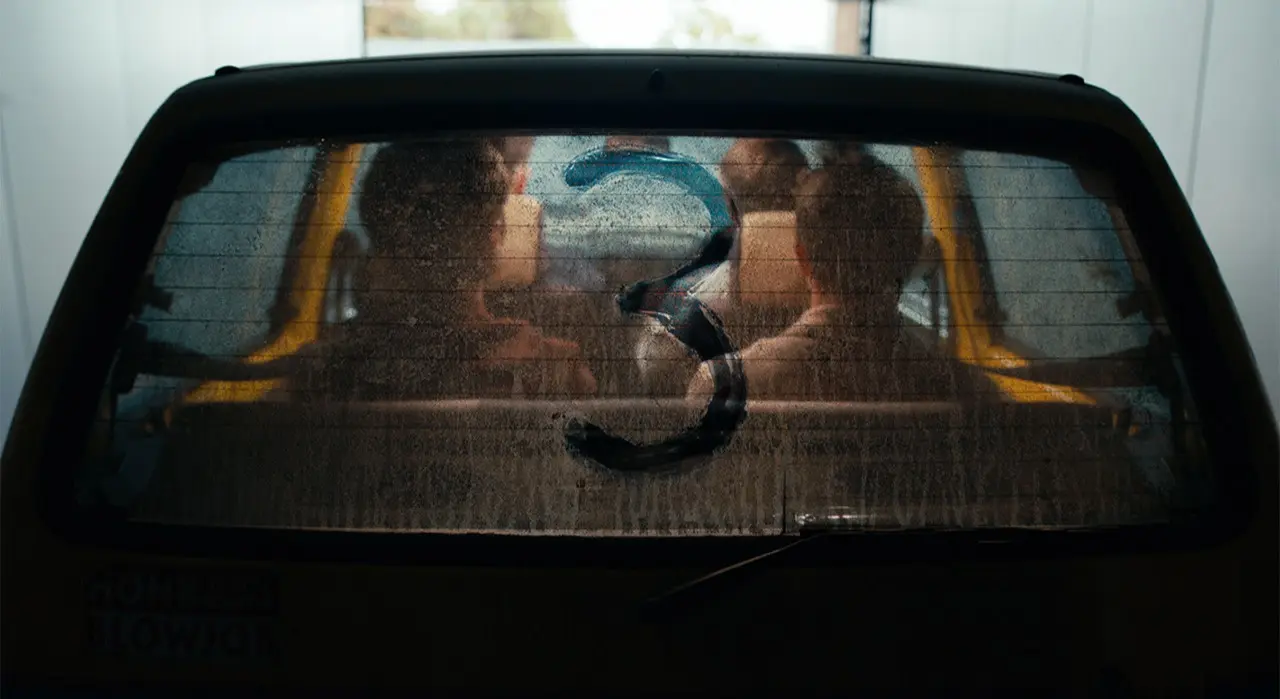
Danny Boyle has put a number on the generative AI in Ink: about 30 seconds. He said the film uses it to make old photographs move and to create mice running through The Sun newsroom. It does not generate the lead performances, replace the cast, or write the story.
That does not end the argument. A film about tabloid images and attention is now using a tool that has its own trust problem.
Where does the AI appear?
Boyle said the production animated a couple of old photographs with the kind of effect that makes a still face blink or turn. He also mentioned AI-generated mice in the newsroom. His explanation did not make clear whether the mice are included in the 30-second estimate or appear in addition to it.
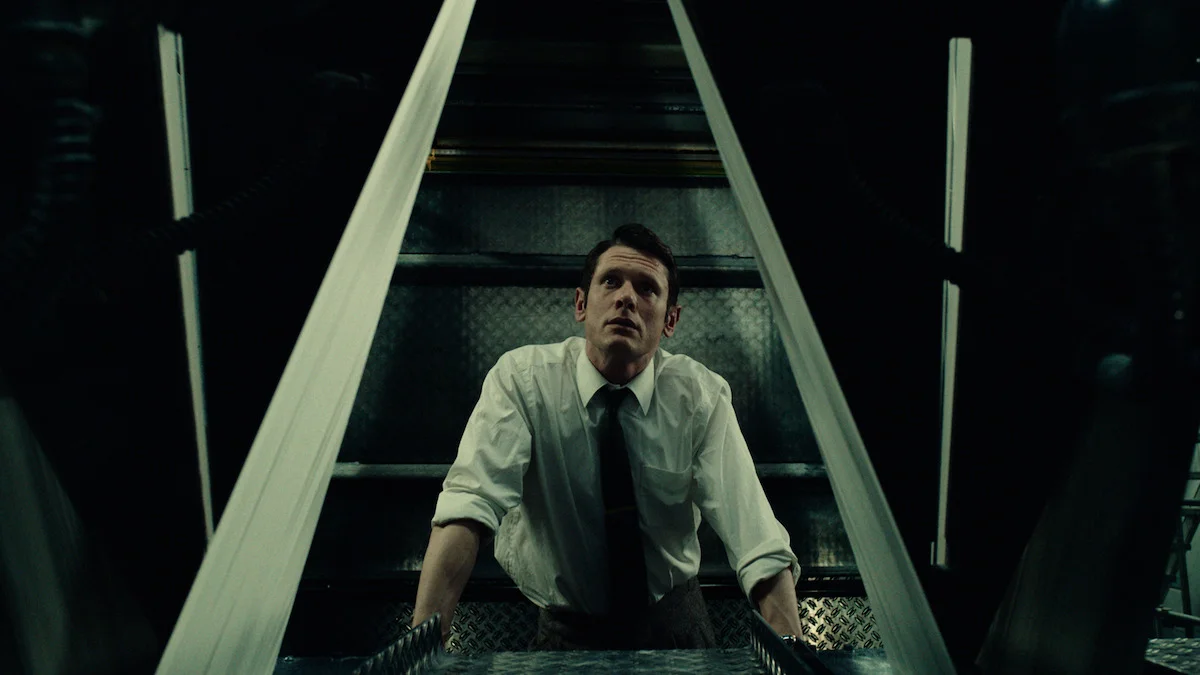
Boyle connected the mouse effect to his reluctance to work with live animals after the criticism surrounding the use of chimpanzees in 28 Days Later. In Ink, the technology is being described as a visual-effects tool for a brief shot, not a substitute for an actor.
Why are people talking about Thatcher and the Krays?
Early reactions pointed to moving archive-style images that appeared to show former British prime minister Margaret Thatcher and the Kray twins, the London gangsters who became notorious in the 1960s. Boyle confirmed that old photos were animated, but he did not name every person shown in those images.
Viewers have identified Thatcher and the Krays in those shots. Boyle confirmed the technique, not every face. Netflix has not released a shot-by-shot explanation of the sequence.
Why are 30 seconds causing so much debate?
Some viewers oppose generative AI in film regardless of how briefly it appears. Others separate a background effect from copying a performer’s face, voice, or work. Ink gives that argument a real example instead of another vague promise that a studio used AI “responsibly.”
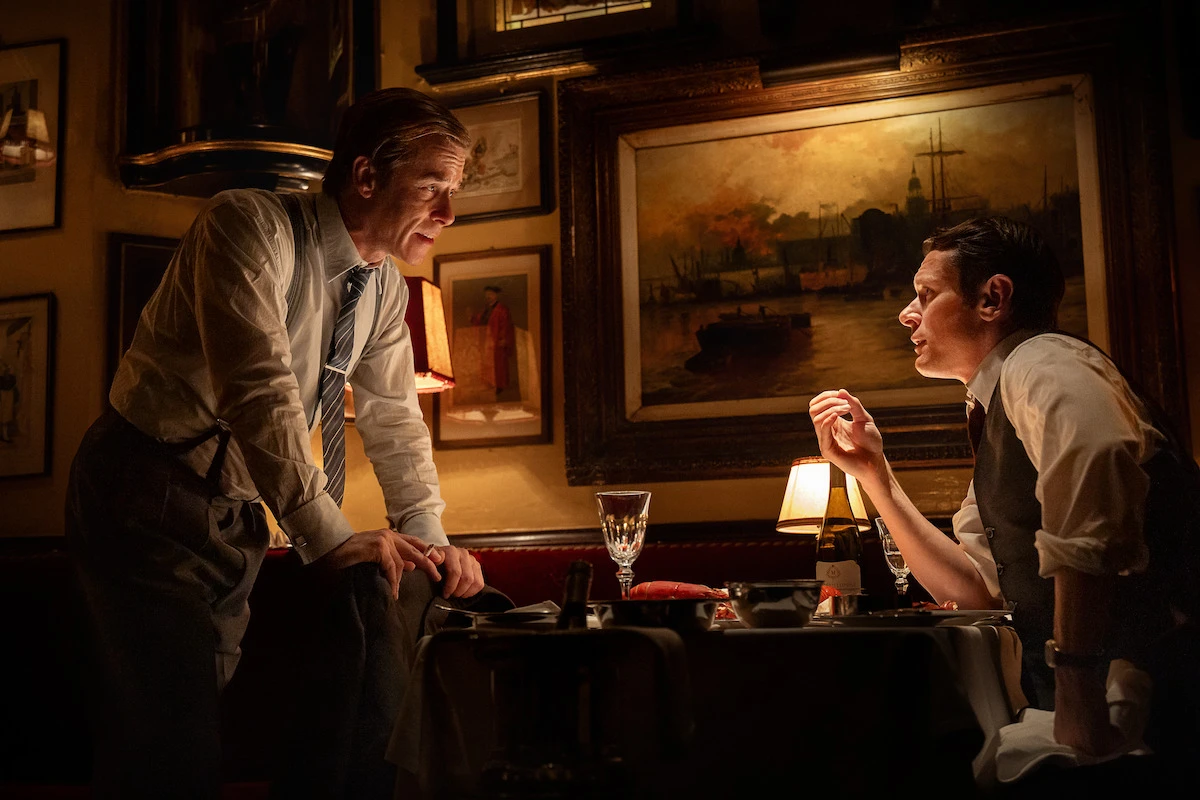
The film follows Rupert Murdoch’s 1969 purchase of The Sun and editor Larry Lamb’s attempt to turn the struggling newspaper into a mass-market tabloid. Guy Pearce plays Murdoch, Jack O’Connell plays Lamb, and Claire Foy plays Jules Davies, a fictional character based on women who worked in Fleet Street.
Ink is adapted from James Graham’s stage play. It opens in select theaters on December 11, 2026, before arriving on Netflix in the United States and Latin America on January 8, 2027. Boyle’s answer settles the scale of the AI use. Whether that scale makes it acceptable is the part audiences will keep arguing about.