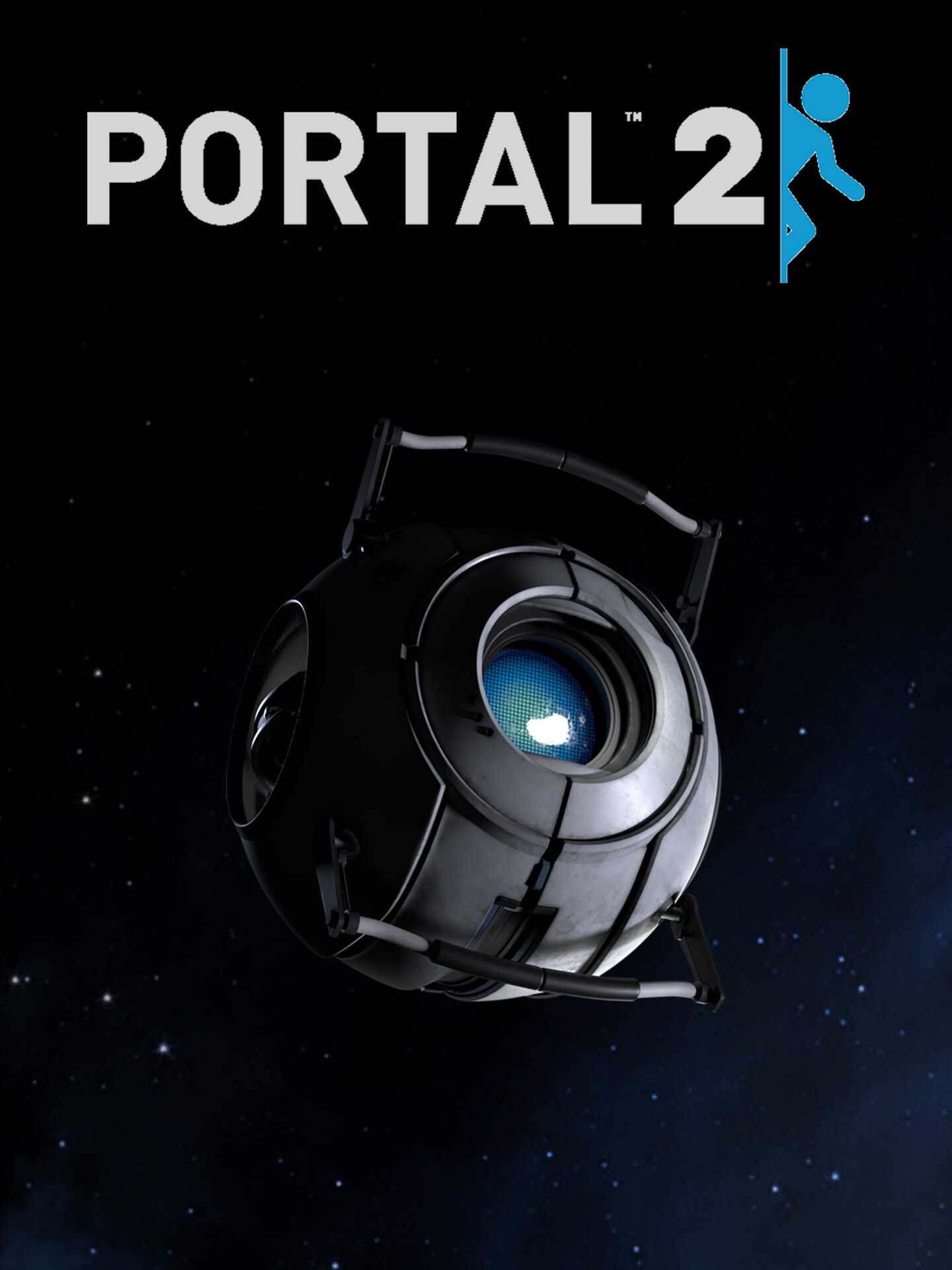
Valve Corporation has two kinds of weight in gaming: the studio identity behind games such as Portal 2, and the platform identity behind Steam. Those are very different forms of influence, but both explain why the company name still catches a player's eye.
The strongest current title route is Portal 2. That game is a clean example of Valve's design reputation: readable mechanics, precise escalation, dark comedy, and puzzles that make players feel clever without making the rules feel unfair. The portal gun is simple to understand, but the best rooms keep finding new ways to test space, timing, and trust.
Valve's platform side is broader. Steam changed how PC players buy, organize, discover, and return to games. That context matters, but it should not swallow the company page. Readers usually need a route from the company name into something concrete, and Portal 2 gives that route a sharper emotional shape than a general platform summary.
Valve works best as a hub when both sides stay visible: the design studio that made puzzle comedy feel effortless, and the PC platform company that still shapes how many players encounter games. Portal 2 is the cleanest current entry point because it shows the studio's craft without needing a business lecture. The result is a company page with both design memory and everyday PC-gaming relevance.
Visit website