
Naomi Watts says an agent once told her she was “too intense” and was “freaking people out” at auditions. She shared the memory at the Zurich Film Festival while talking about the years before her breakthrough in David Lynch's Mulholland Drive.
Watts said she had spent about a decade trying to get steady acting work. She was behind on rent and facing eviction when the agent gave her that blunt advice. It was not easy for her to hear, but she now describes how those rejections made her second-guess herself in casting rooms.
“I was desperate! I was behind on my rent; I was getting evicted.” — Naomi Watts
What changed when she met David Lynch?
Watts said she kept trying to match whatever she thought a casting director wanted. If someone said she was not funny, she tried to be funnier. If someone said she was not sexy, she adjusted again. Eventually, she felt she could no longer show who she was. She credits Lynch with seeing through that nervousness and casting her in Mulholland Drive, which became her major breakthrough.
This was not a story about one lucky audition fixing everything overnight. Watts spoke about the pressure and money worries that came before it. She also made clear that she wanted to act because she loved getting into different characters, not just because she wanted fame.
Why was Watts in Zurich?
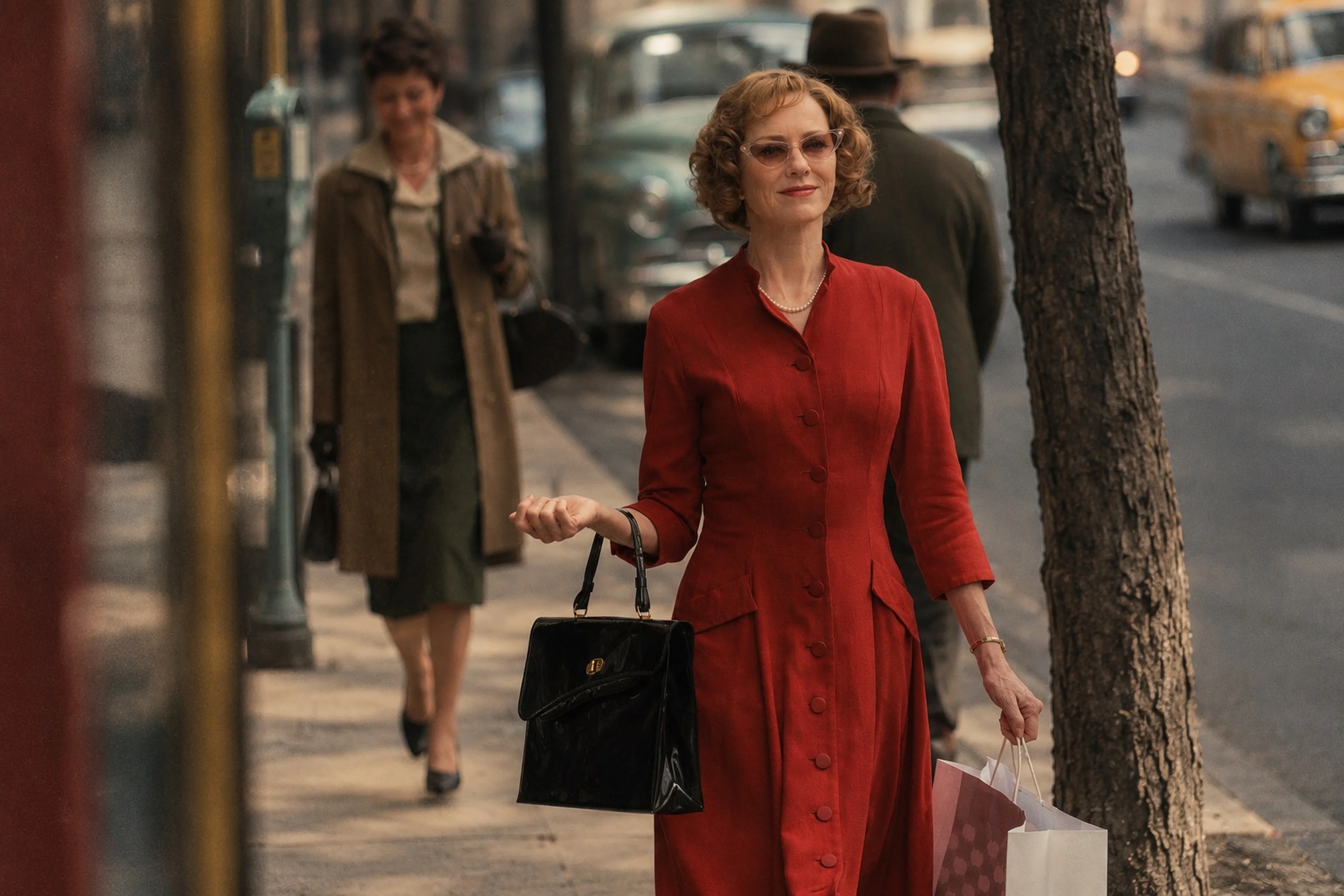
The festival gave her its Golden Eye Award for her work in The Housewife, a new film directed by Ben Shirinian. Watts stars alongside Tye Sheridan, Luke Evans and Michael Imperioli. The story follows a reporter investigating a suspected former Nazi officer living in New York in 1964. His connection with the suspect's wife makes the investigation more complicated.
The festival held a ZFF Masters conversation with Watts, giving audiences a chance to hear her discuss both the new film and her long career. She also talked about being open about menopause and the lack of information she had when she first went through it.
Watts has played many memorable roles since Mulholland Drive, including The Ring and King Kong. The Zurich conversation brought her back to a time when that future did not feel guaranteed. Her point was personal: she was struggling to pay rent when she was being told she needed to change how she came across in auditions.